Voices from Liju / Interview 03 of 15
Lisu · Villager · Birding Guide · Forest Ranger · Sanchahe, Liju Village · Laojun Mountains, Yunnan
“In the future, visitors could come to watch birds in winter and see flowers in the Shanhe Garden in summer.”
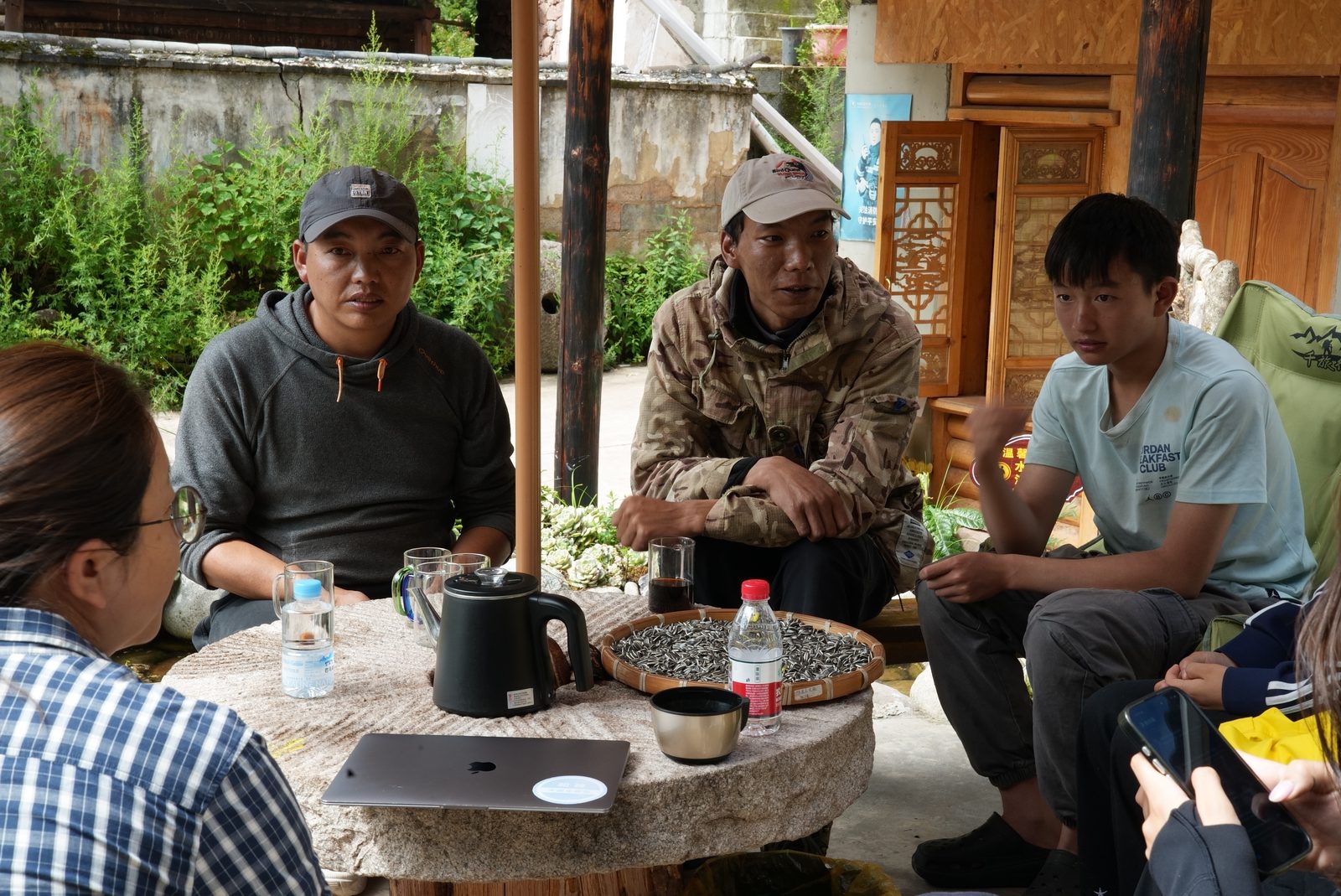
Lihua is well known in Liju as a local birding guide. Every winter and spring, he receives birdwatchers from across China. This livelihood began with one species: the White-speckled Laughingthrush, a nationally protected bird.
“I belong to this mountain. I want to protect it, and I also want more people to see it.”
His path into bird guiding did not begin with a passion for birds. At first, he was looking for a new way to improve his livelihood and knew little about birding. He and two others, including his younger brother, began by learning the call of the White-speckled Laughingthrush and repeatedly entering the forest to search for it. It took them a year and a half to bring the bird back to an area near the village where it could be observed.
Even after the bird returned, the work was difficult. There were few birdwatching visitors and little income. His brother eventually left to find work elsewhere, while Lihua continued. “Many people in the village have gone out to work,” he explains. “Most of those who stay grow medicinal plants.” Bird guiding changed more than his income: it turned a resident who knew the mountains intimately into someone who connects the landscape with people from outside it.
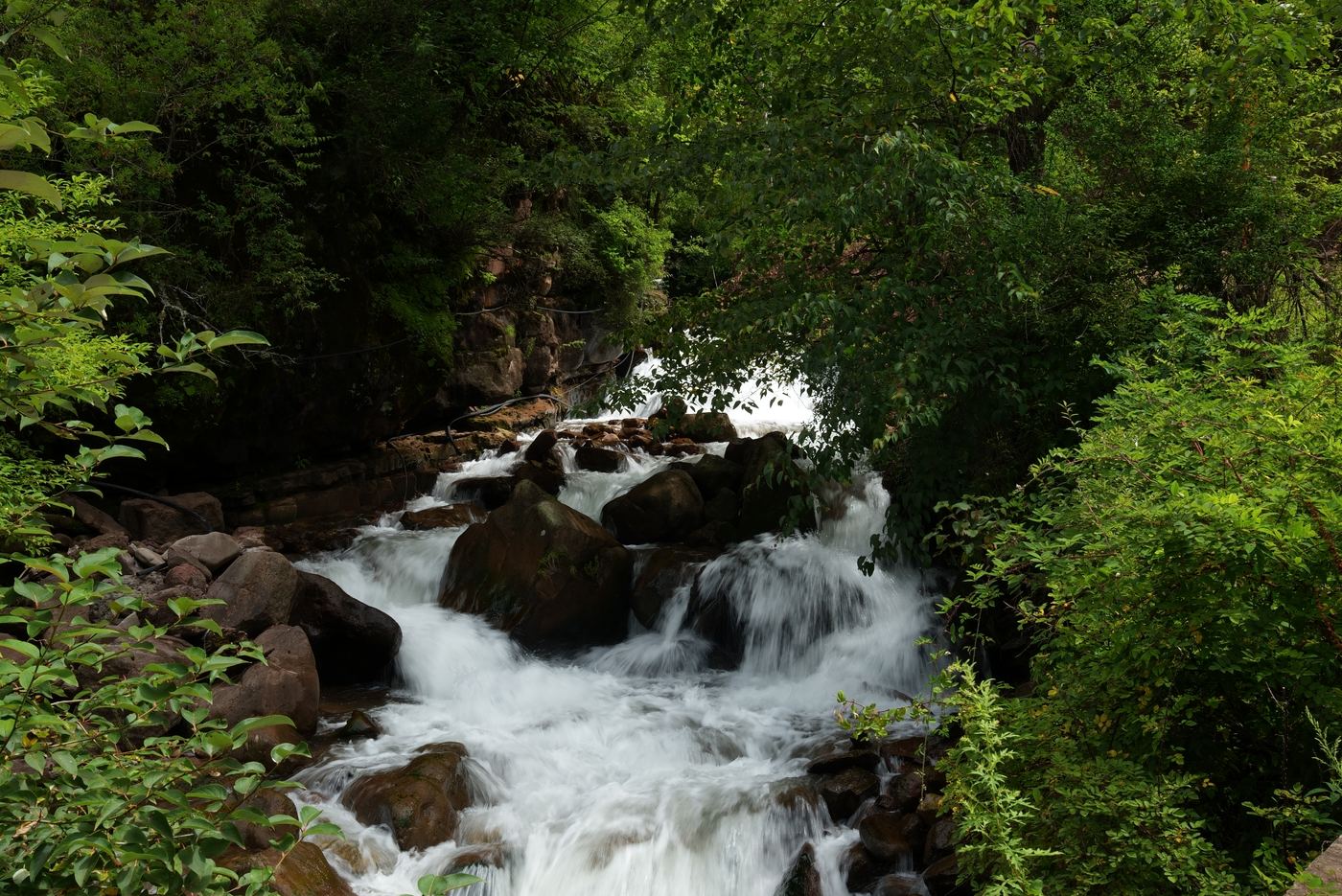
Outside the birding season, Lihua continues to search the mountains for new birding sites and species. He hopes that more birds can bring more people into contact with this landscape. On his trips into the mountains, he passes the Shanhe Garden and sends photographs of the flowers in bloom. He is also one of the garden’s volunteers.
We share a hope: “In the future, visitors could come to watch birds in winter and see flowers in the Shanhe Garden in summer.” As Lihua puts it, “I belong to this mountain. I want to protect it, and I also want more people to see it.”
His story suggests another possibility for rural futures: development does not always have to mean leaving the mountain. Local ecological knowledge and biodiversity can also become ways of connecting to the wider world while creating livelihoods tied to conservation.