
Livelihood costs and tourism benefits are uneven.
FIELDWORK / LIJU, PLANTS, PEOPLE & JUSTICE ATLAS
The Atlas turns field evidence into six connected arguments. The first two trace environmental pressure from household livelihood to a specific ecological conflict; the next two examine how conservation redistributes value and authority; the final two ask who can afford conservation labor and who has power over its future.
Six connected arguments built from household testimony, field observation and ecological context. Each one ends in a question of justice.
Arguments 01–02 trace the chain from household livelihood to a concrete ecological conflict. Pressure in Liju is never only ecological: it runs through markets, migration, labour and care.
Arguments 03–04 ask who captures the value created by biodiversity, and whose knowledge is given authority over the mountain.
Arguments 05–06 examine the unequal time behind conservation work, and how decision-making power is distributed across seven groups of actors.
Households live through diversification in an uncertain landscape.
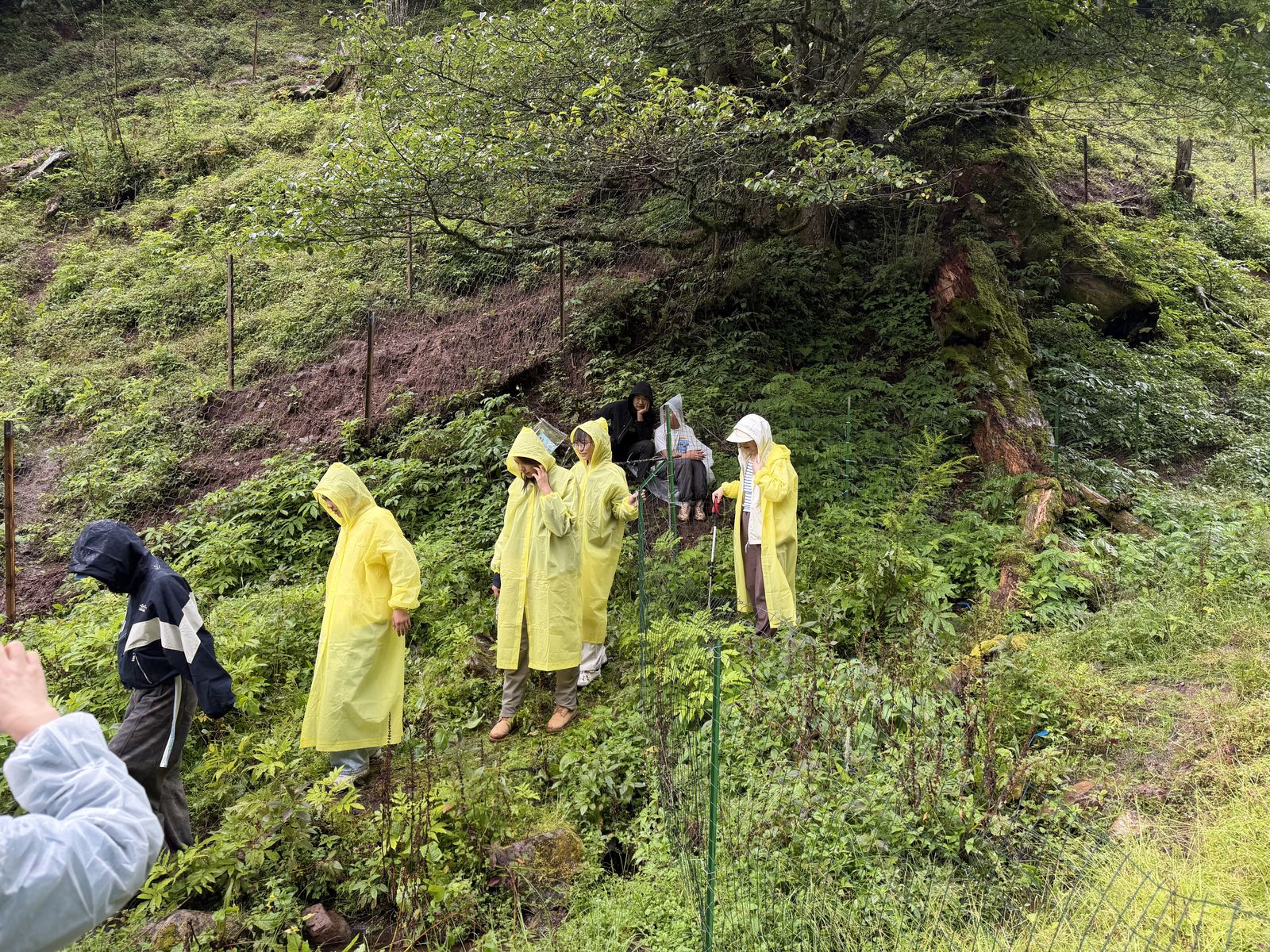
No single livelihood is stable. Households combine livestock, tourism and homestay, wage labour, bird guiding and medicinal crops to survive, and each option carries its own risk.
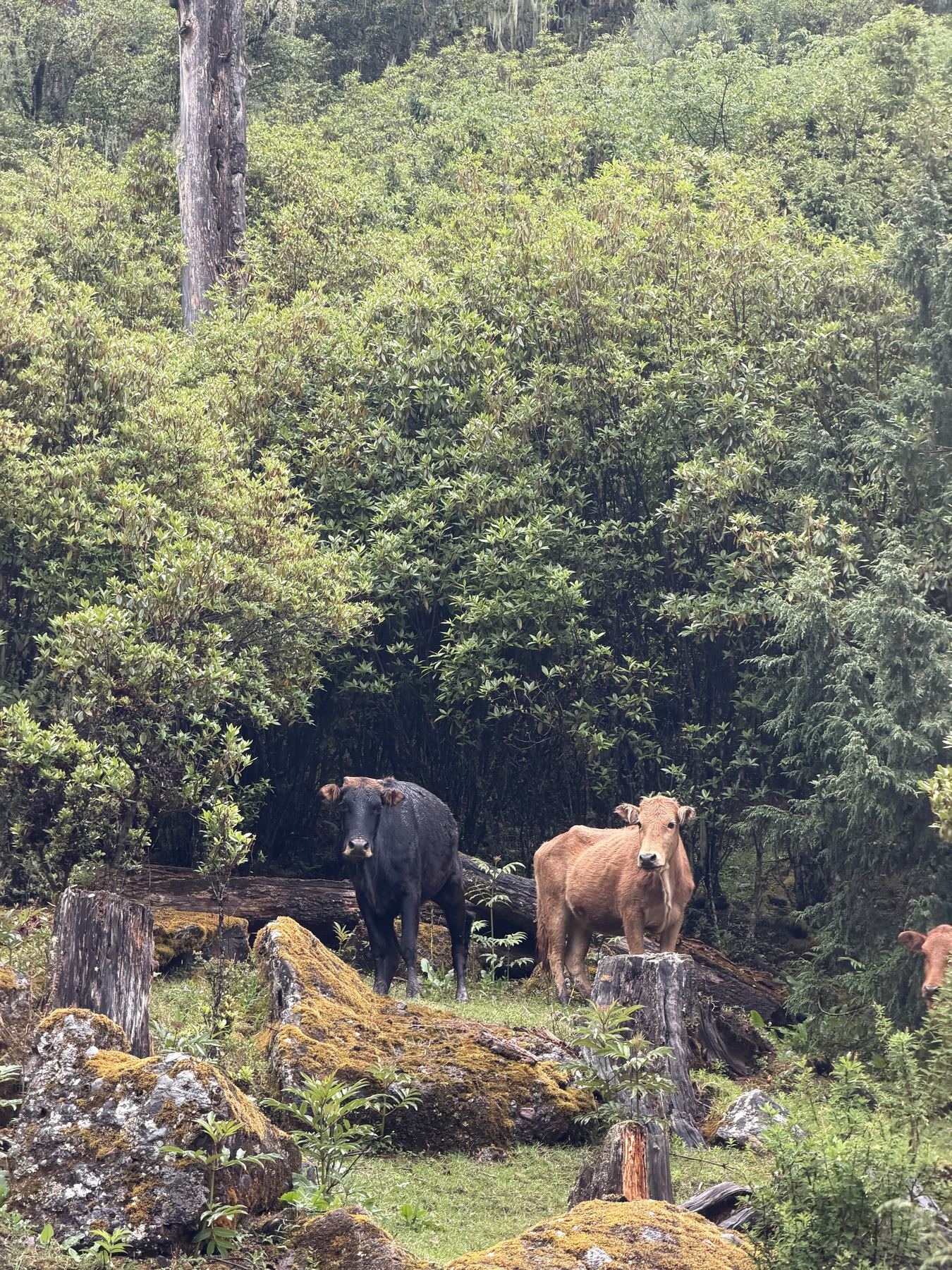
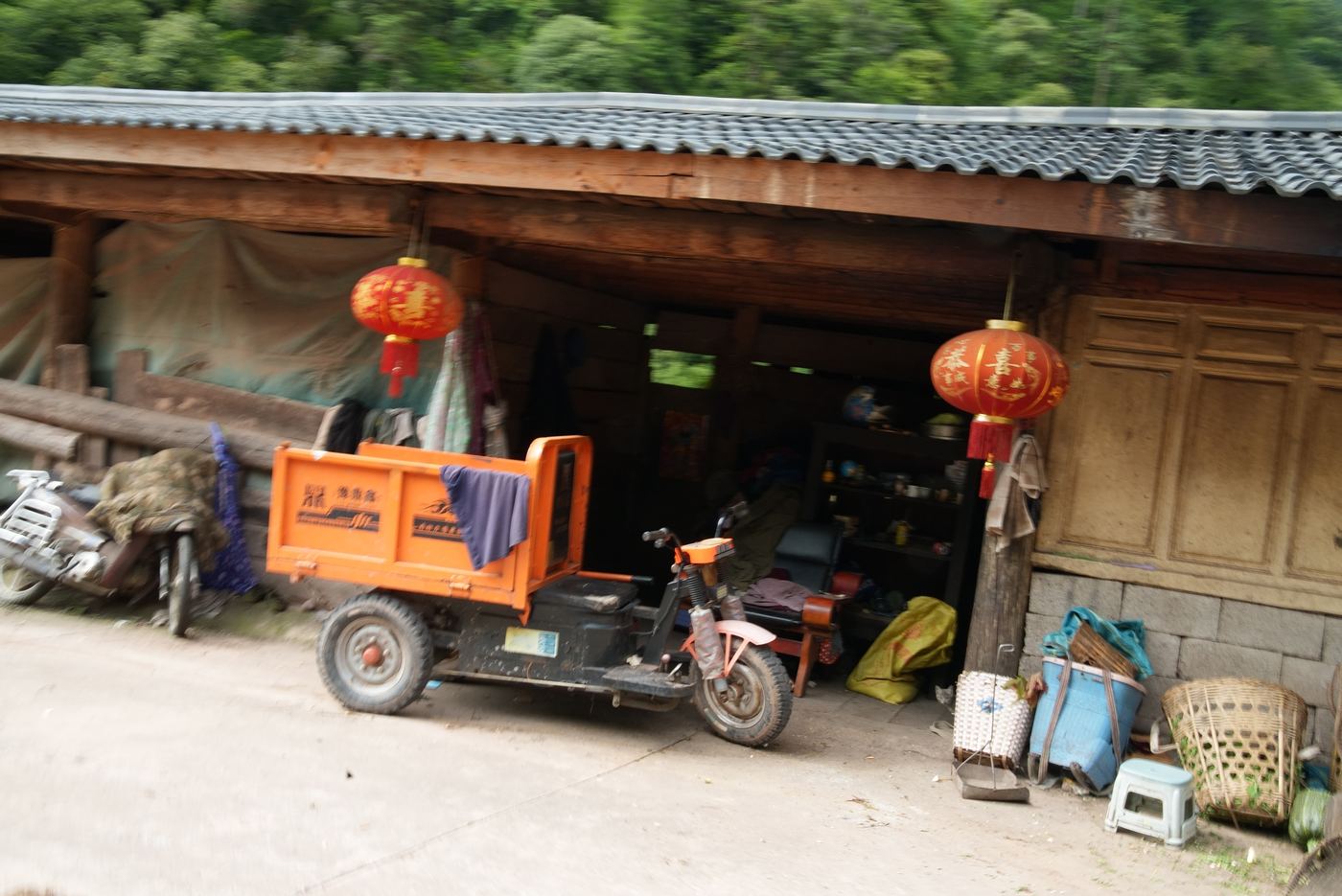
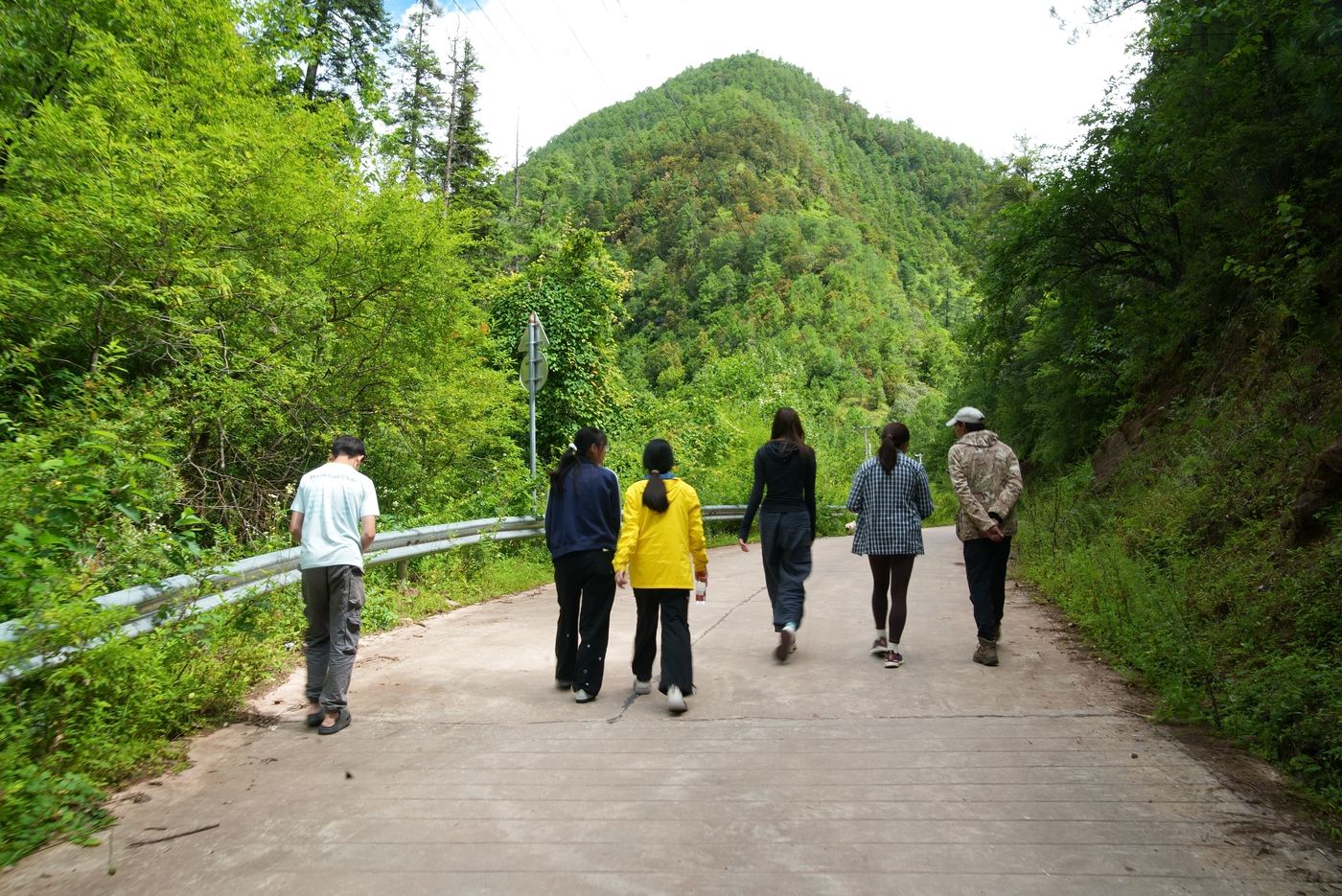
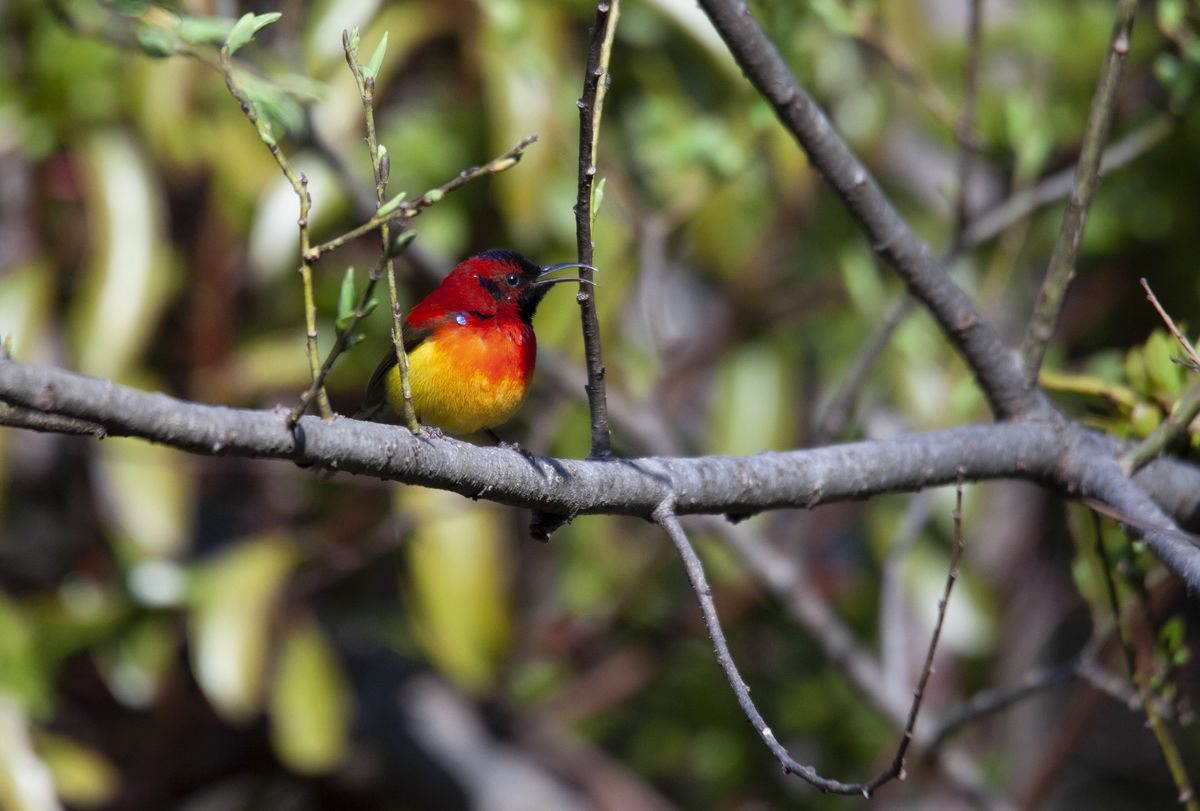
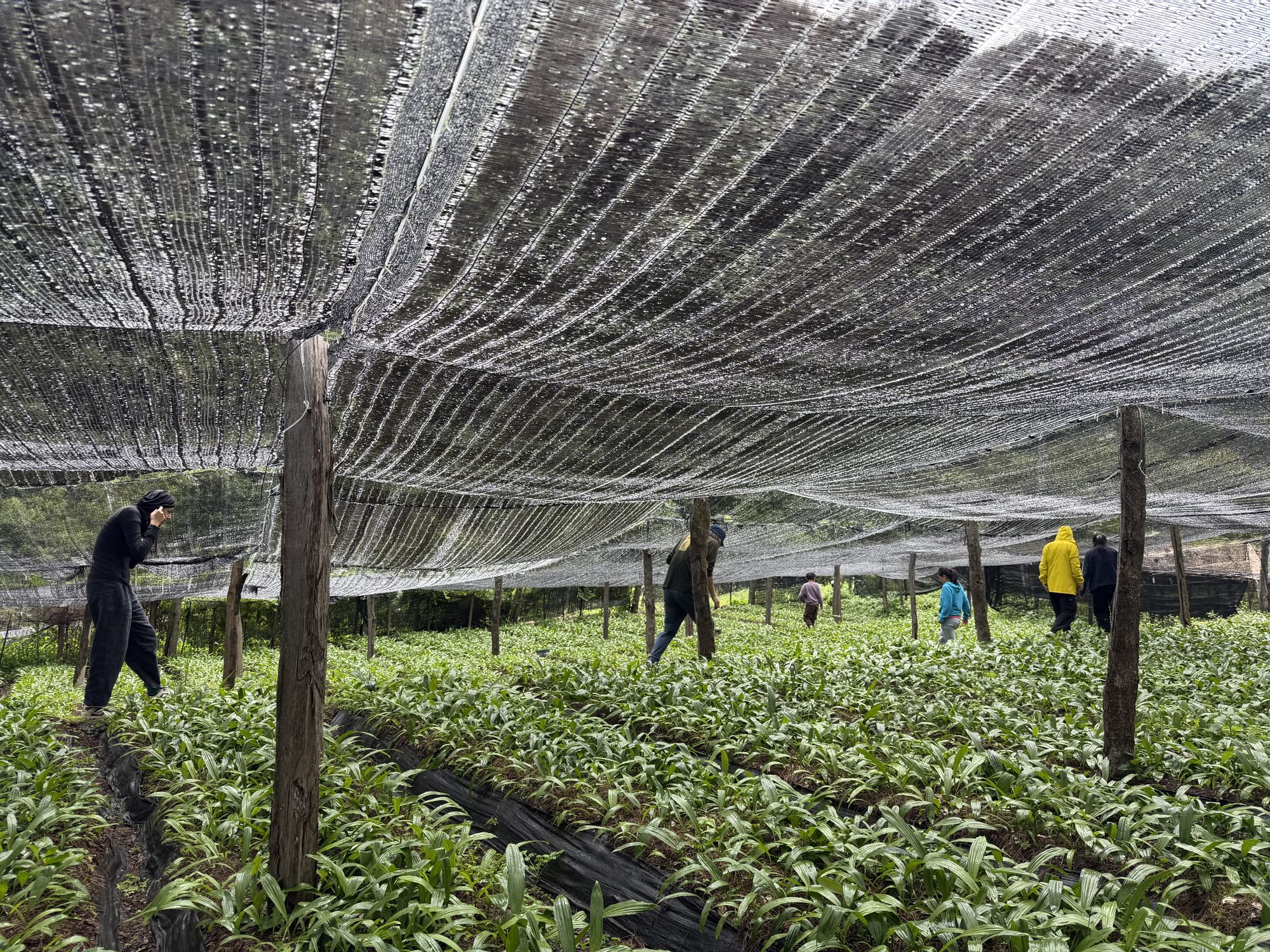
Diversification itself is produced by income instability, market volatility, care responsibilities, limited labour, and education and migration needs. No single option is reliable enough to stand alone.
Environmental pressure cannot be separated from livelihood insecurity, and households differ in how much restriction or unpaid labour they can absorb.
Bamboo decline is the result of many claims shaped by livelihood needs and limited alternatives.
Many needs pull on the same bamboo. Each claim is understandable within a livelihood context, yet together they press bamboo regeneration from every side.
Ecological pressure is real, but its cause is not only visible where it appears. The cost of changing resource use must not fall only on the households closest to the protected landscape; solutions need support, alternatives and shared responsibility.
When conservation arrives, rarity is transformed into economic value.
A rare flower or bird does not start out as money. Value is built step by step, and each step decides who benefits.
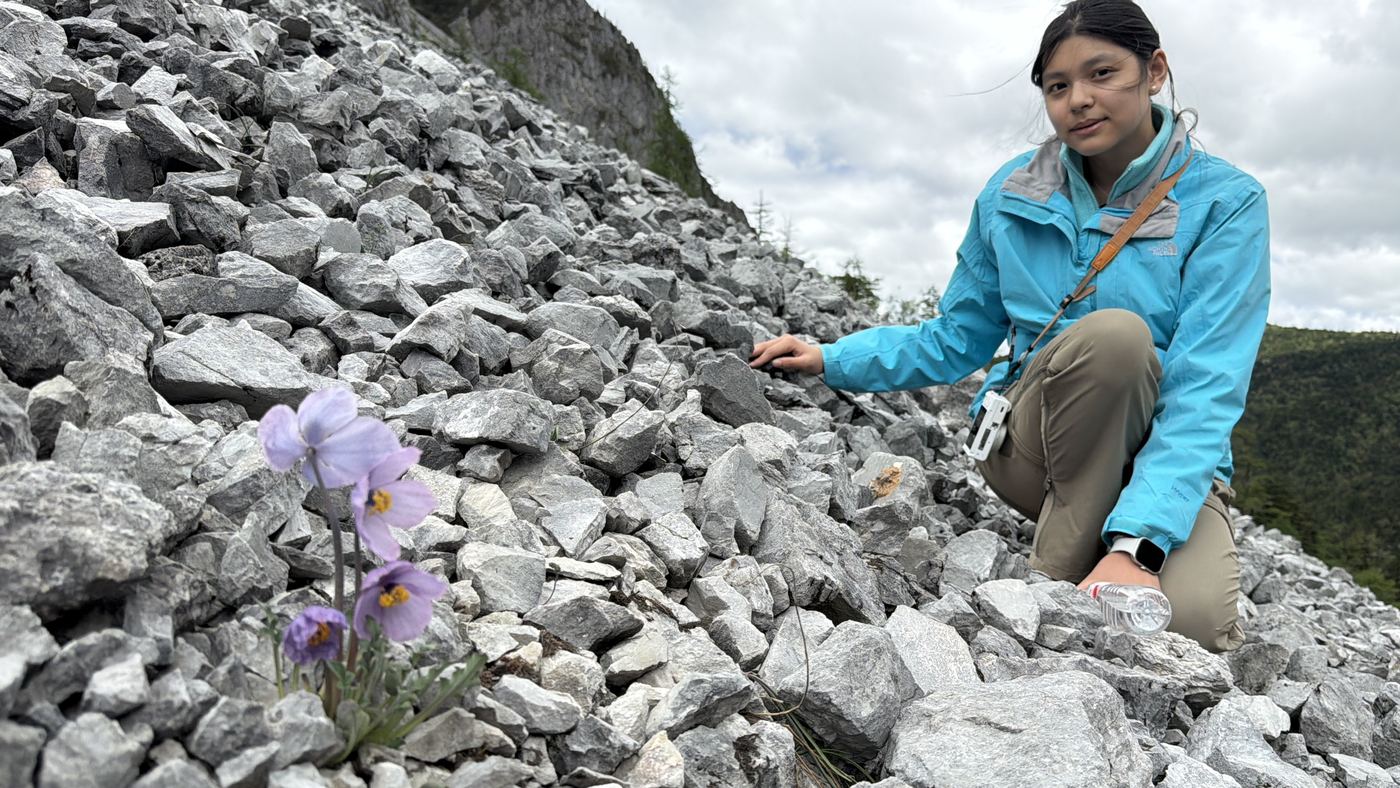
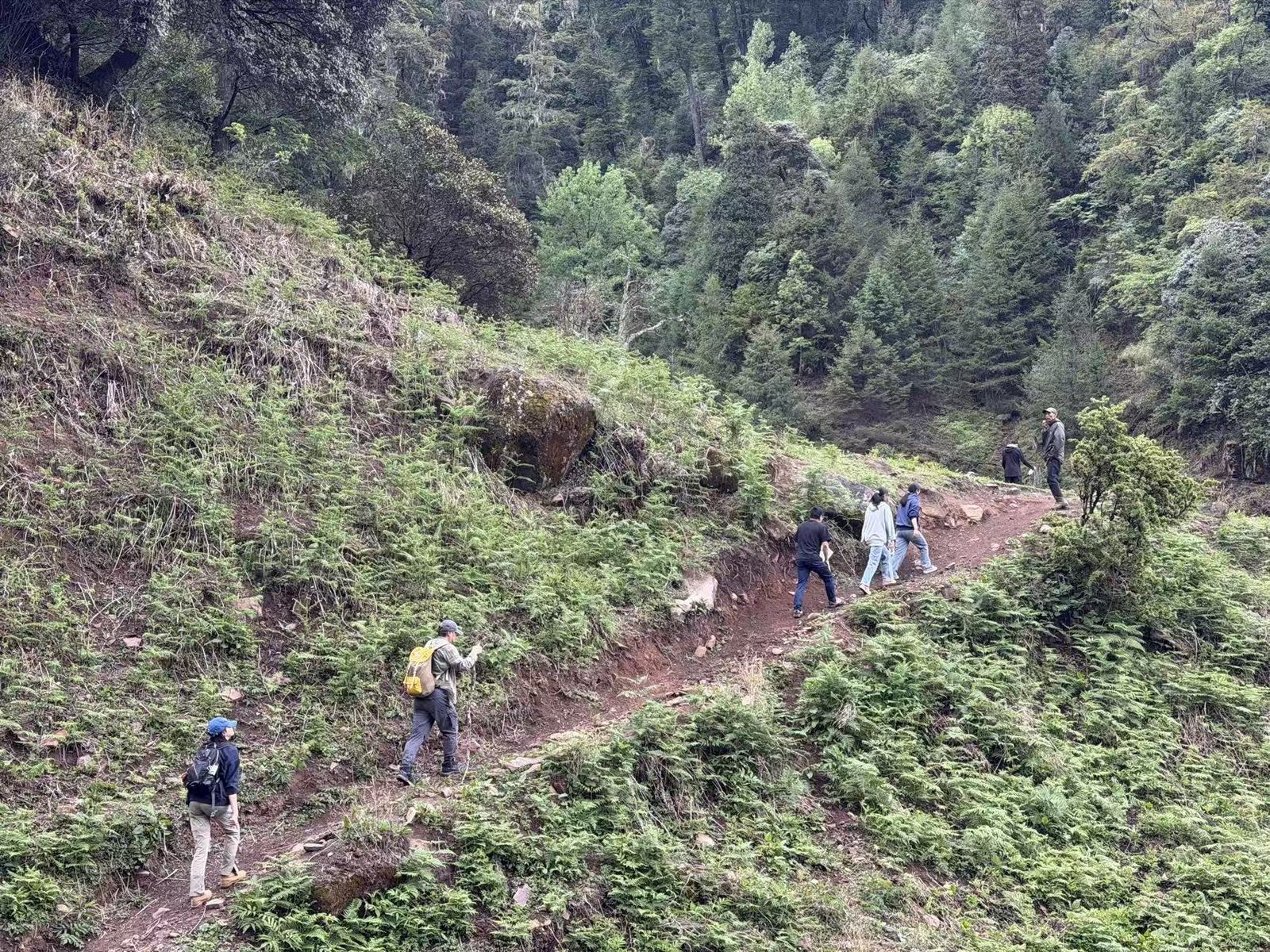
Who captures the value, local households carry the heaviest burdens yet capture the least.
The more something is valued, the more pressure it attracts. Rarity raises interest; interest raises visits; visits press on the habitat that made the value possible.
Justice question, who captures the value created by biodiversity, and can the habitat absorb its own fame?
Many kinds of knowledge shape how the mountain is understood and managed, but whose knowledge counts?
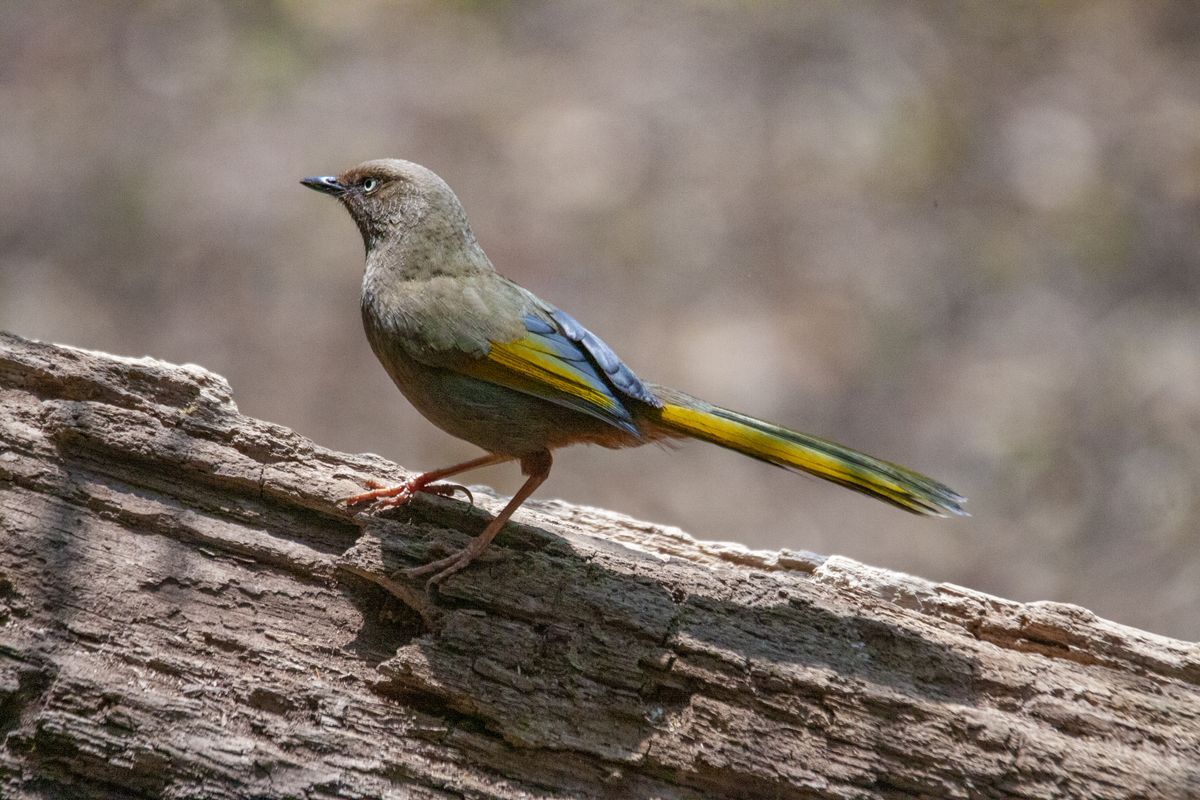
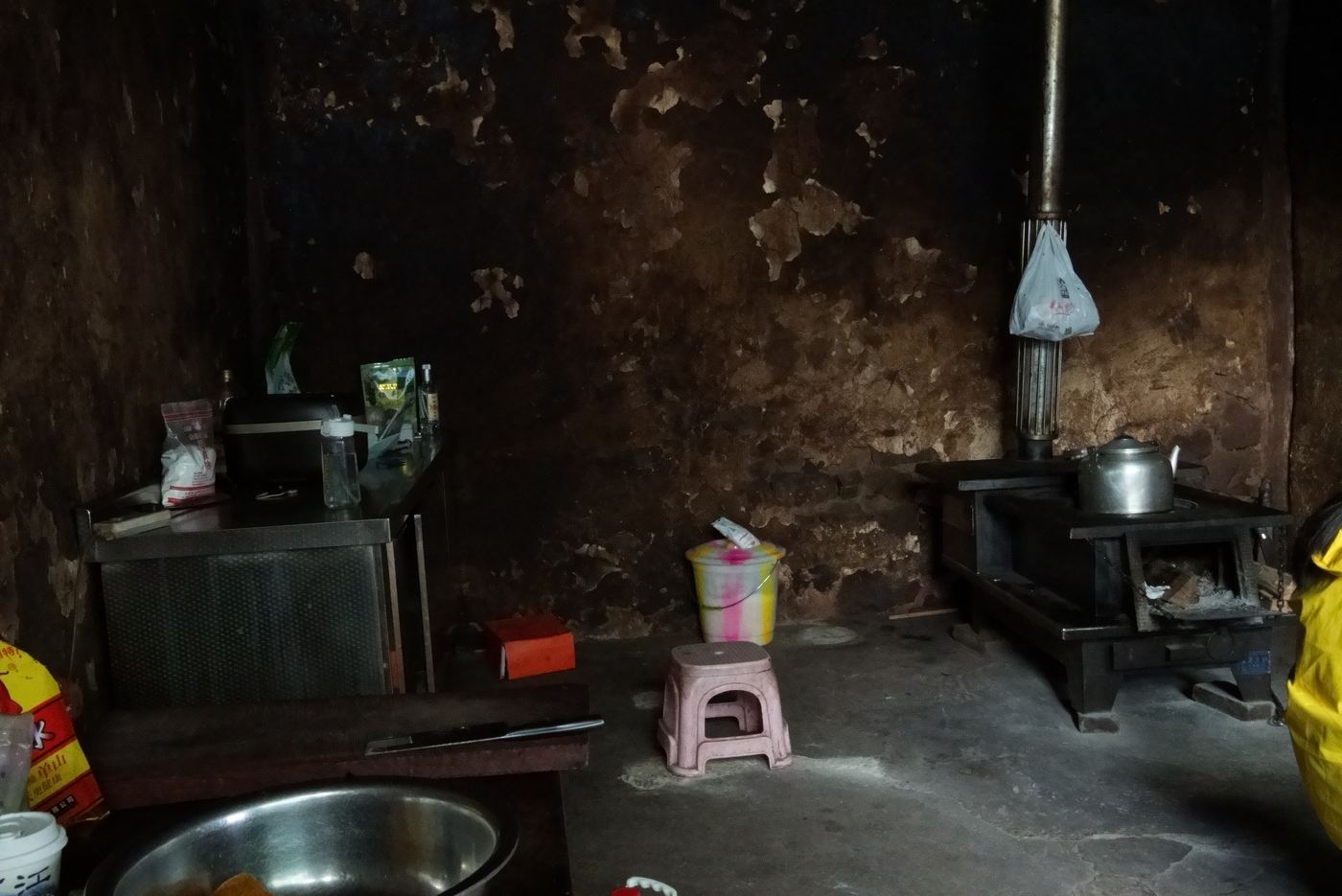
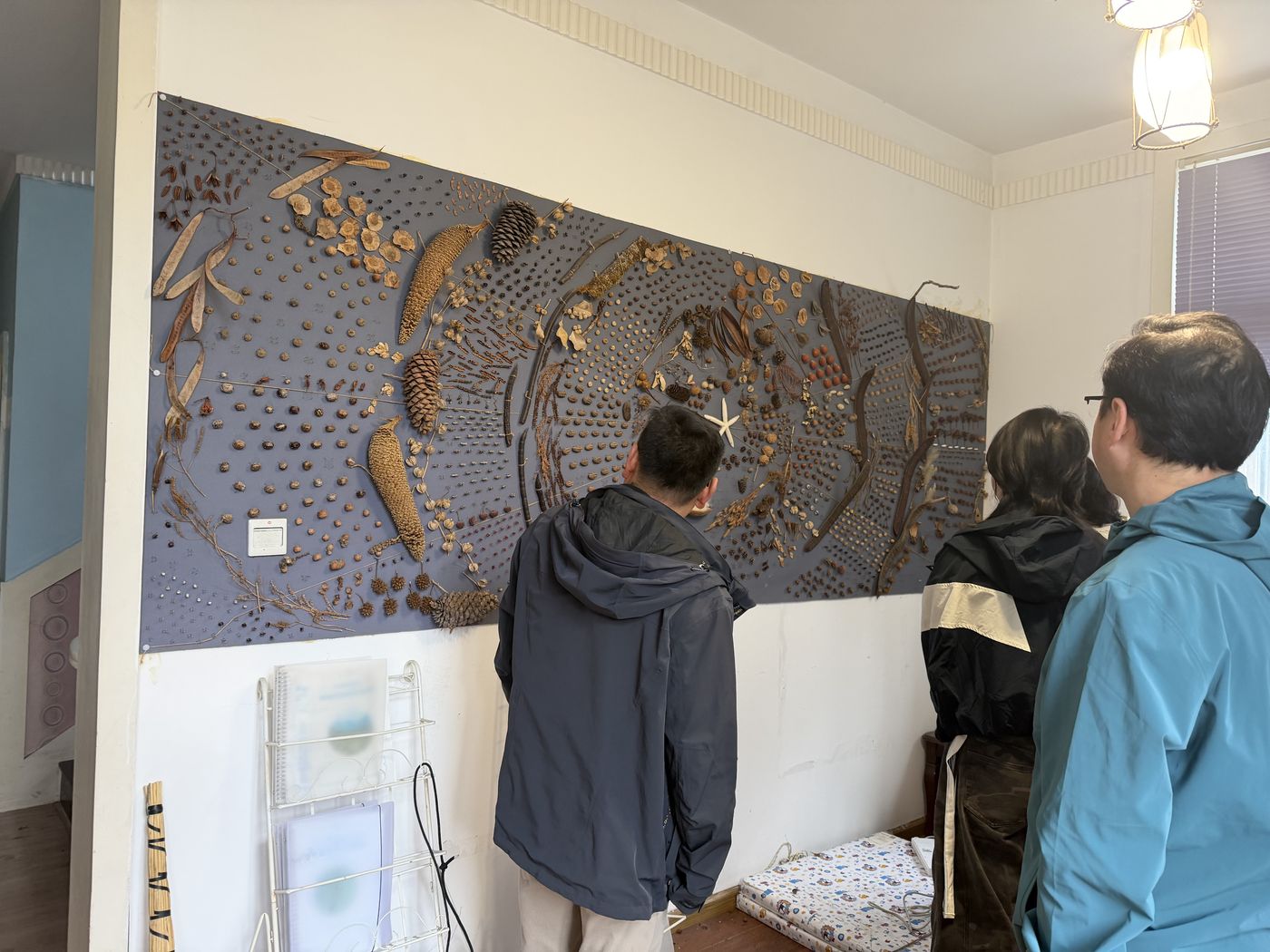
Local, experiential knowledge is often heard, and rarely given structural decision-making power. In Sanchahe, knowledge of water, soils and grazing corridors directly shaped where the Shanhe garden sits, how it is fenced and how water reaches it.
Recognition is not documentation. Knowledge matters when it carries real power to change conservation decisions, from the start, not as consultation afterwards.
Conservation depends on time, and time is unequally distributed.
Volunteering presumes free hours. A day in four different lives shows how quickly that presumption fails. Patterns below are indicative, summarised from field conversations.
Participation must not hinge on unpaid volunteer labour. Relying on it excludes exactly those whose stewardship matters most, and makes their care invisible.
Landscape governance involves many actors, yet formal power and daily burdens run in opposite directions.
| Actor | Knowledge | Labour | Costs | Formal power | Influence |
|---|---|---|---|---|---|
| Local households | ●●● | ●●● | ●●● | ●○○ | Informal relationships, local negotiation |
| Guides & ecotourism practitioners | ●●○ | ●●○ | ●●○ | ●○○ | Ecotourism networks, field expertise |
| Conservation organisations, incl. Shanhe | ●●● | ●●● | ●●○ | ●●○ | Capital, technical expertise, institutional networks |
| Scientists & academia | ●●● | ●●○ | ●○○ | ●●○ | Peer-reviewed authority, expert advice |
| Government agencies | ●●○ | ●●● | ●●○ | ●●● | Statutory law, permits, management plans |
| Visitors & tourists | ●○○ | ●○○ | ●○○ | ○○○ | Market demand, public sentiment |
| Youth & future generations | ●●○ | ●○○ | ●●○ | ○○○ | Emerging advocacy, future stewardship |
High ●●● · medium ●●○ · low ●○○ · none ○○○
Meaningful co-management seats daily stewards in the decisions, before they are made. Authority currently follows capital and institutions; a just landscape gives it back to the people who hold the mountain together.
Across the six arguments the same pattern repeats: pressure is produced together, and its costs are distributed unequally. The matrix shows how Shanhe turned the analysis into adjustments, and how those adjustments are held accountable.
Livelihood costs and tourism benefits are uneven.
Shanhe carries development costs; visitor income is designed to return locally.
Community-return products, local sales and paid local roles.
Knowledge is plural and situated; only part of it is heard.
Local mountain knowledge informs site, water and fencing decisions.
Knowledge-to-design records with attributed voices.
Participating in labour is not the same as deciding.
Garden and tourism direction are discussed with local collaborators before plans are fixed.
A co-design timeline and shared rules for visits and maintenance.