Fieldwork / Liju, Ethnography & Oral History
An edited oral-history archive built from field conversations with people who live with, work in, study, or care for the mountain.
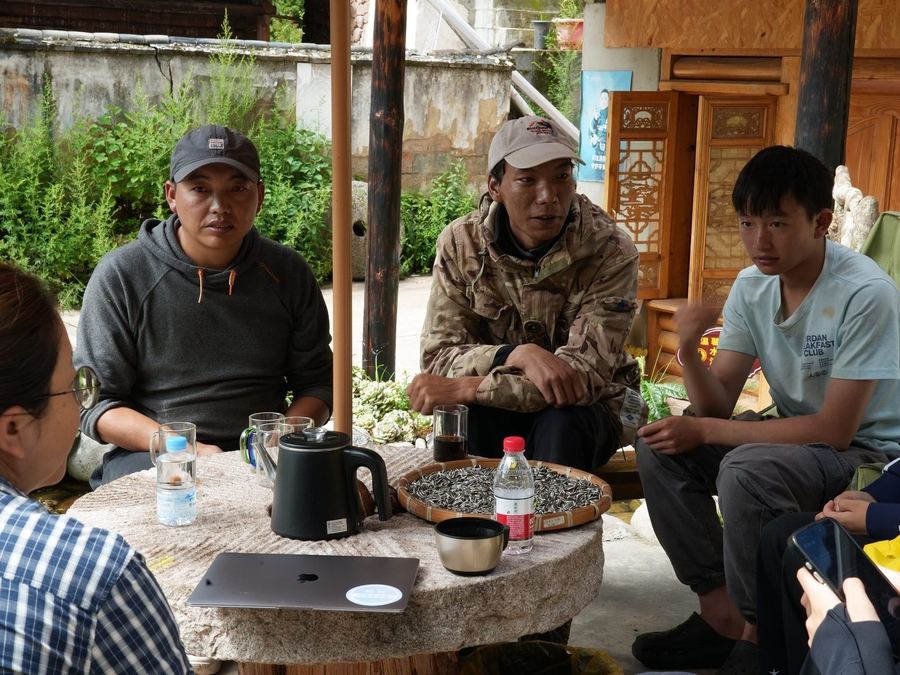
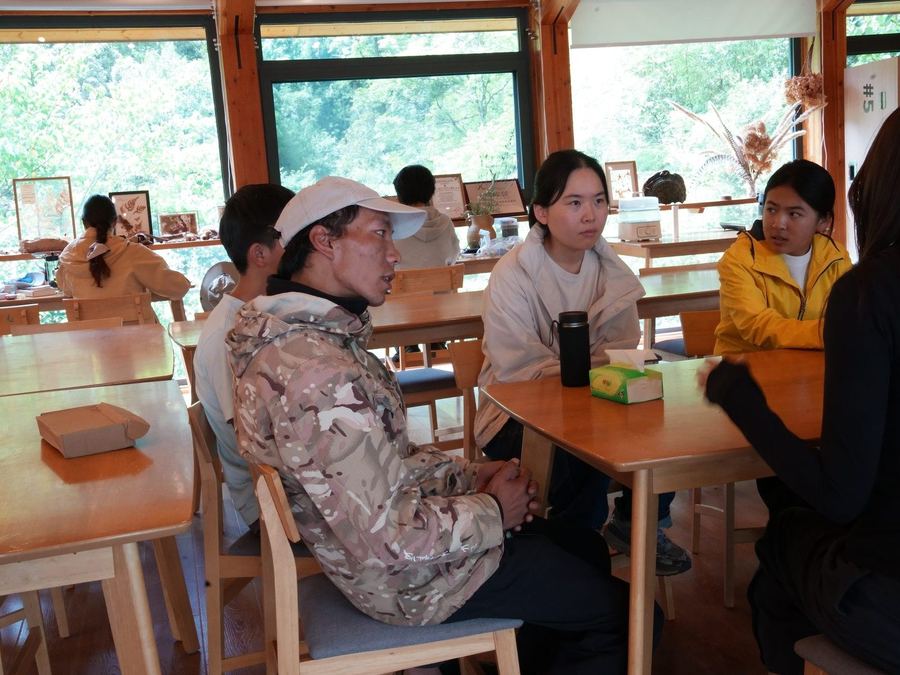
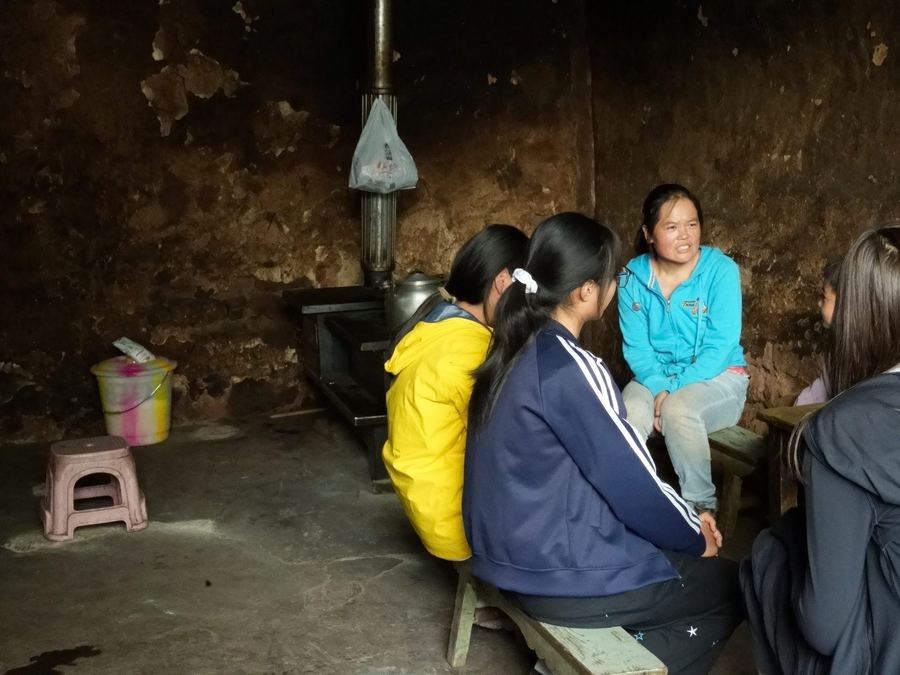
Our fieldwork focused on Sanchahe, a 49-household group within Liju Village, where we conducted 15 interviews with people who experience the mountain from different positions, including herders, medicinal-plant growers, guesthouse owners, bird guides, conservation practitioners, elders, young people, and children.
Rather than presenting a single “community perspective,” these voices reveal how the same mountain can be habitat, livelihood, workplace, home, and protected space. Together, they connect ecological change to income, migration, care, knowledge, tourism, and labor.
Hover a portrait to read what that person said, then open the interview. On a phone, tap once to read and again to open. Positions are approximate.
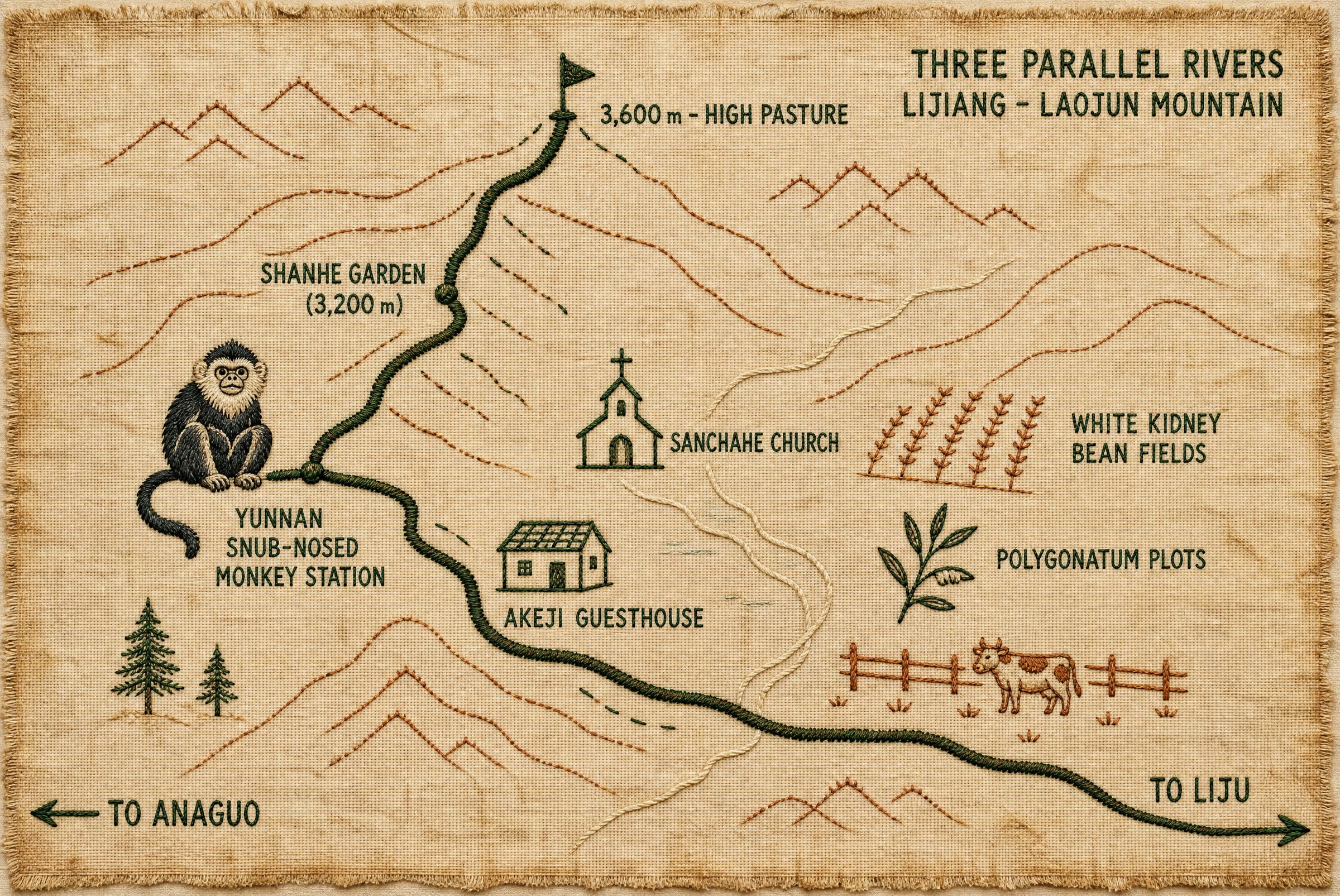
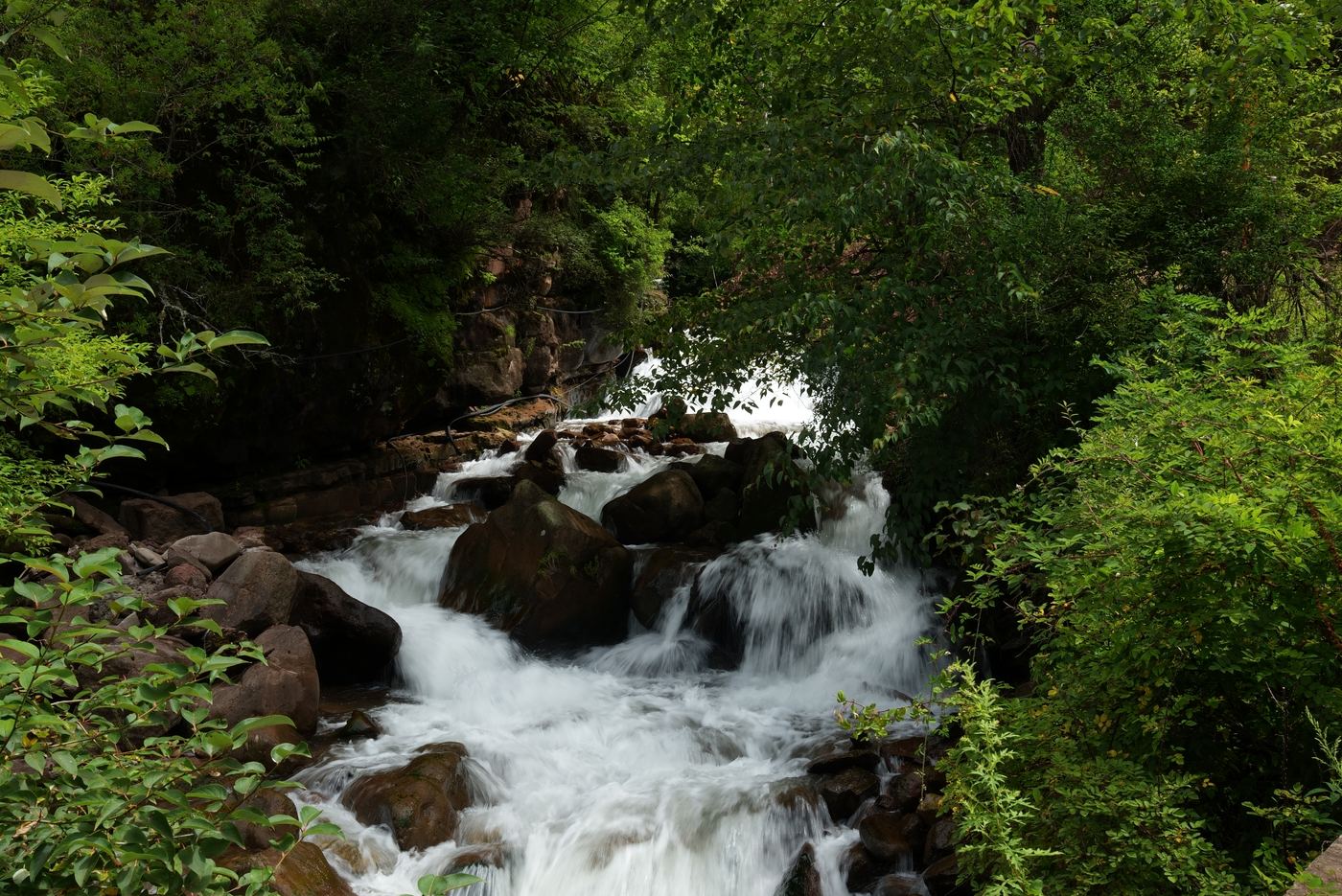
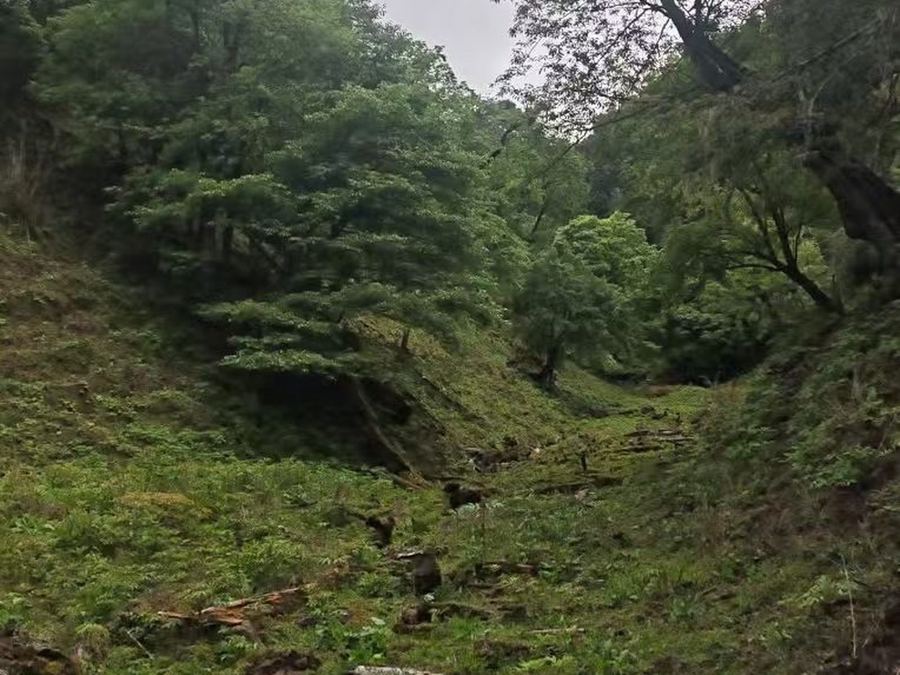
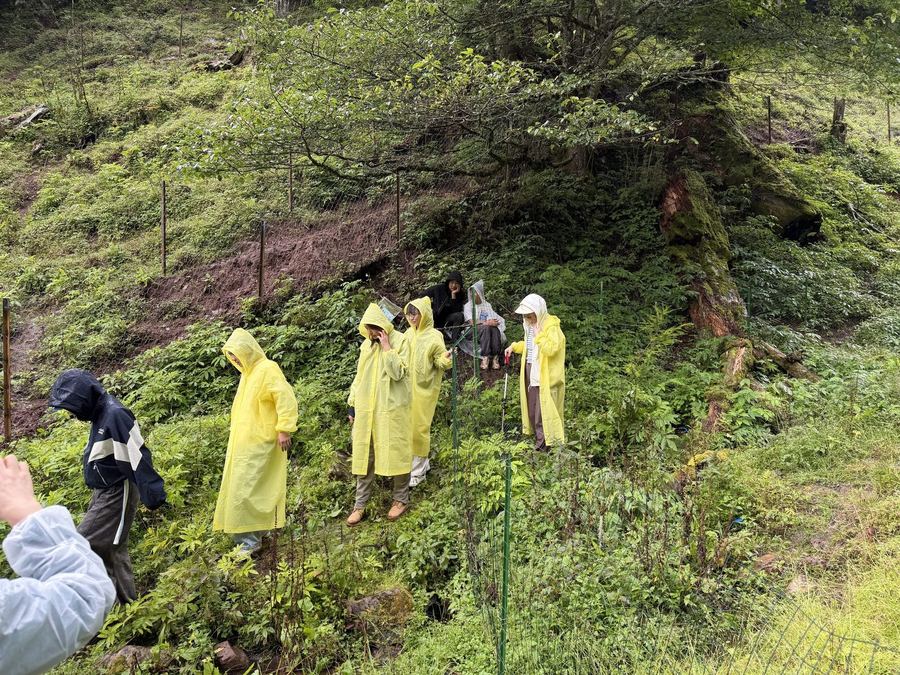
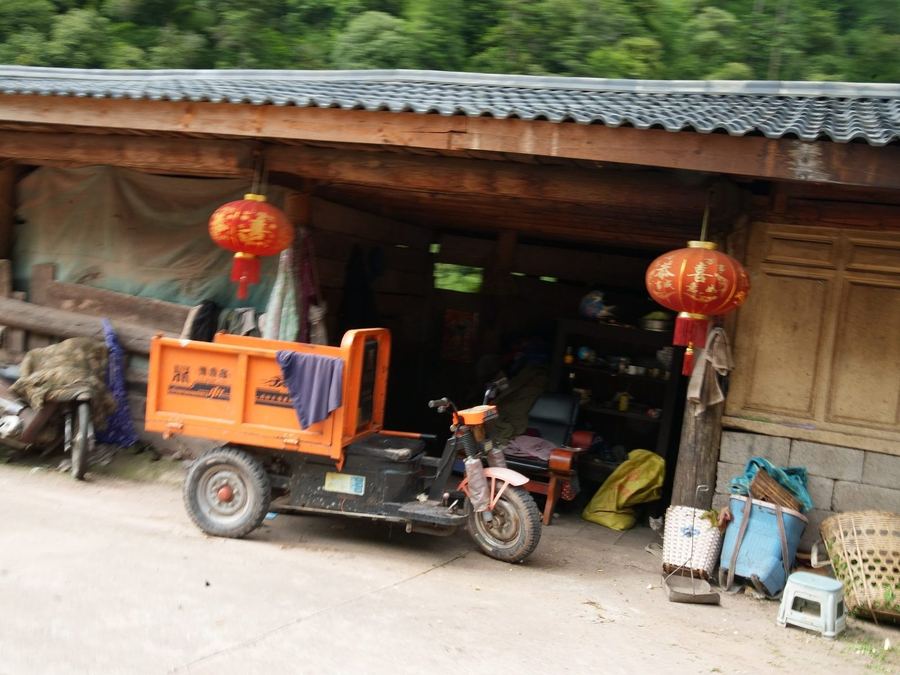
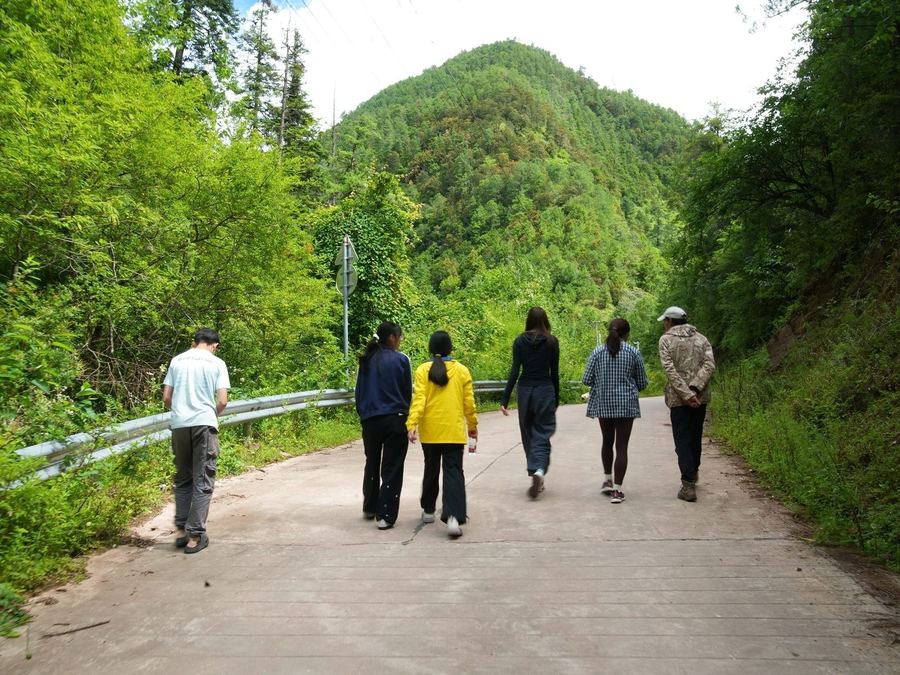
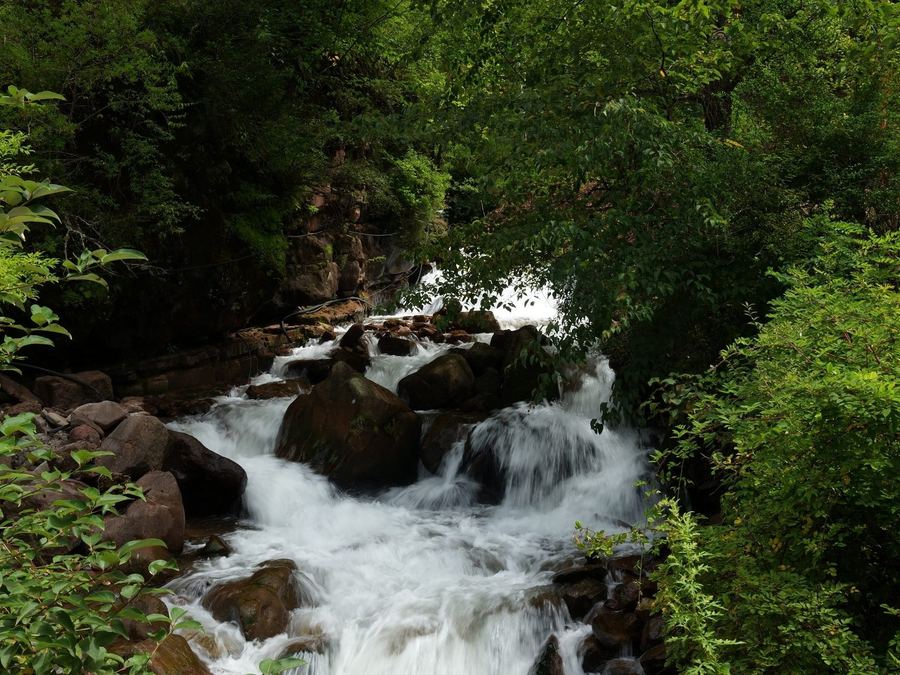
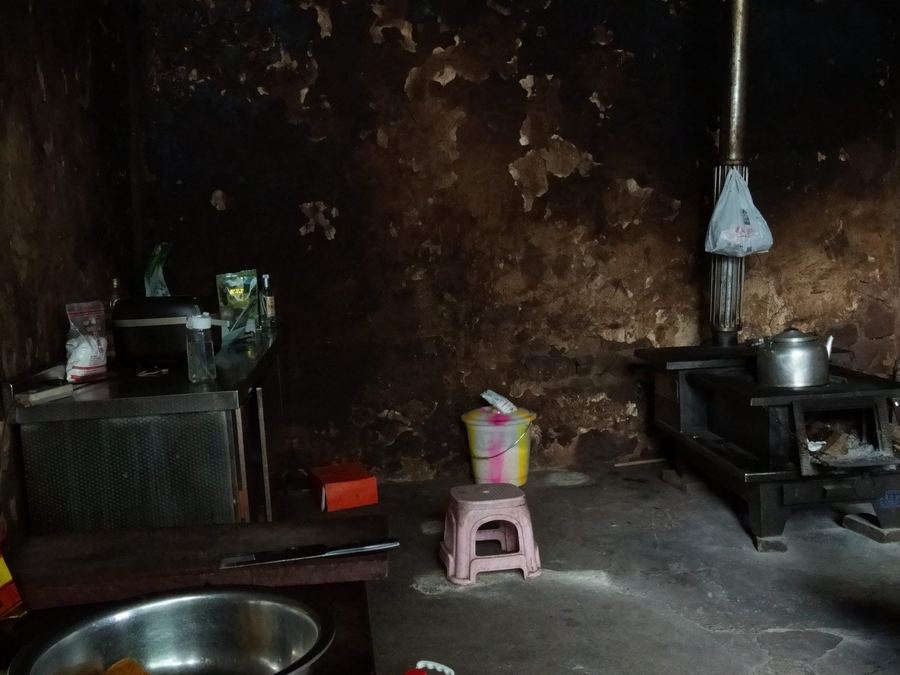
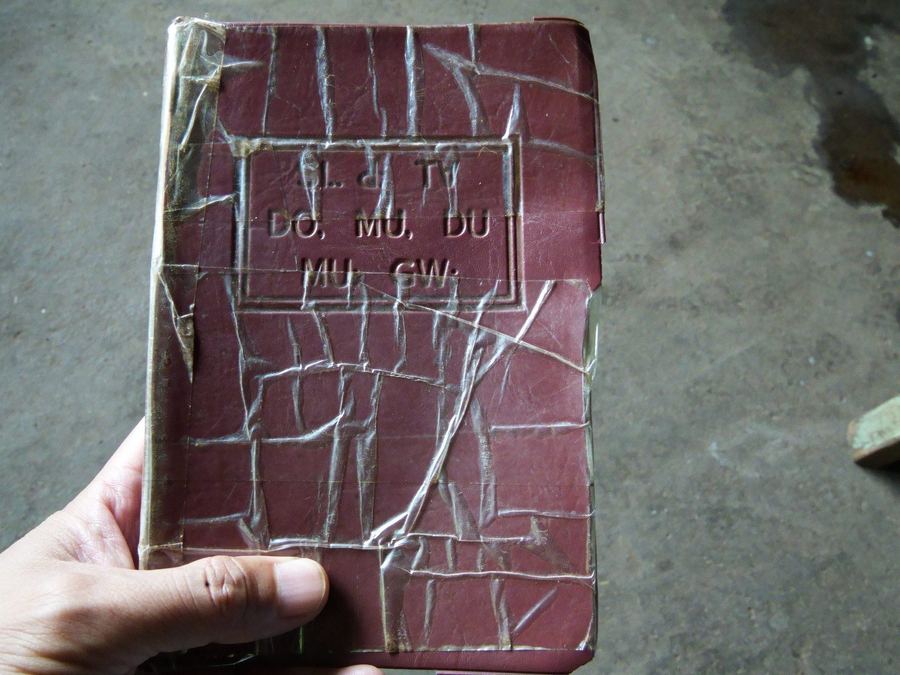
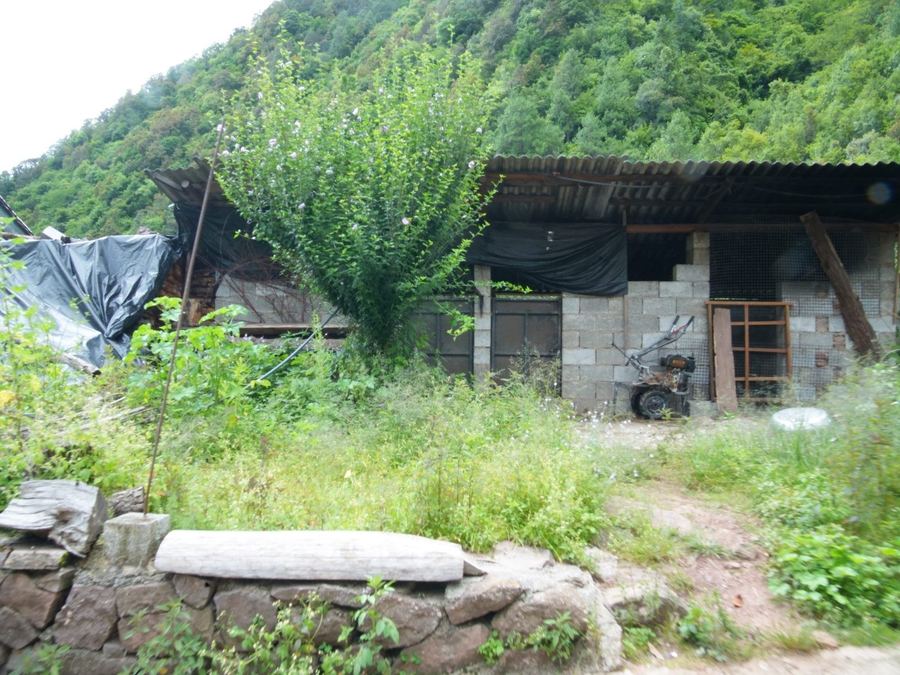
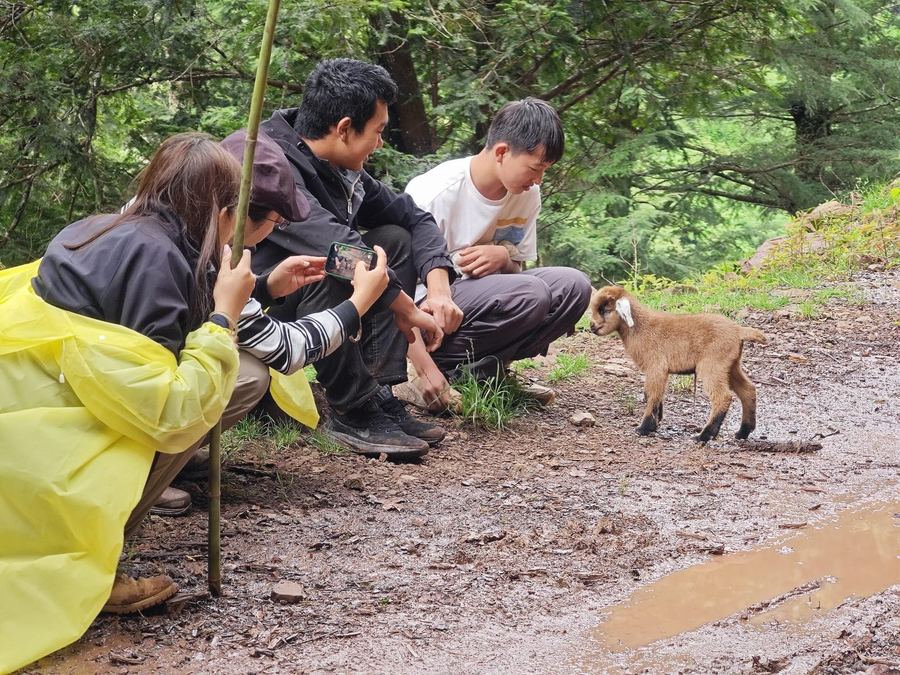
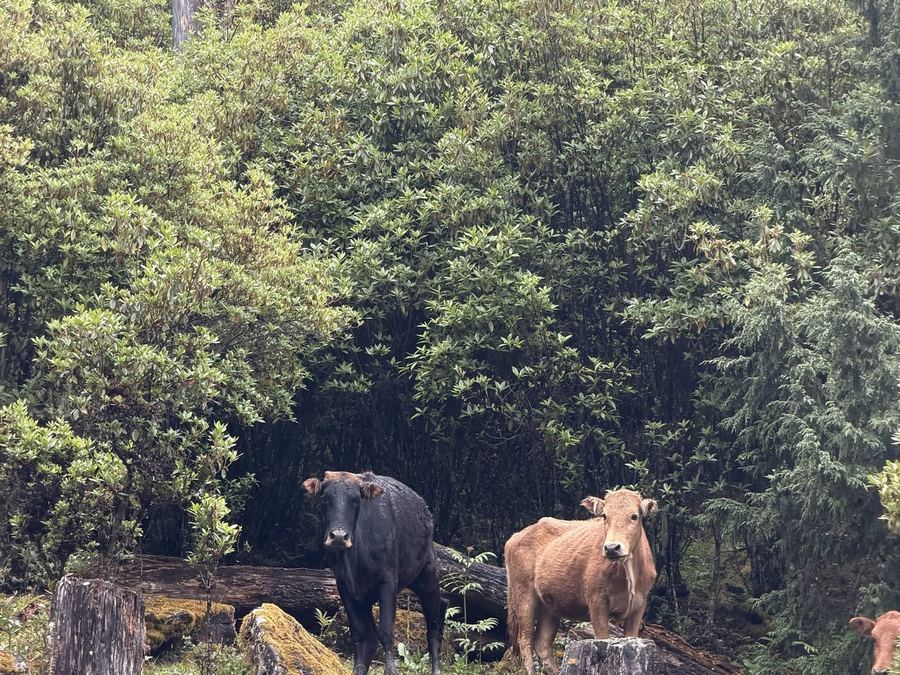
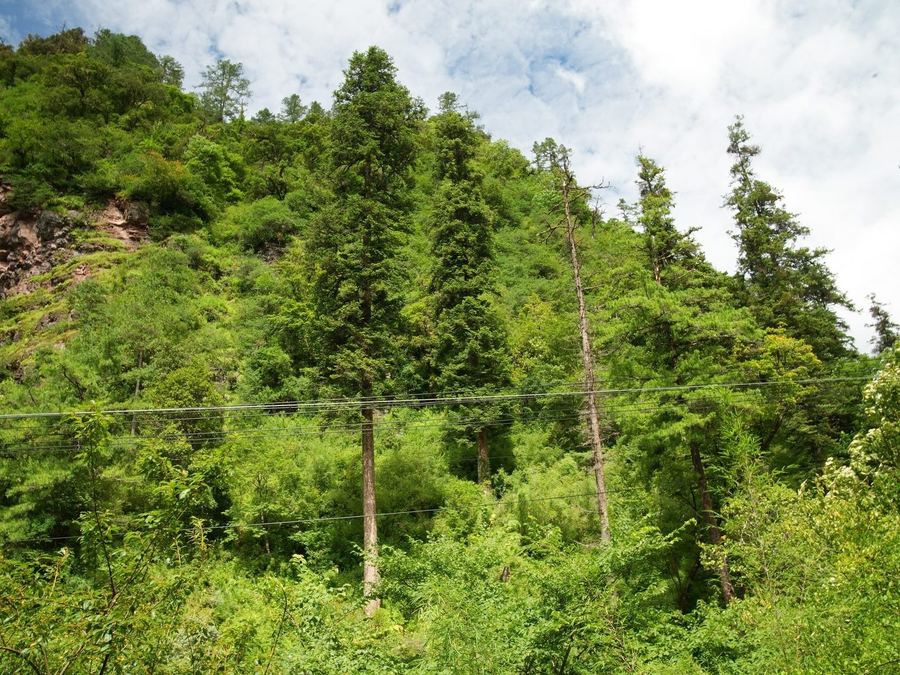
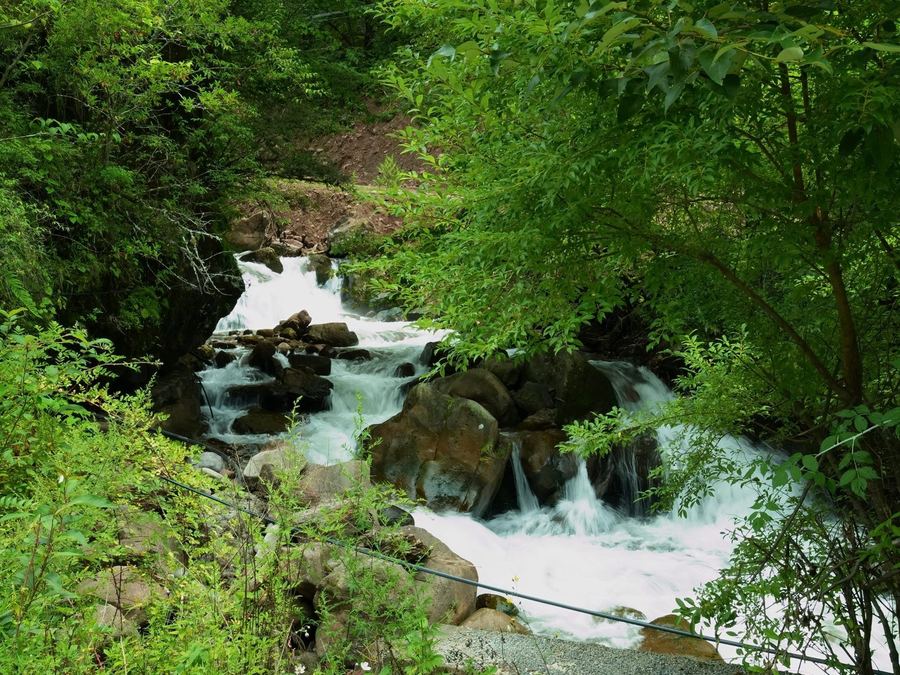
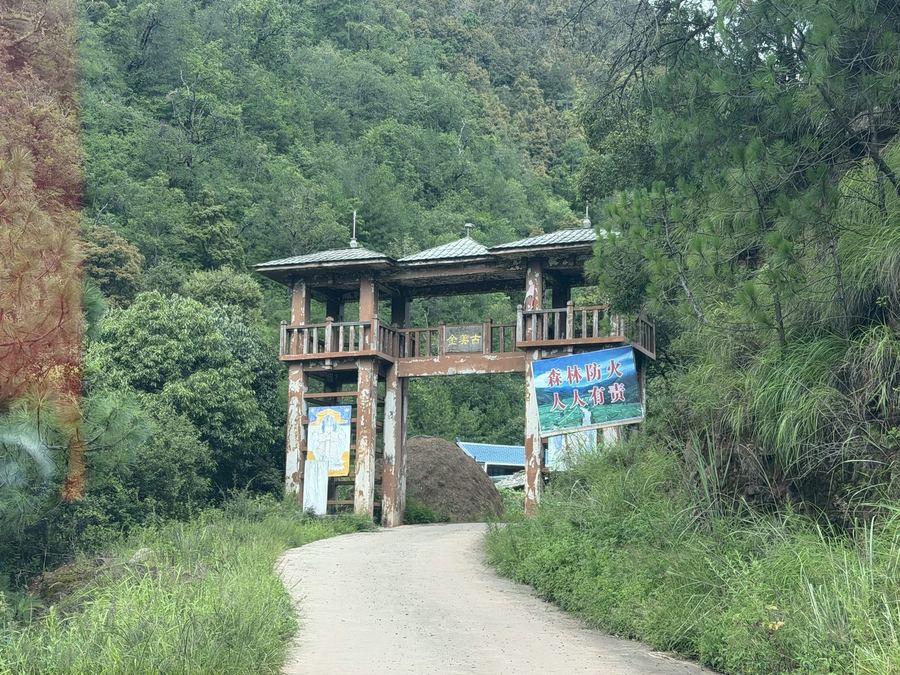
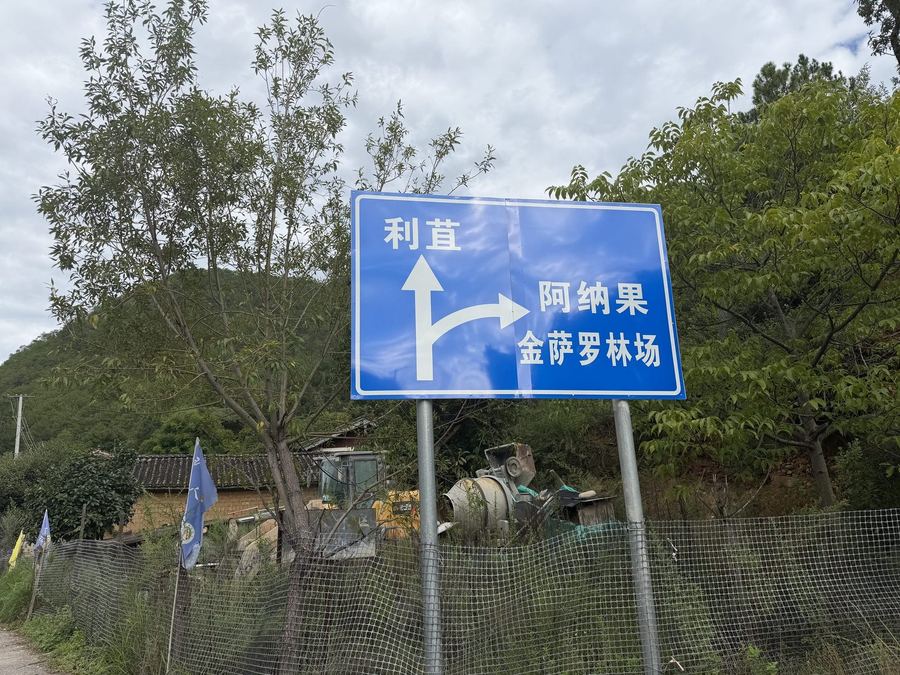
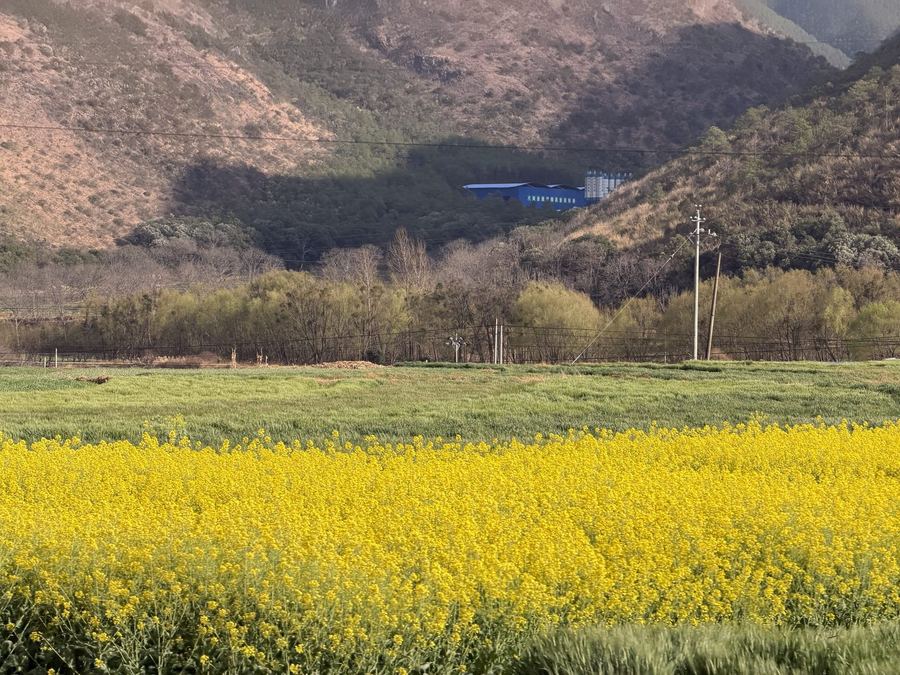
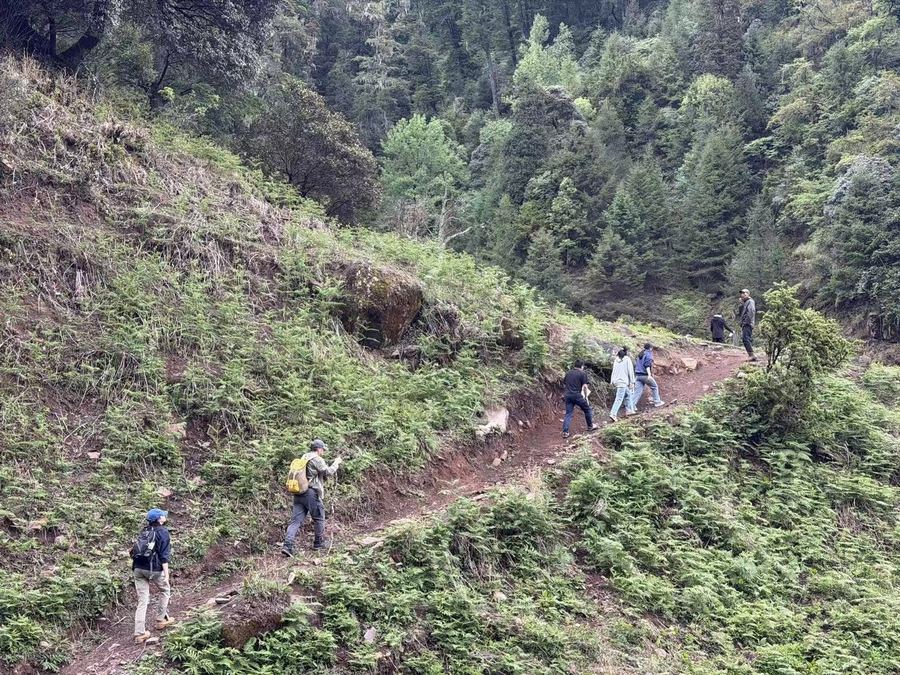
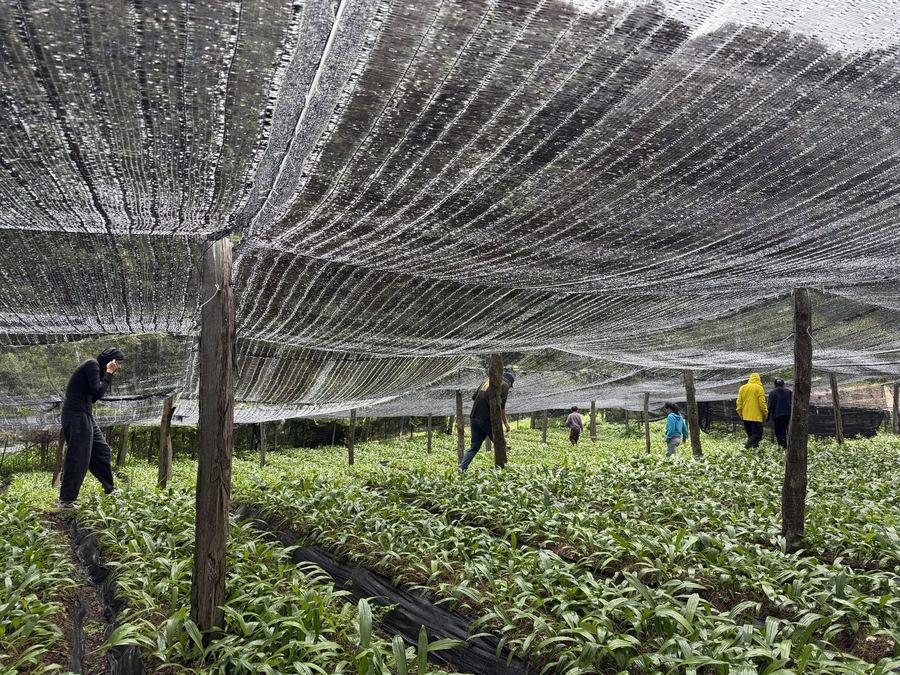
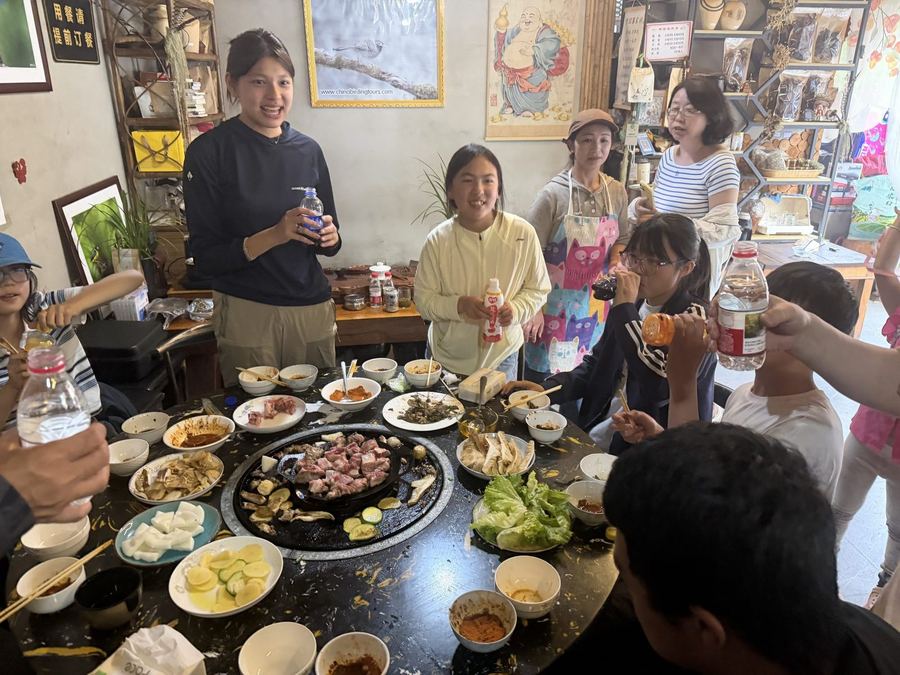
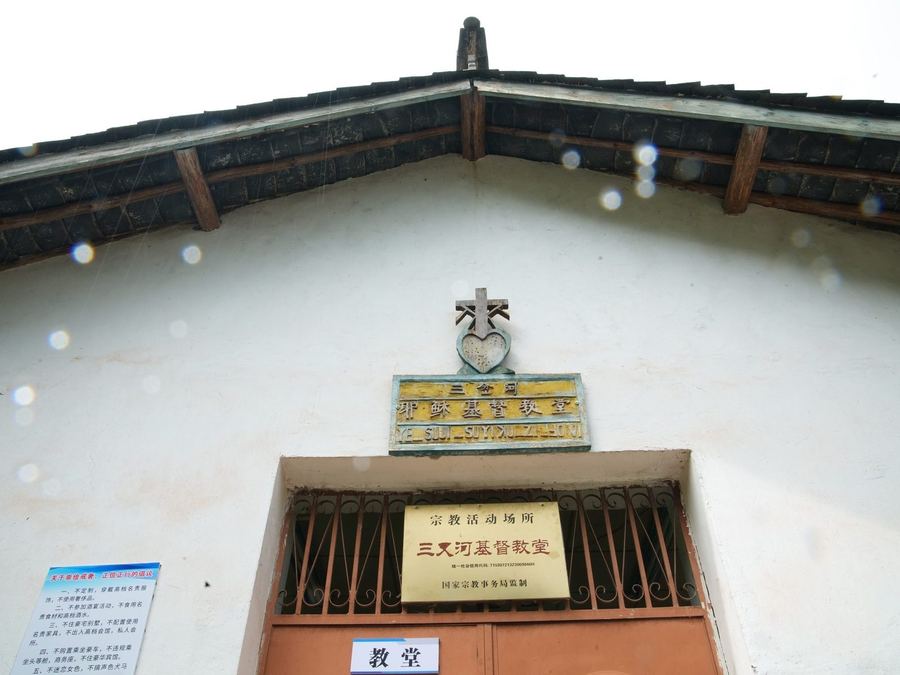
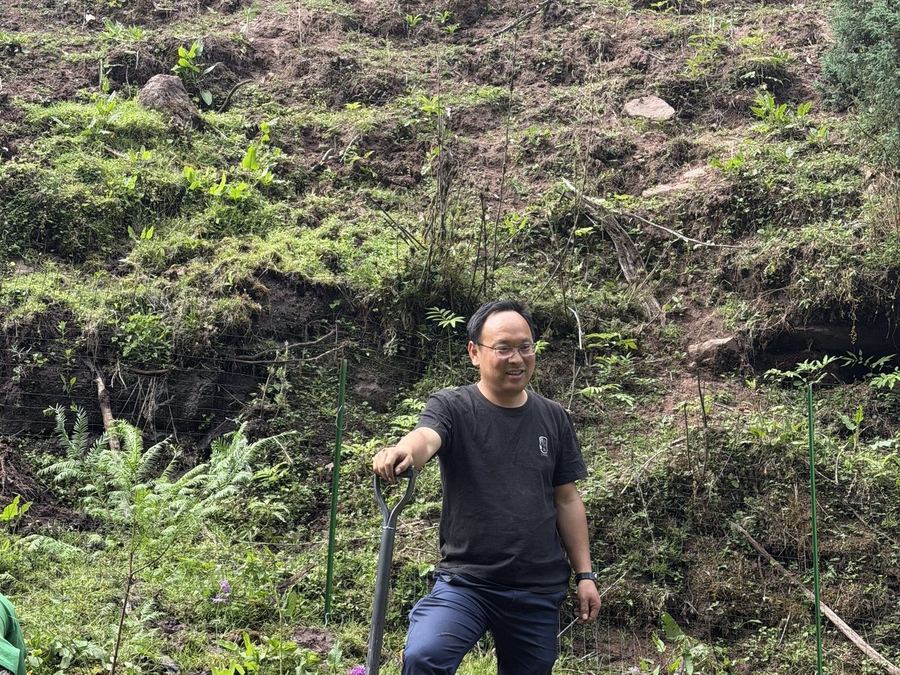
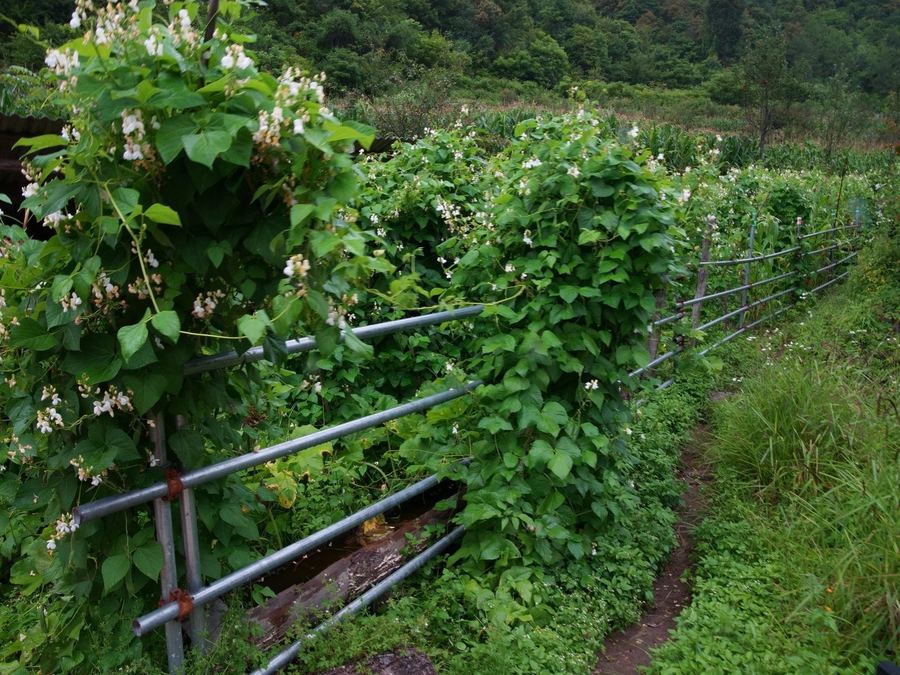
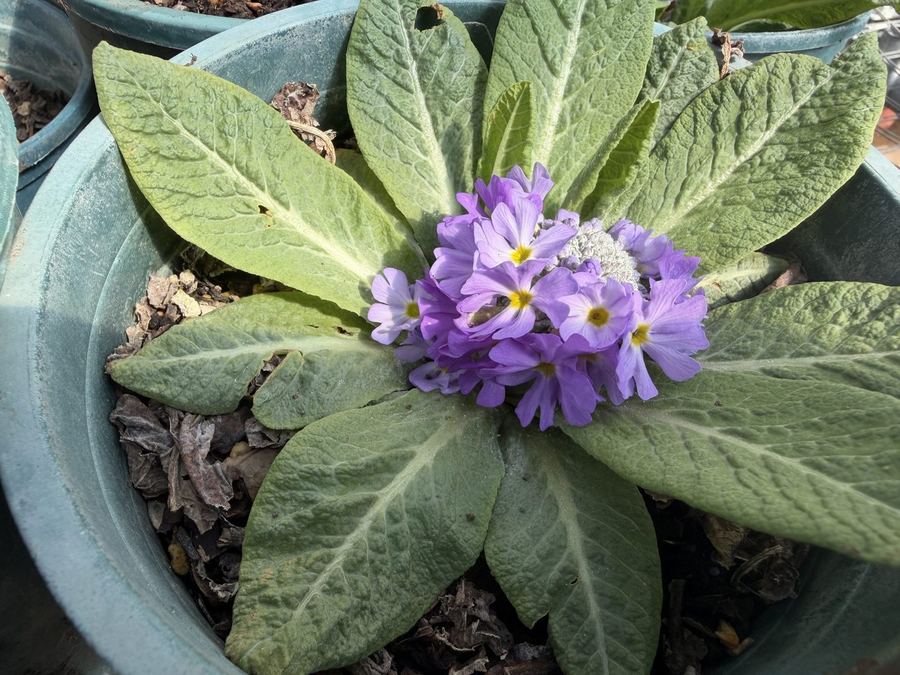
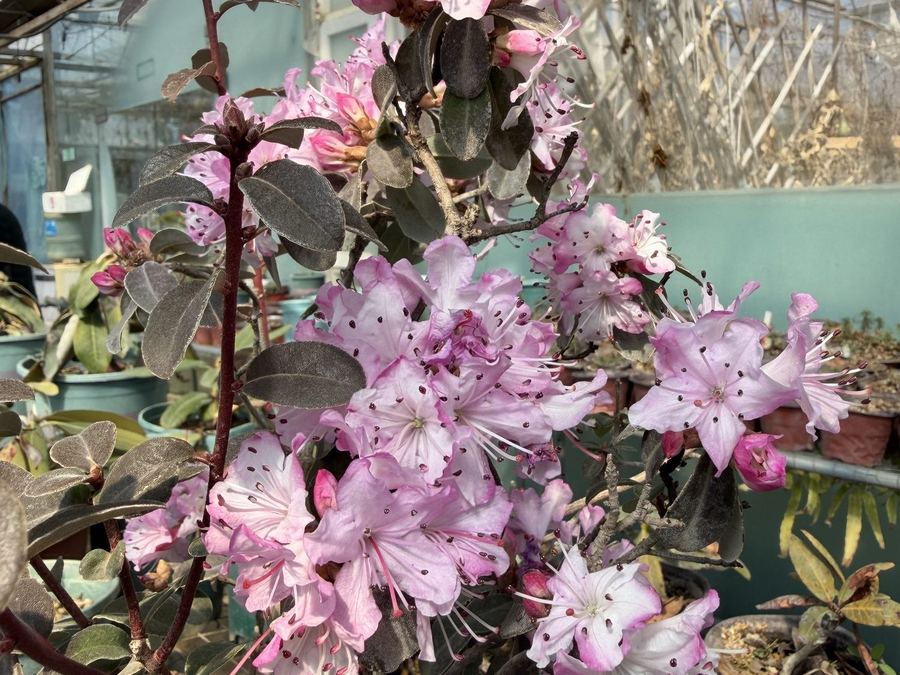
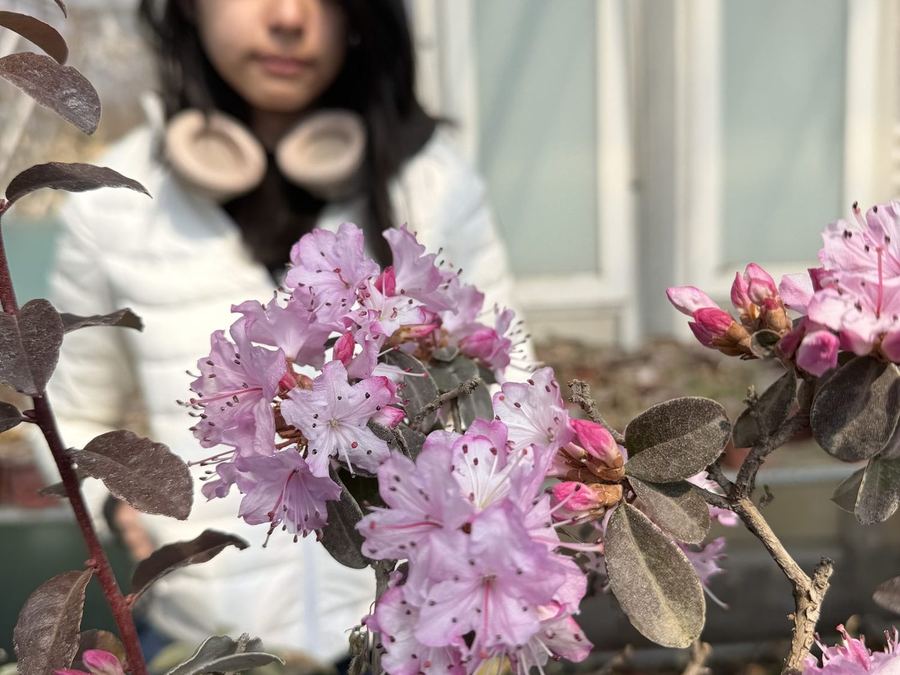
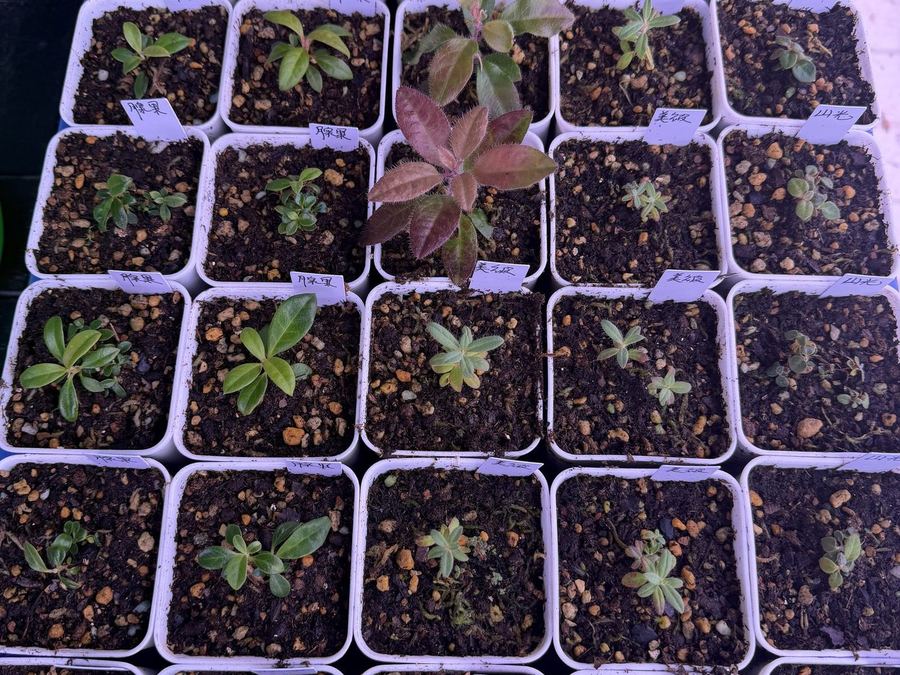
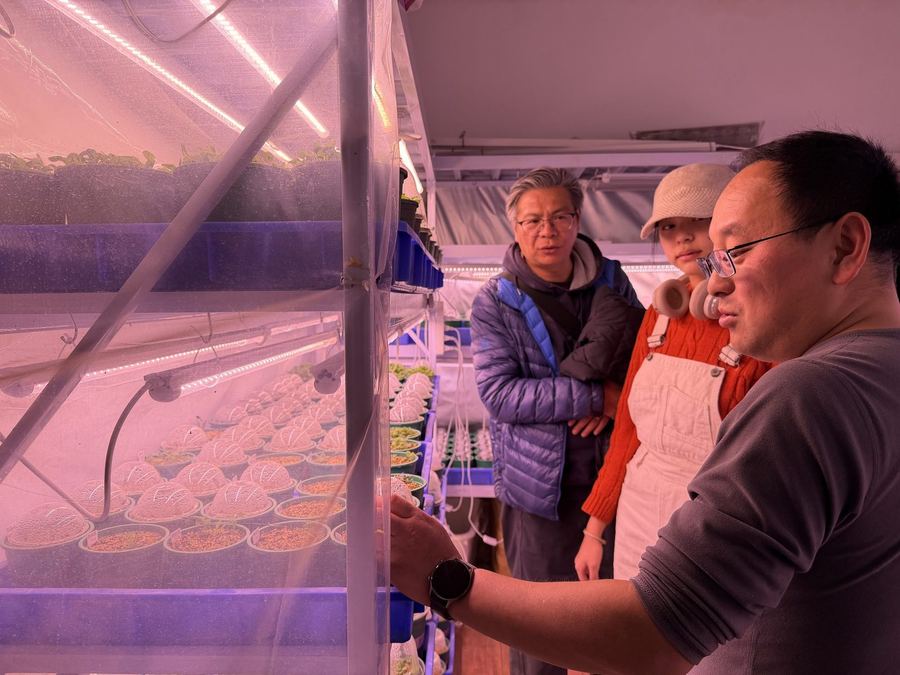
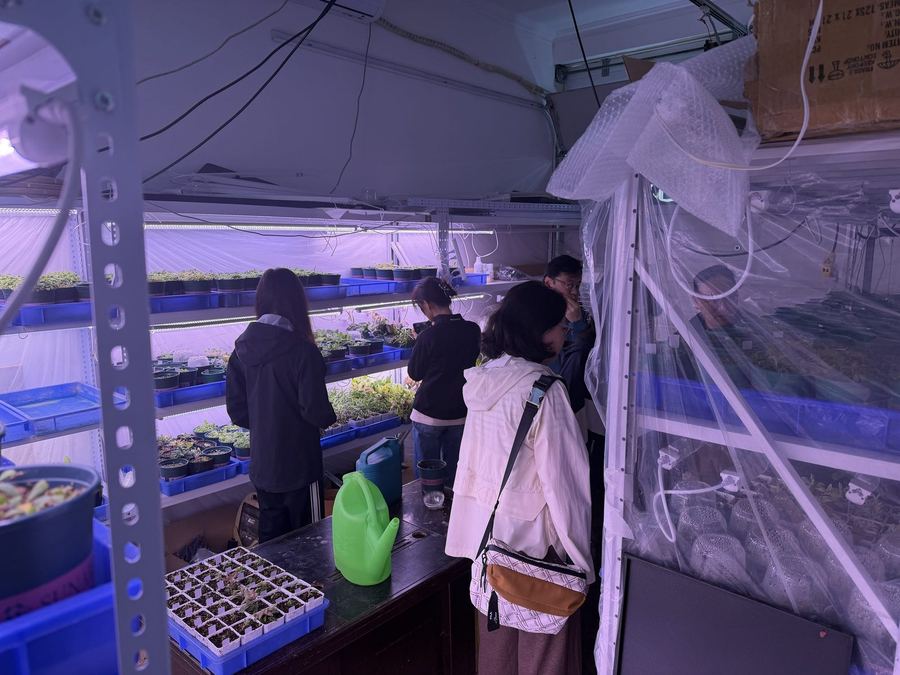
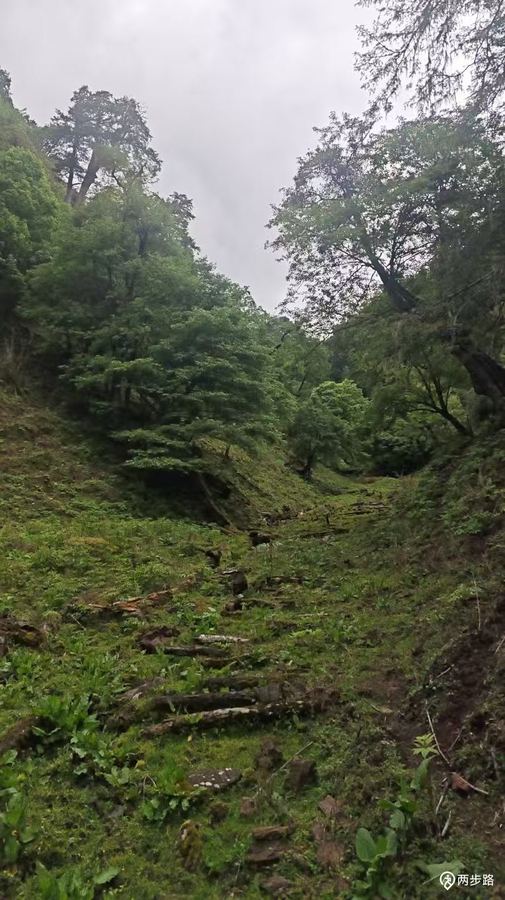
Photographs made around the same homes, fields, and paths where the conversations took place.

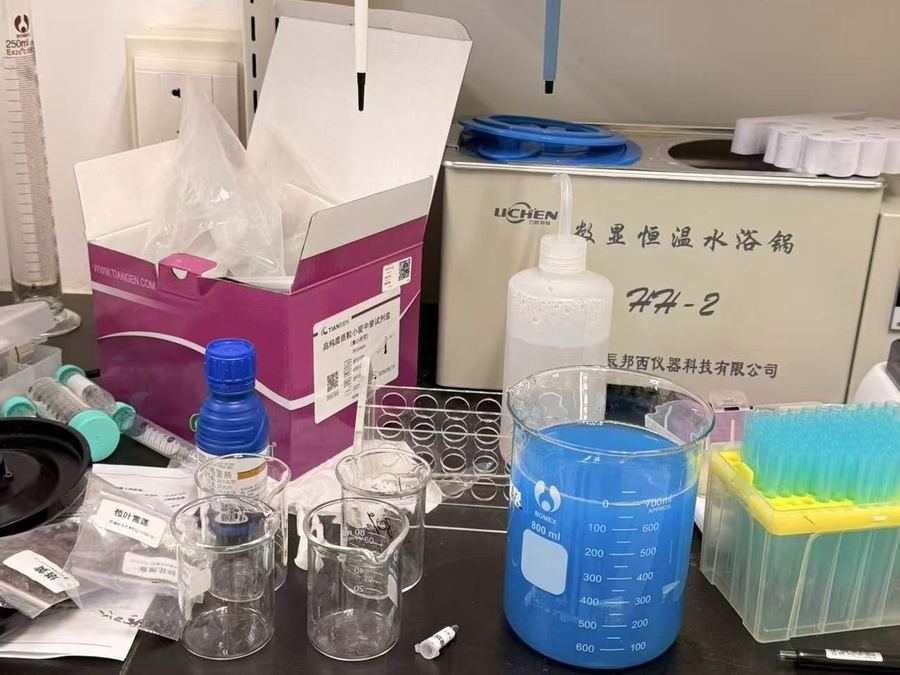
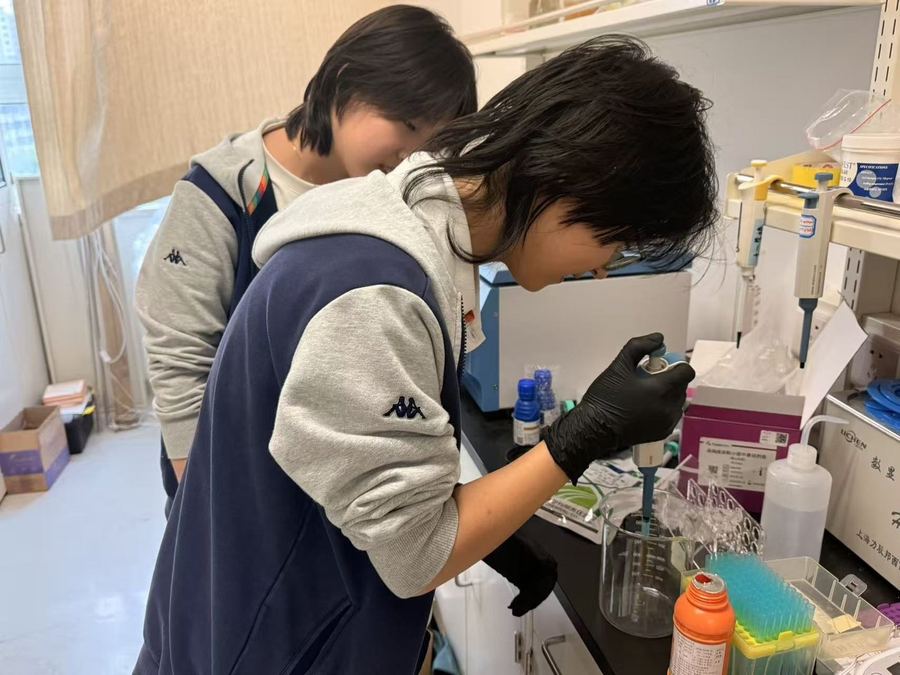

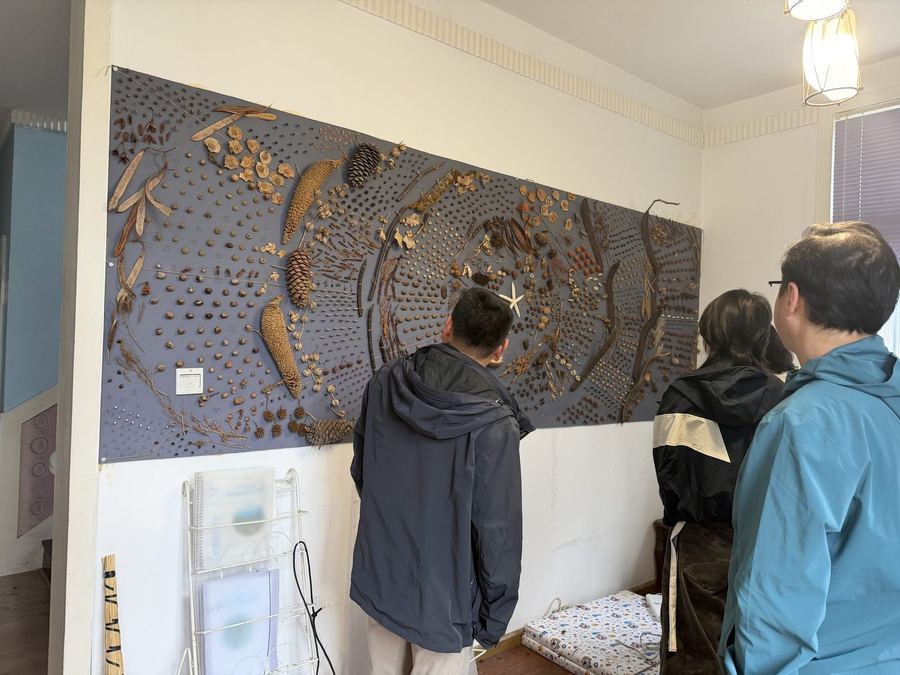
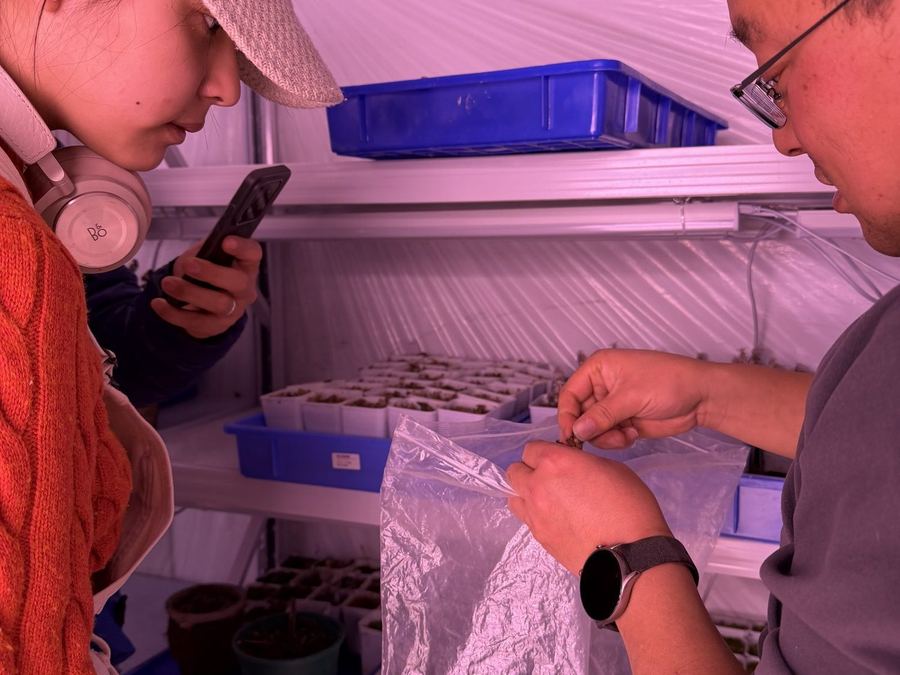
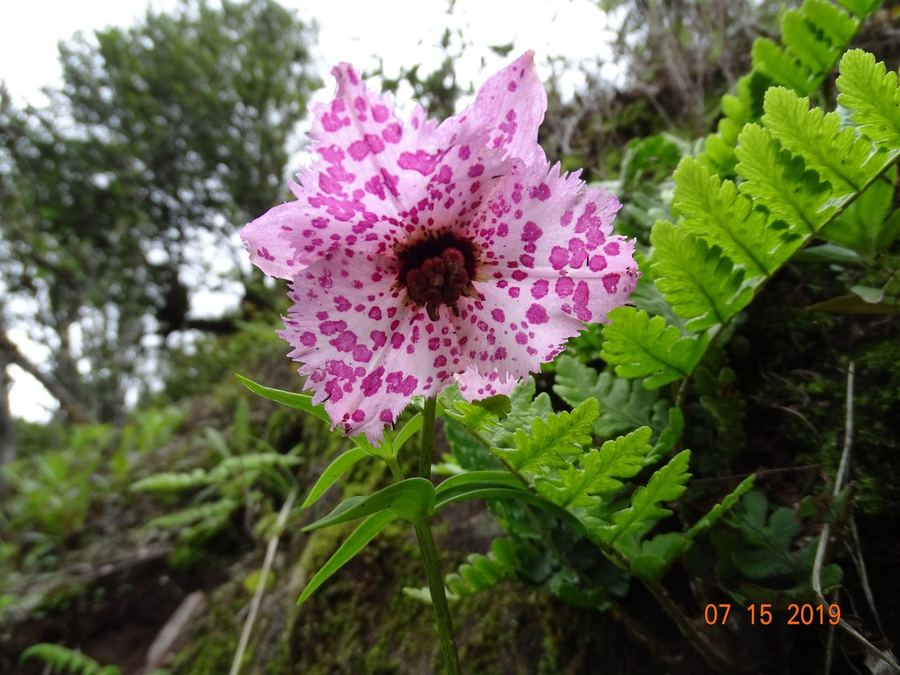
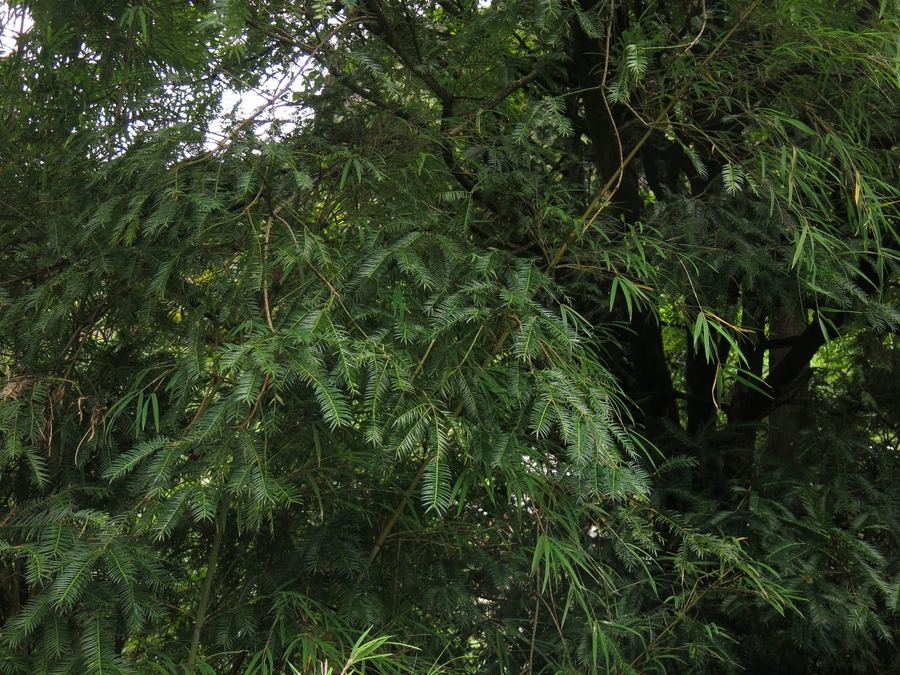
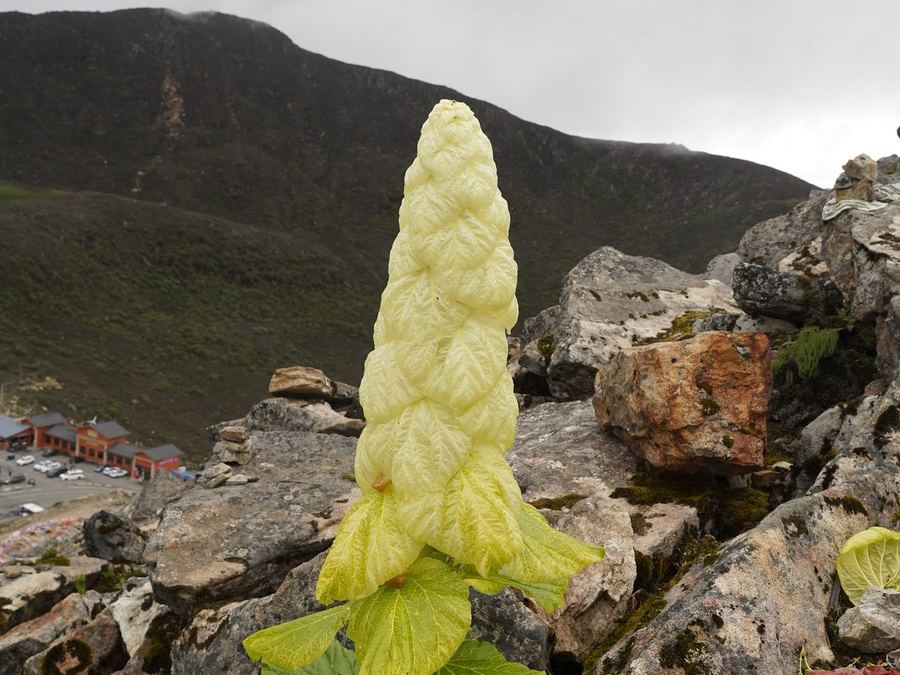
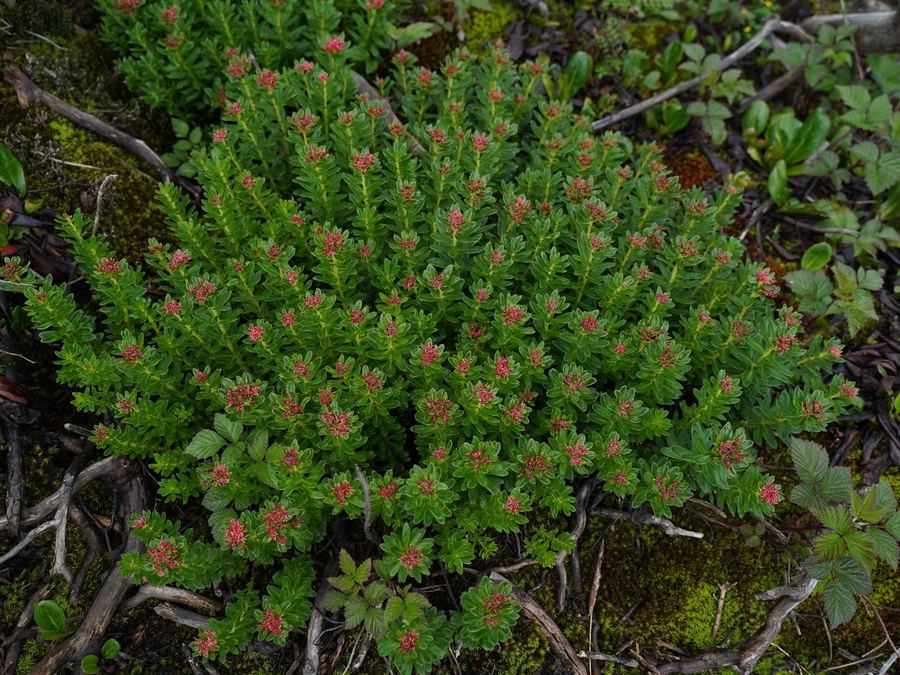
Connected across households, the conversations form the evidence behind the Plants, People & Justice Atlas, six arguments about livelihood, biodiversity, knowledge, value, labor, and power.