CONSERVATION / FIELD PRACTICE
Shanhe began with a practical conservation question: how can threatened alpine plants be propagated beyond their increasingly fragile habitats and returned to the mountains where they belong?
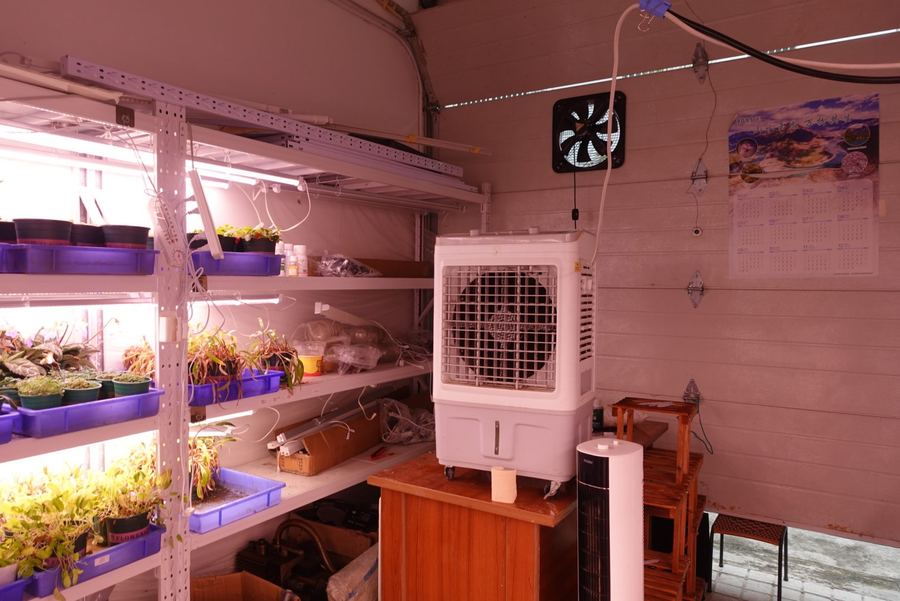
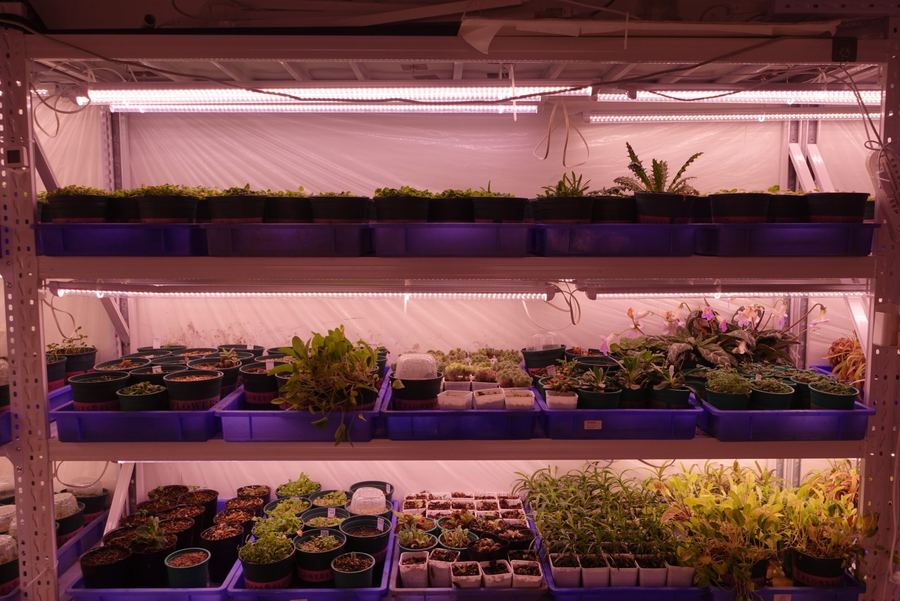
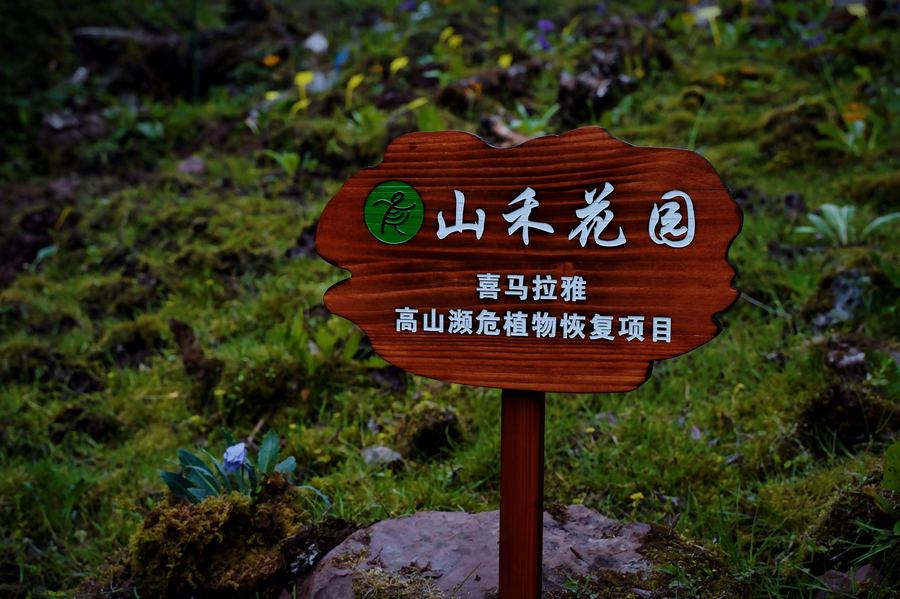
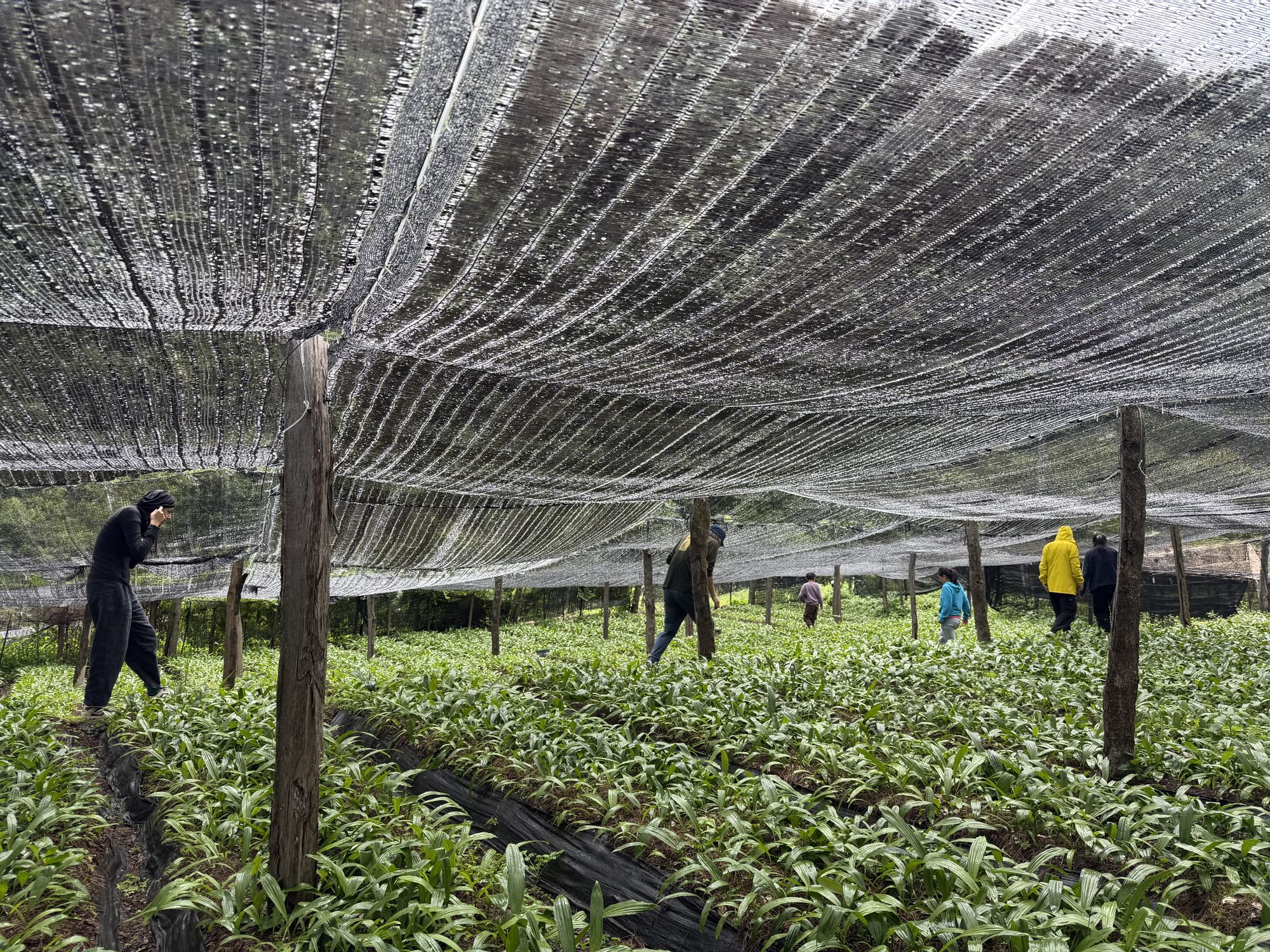
Working with local botanists, we collect and cultivate alpine species from northwestern Yunnan and surrounding high-elevation regions. Seeds move through controlled germination, nursery cultivation, and gradual acclimatization before selected plants enter a living alpine garden in Liju Village.
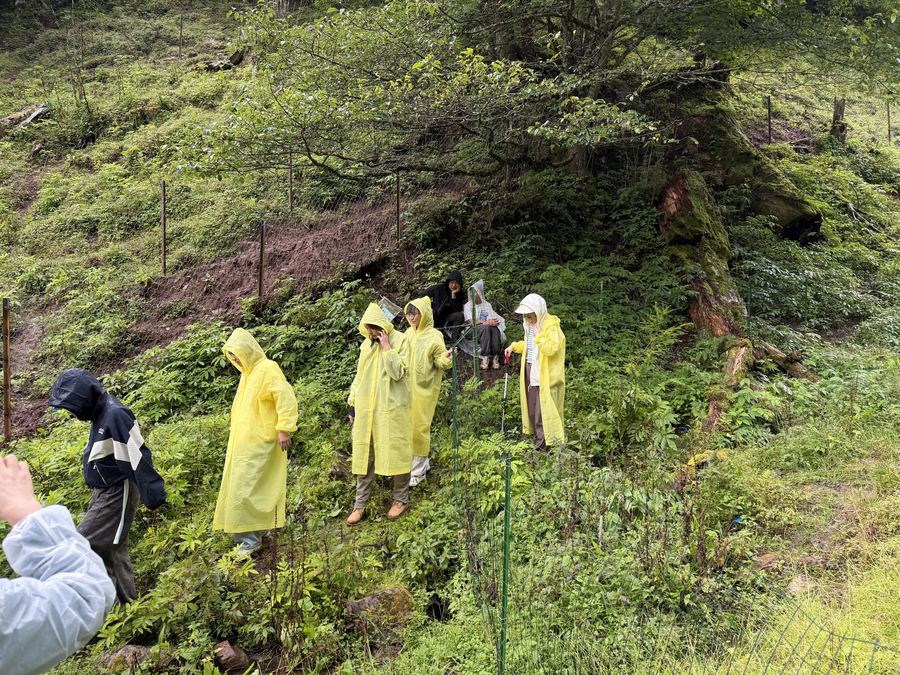
But returning a plant is not simply a botanical act. The mountain is also pasture, farmland, habitat, livelihood, memory, and home. For Shanhe, conservation therefore means learning how biological restoration can exist within a landscape already shaped by human lives.
Conservation does not return plants to an empty mountain.
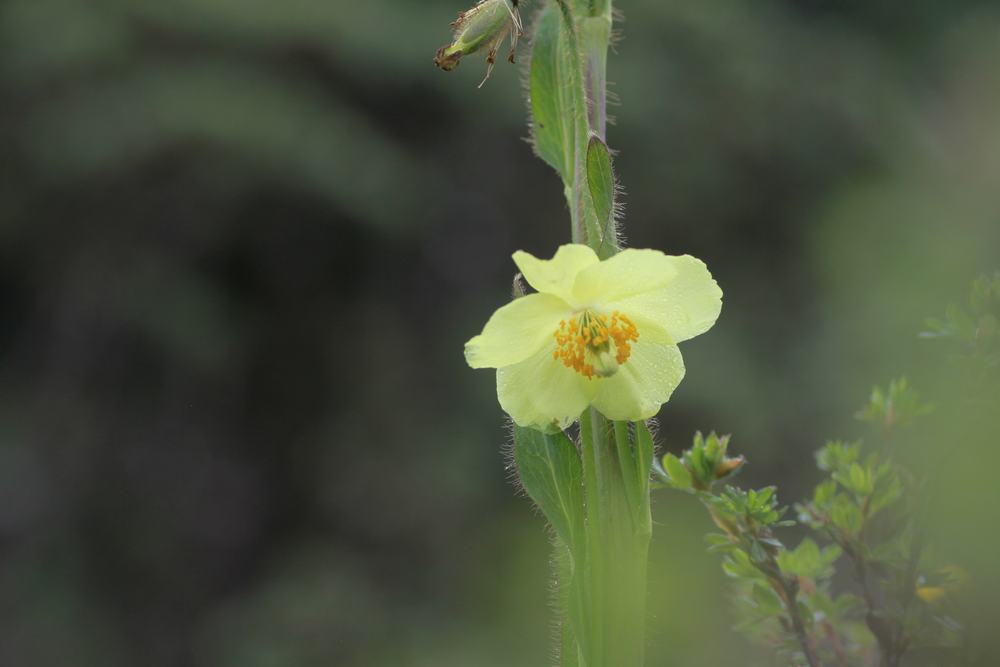
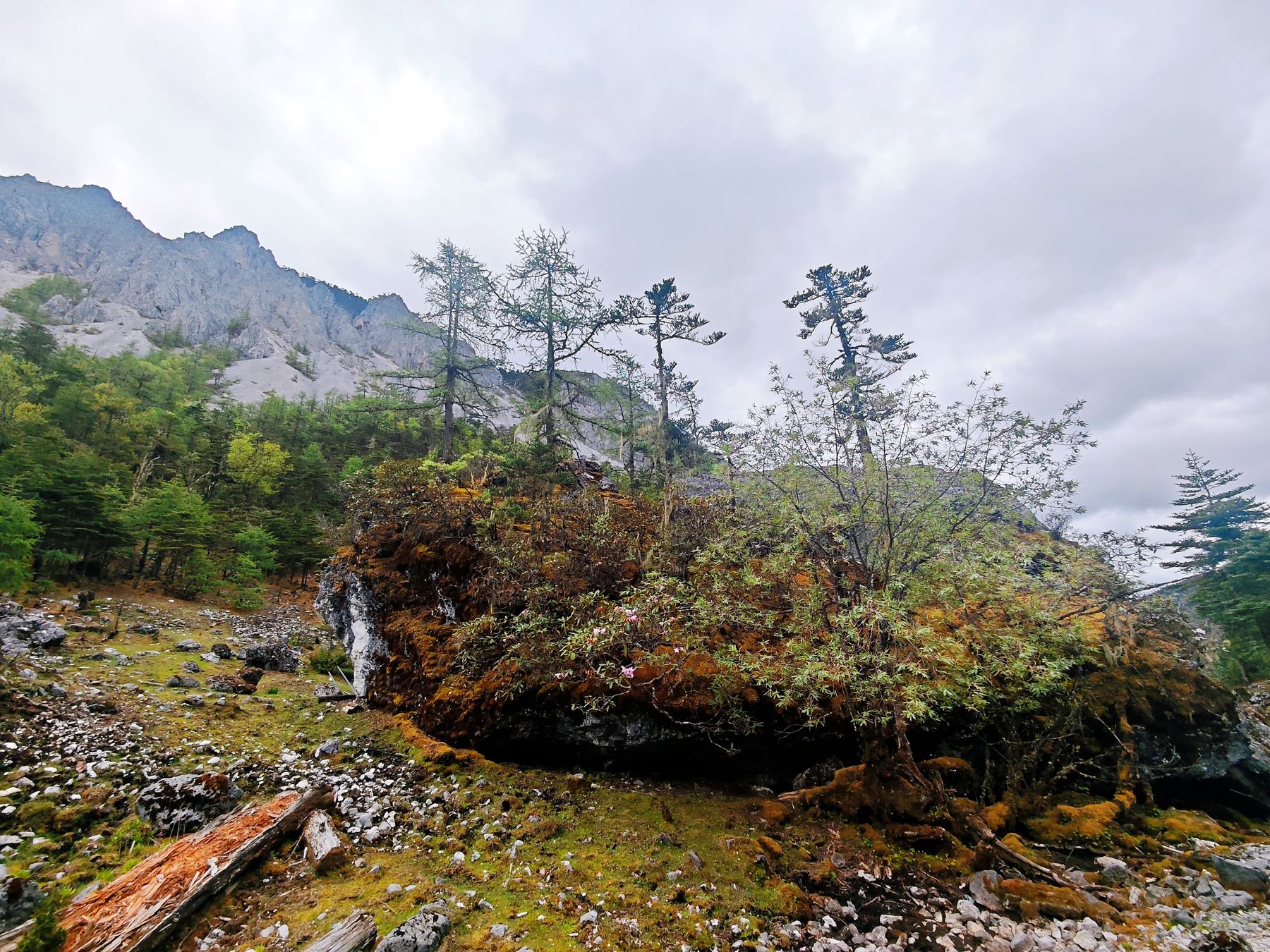
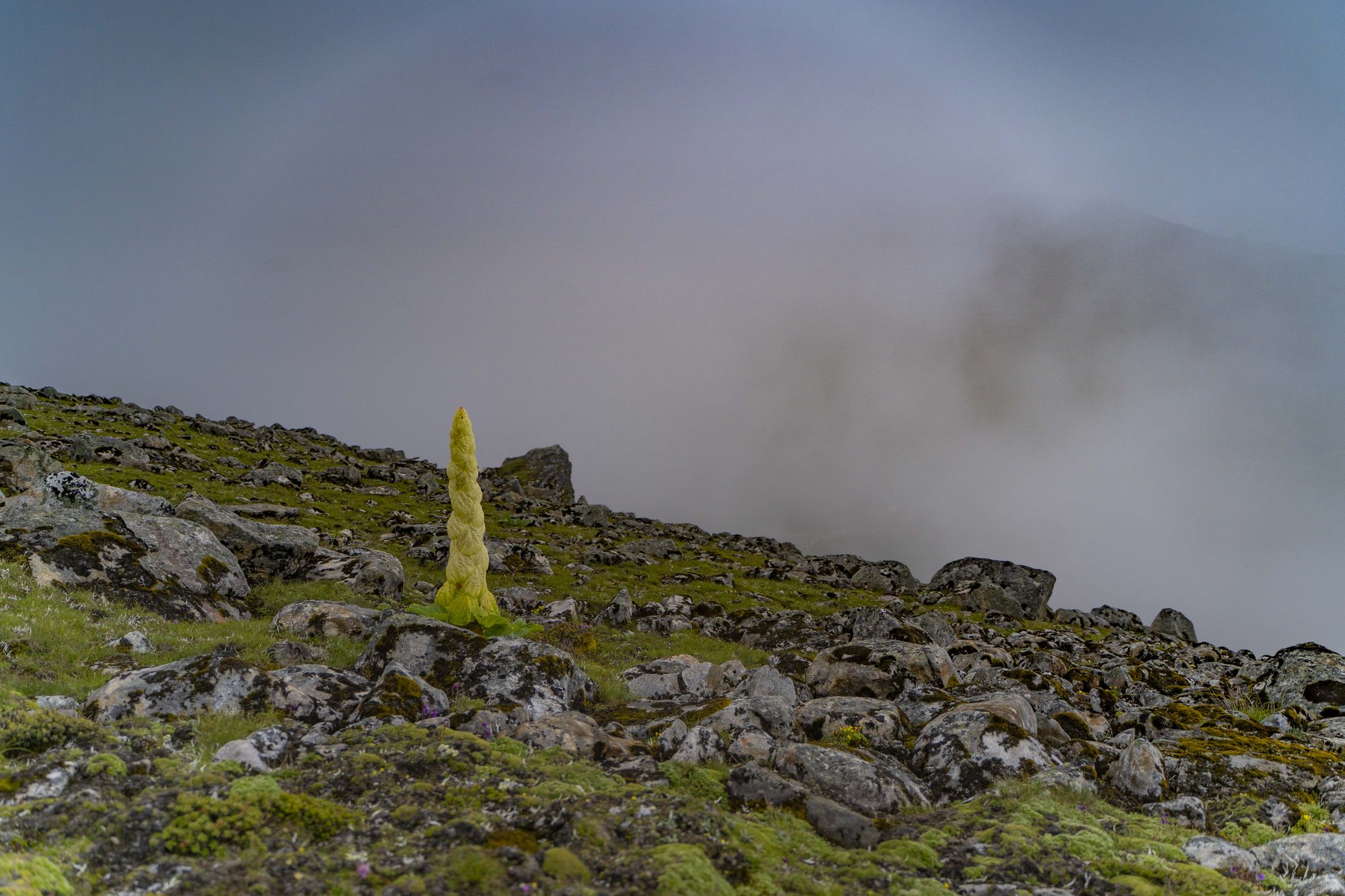
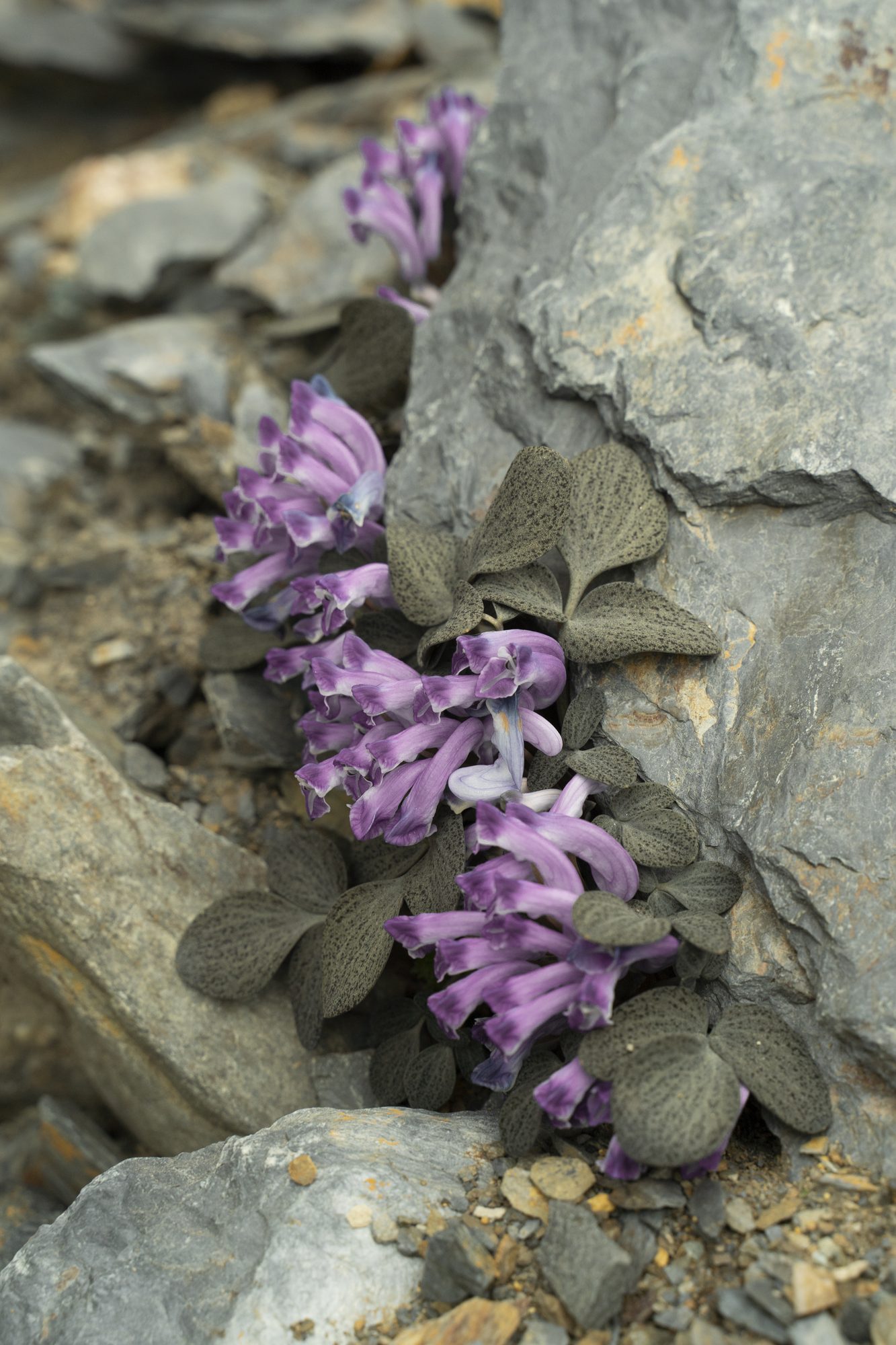
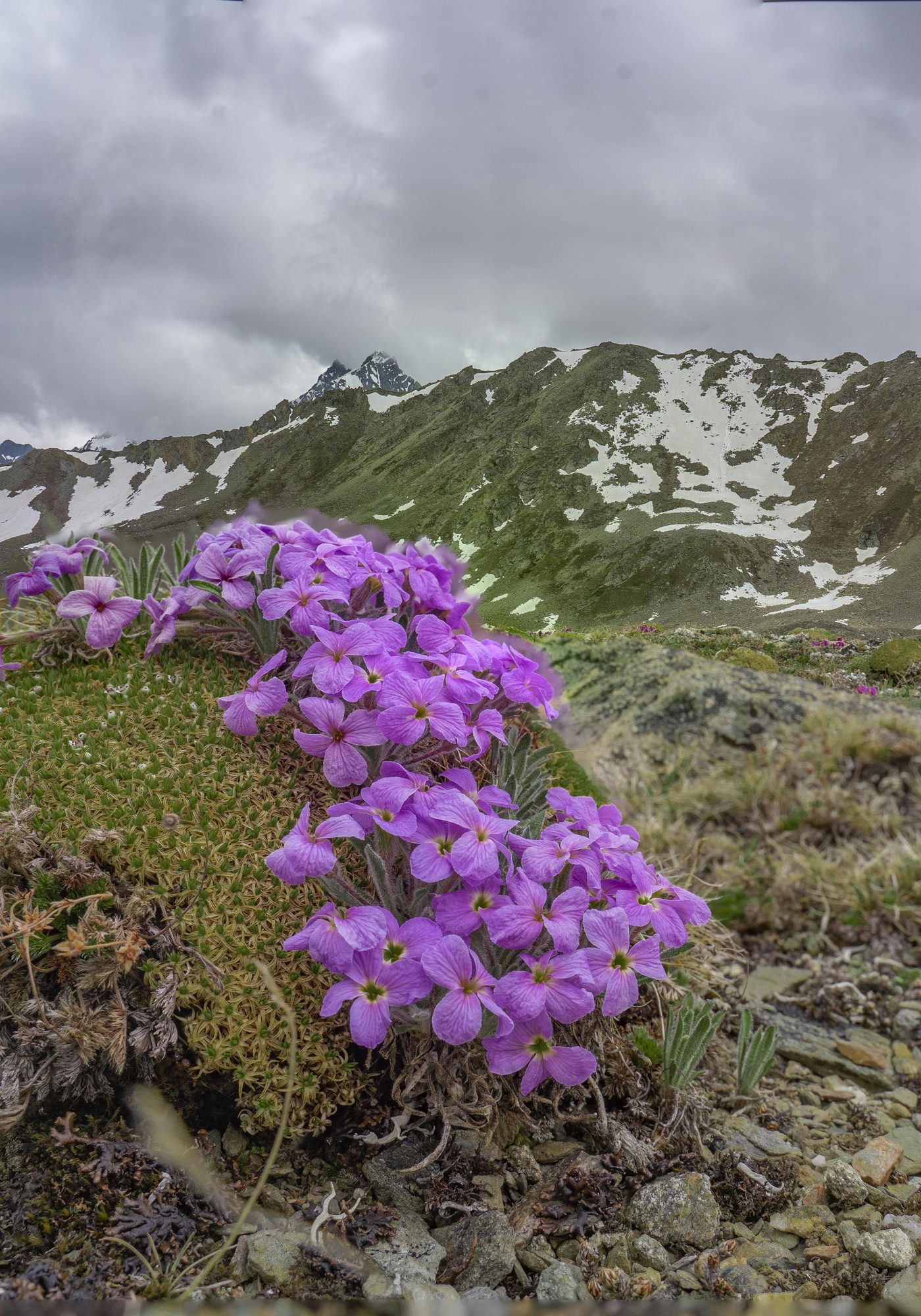
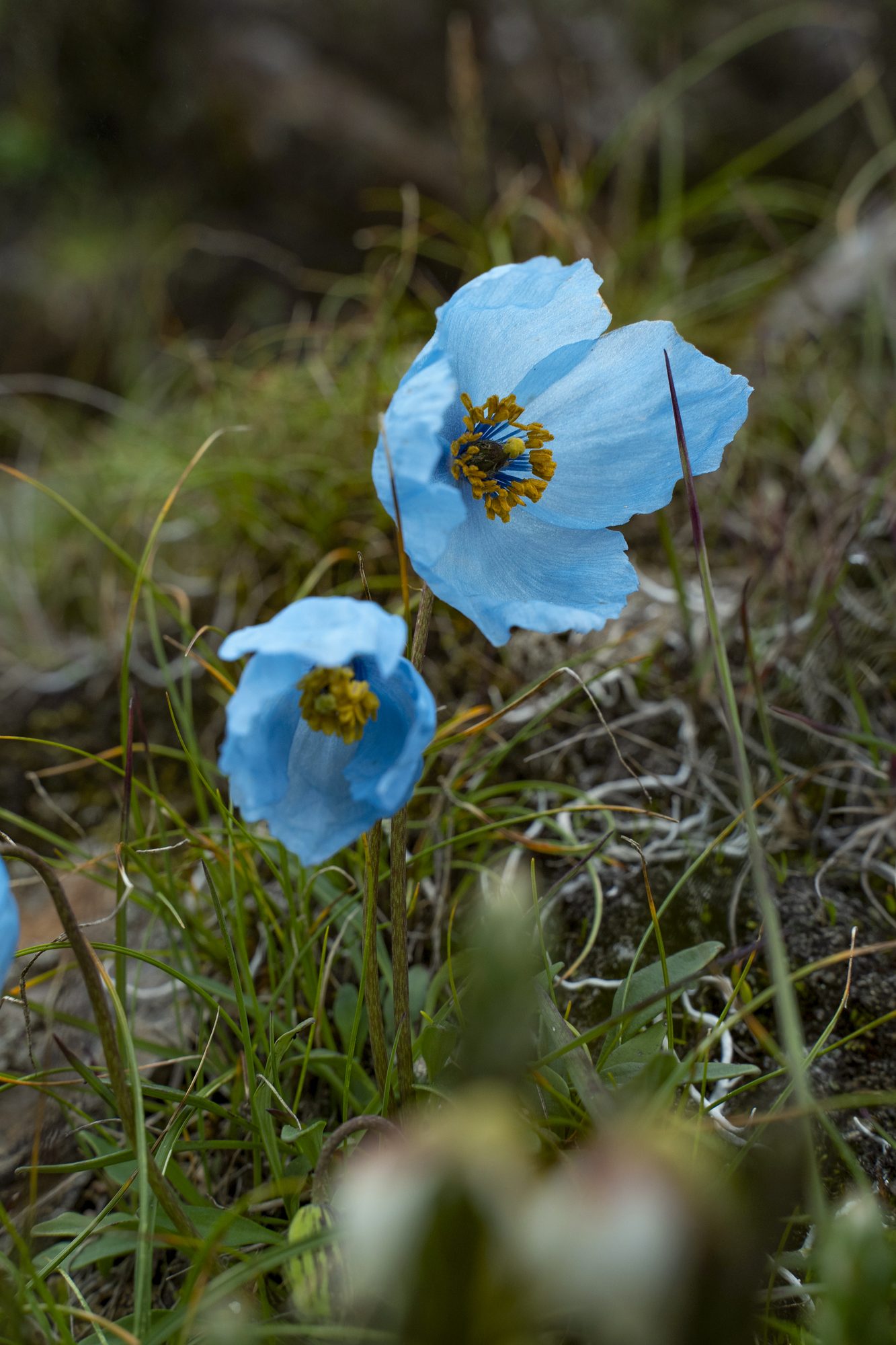
The Hengduan Mountains are a global center of alpine plant diversity, where many species depend on narrow ecological and seasonal conditions for survival and reproduction.
“Some seeds must experience winter before they can germinate.”
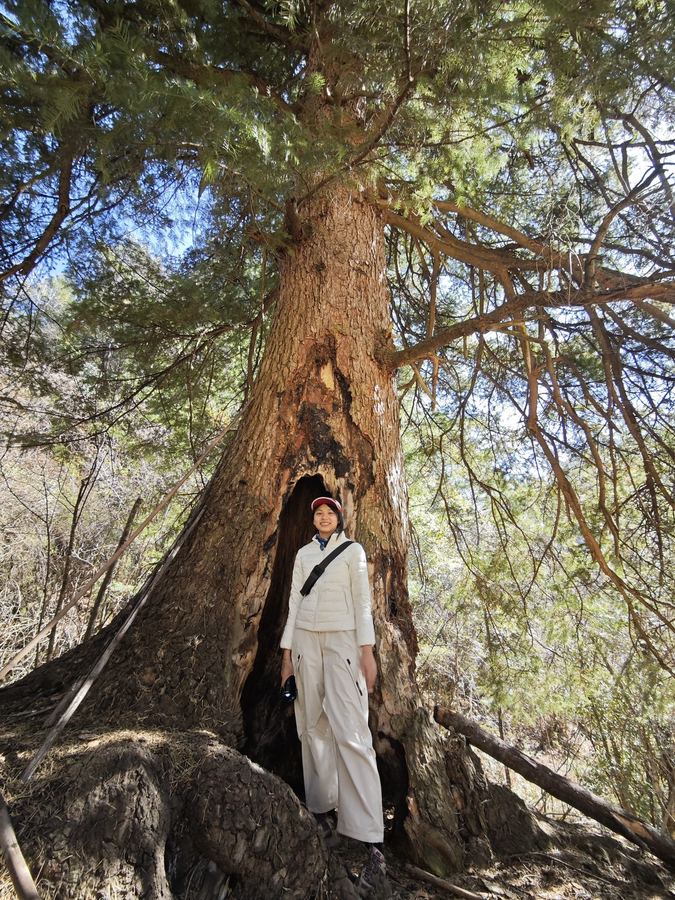
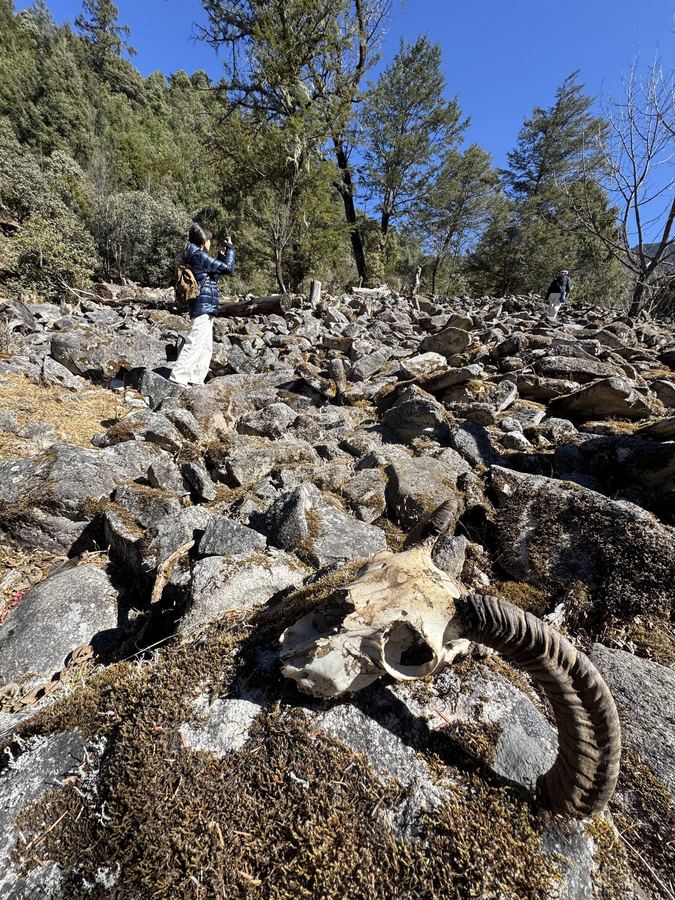
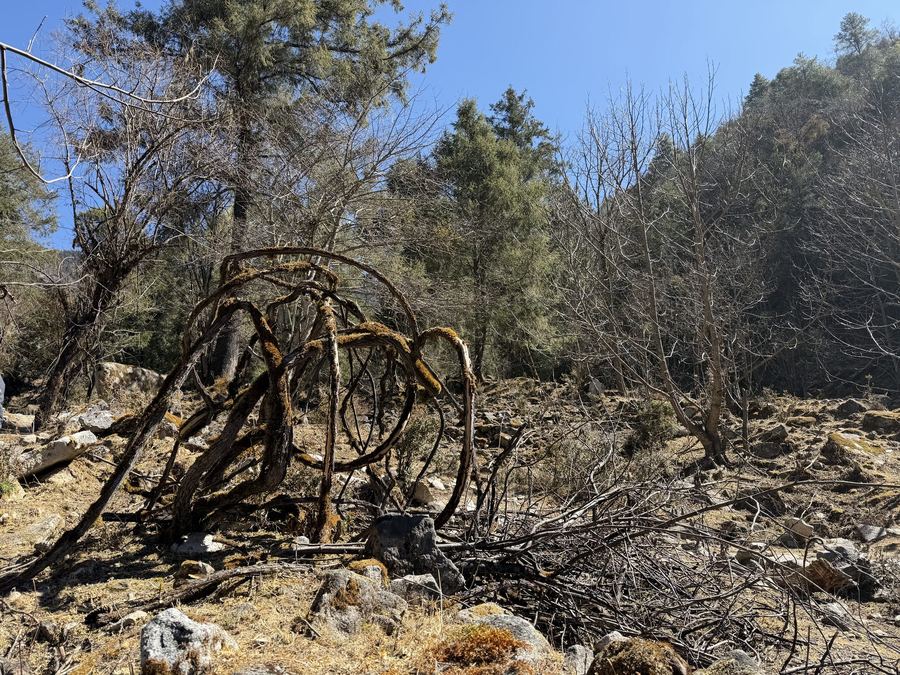
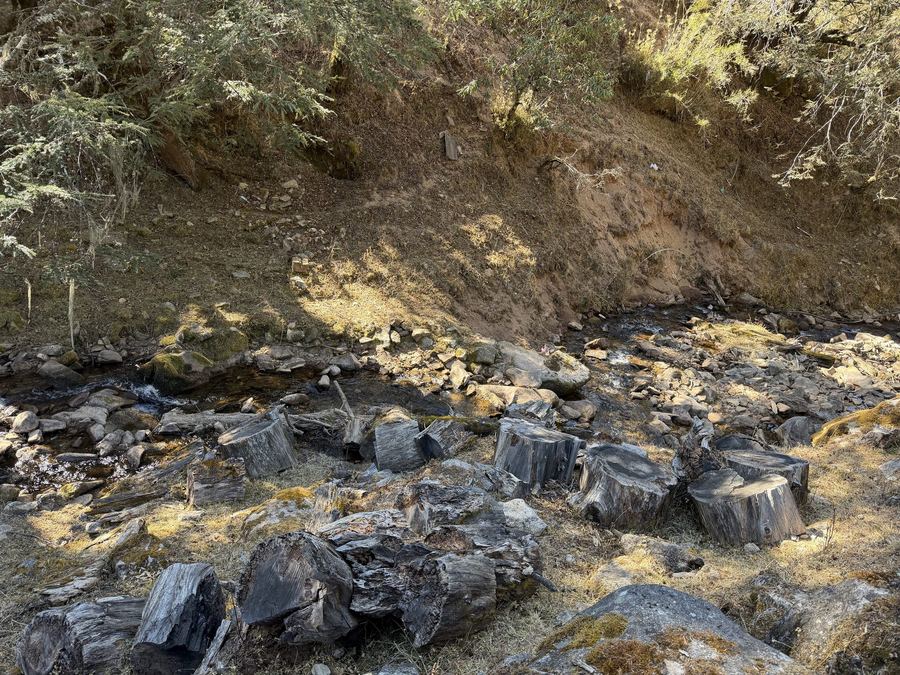
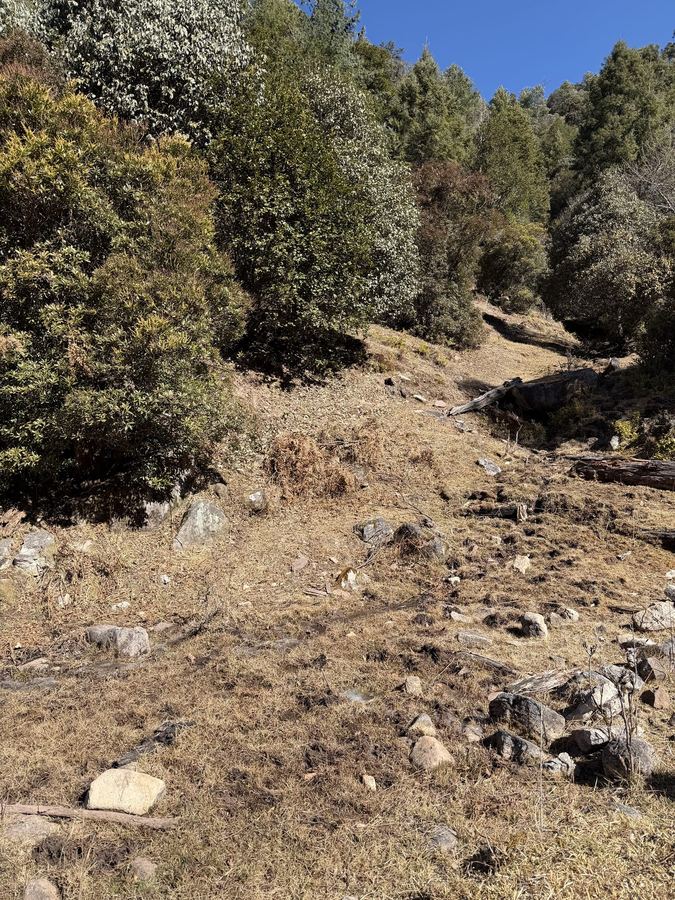
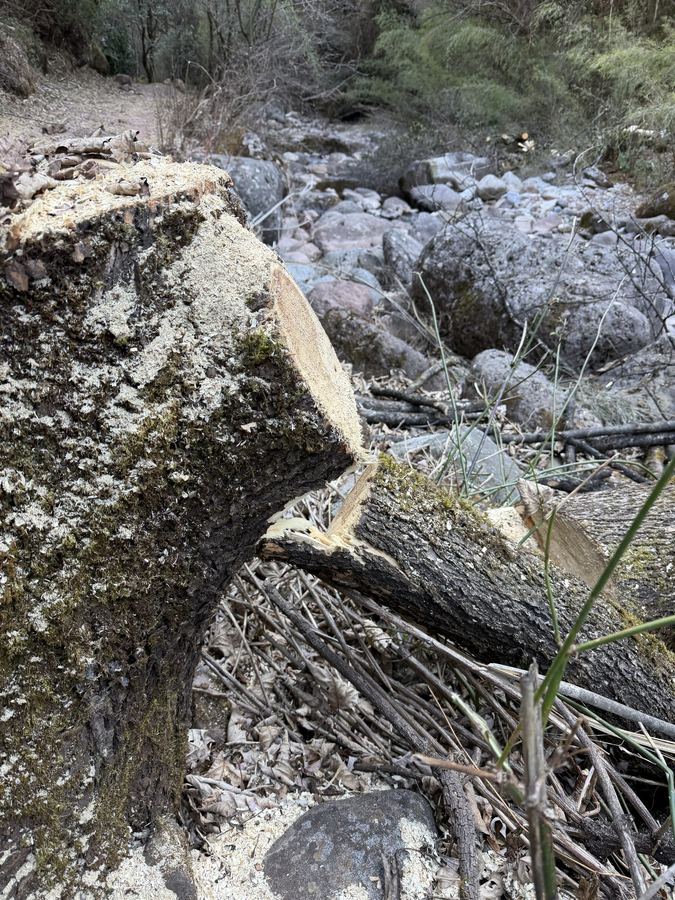
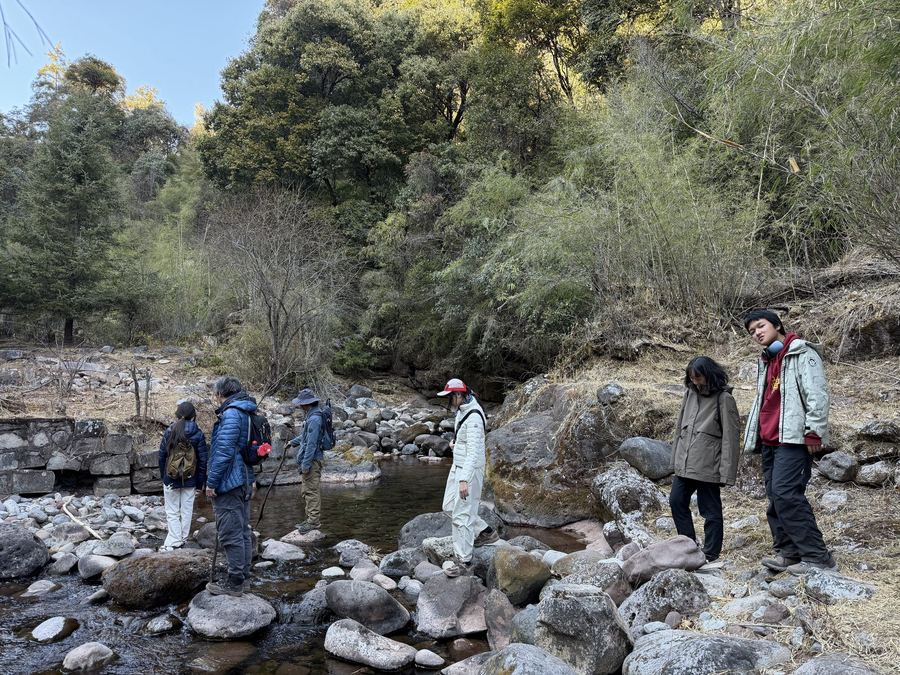
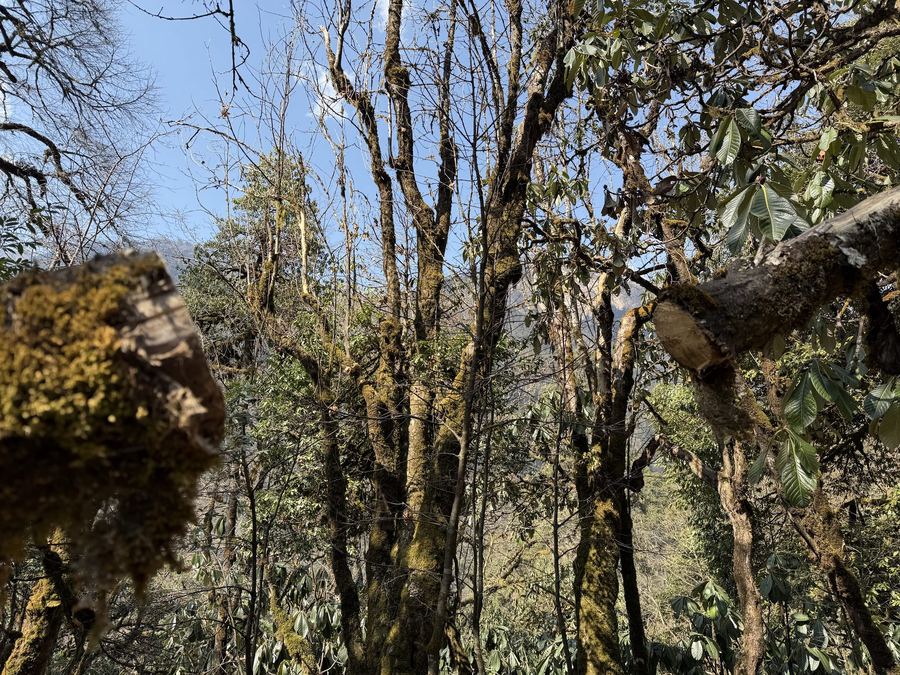
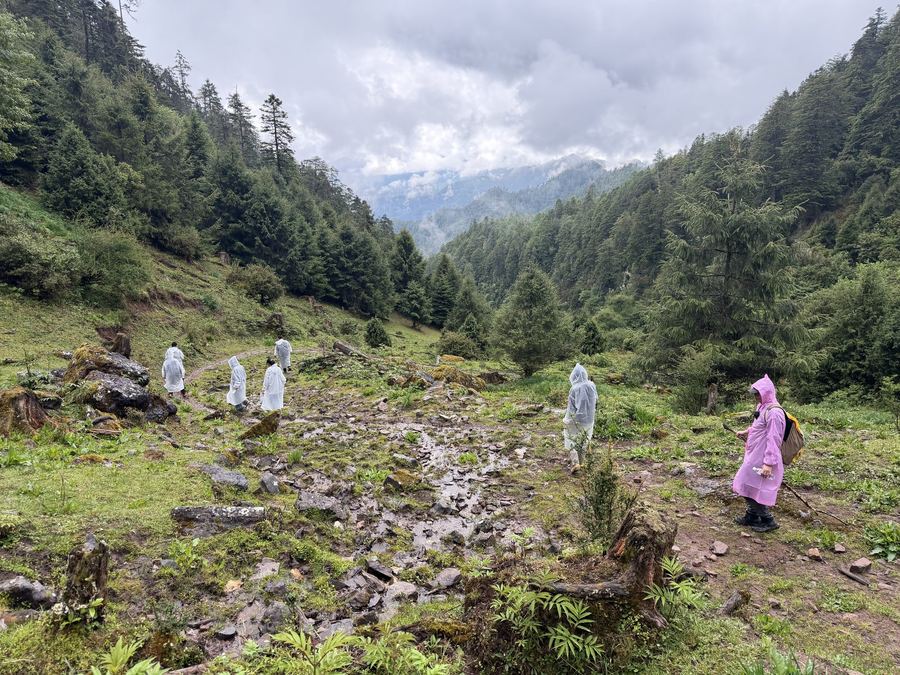
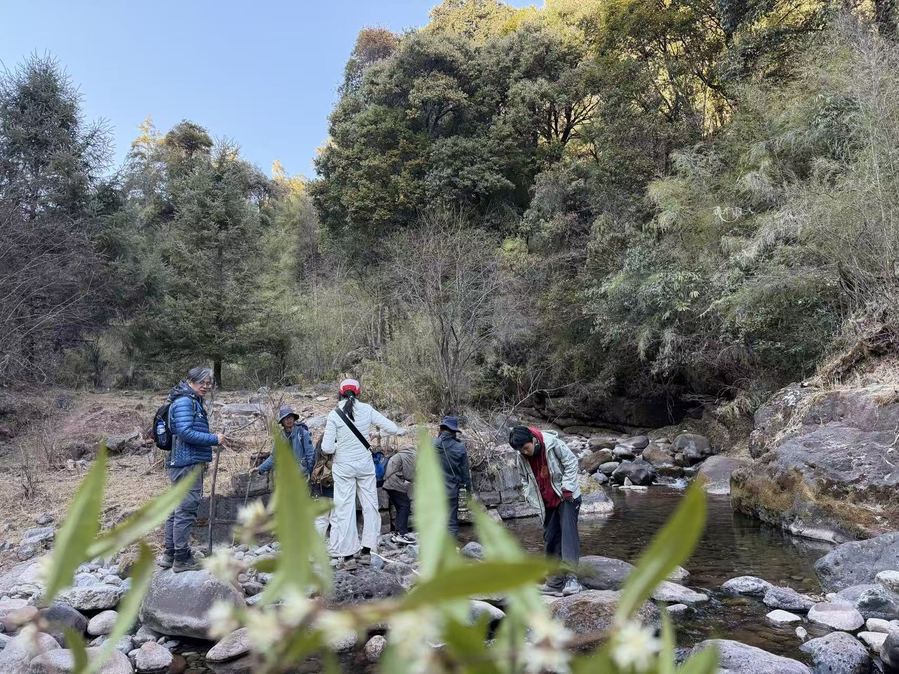
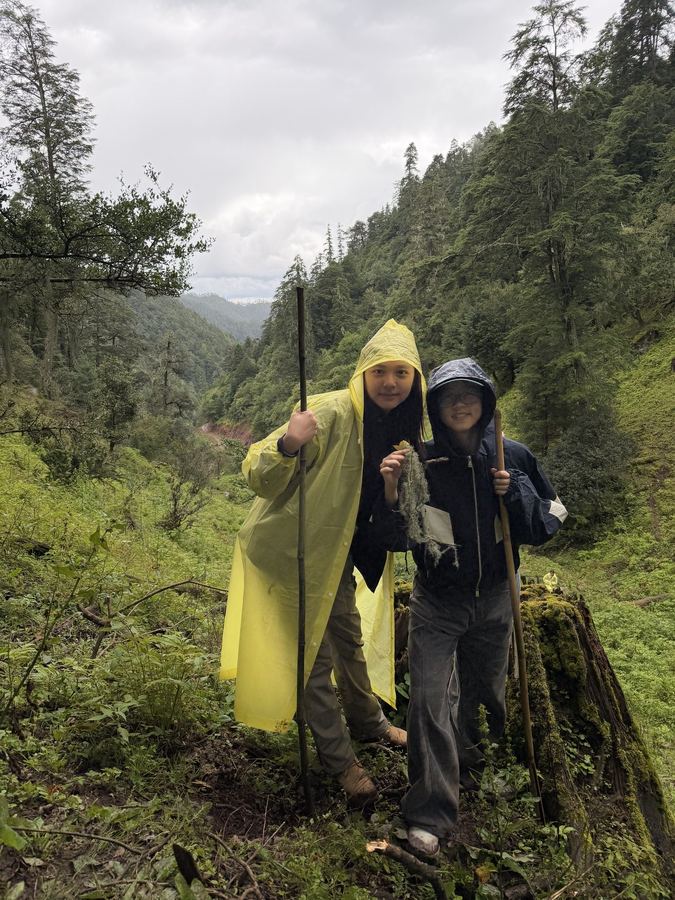
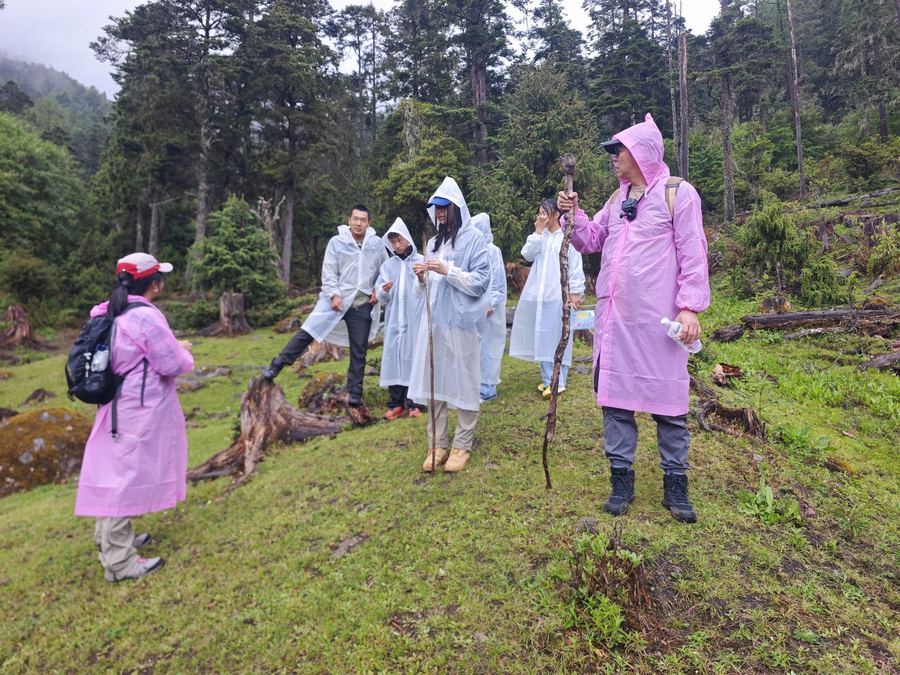
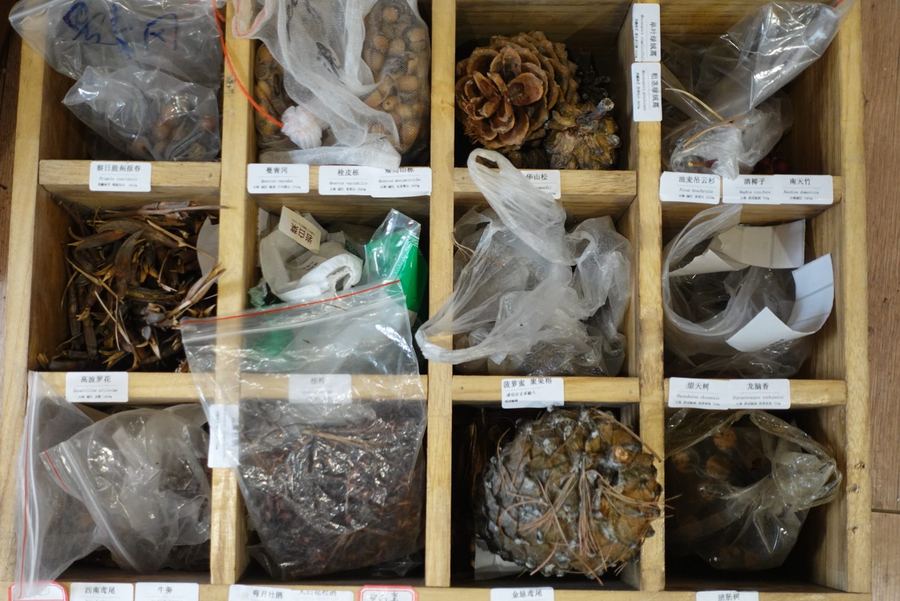
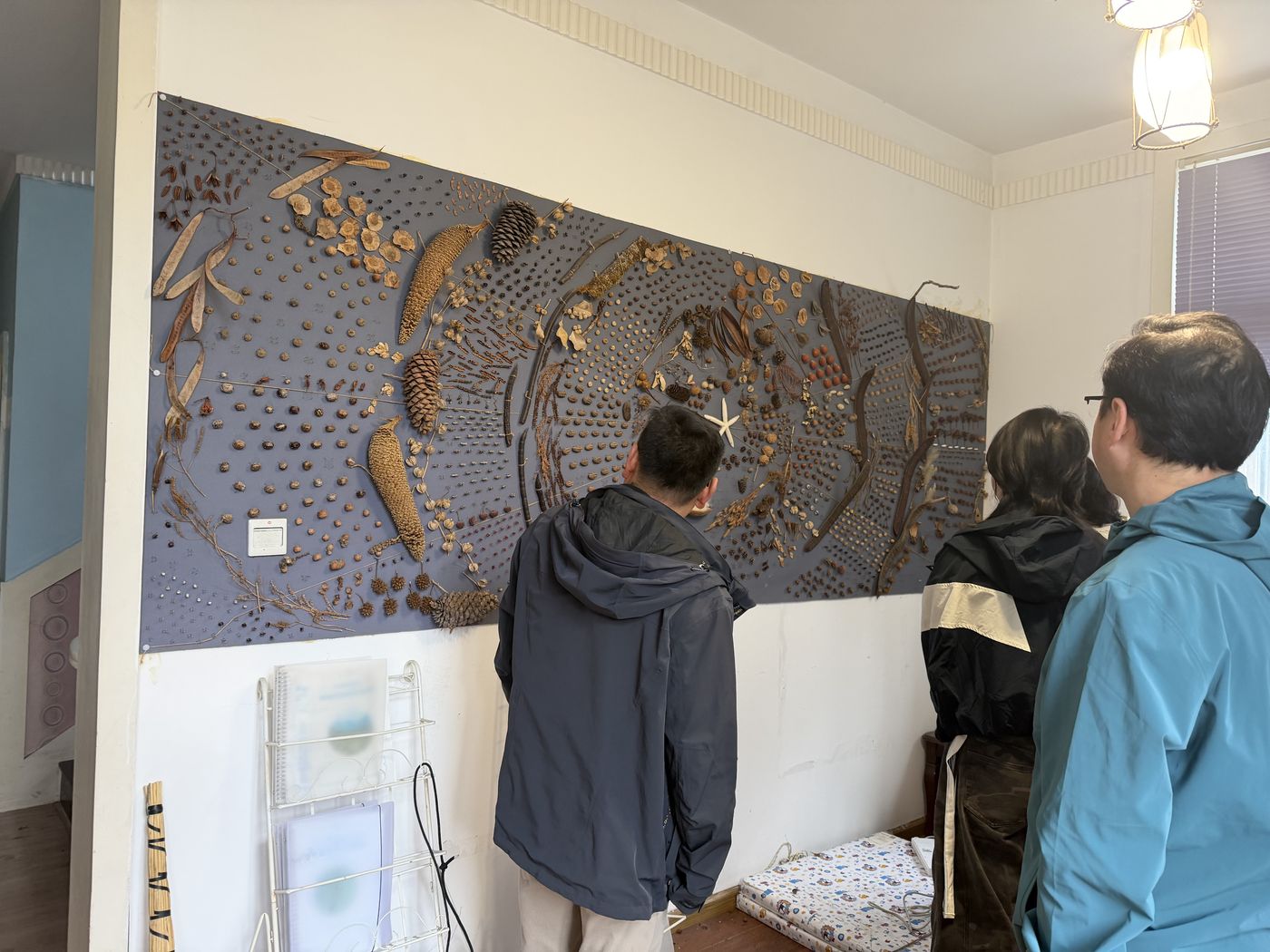
Conservation begins before a seed reaches the laboratory. Field observation keeps ecological context visible: slope, exposure, surrounding vegetation, moisture, elevation, and the timing of flowering and fruiting.
Rather than treating a seed as an isolated object, photographs, location notes, species identification, and observations of the surrounding habitat become part of the cultivation process. Collection is therefore not the removal of a plant from a landscape. It is the beginning of a responsibility to understand what that plant will need if it is to survive beyond that landscape, and eventually return.
Open each step to see the practice, what is done, the key parameters, and why it matters. Full species-level recipes are maintained in the field records, not repeated here.
A seven-stage path from field seed to garden seedling, reproduced from Shanhe laboratory and nursery records: SELECT → SOAK → CHILL → SOW → MONITOR → REPOT → TRANSPLANT.
Seeds are cleaned, sorted by species and batch, and checked for damage or poor development before cultivation.
Why it matters, a clean, well-labeled start makes every later decision traceable.
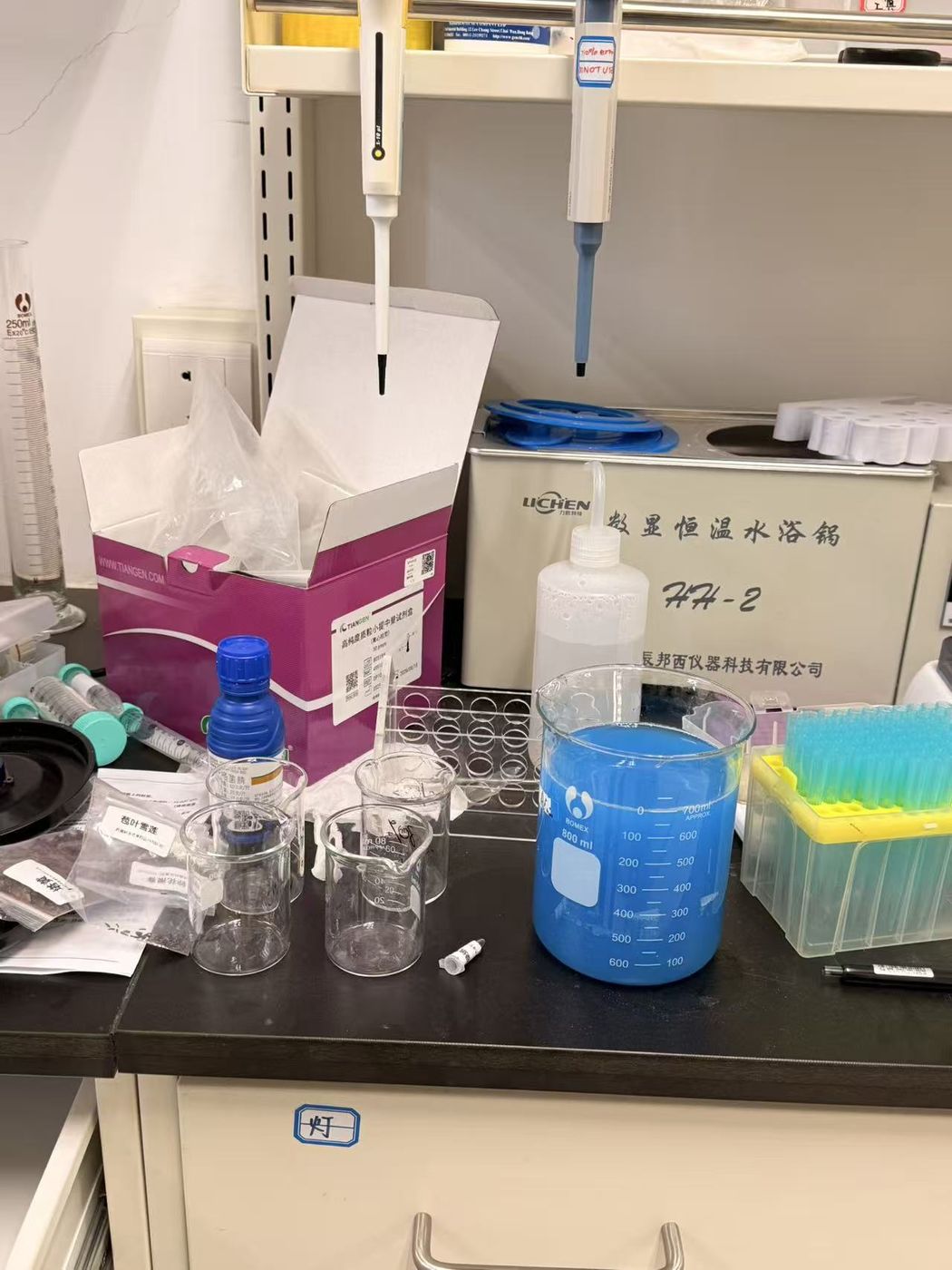
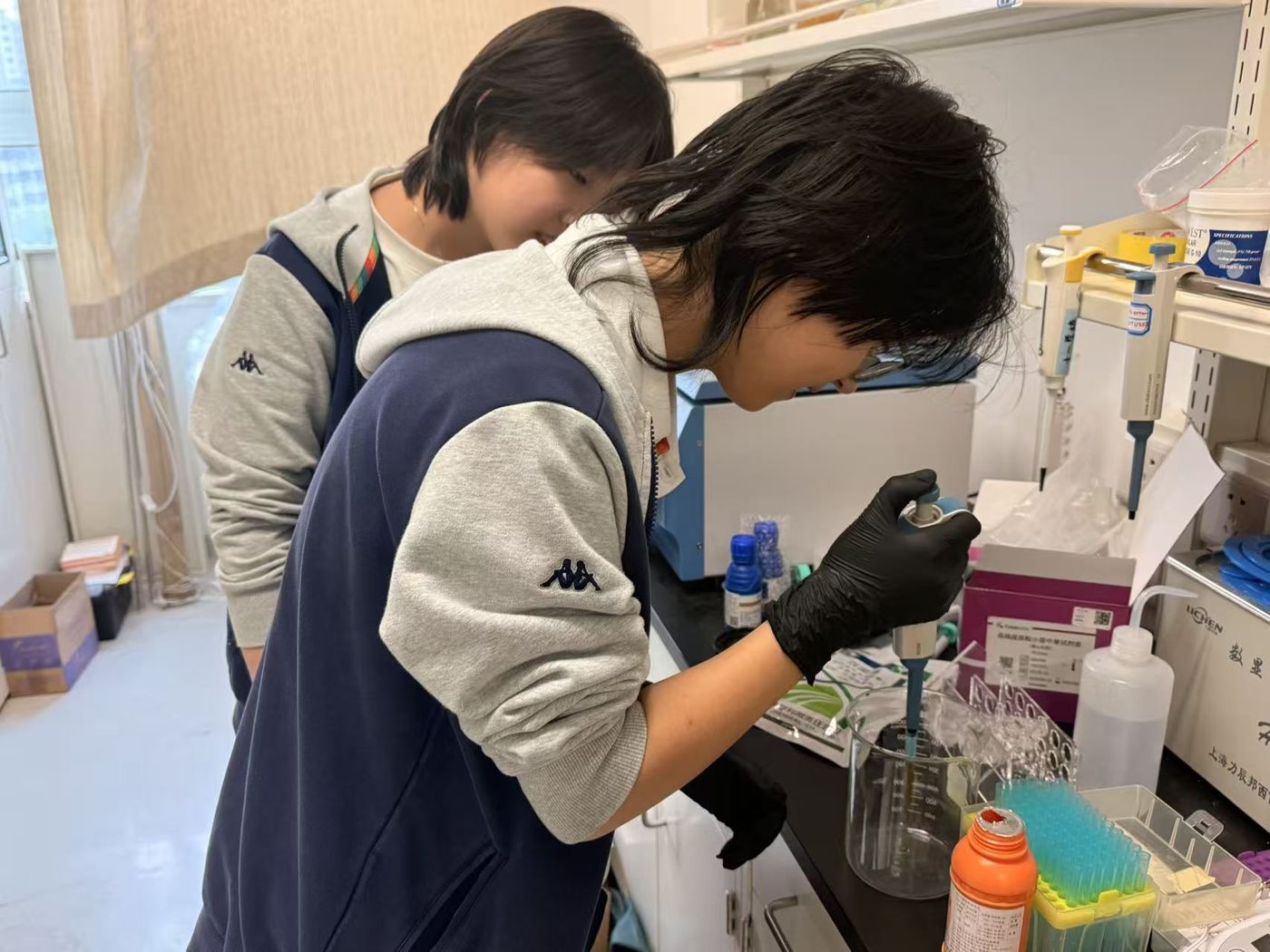
Seeds are treated with sterilizing and dormancy-breaking solutions to reduce contamination and prepare them for germination.
Why it matters, surface microbes and hard coats are the first barriers to germination.
Seeds requiring winter conditions are kept moist at 0–5°C for 15–30 days, depending on species, to help release dormancy.
Why it matters, winter is being reconstructed for seeds that left the mountain.
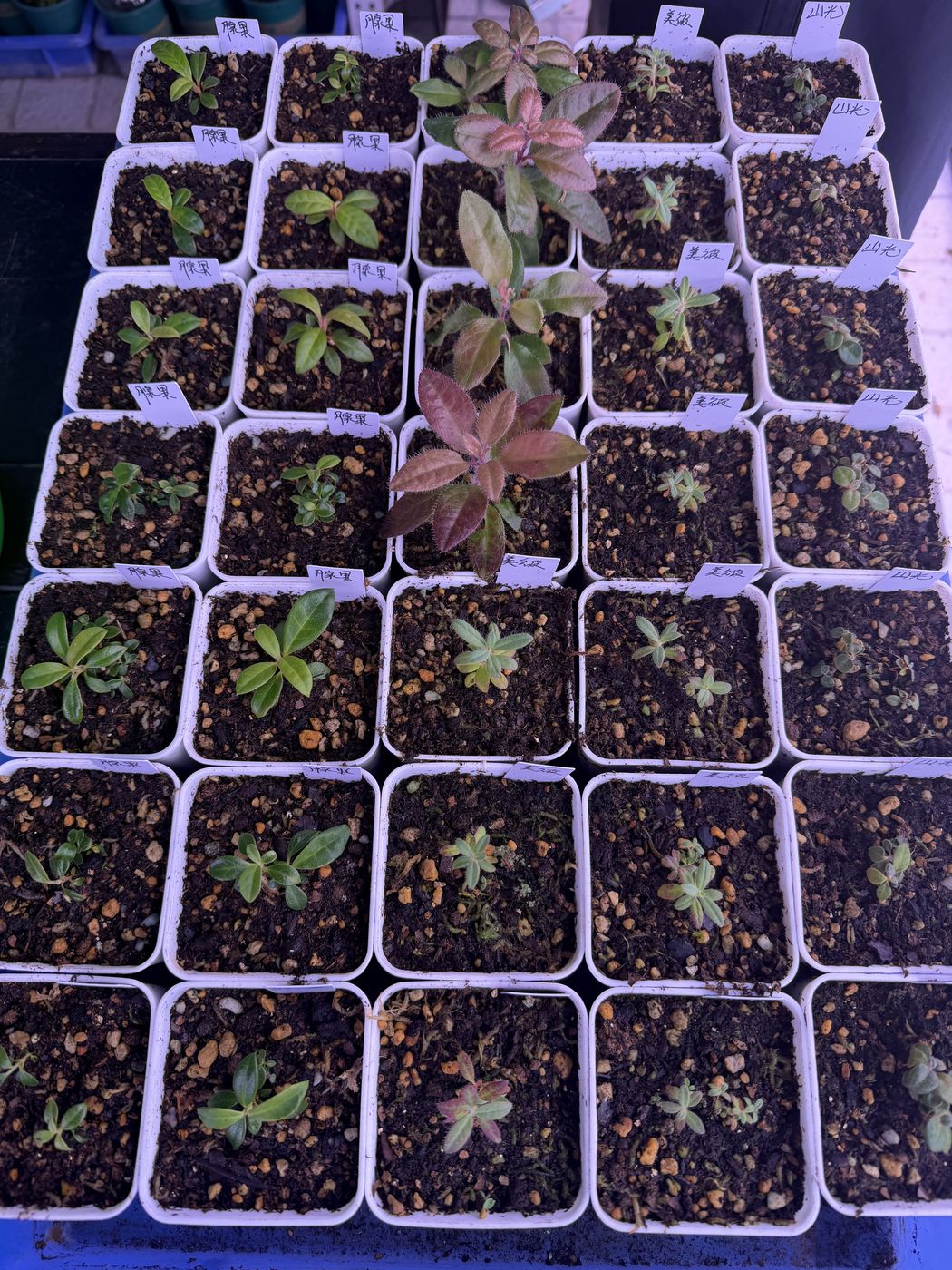
Seeds are transferred to species-appropriate substrates, with fine seeds sown close to the surface.
Why it matters, substrate texture and depth govern moisture and air for each species.
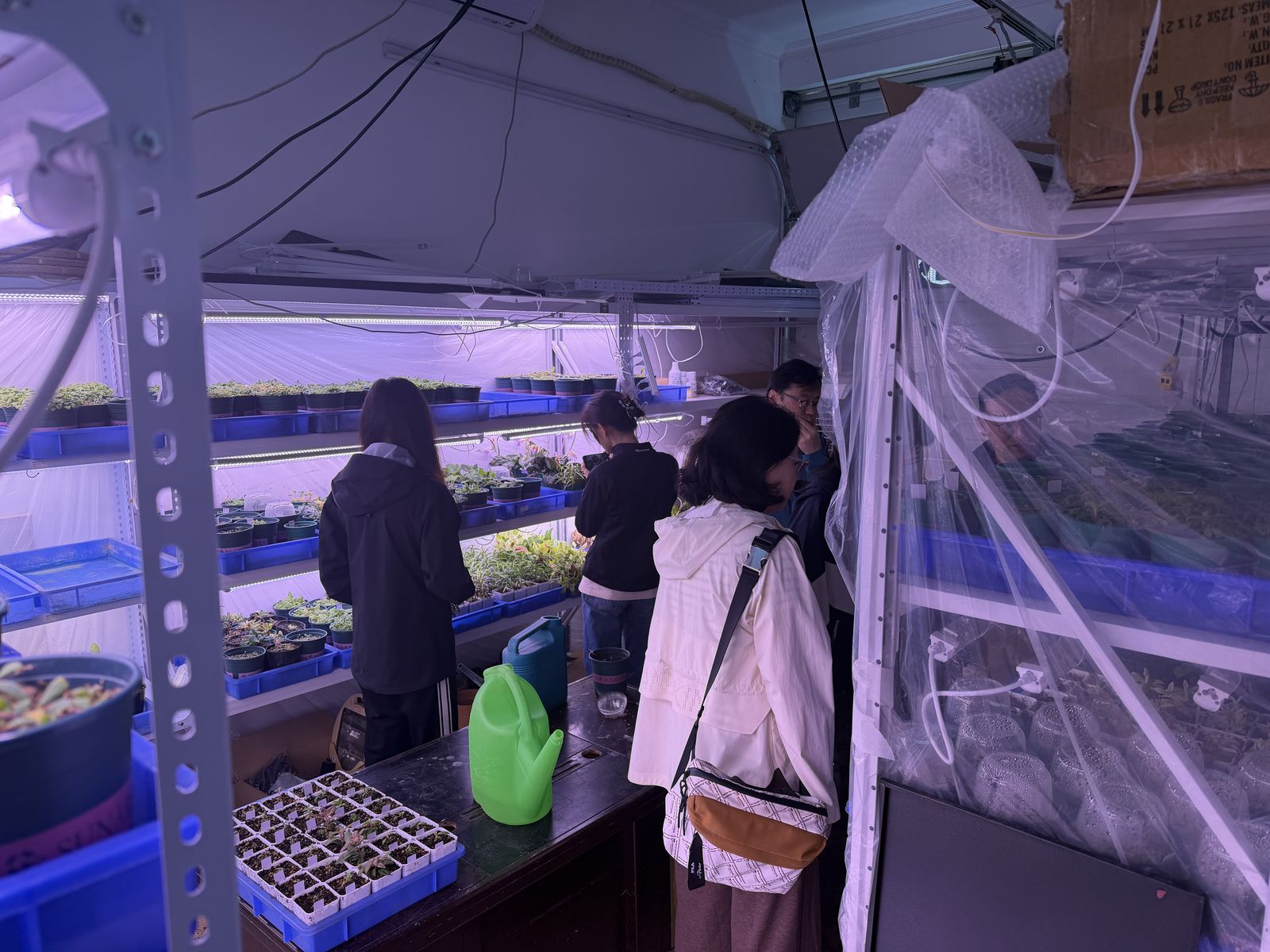
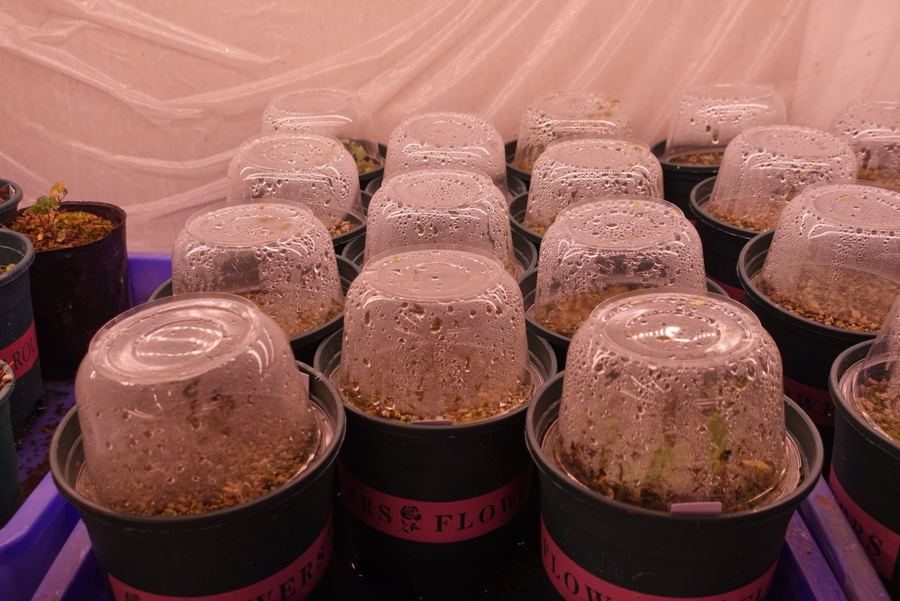
Pots are maintained at approximately 18–20°C under controlled light and humidity, with water supplied from below.
Why it matters, a stable microclimate replaces the seasonality of the alpine zone.
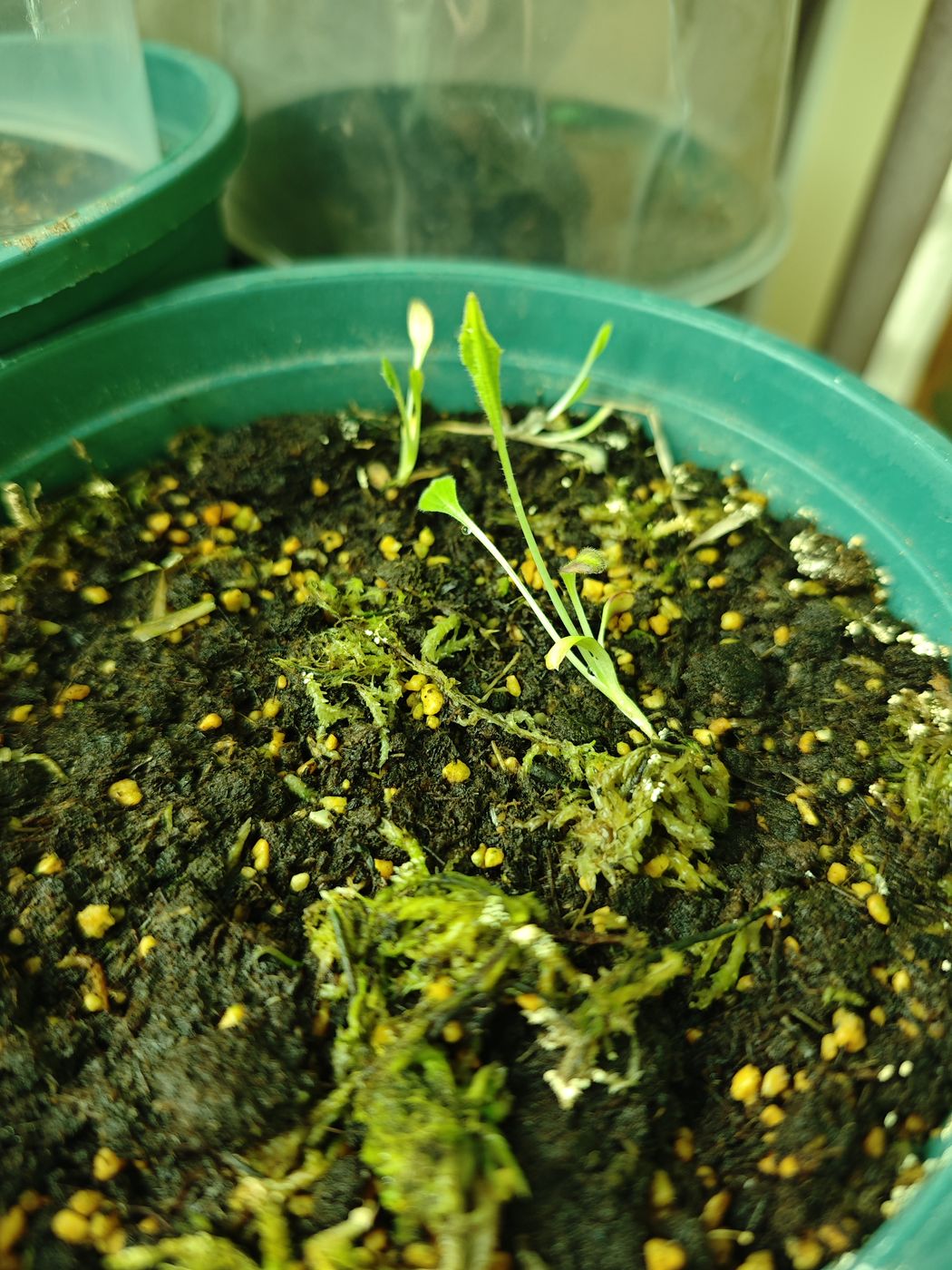
Each batch is monitored for germination, root and leaf development, moisture, and mold.
Why it matters, observation is where protocol becomes care.
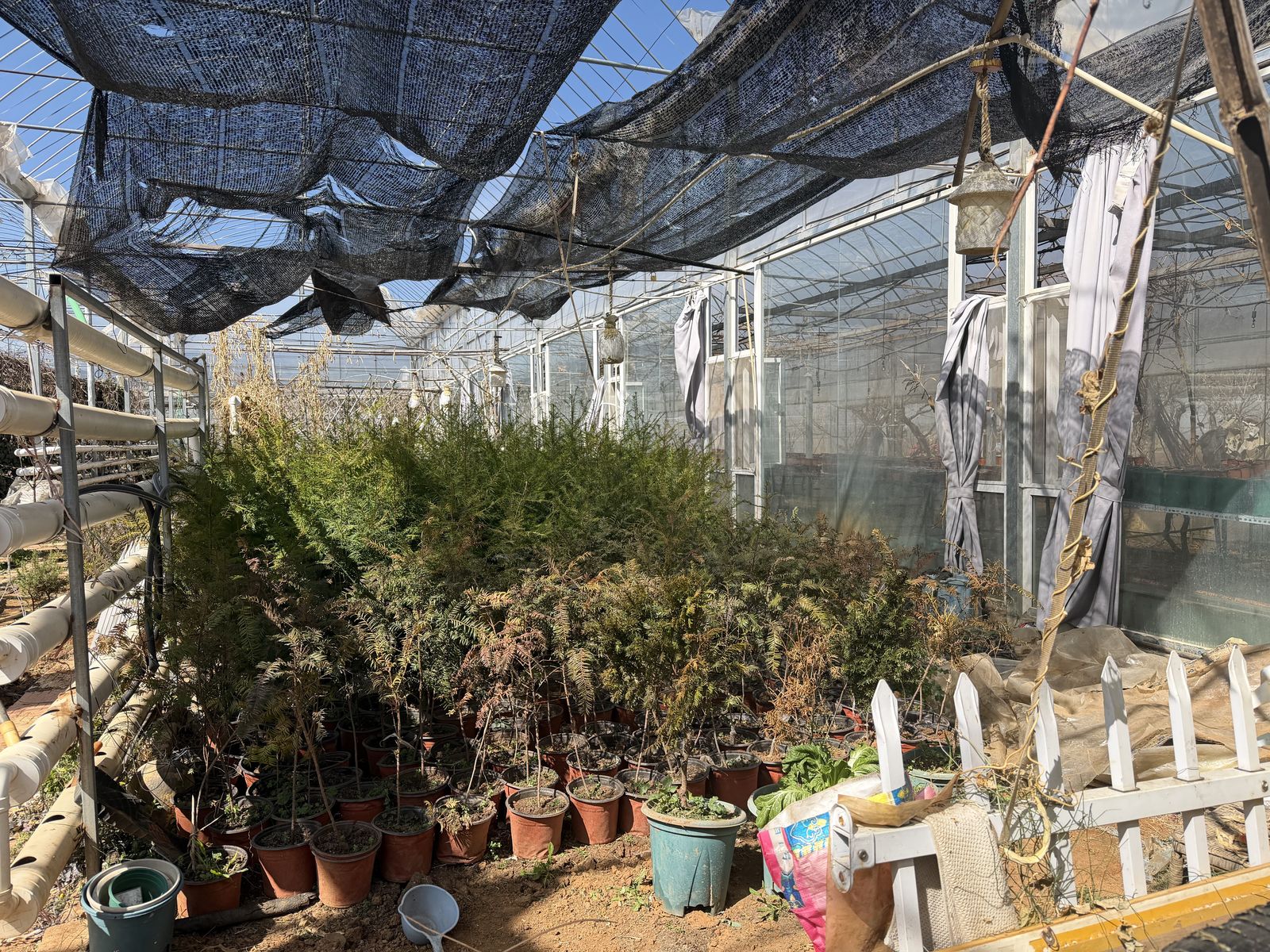
Once seedlings are large enough, they are separated into individual pots and moved from the laboratory to a greenhouse in Lashi, near Lijiang, for continued cultivation.
Why it matters, hardier, individual plants are better prepared for the return to the mountain.
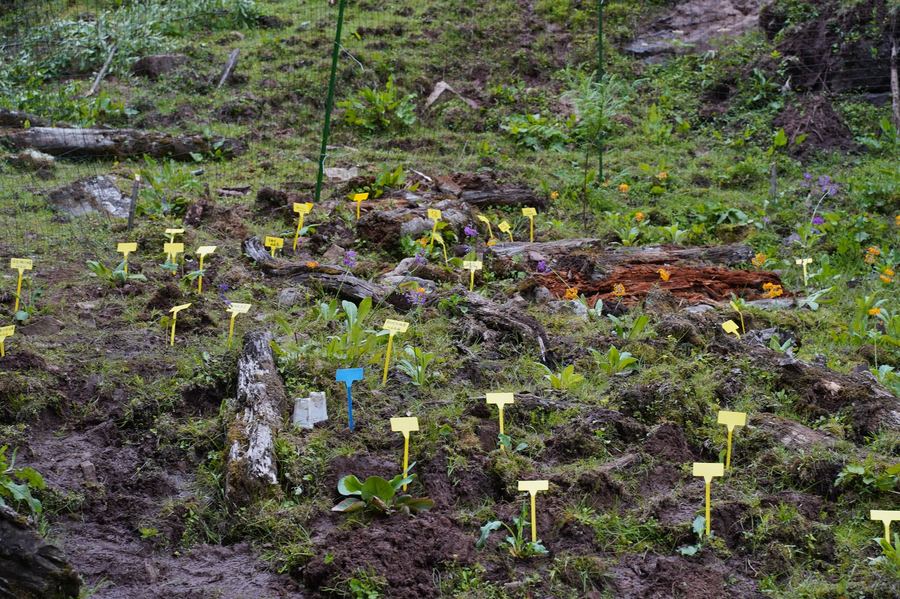
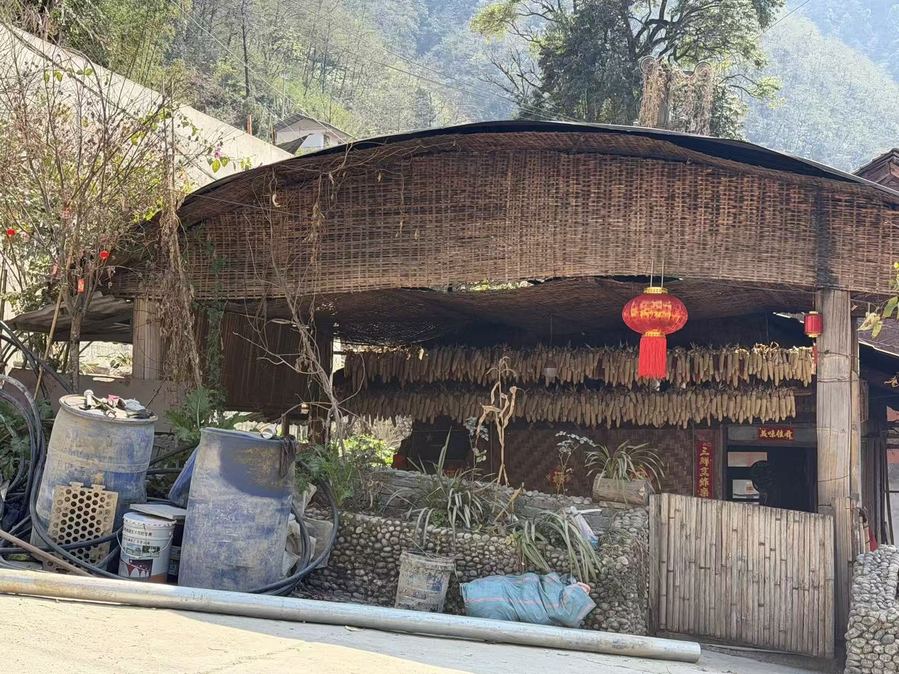
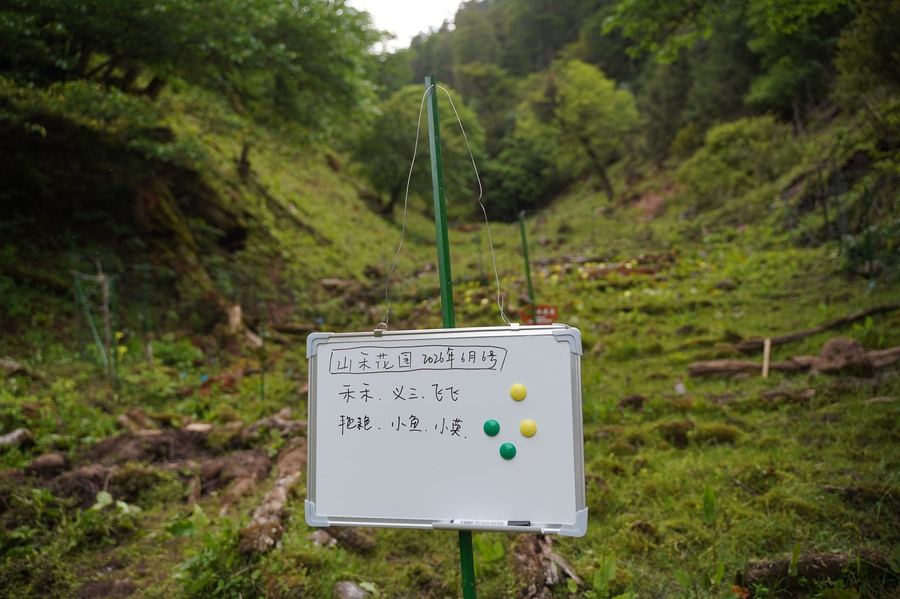
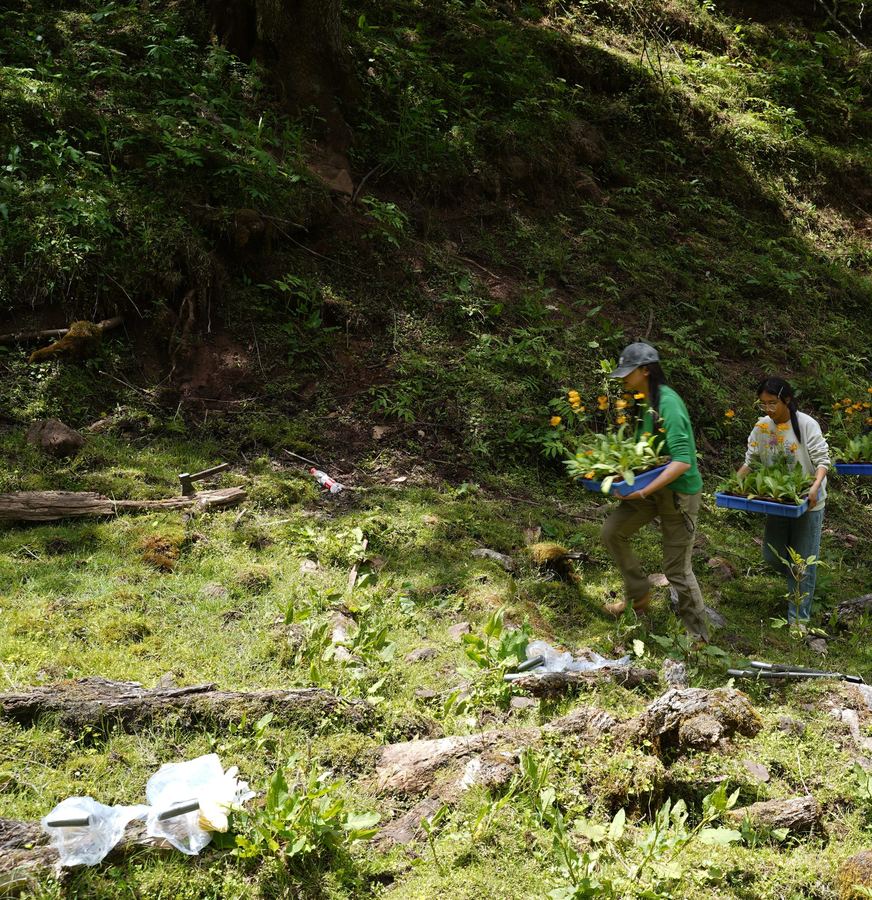
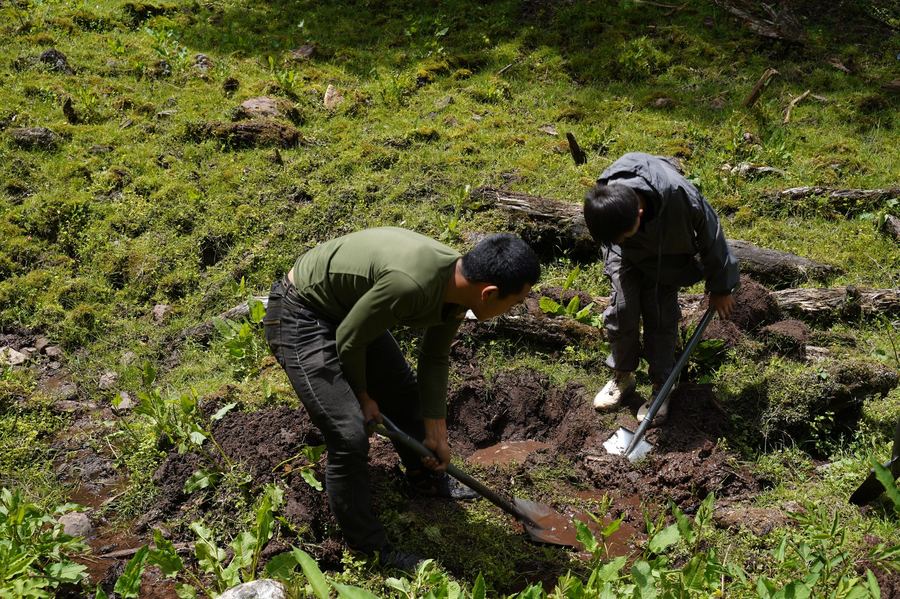
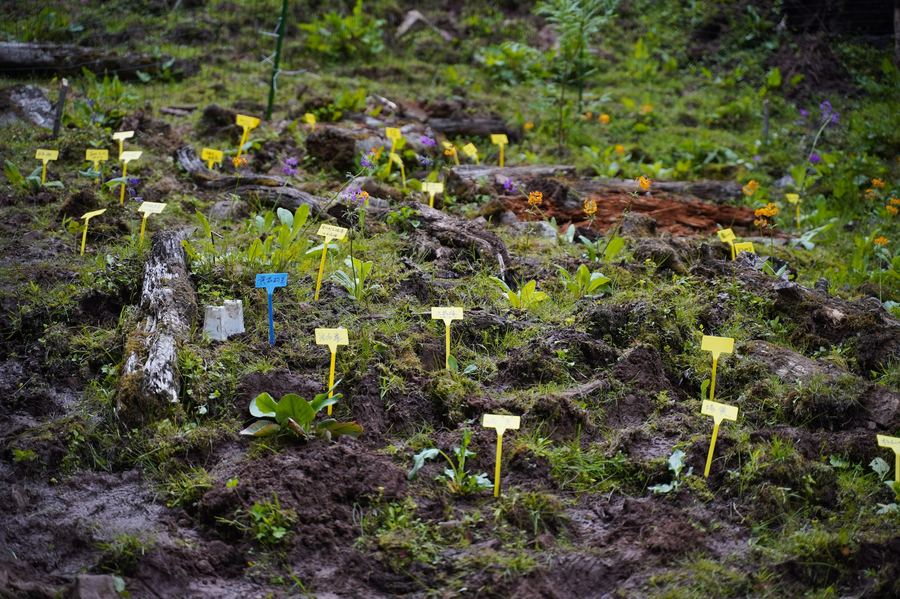
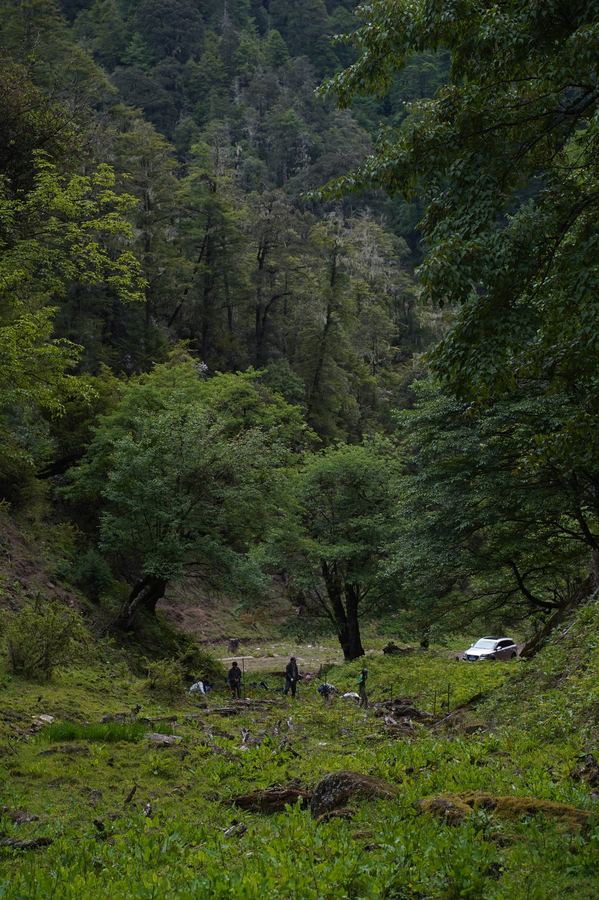
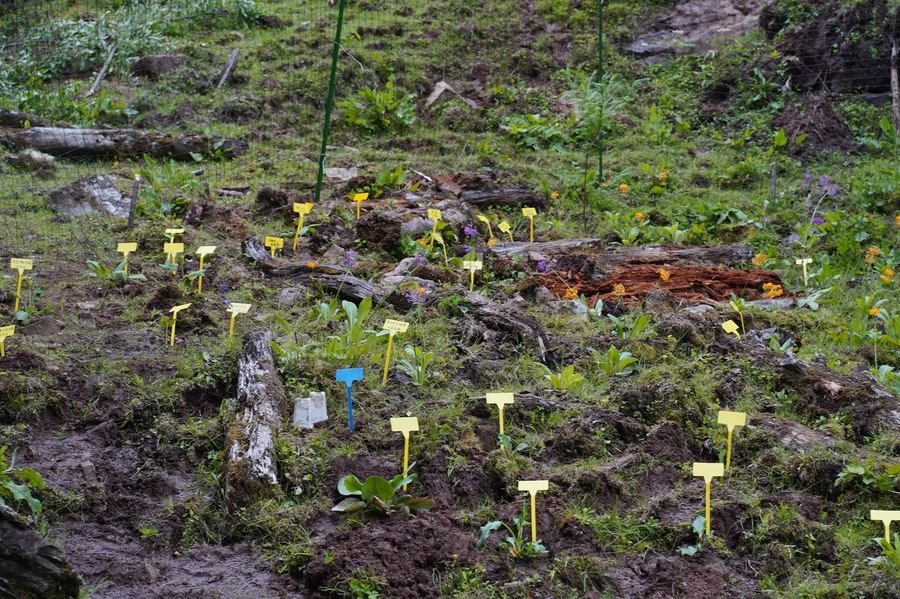
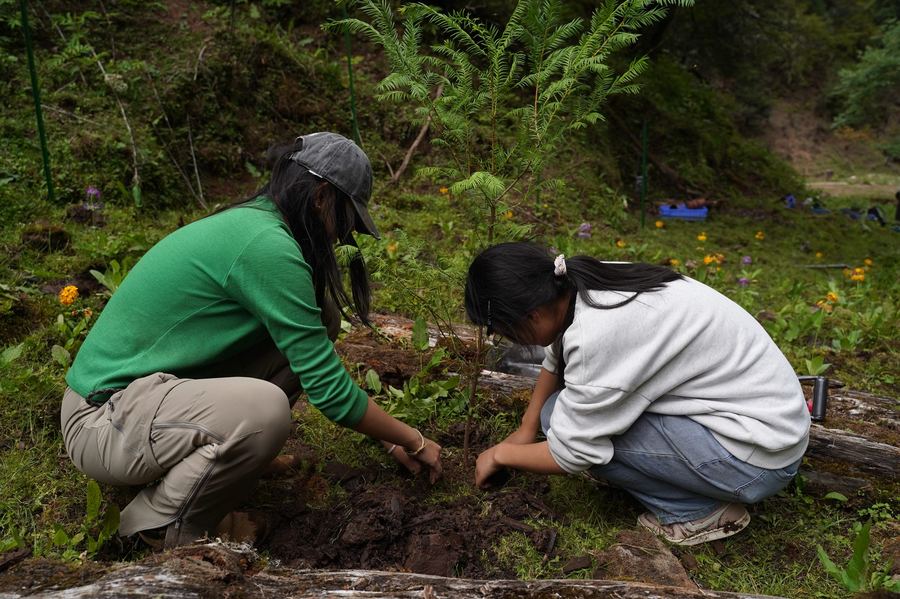
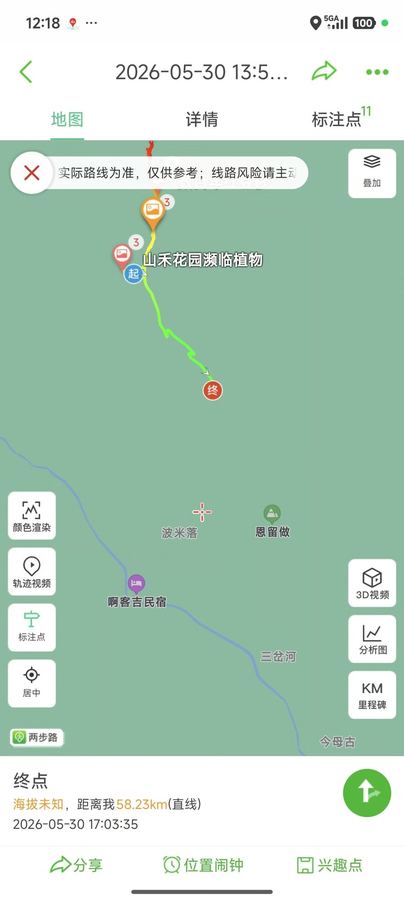
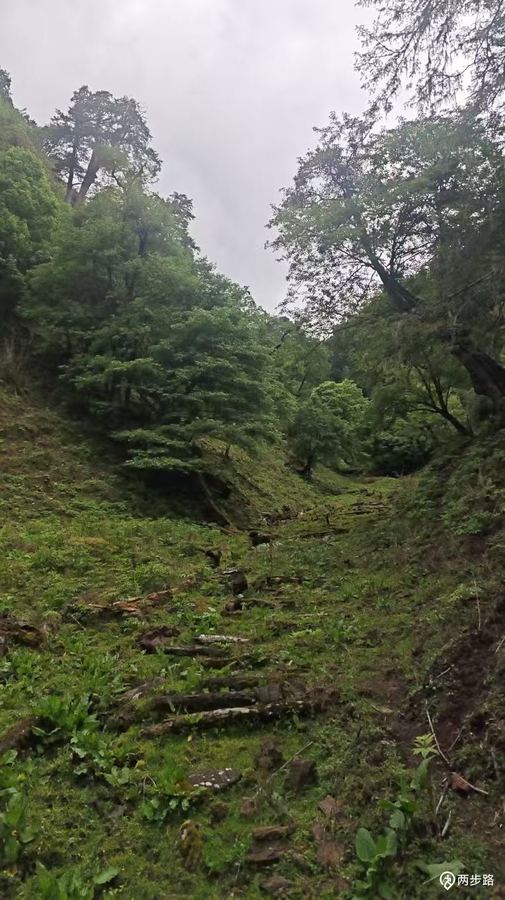
In Liju, cultivated plants enter a landscape that is already inhabited, worked, grazed, visited, and cared for. Shanhe's alpine garden was developed as a living conservation space where threatened high-altitude plants can be seen closer to the community rather than only on remote peaks. The garden has grown to include more than thirty alpine plant species.
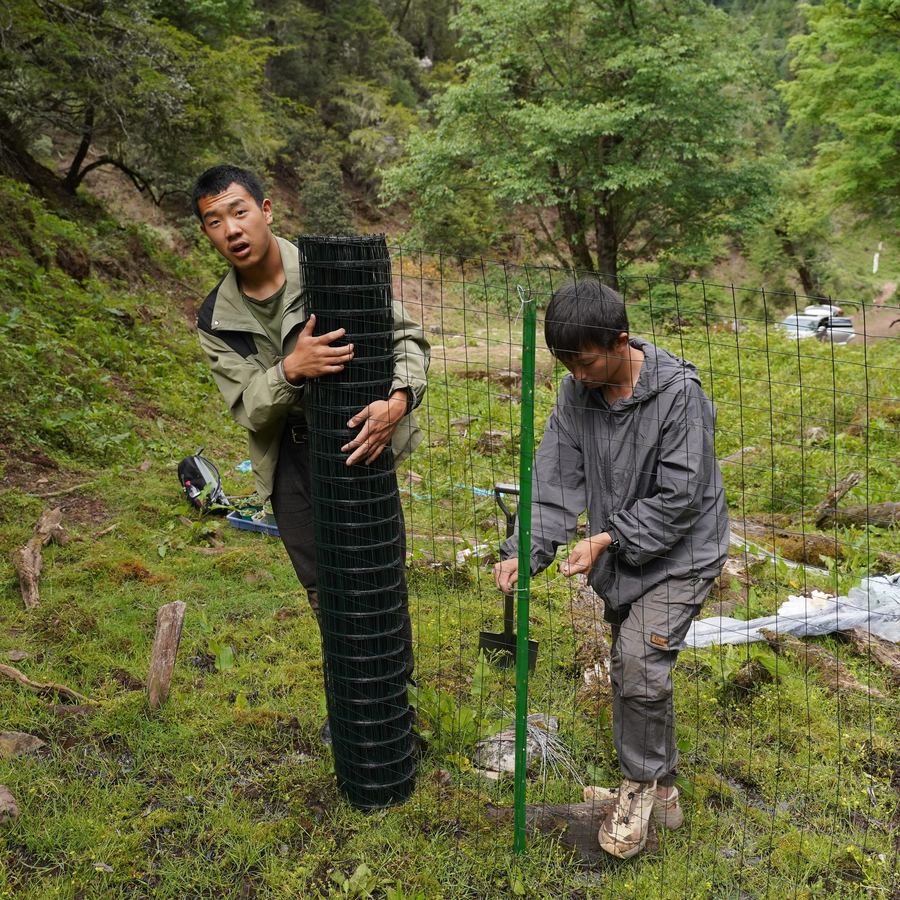
Its construction also revealed the practical realities of restoration: water had to be secured, fencing had to keep free-ranging livestock from entering, and ongoing maintenance depended on people who could return after the planting day was over.
“No water, no flowers.”Yisan, Shanhe volunteer (recorded in the field)
The sentence is simple, but it captures the project's larger lesson: restoration is never only about placing a species back into space. Survival depends on infrastructure, labor, local knowledge, and continued responsibility.
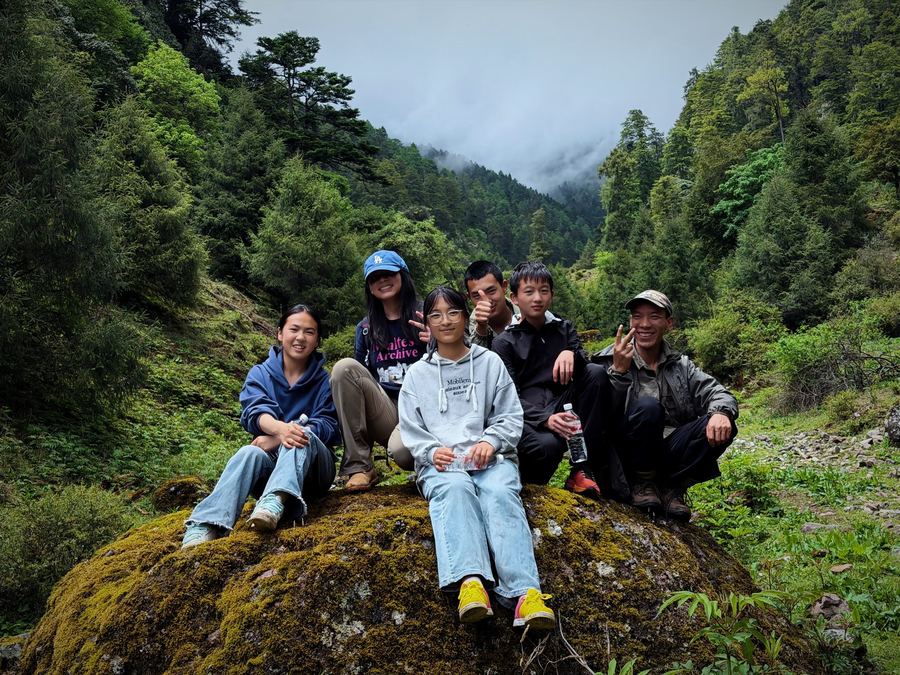
Local young volunteers helped identify a site, carry materials, plant, water, and maintain the garden. Bird guide and forest practitioner Lihua passes the site during mountain trips and shares updates on flowering.
The same cultivation practice takes on a different meaning when it enters Beijing. At school, an unused corridor became a small garden of approximately thirty pots across six alpine species.
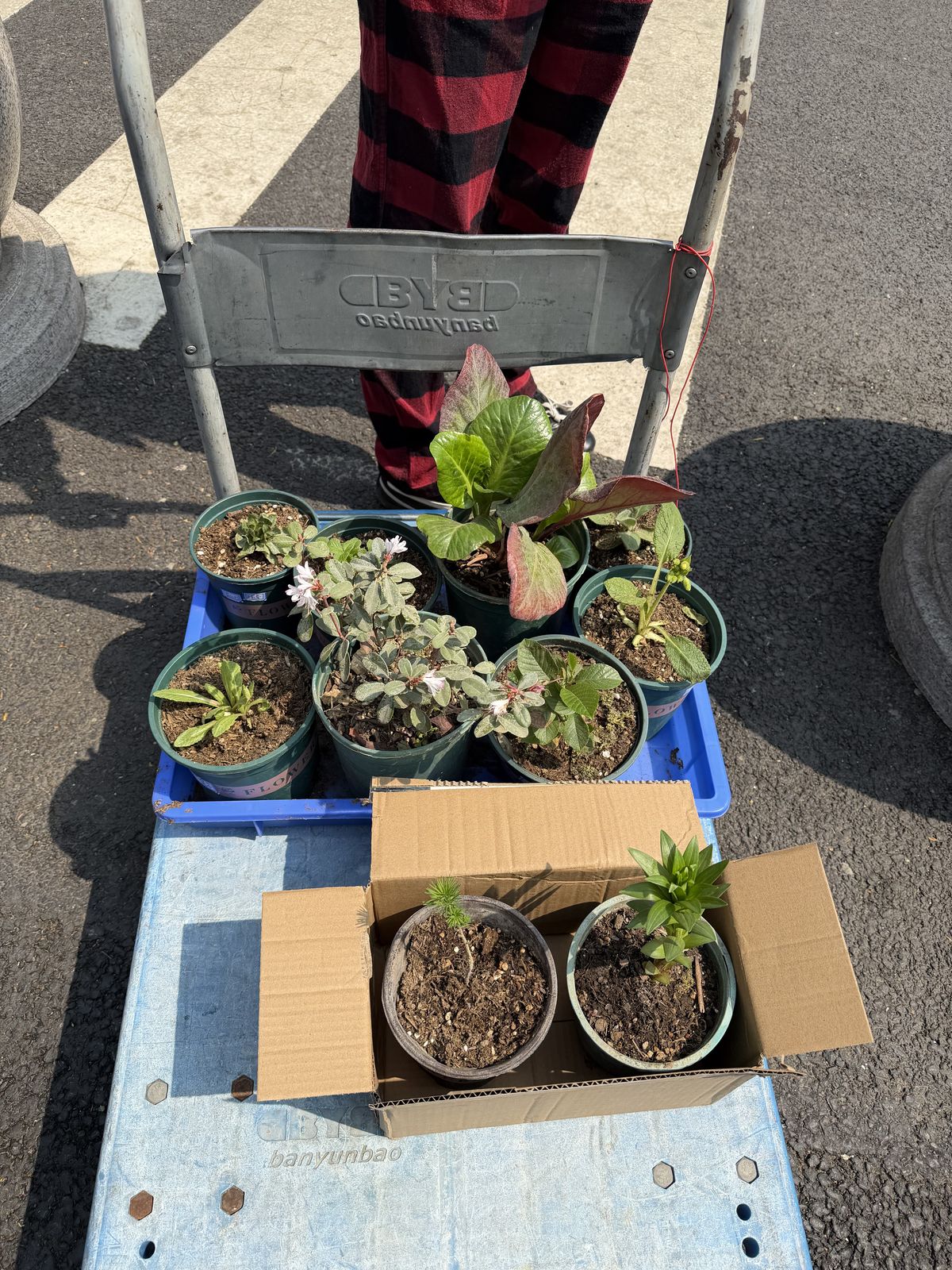
Who performs the daily labor of watering and maintenance? Which plants are welcomed, protected, labeled, or removed? Can caring for a plant change how students understand environmental responsibility?
Liju asks how plants return to a lived landscape. Beijing asks who, plant or person, receives permission to stay.
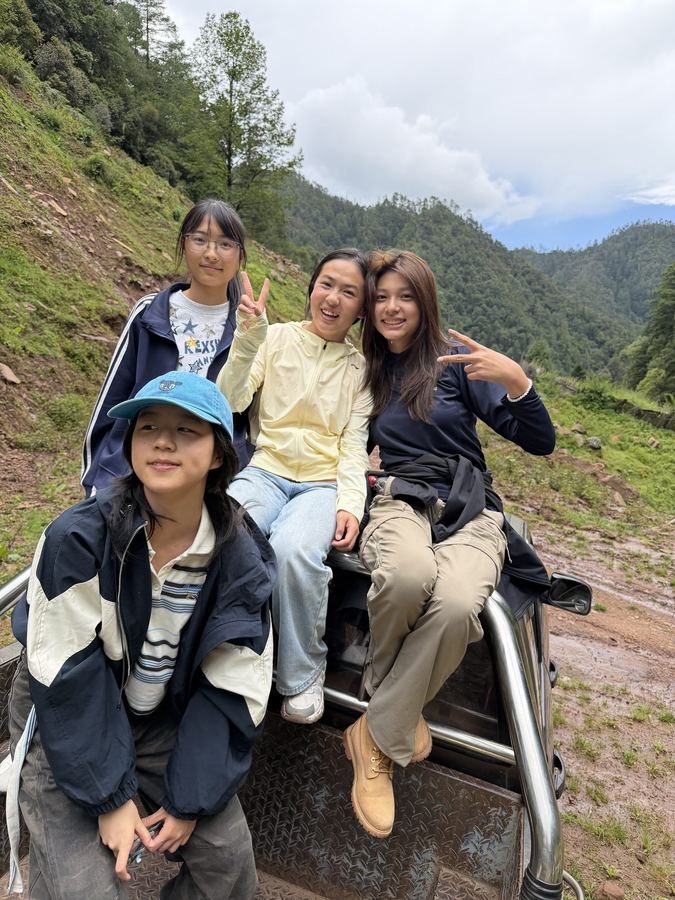
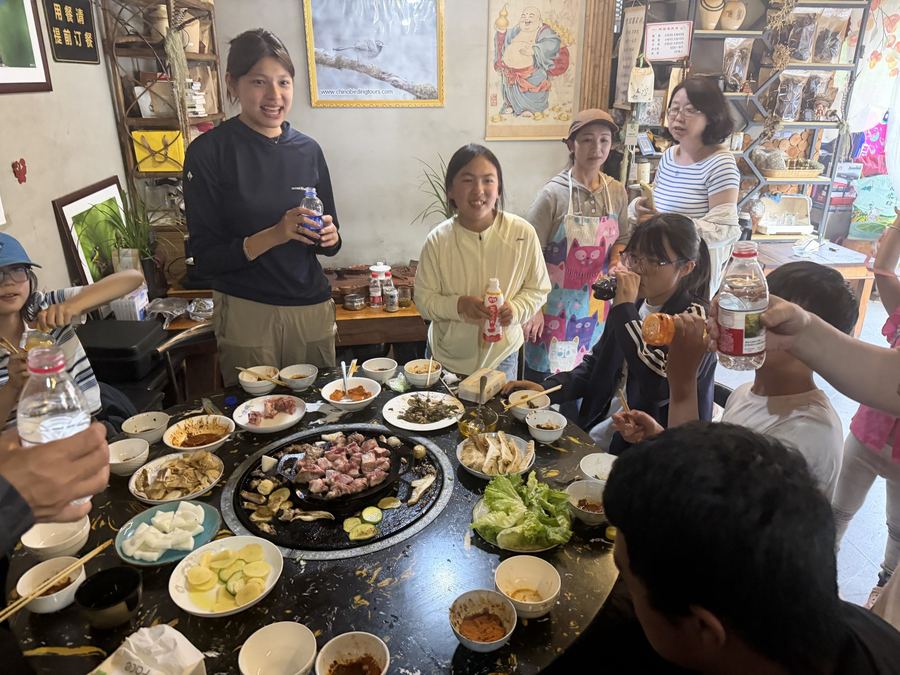
Continue to Beijing →Field-record photographs from Shanhe expeditions, cultivation, and the life of the Liju garden. Identifiers follow the project's field notes.
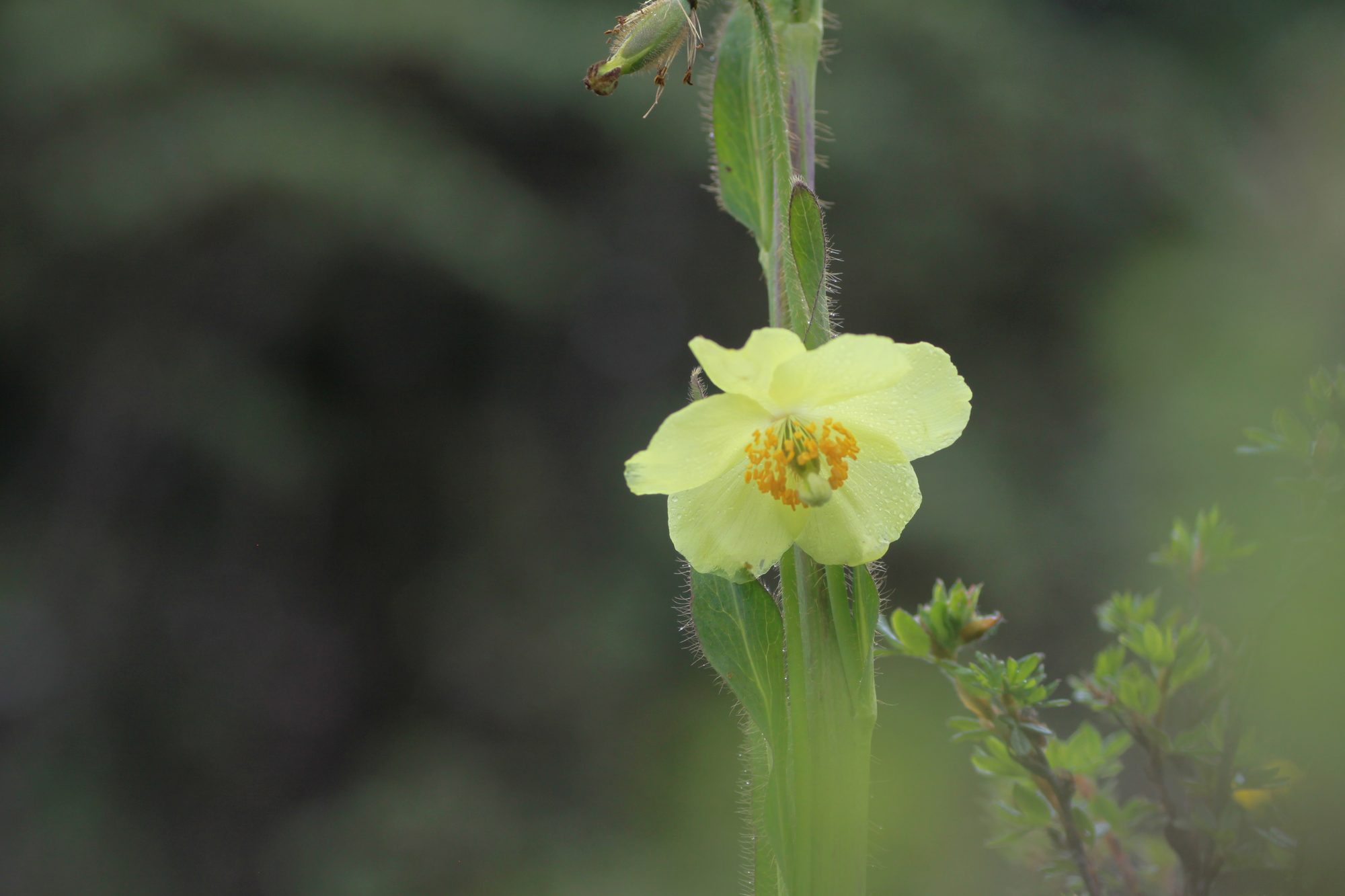 field record 01
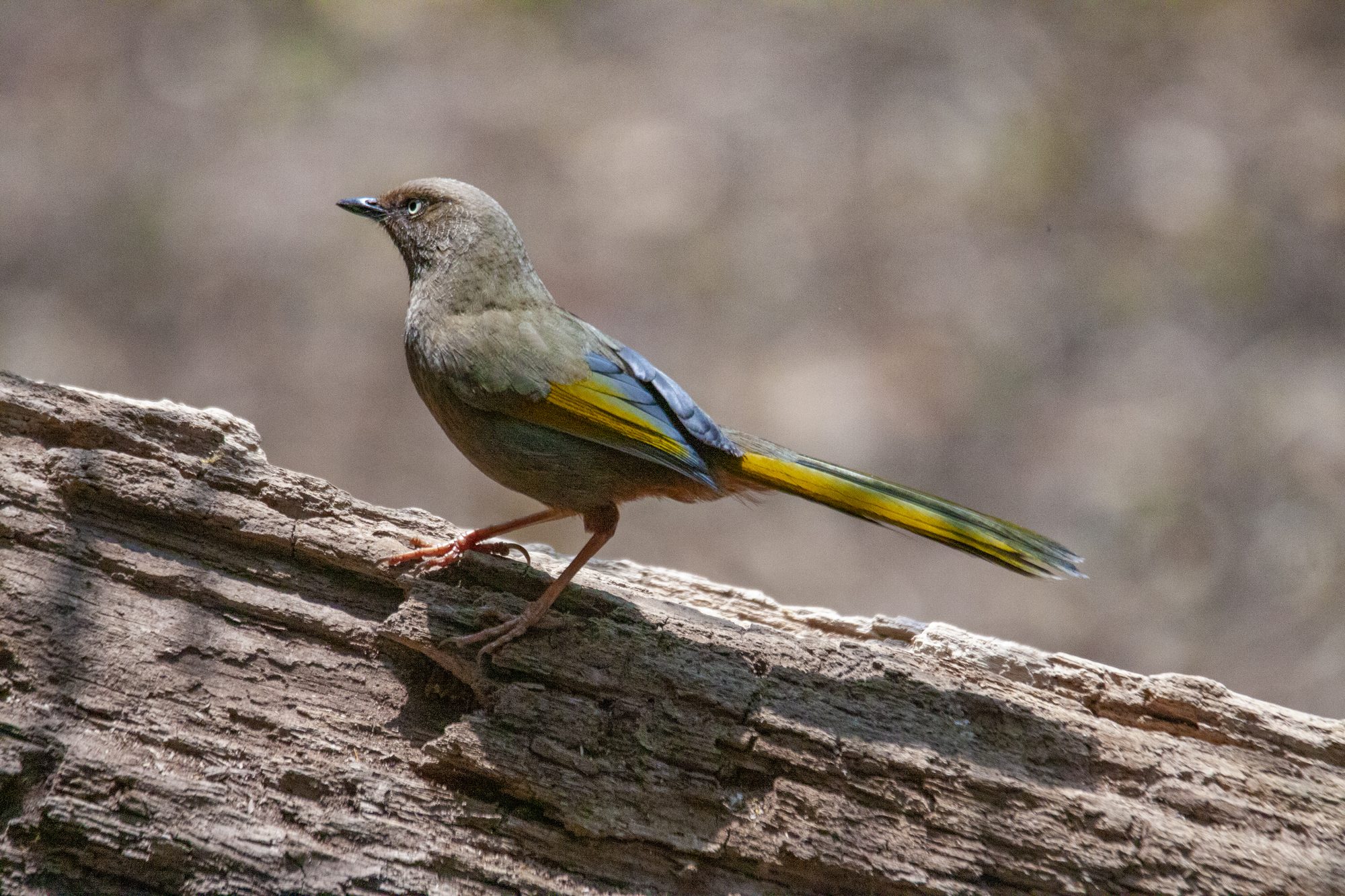 field record 02
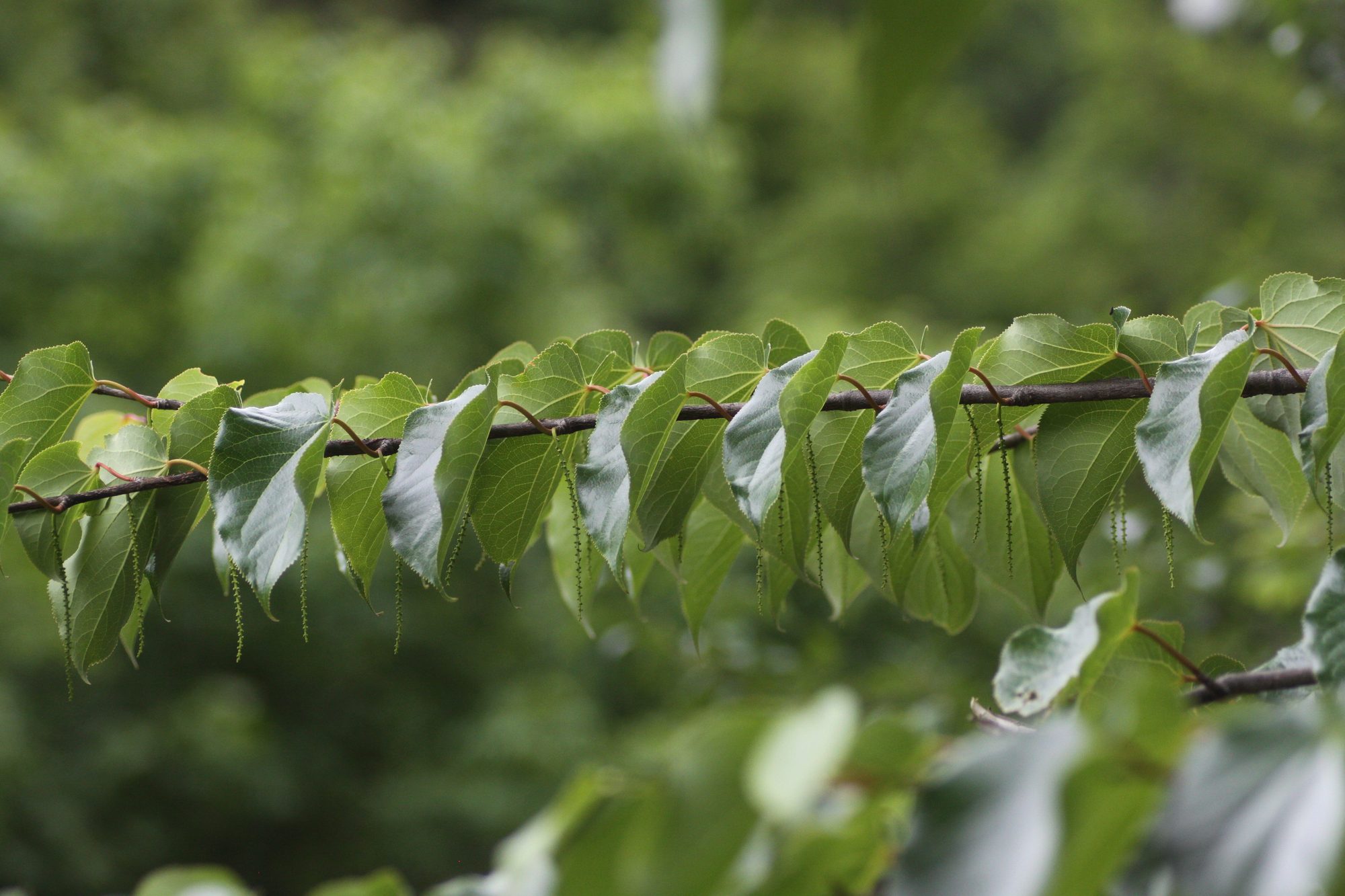 field record 03
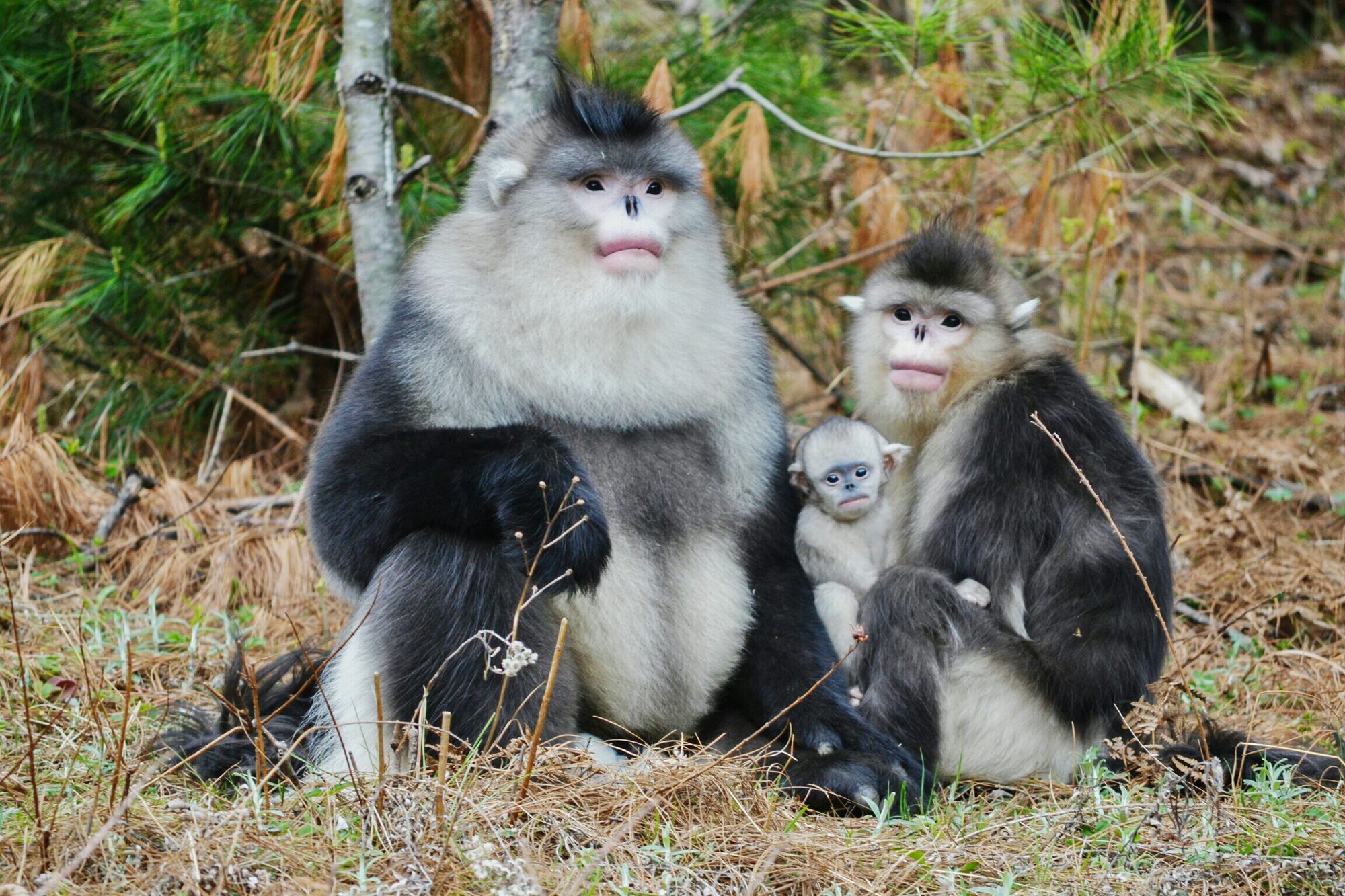 field record 04
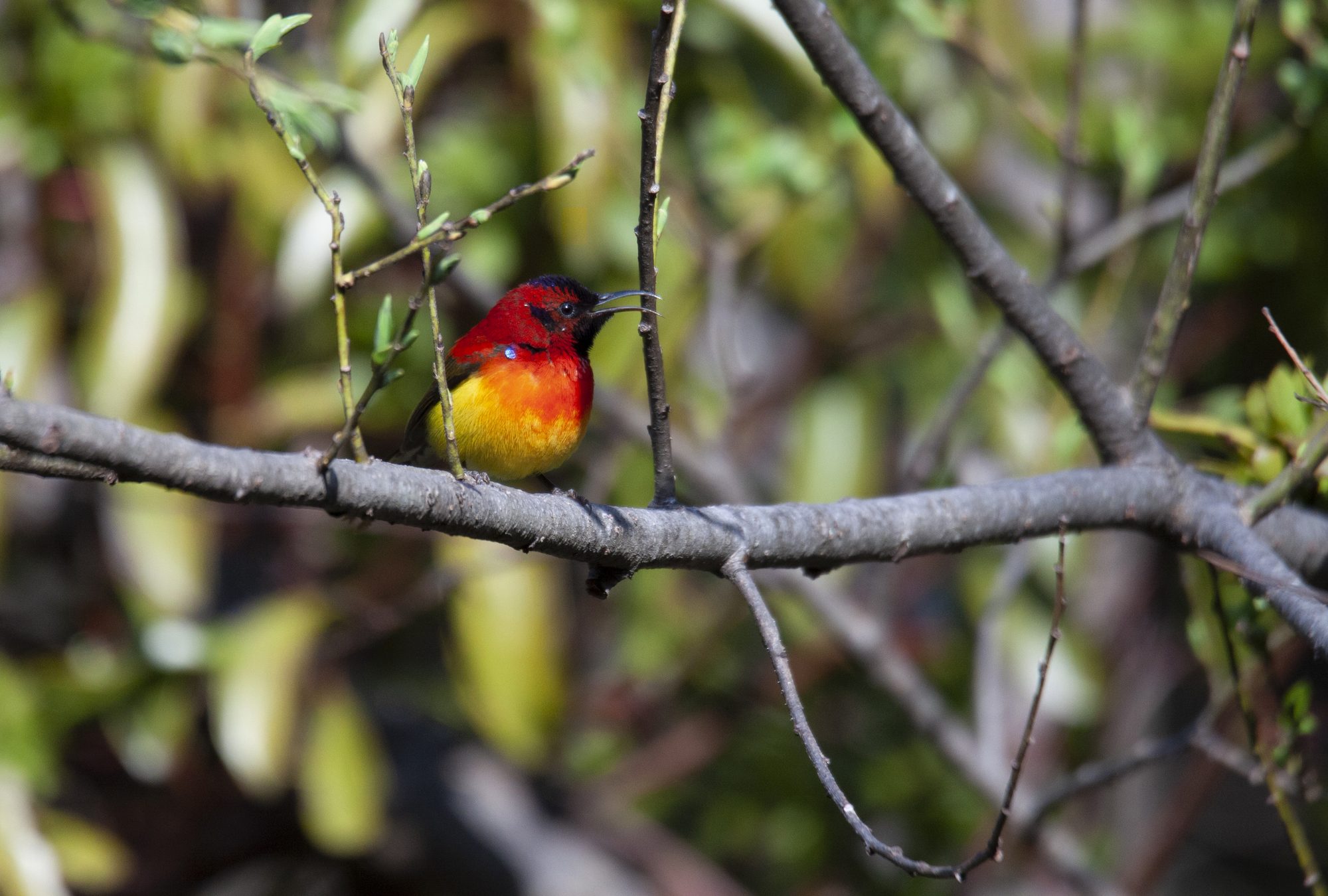 field record 05
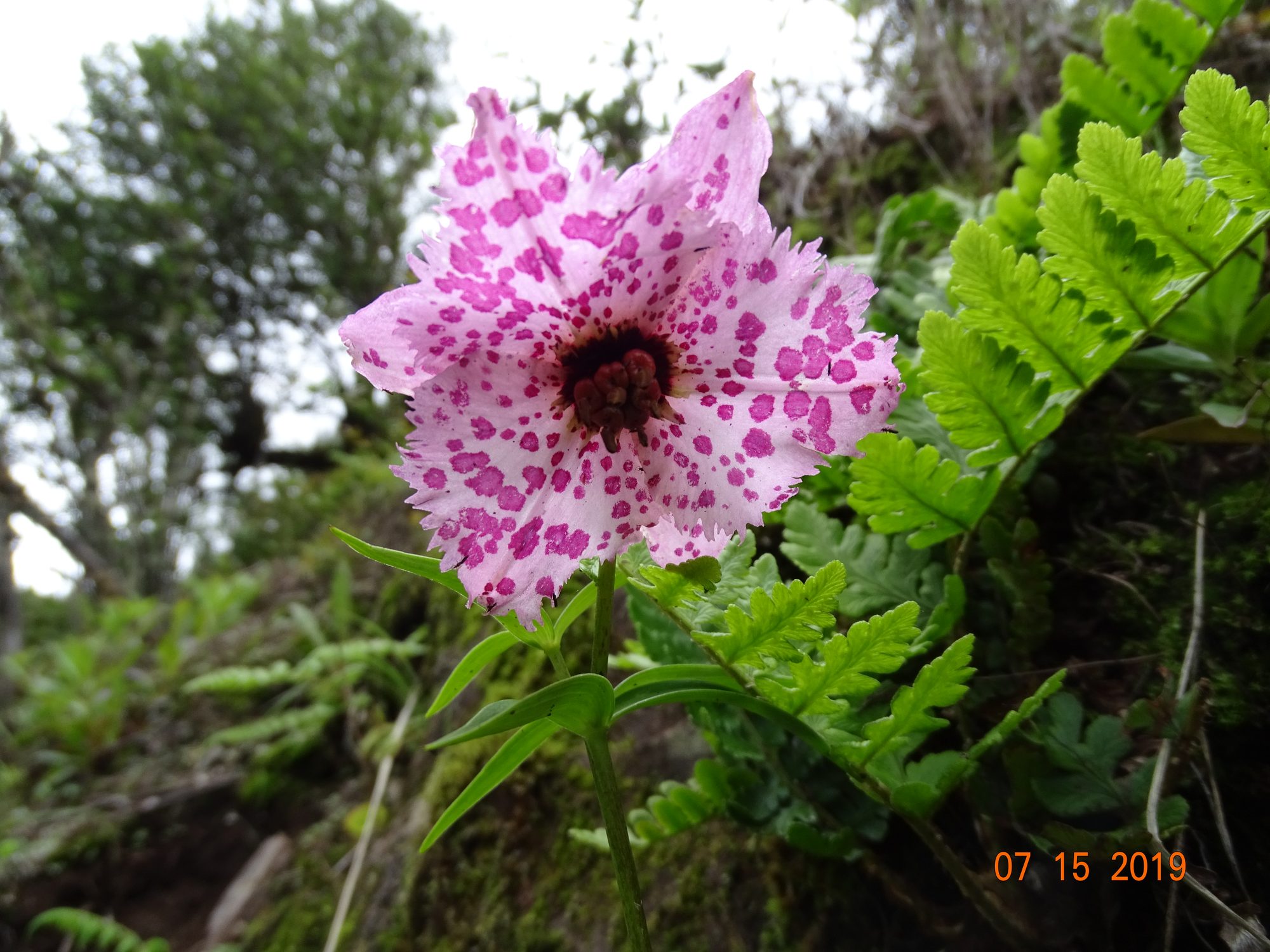 field record 06
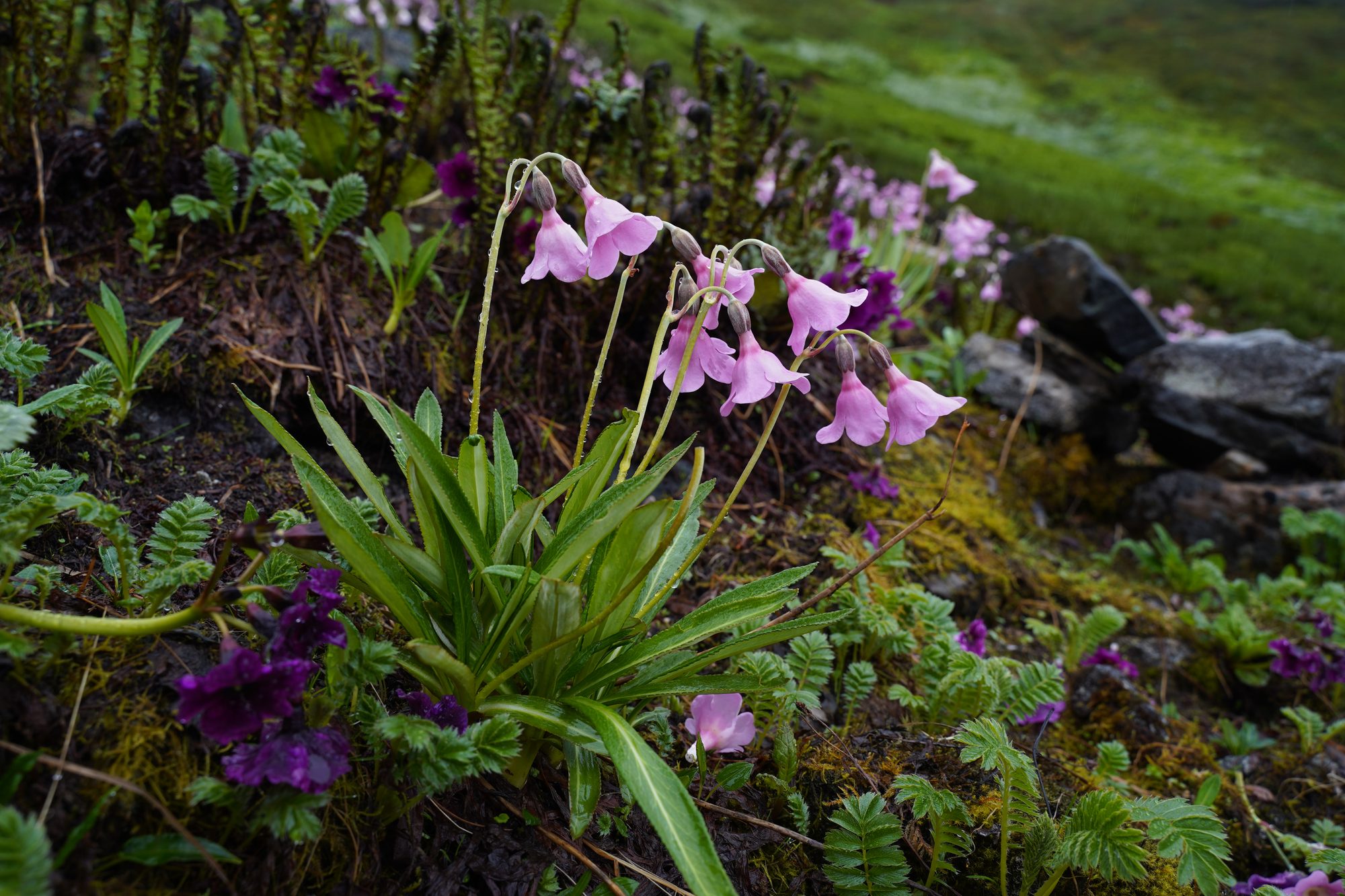 field record 07
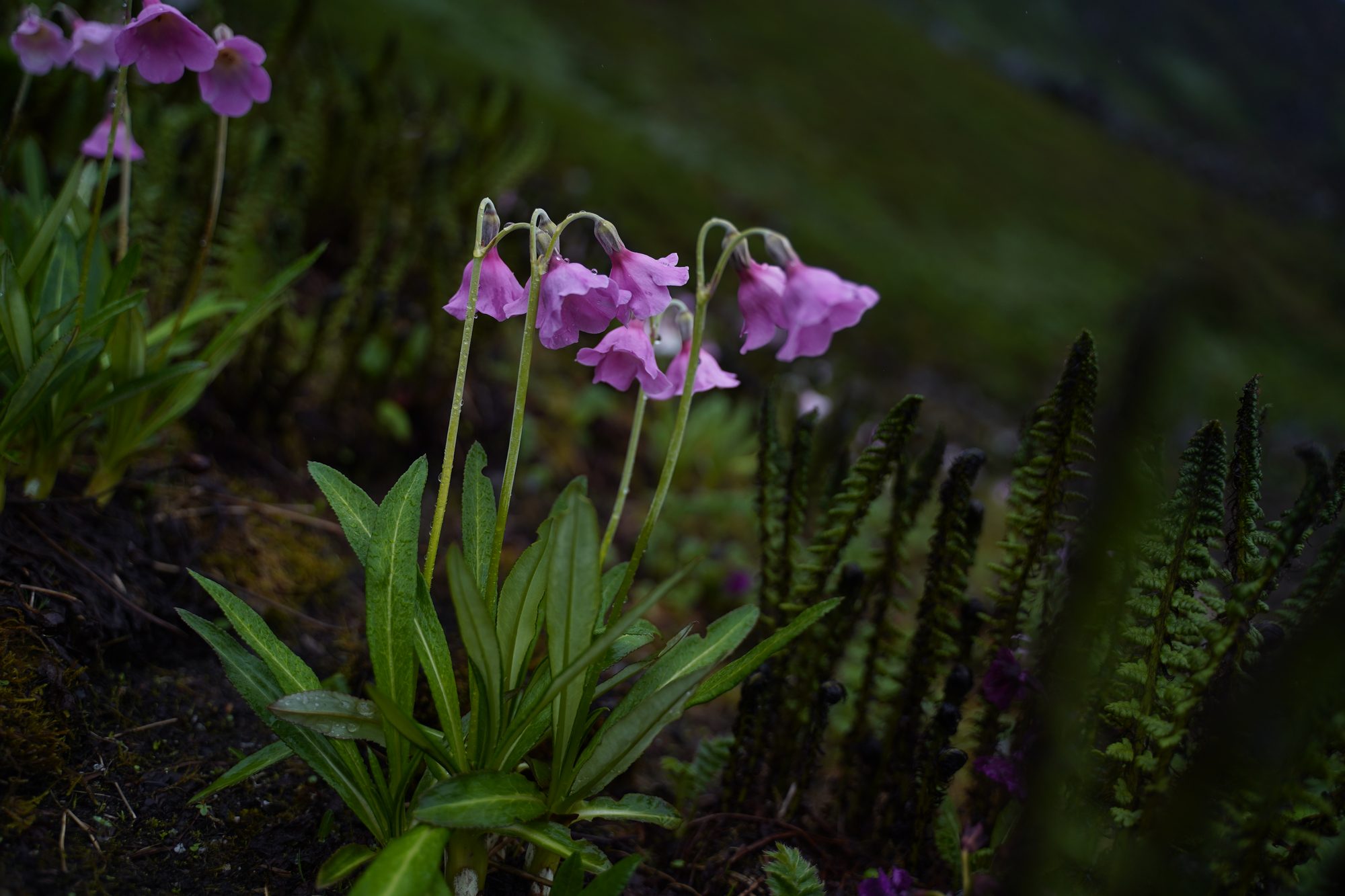 field record 08
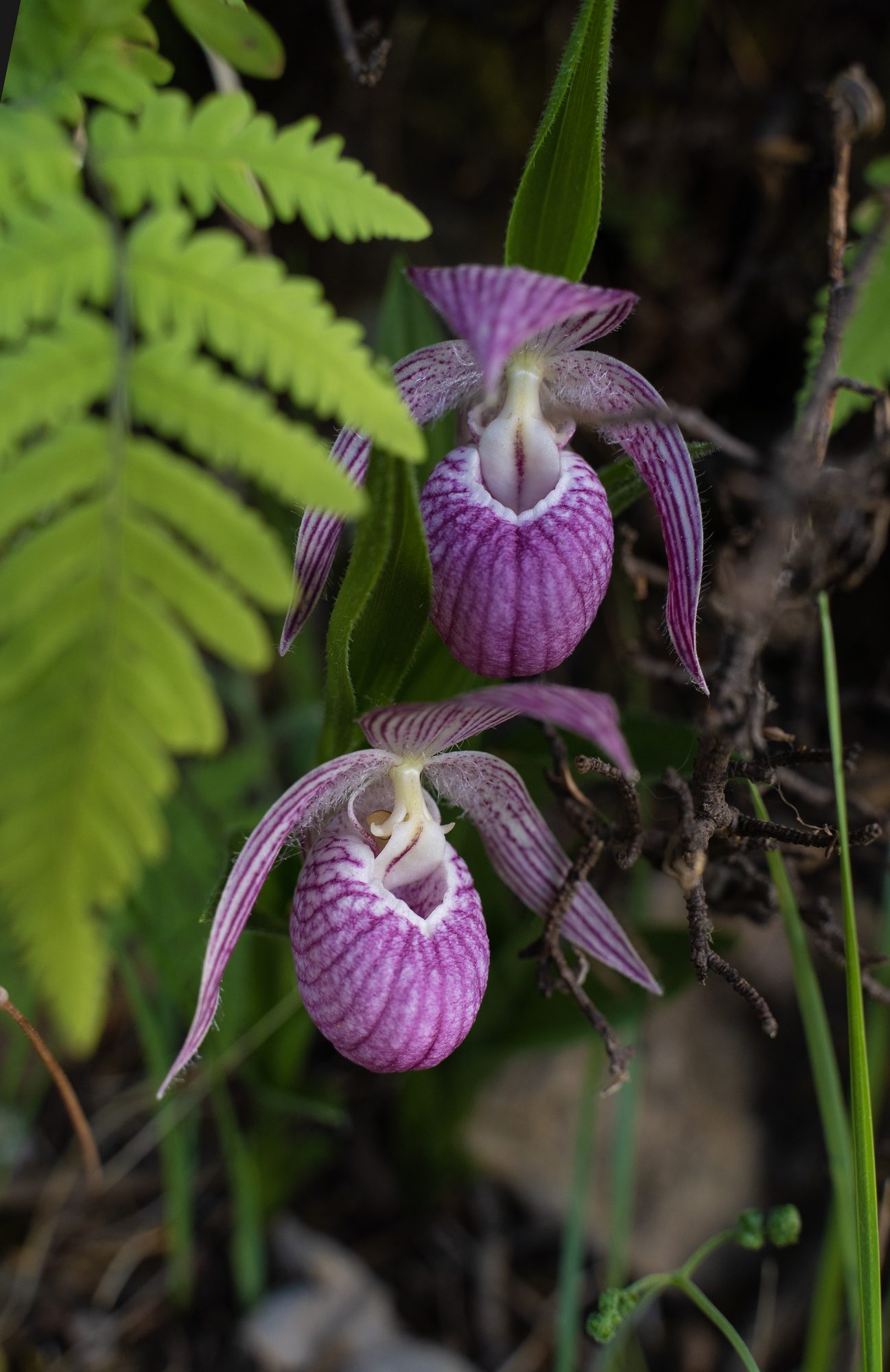 field record 09
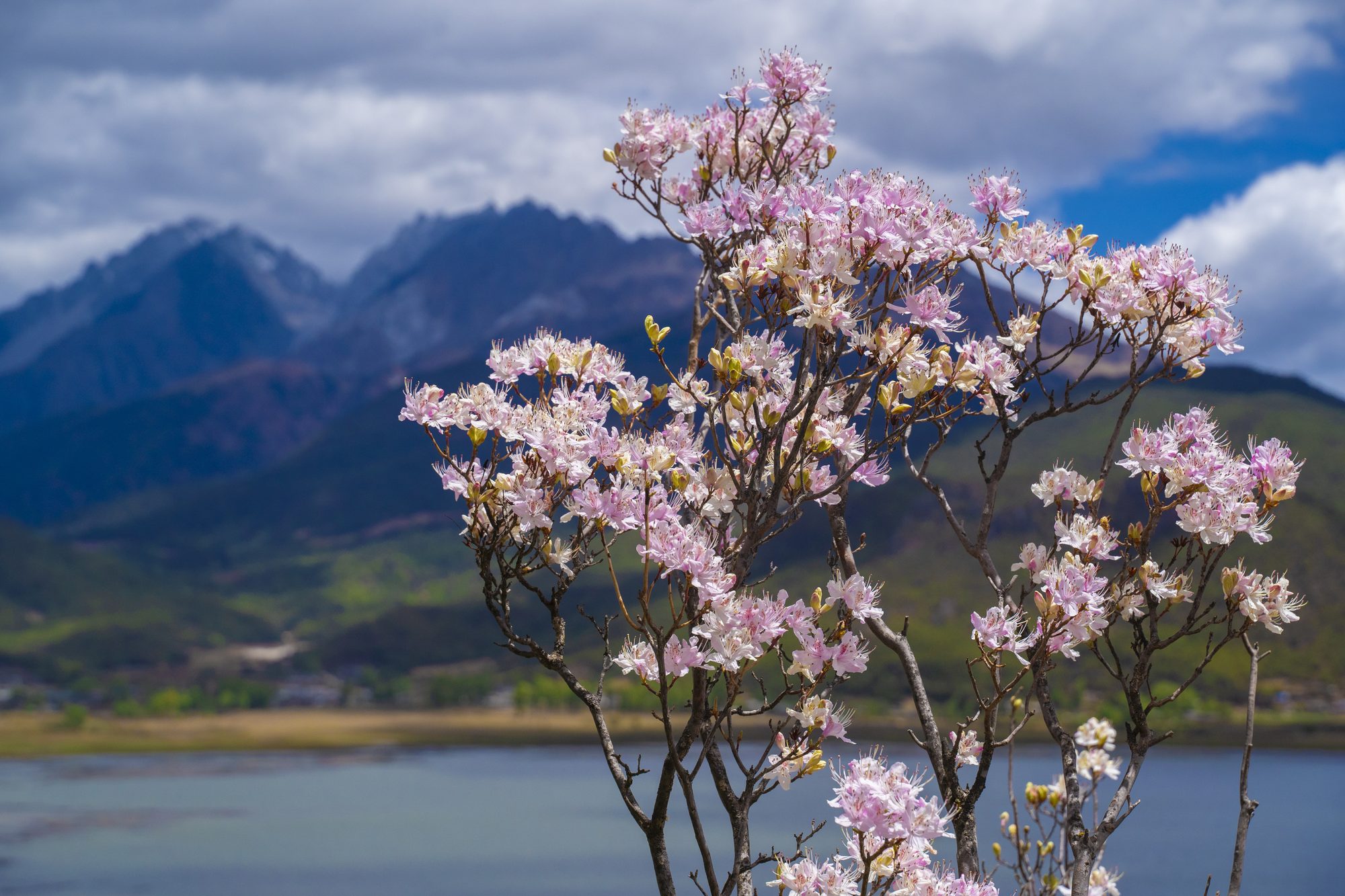 field record 10
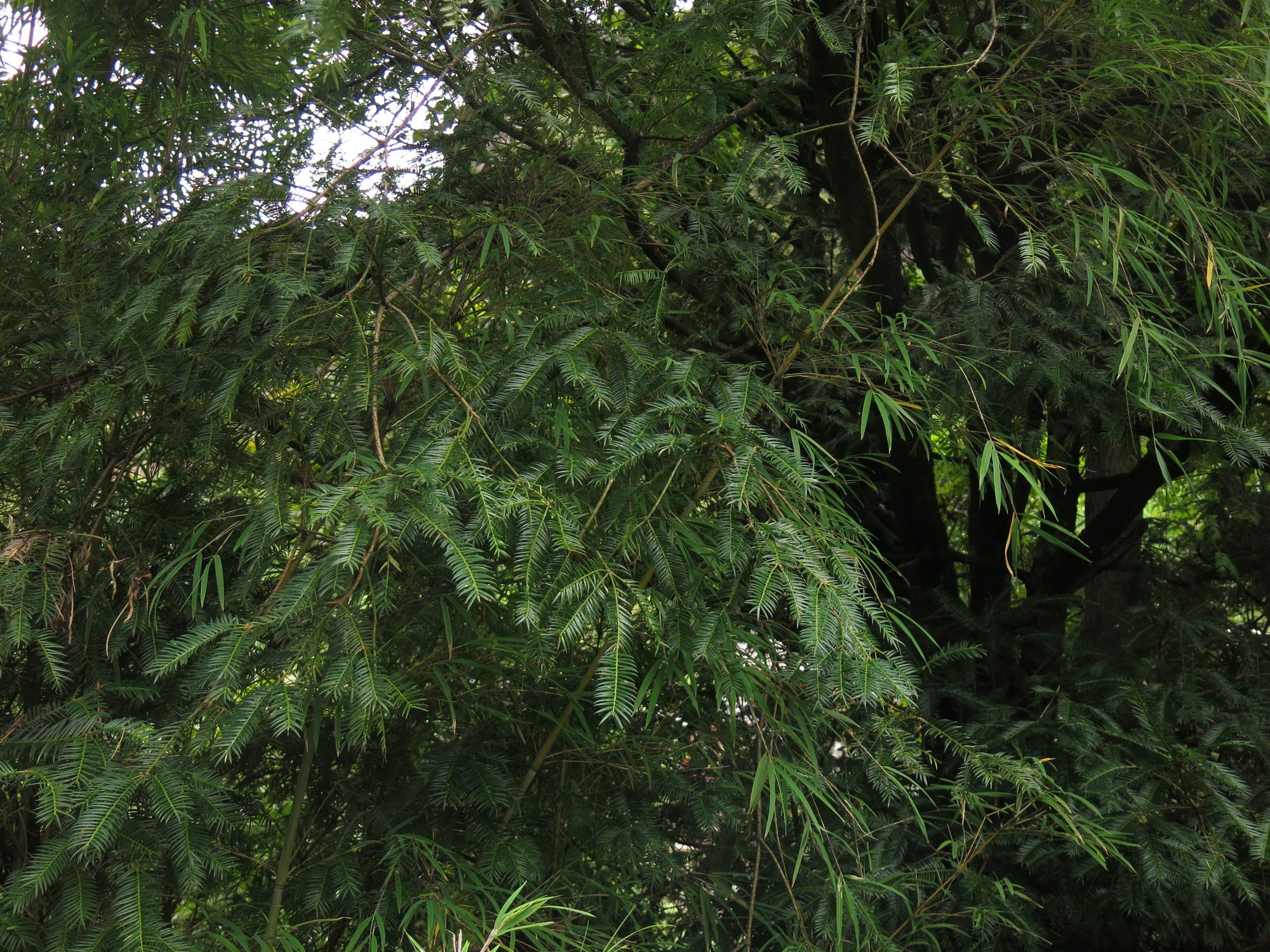 field record 11
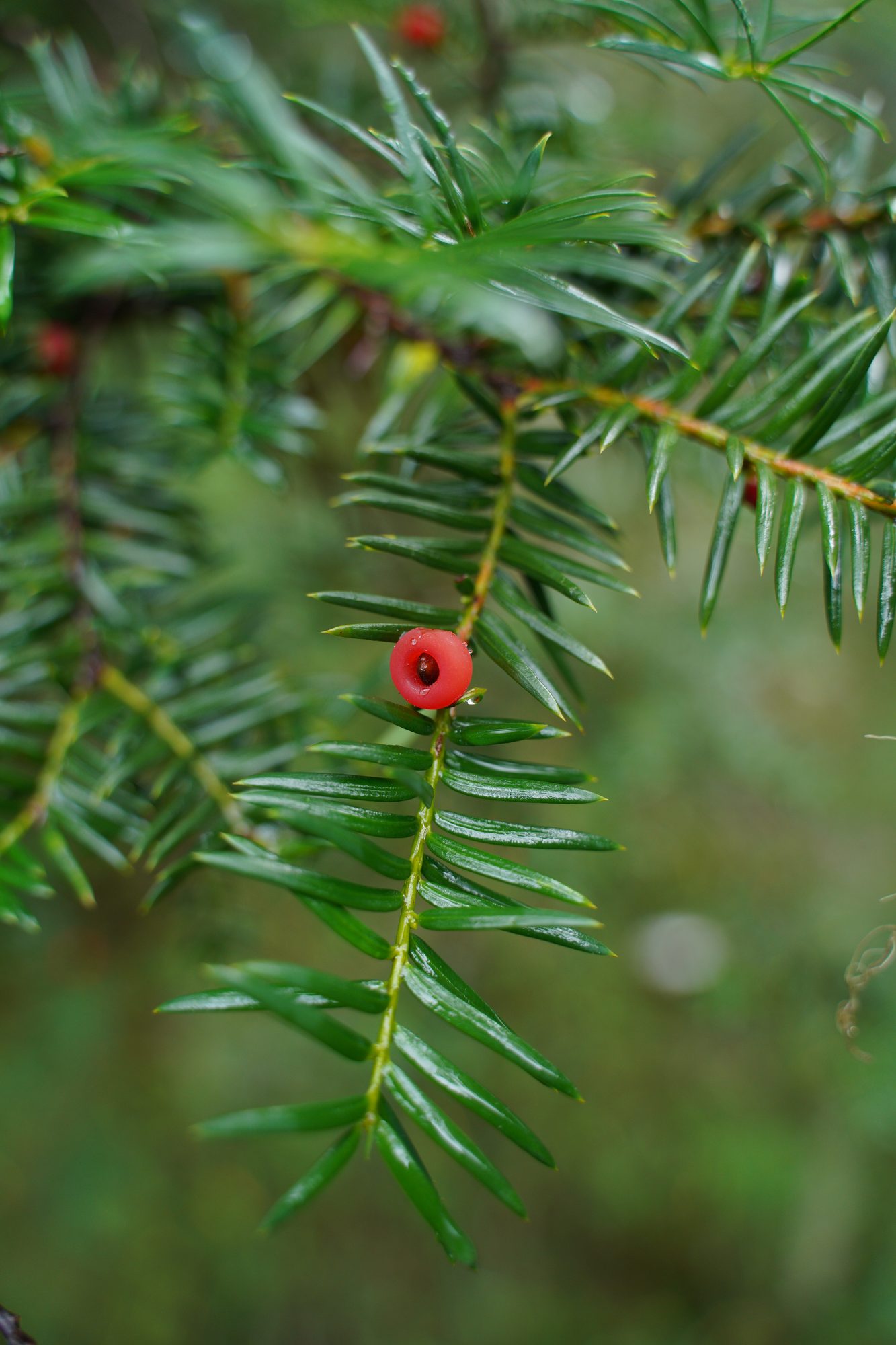 field record 12
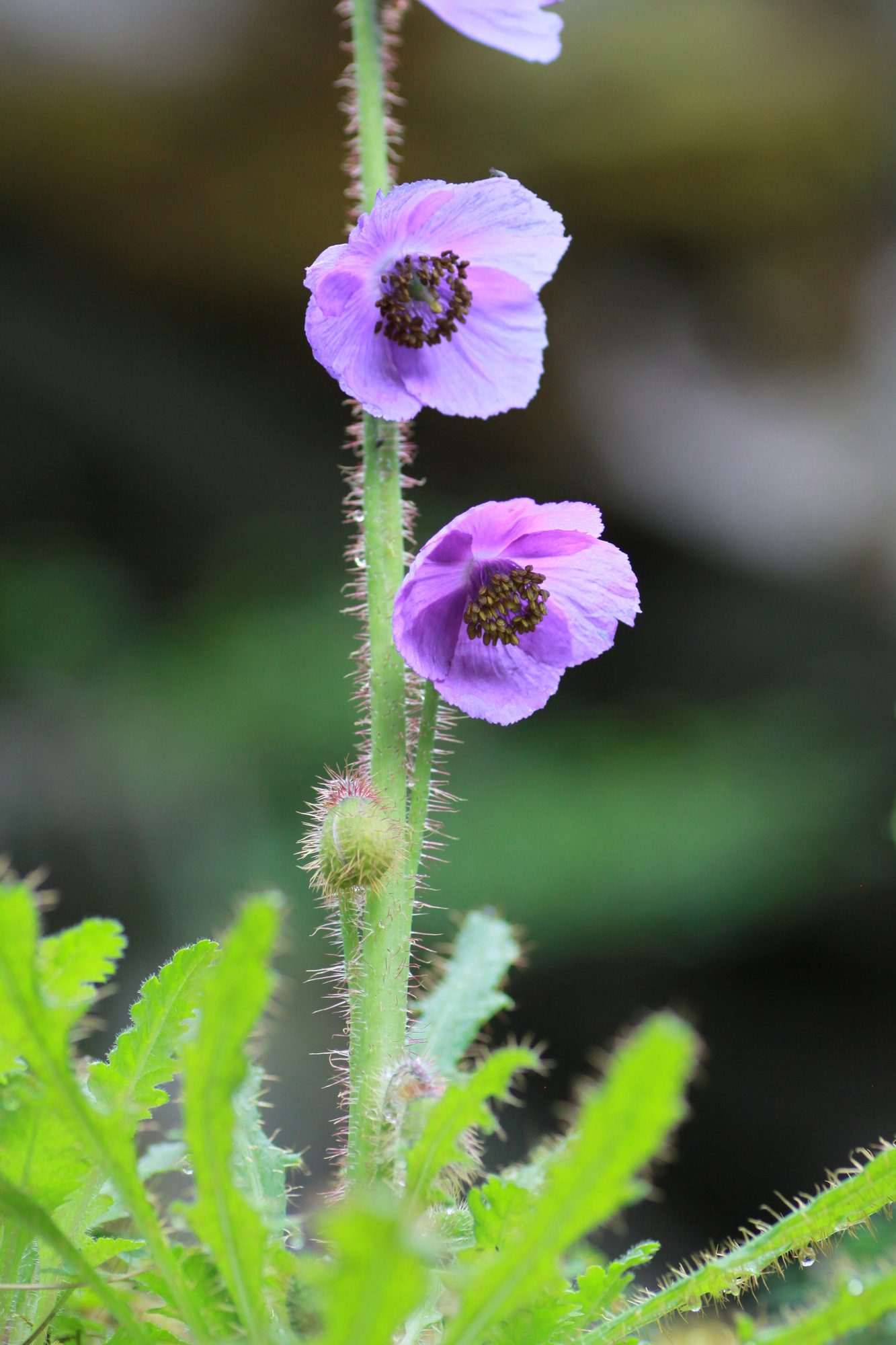 field record 13
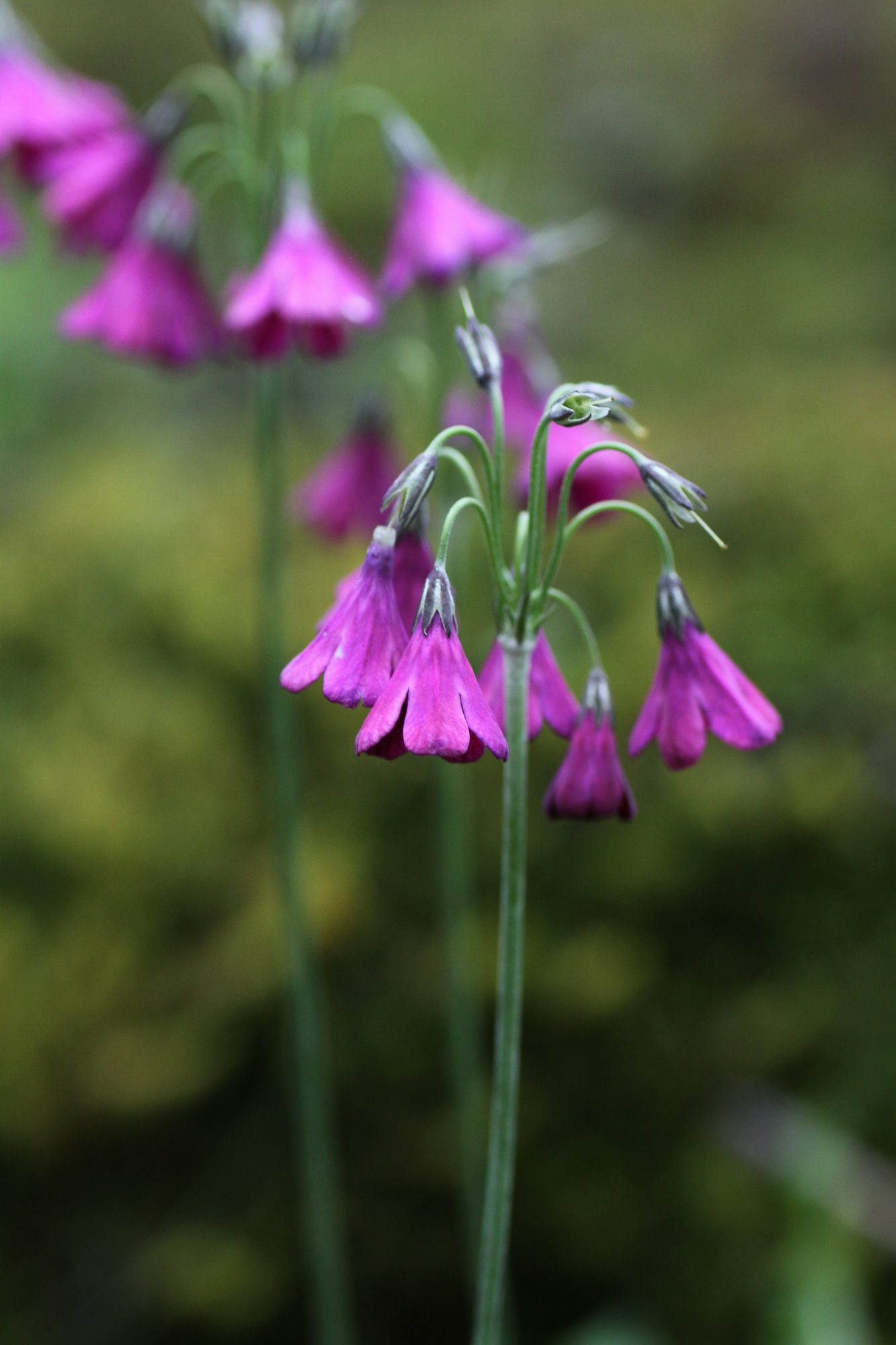 field record 14
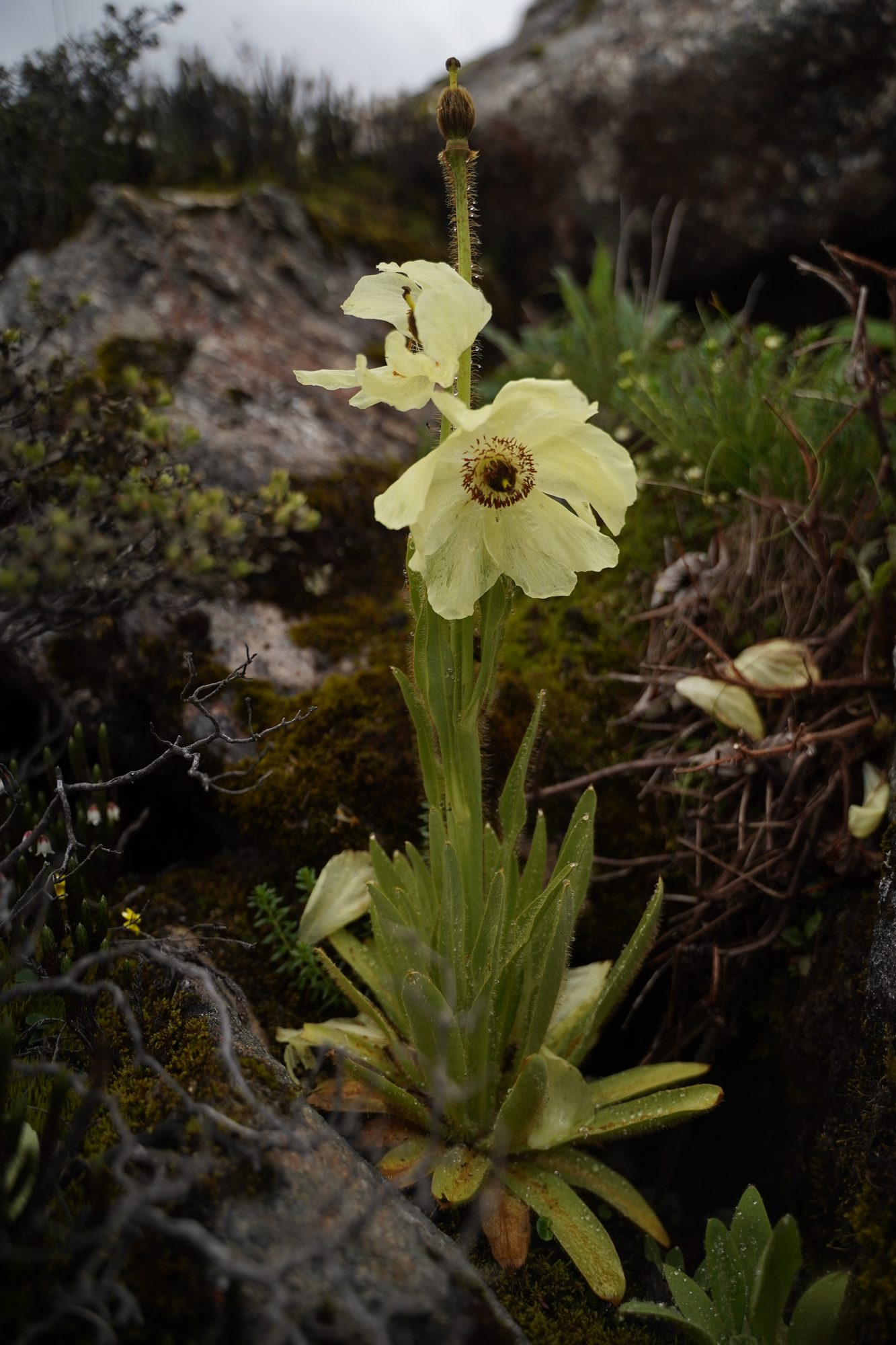 field record 15
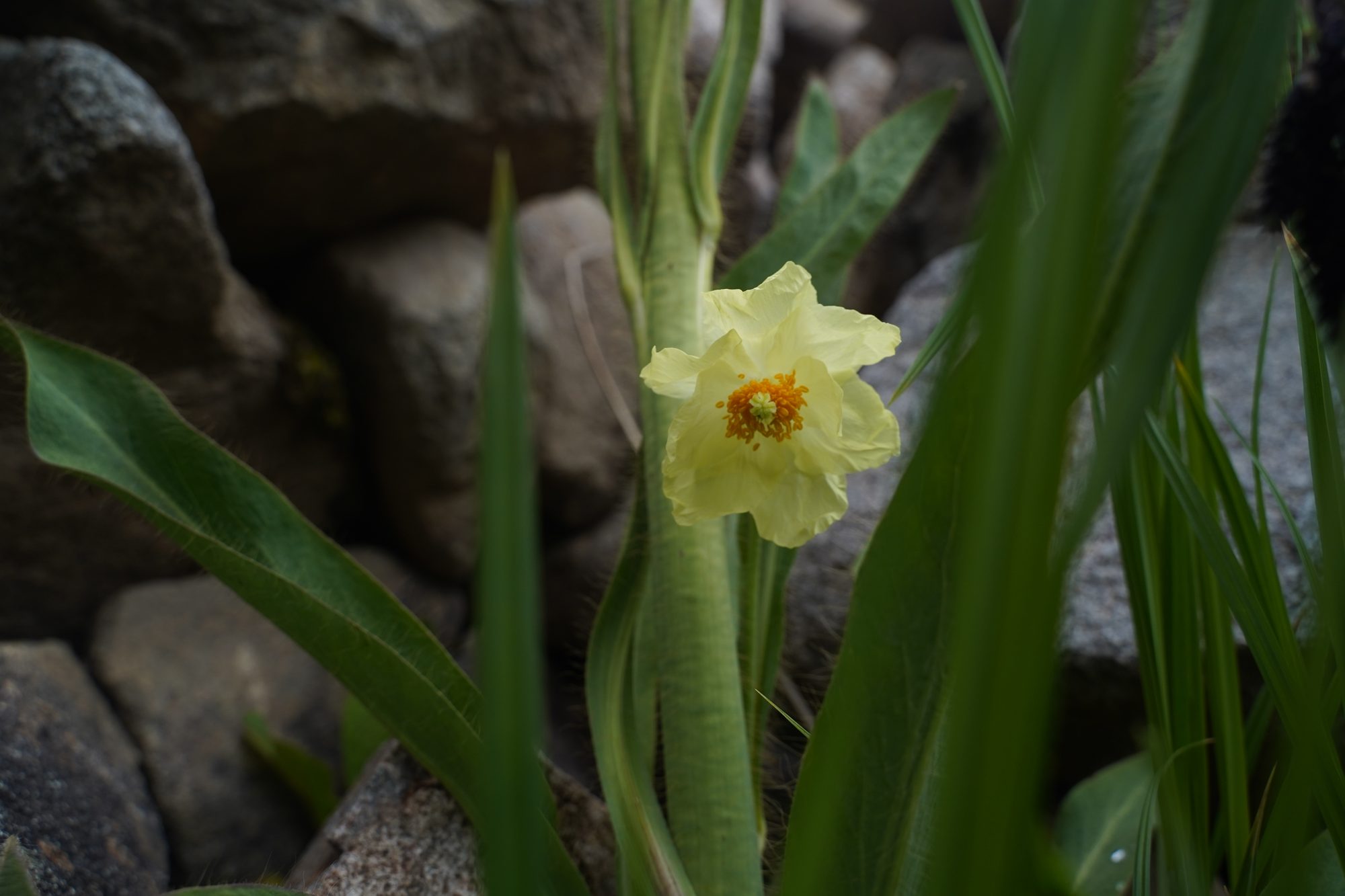 field record 16
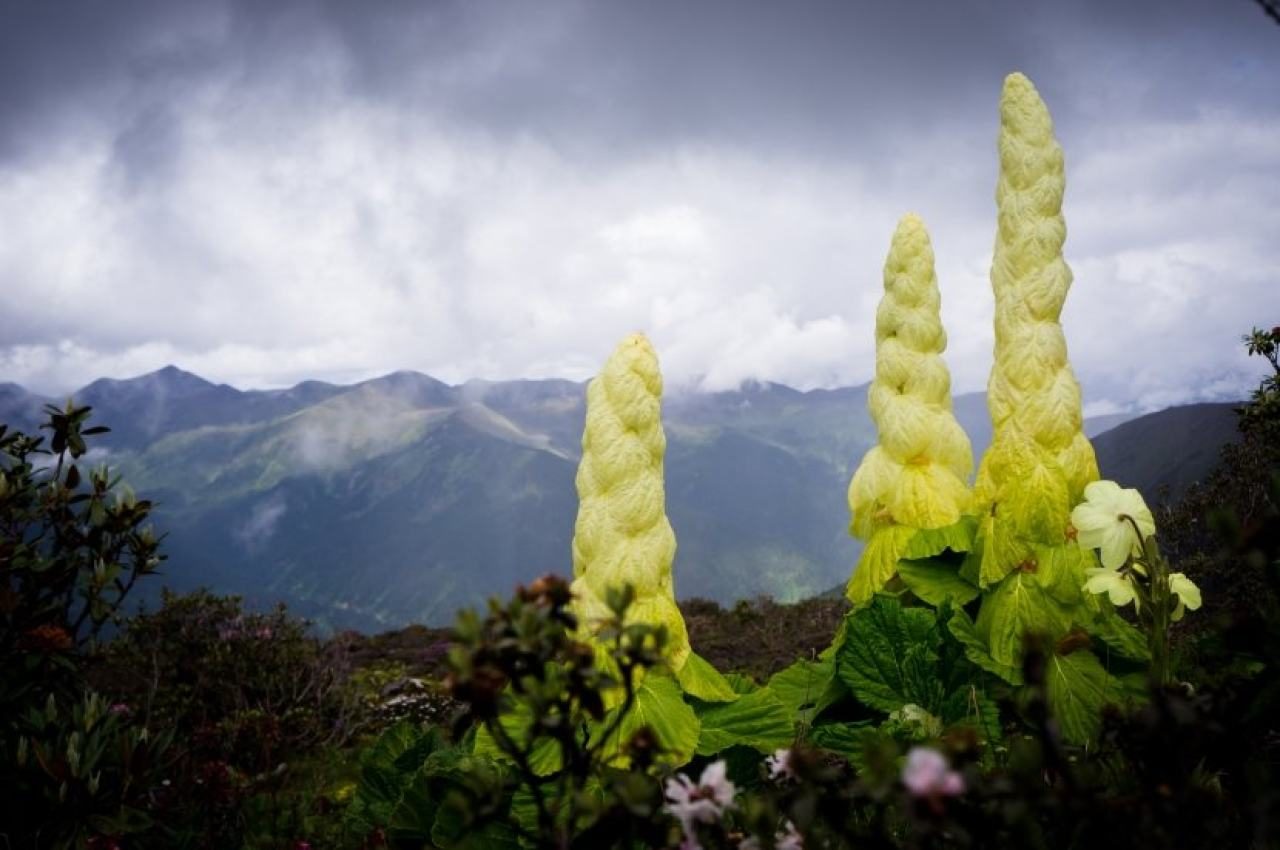 field record 17
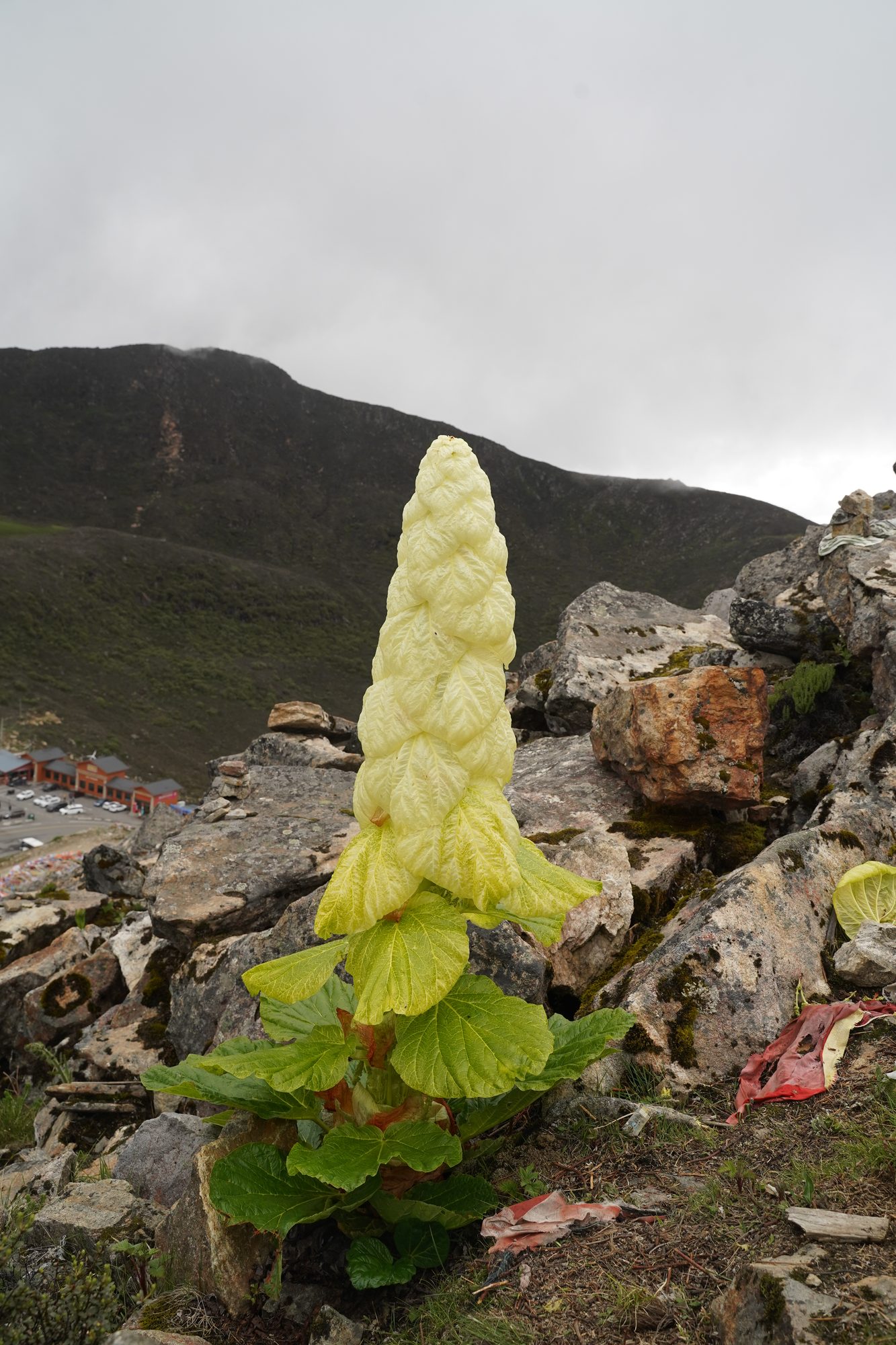 field record 18
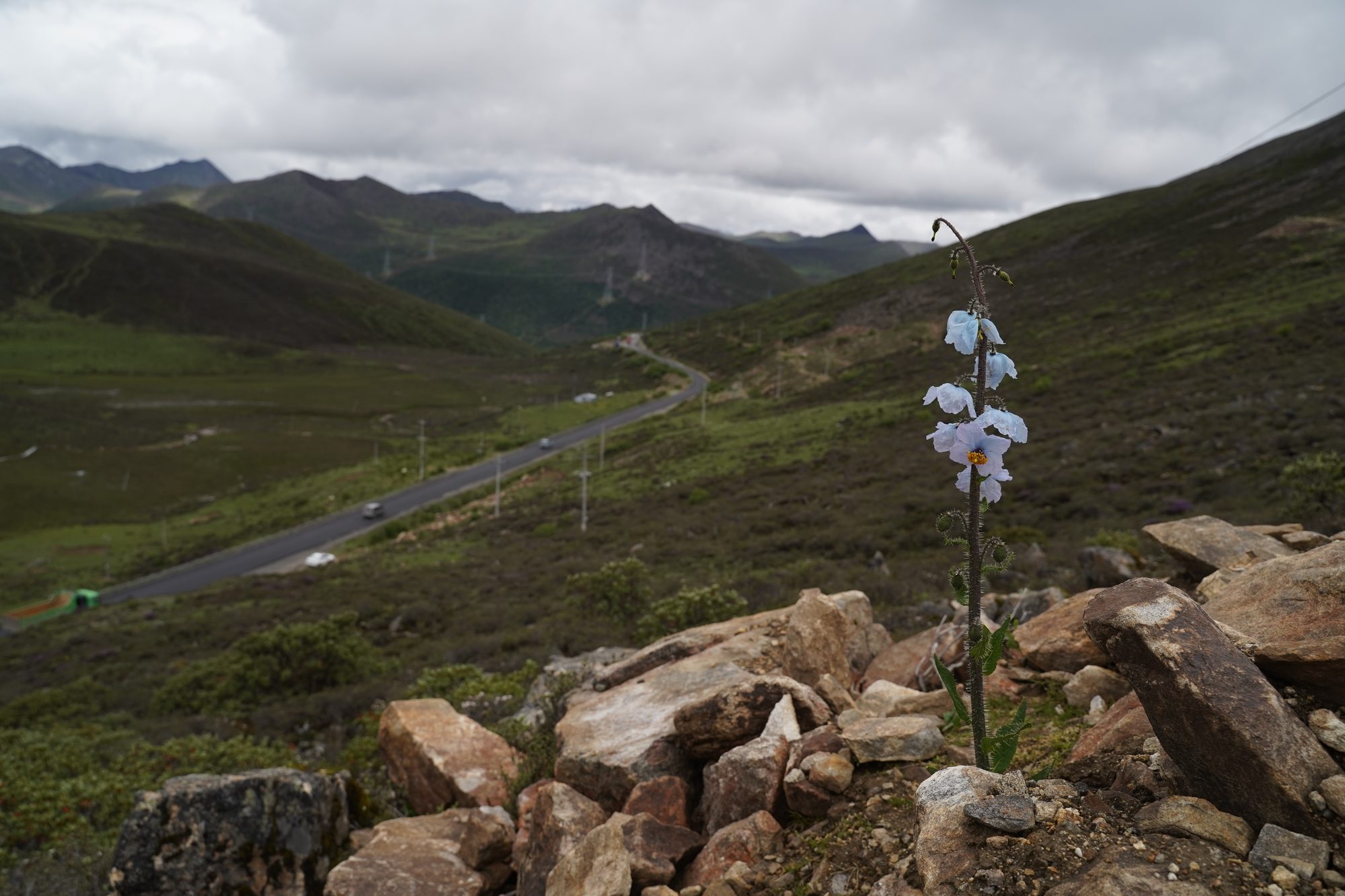 field record 19
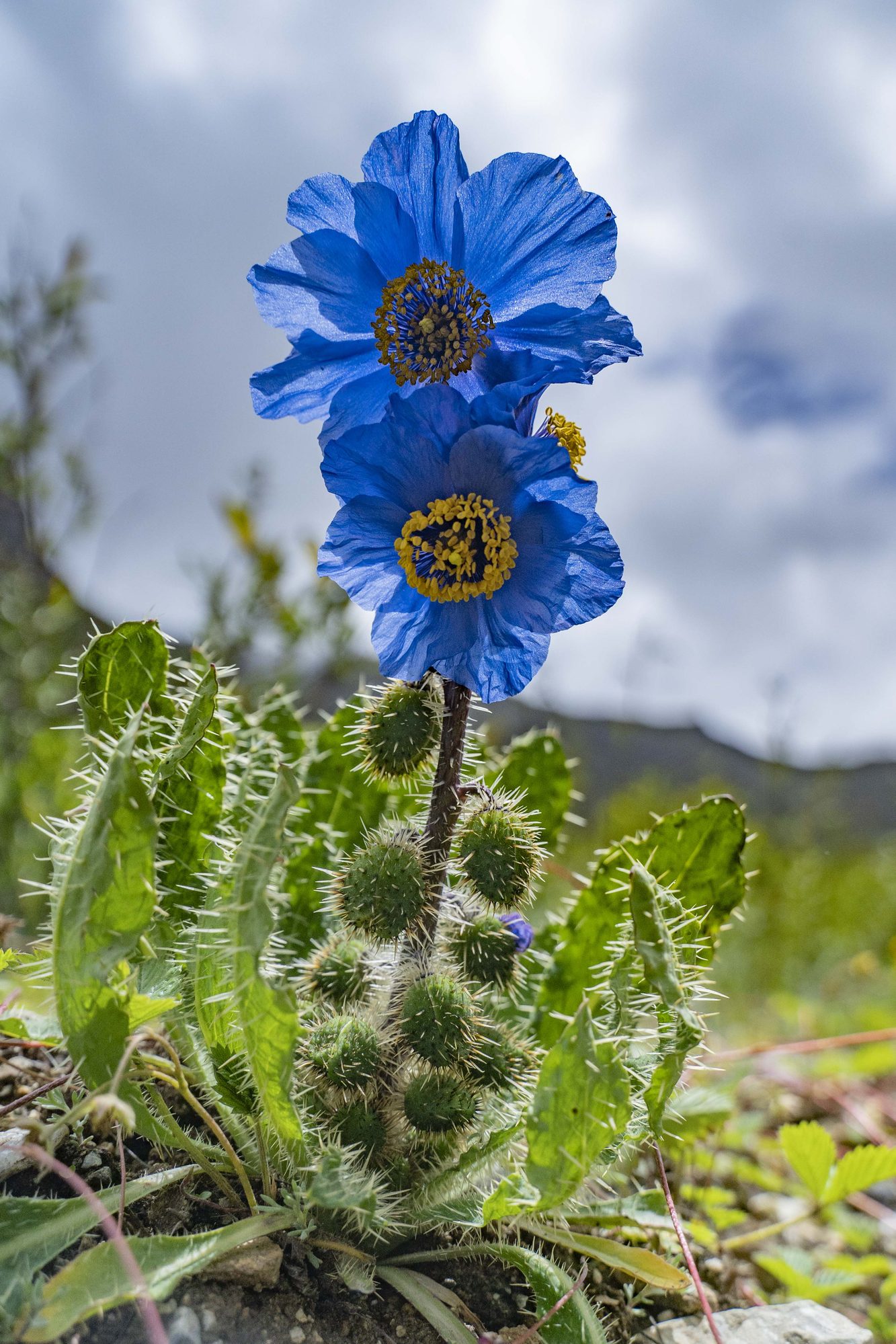 field record 20
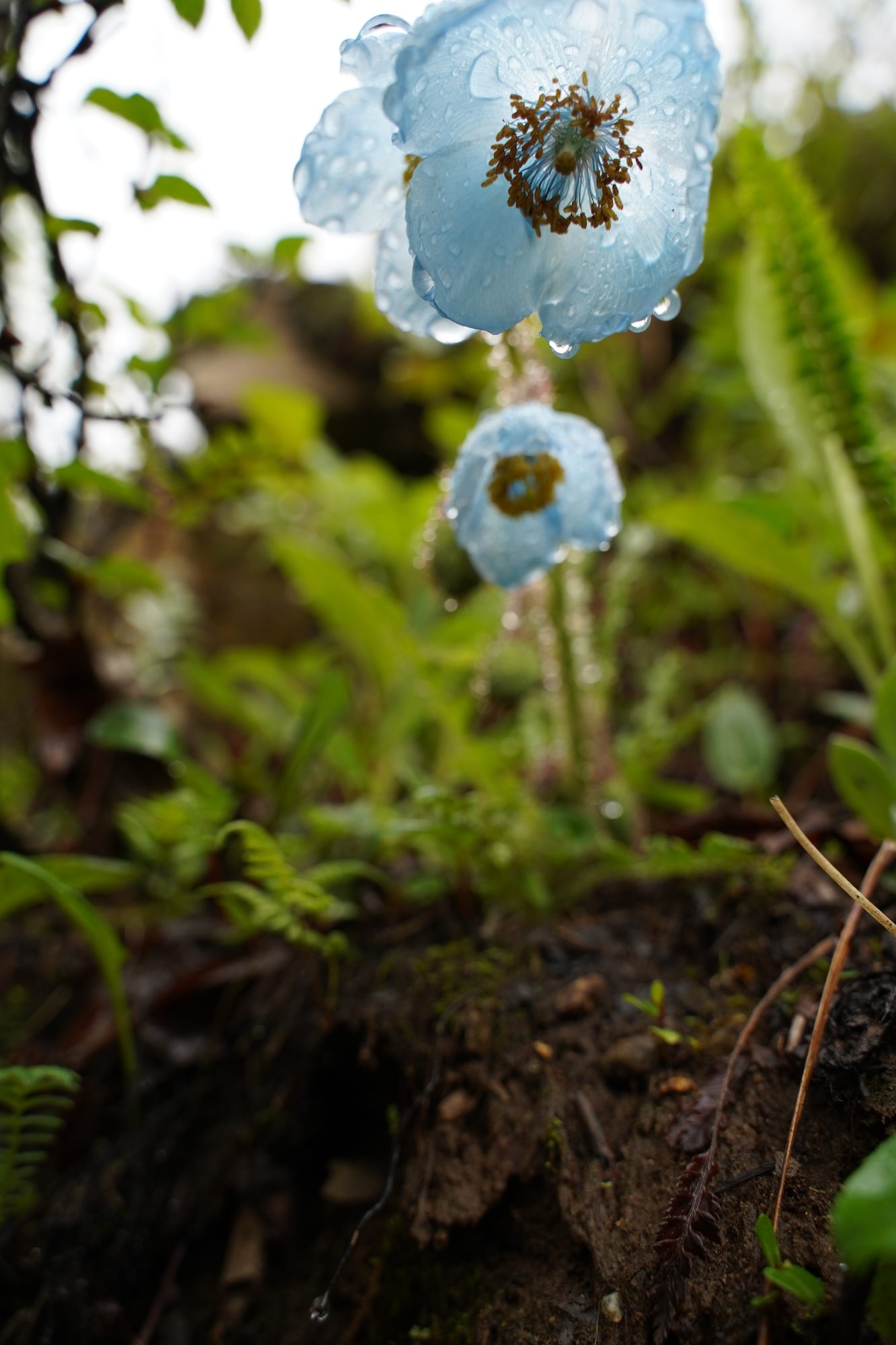 field record 21
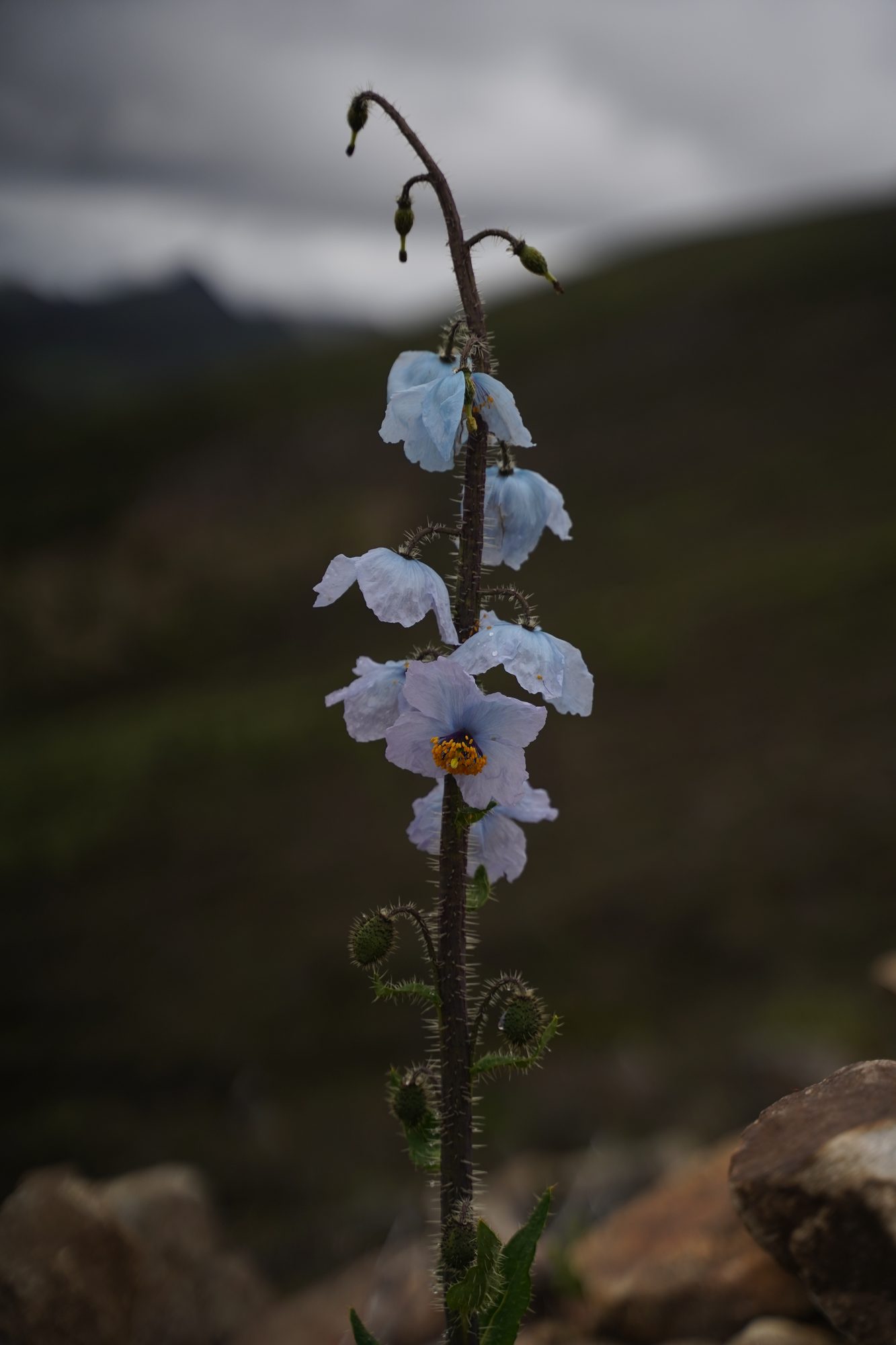 field record 22
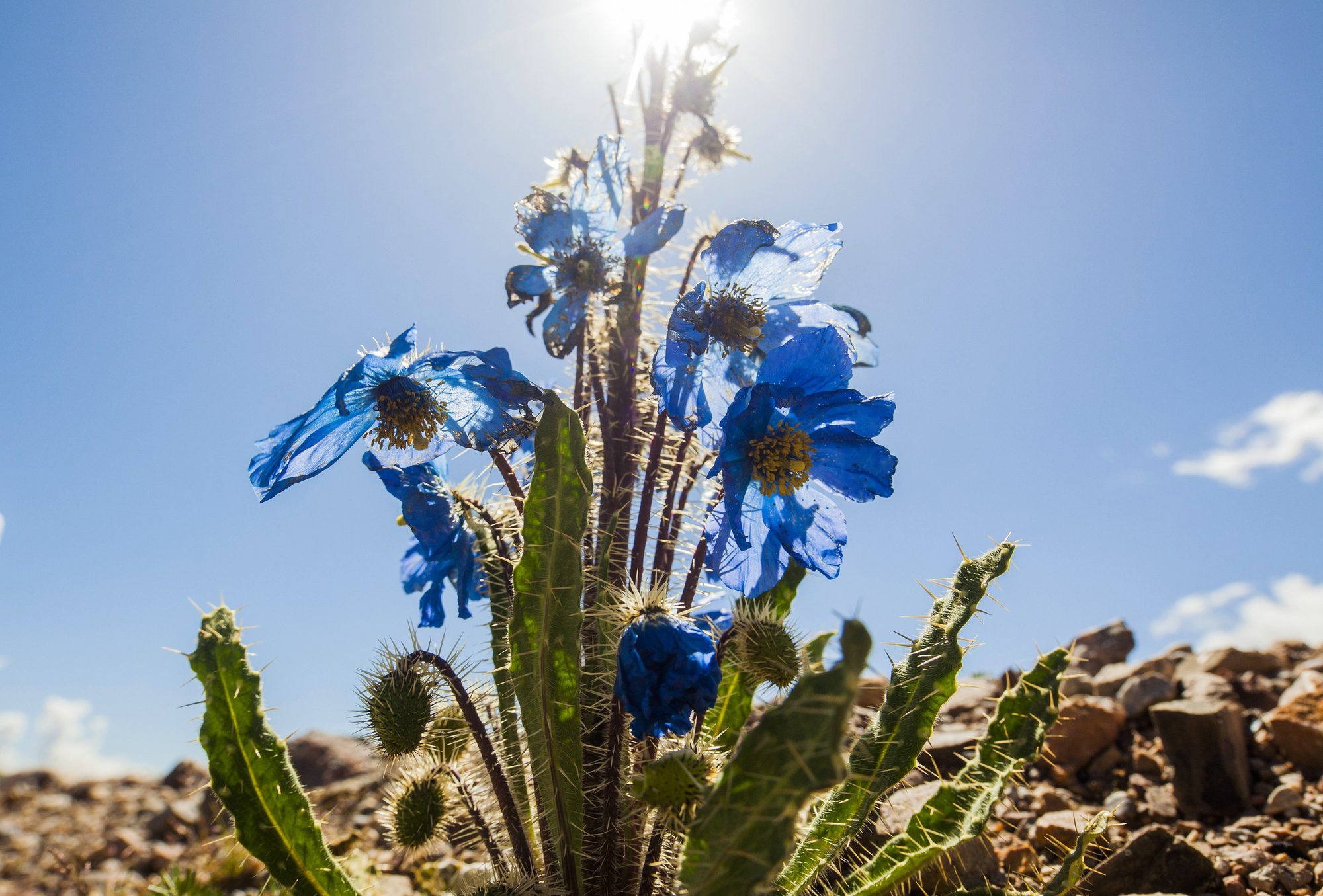 field record 23
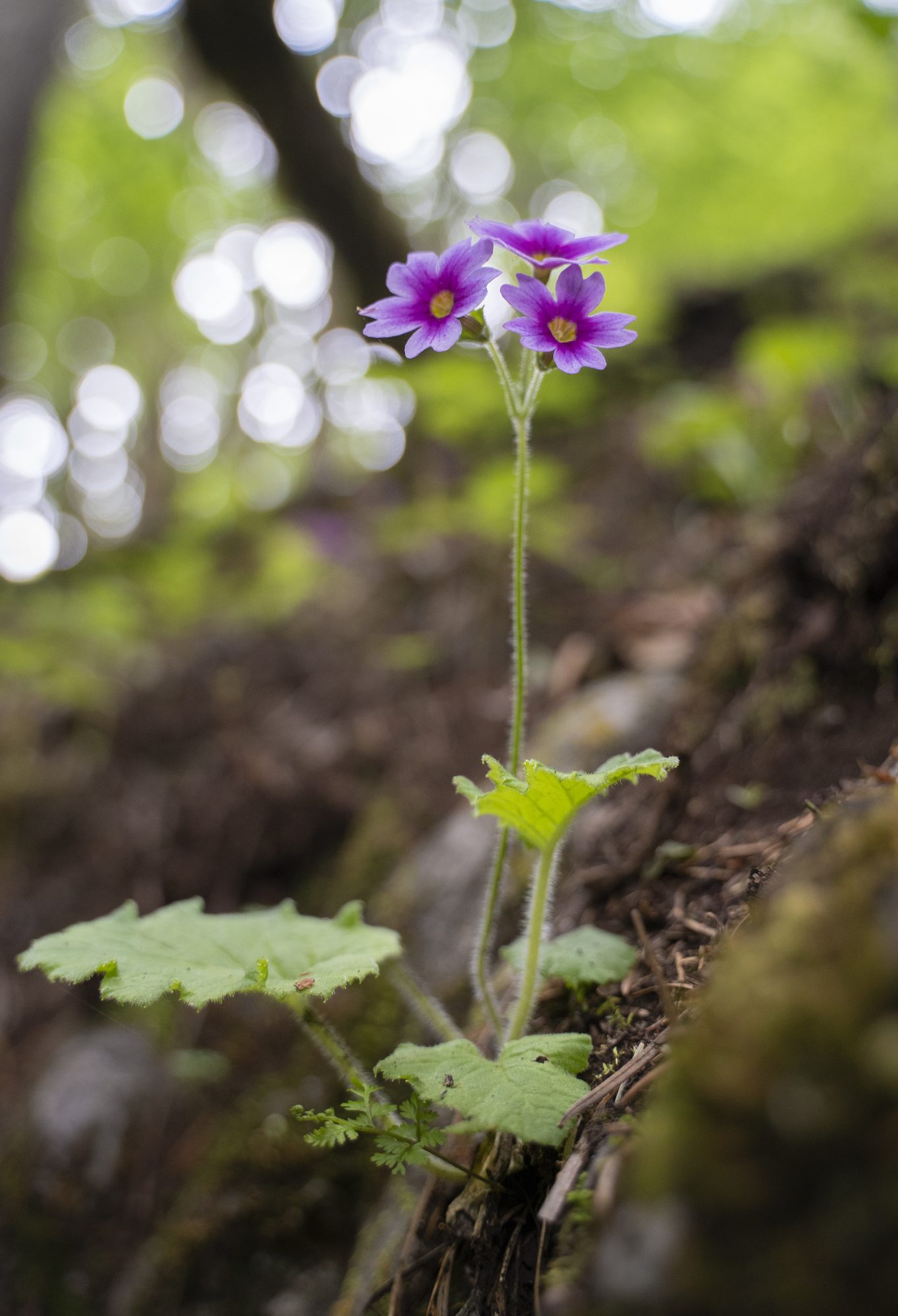 field record 24
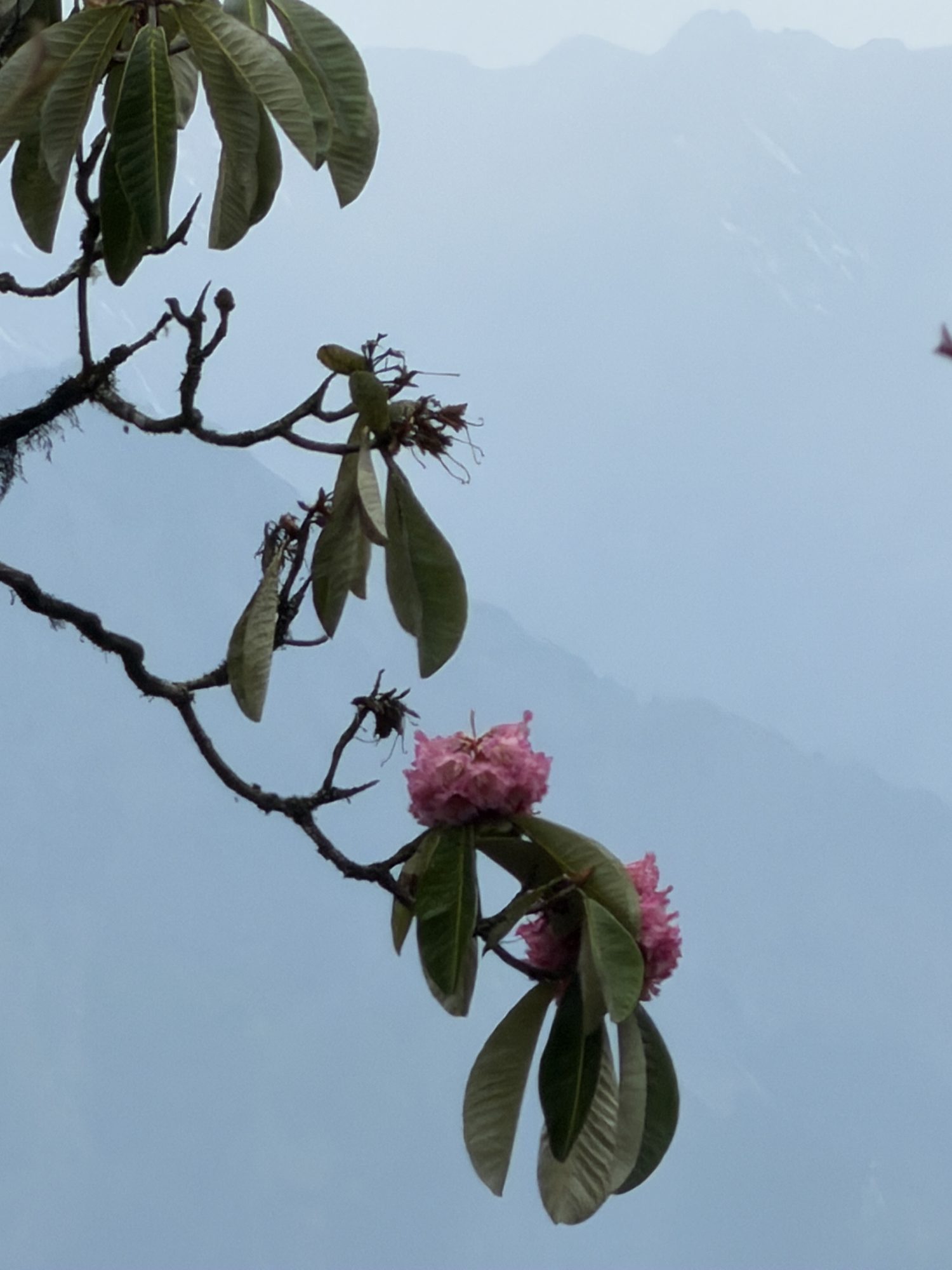 field record 25
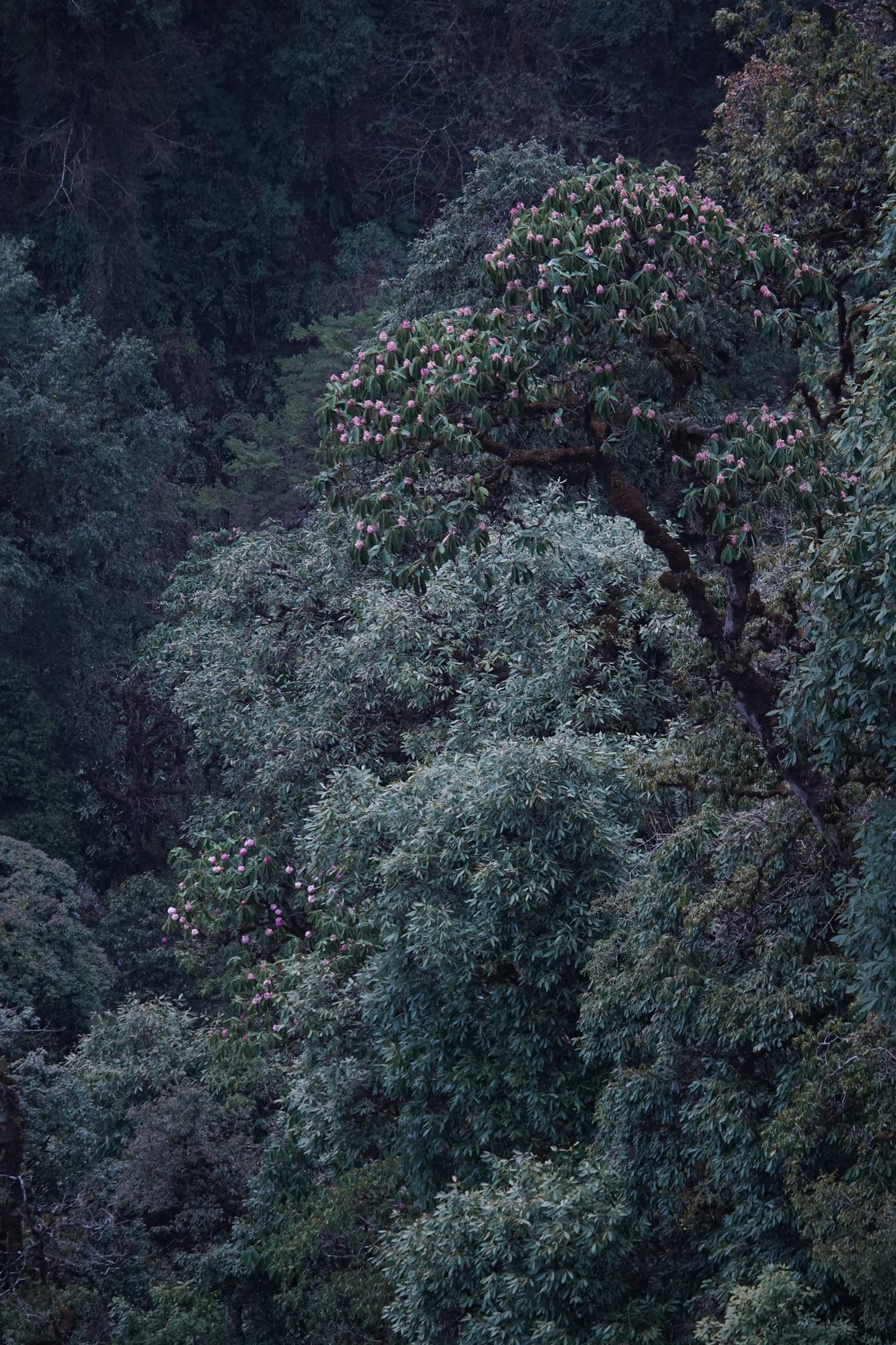 field record 26
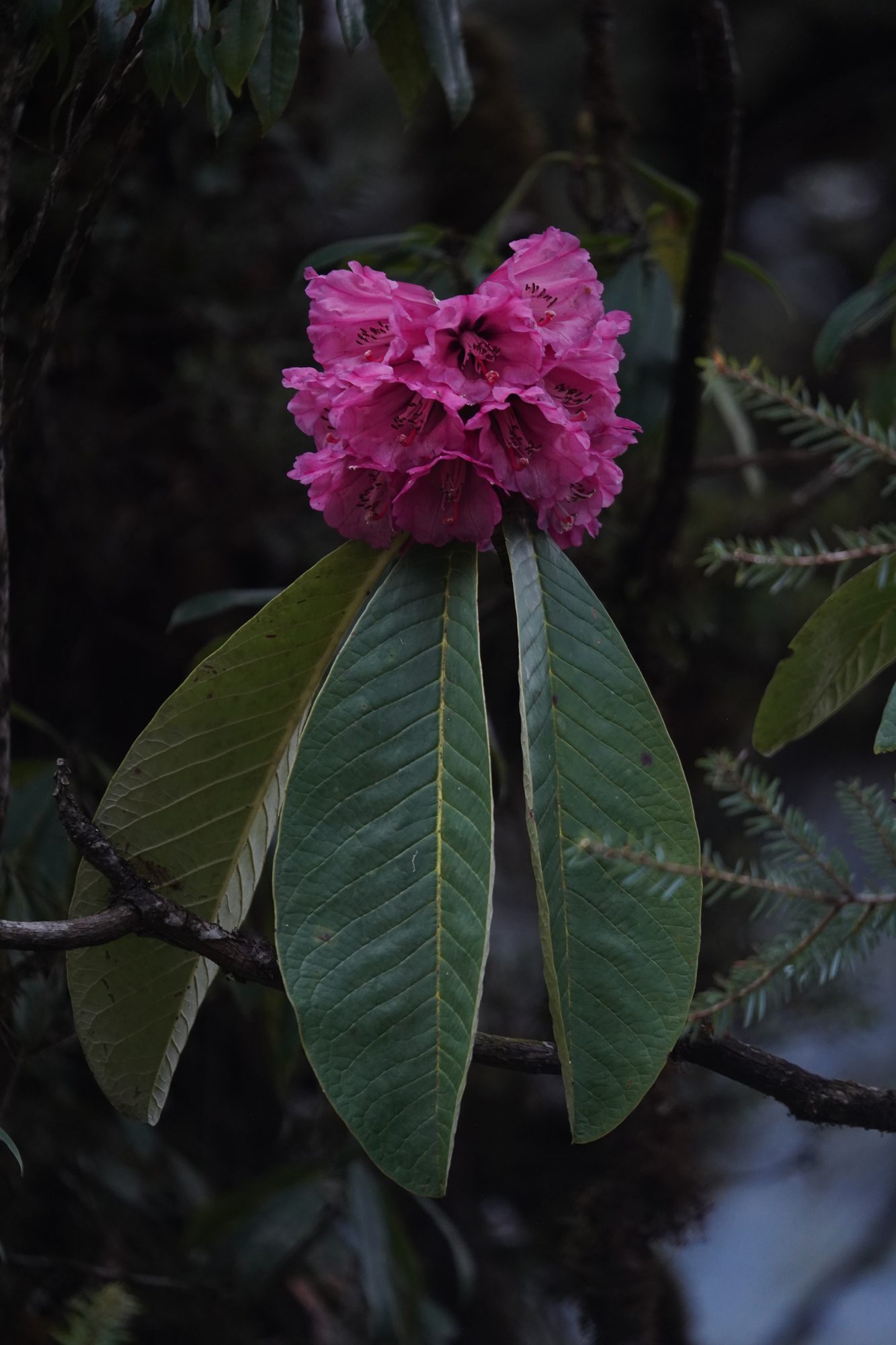 field record 27
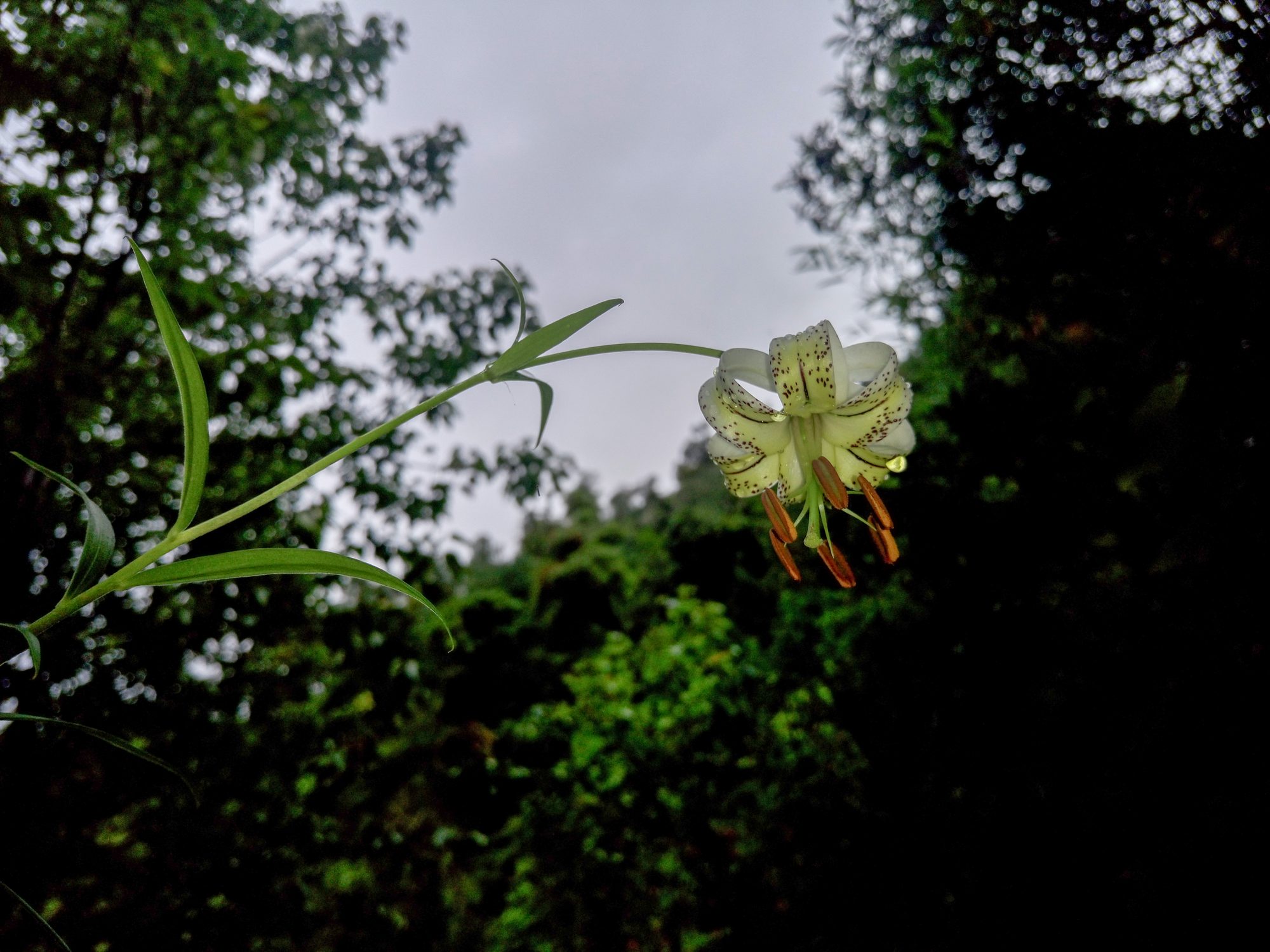 field record 28
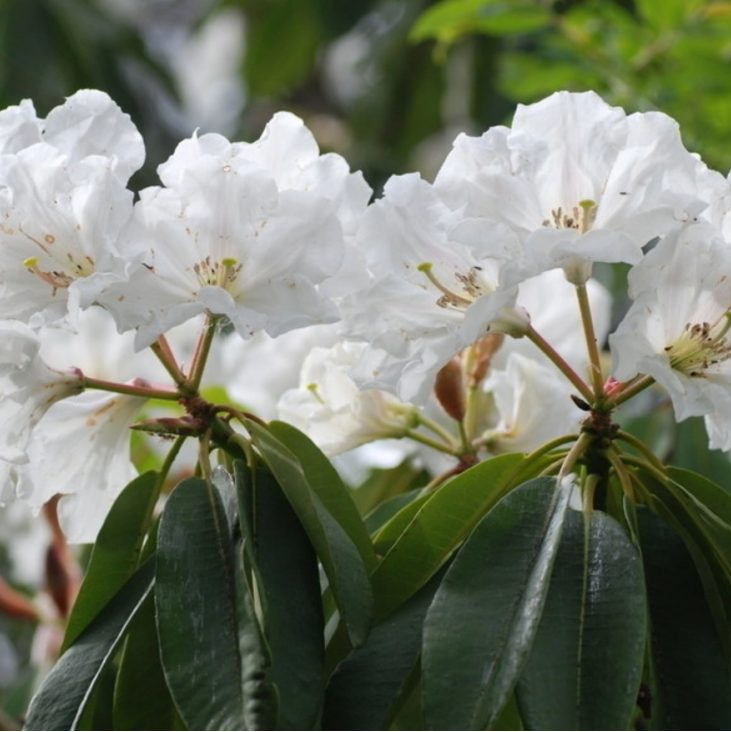 field record 29
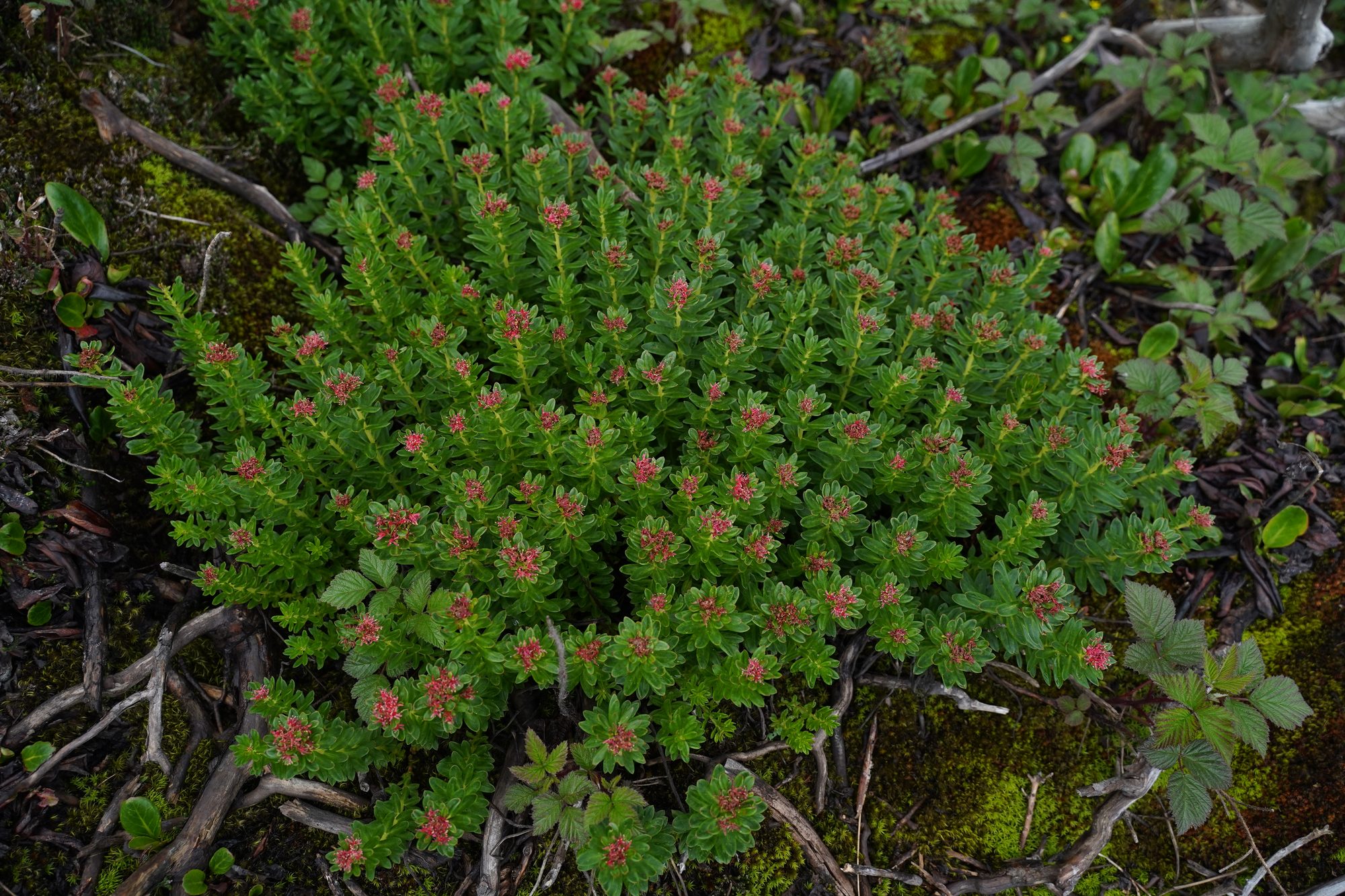 field record 30
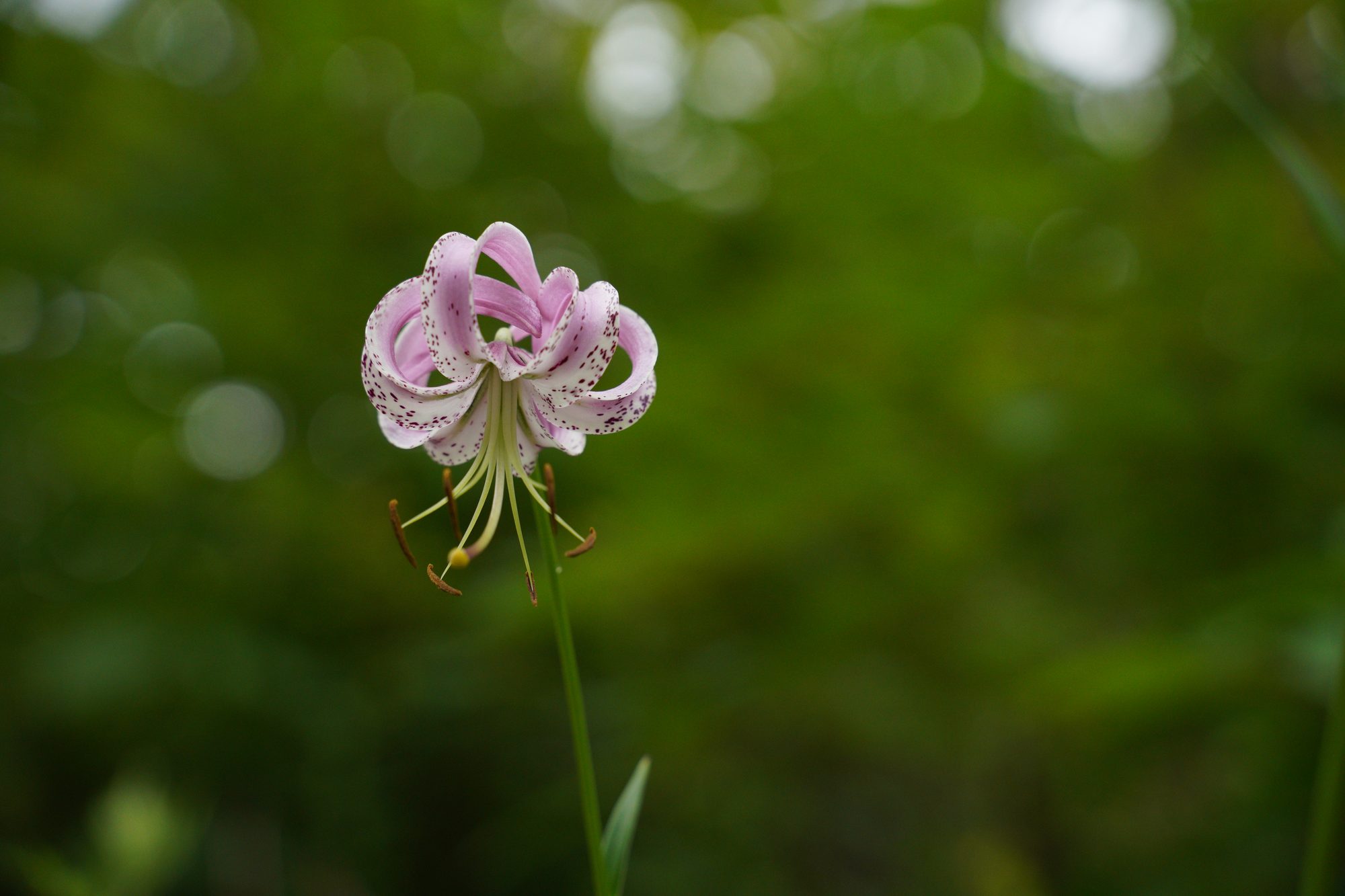 field record 31
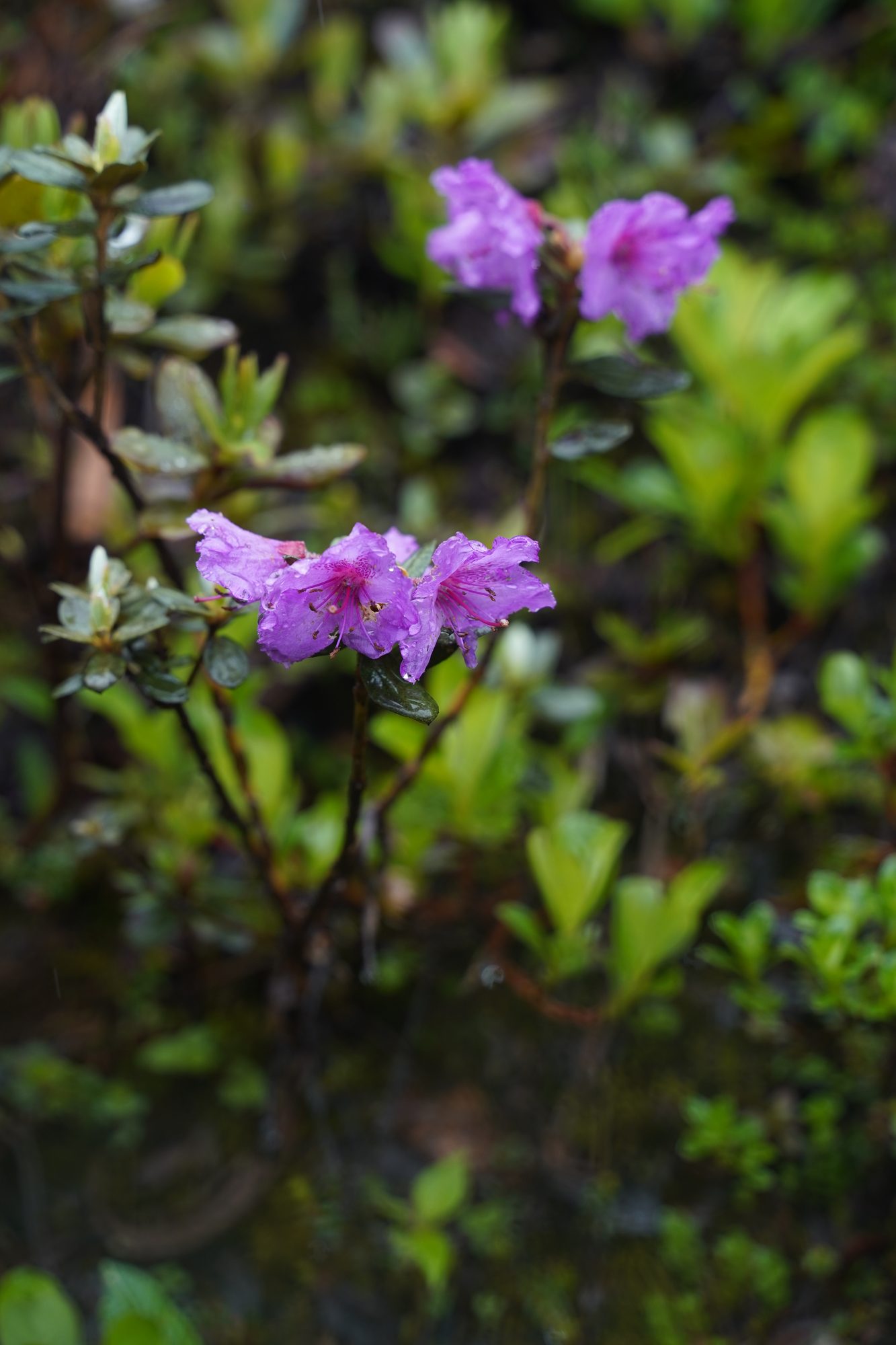 field record 32
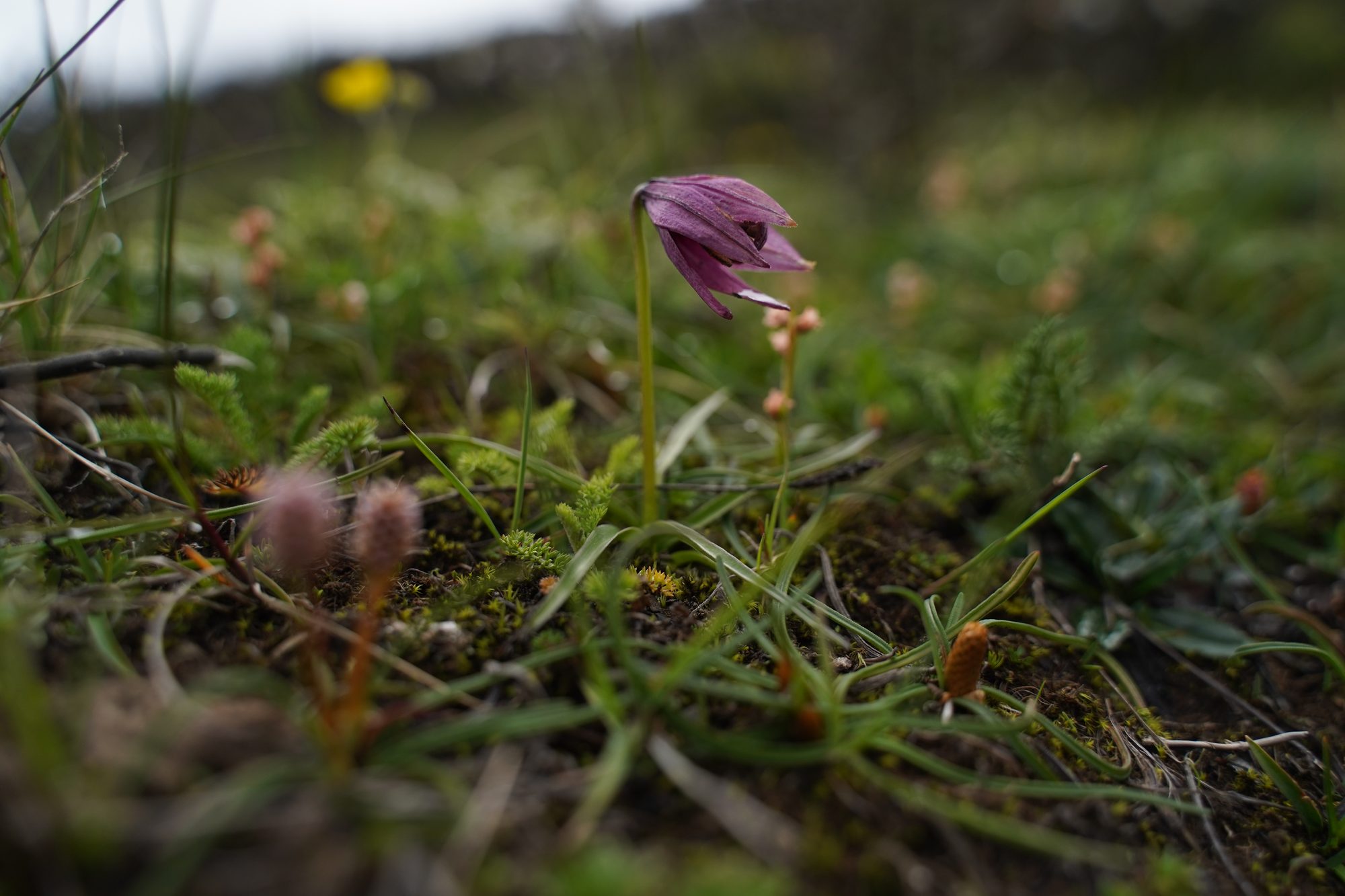 field record 33
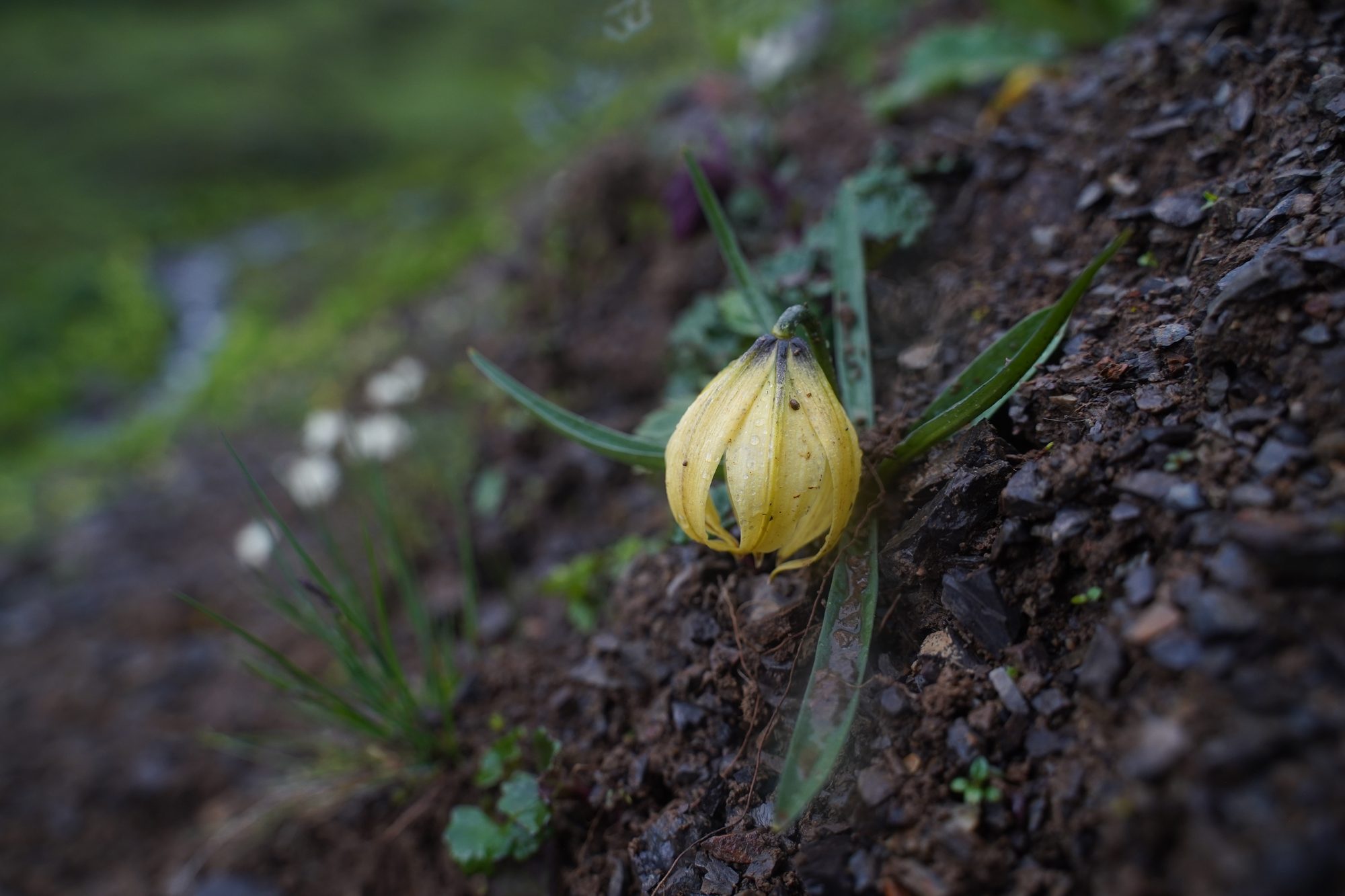 field record 34
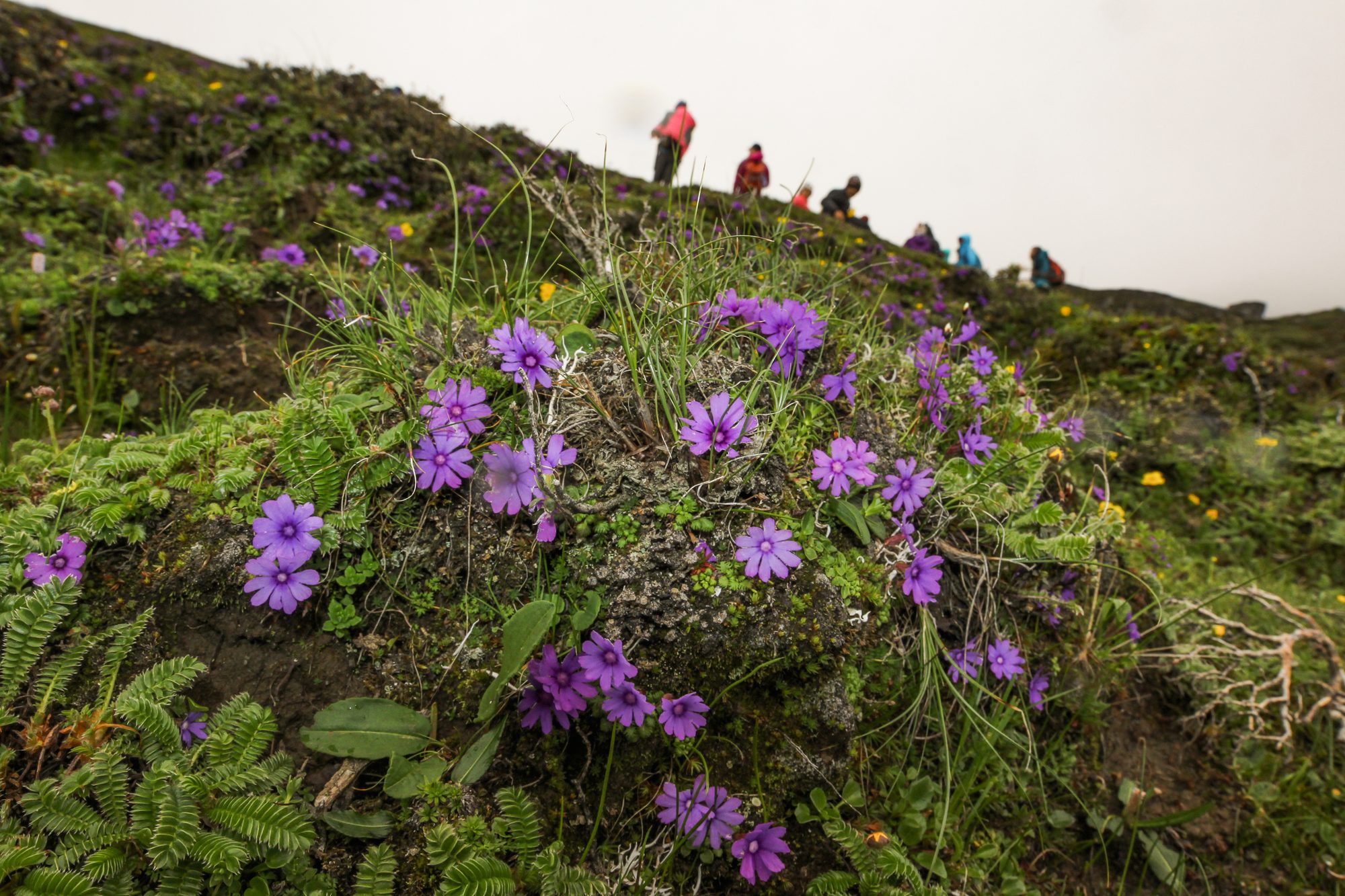 field record 35
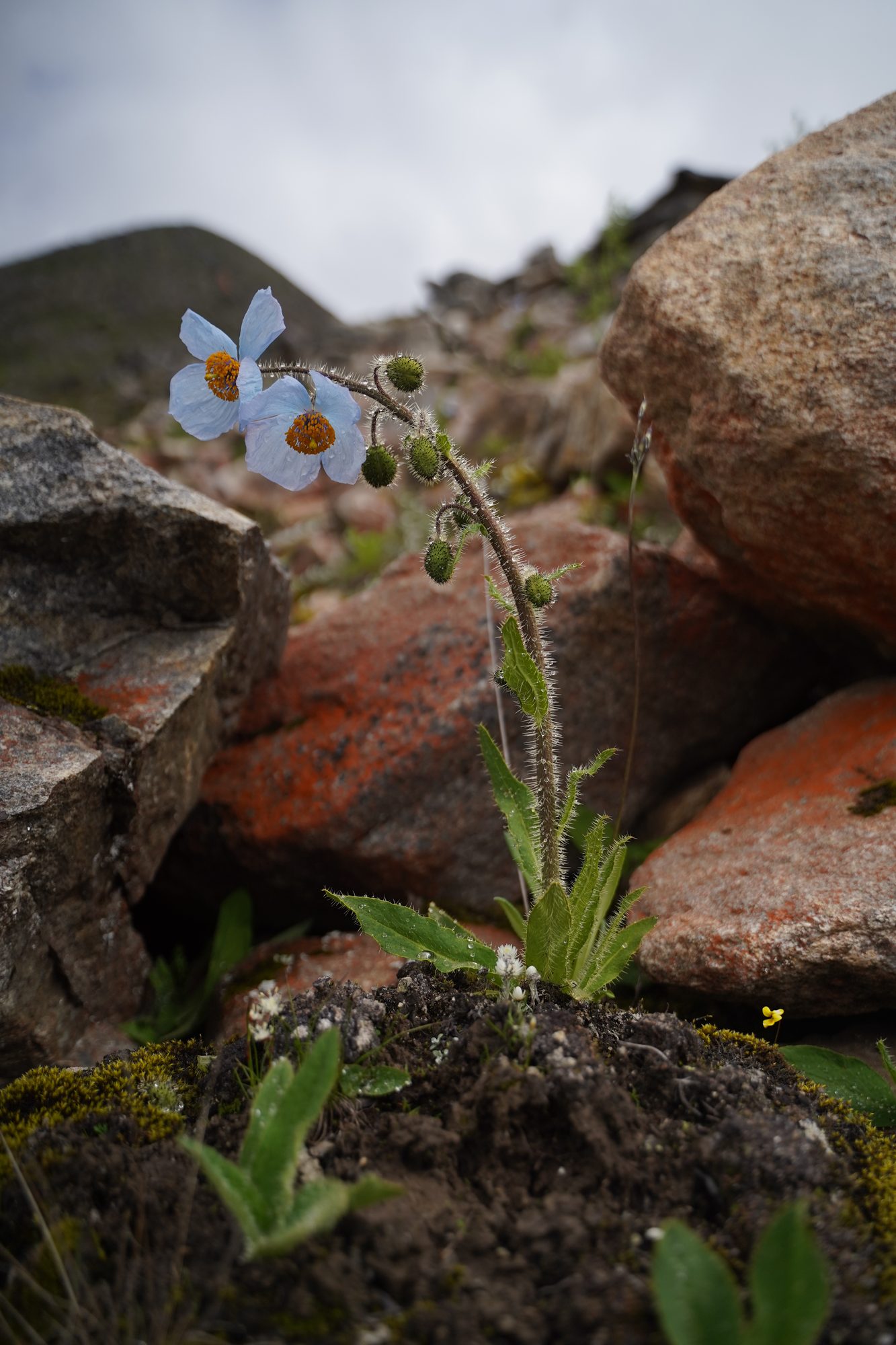 field record 36
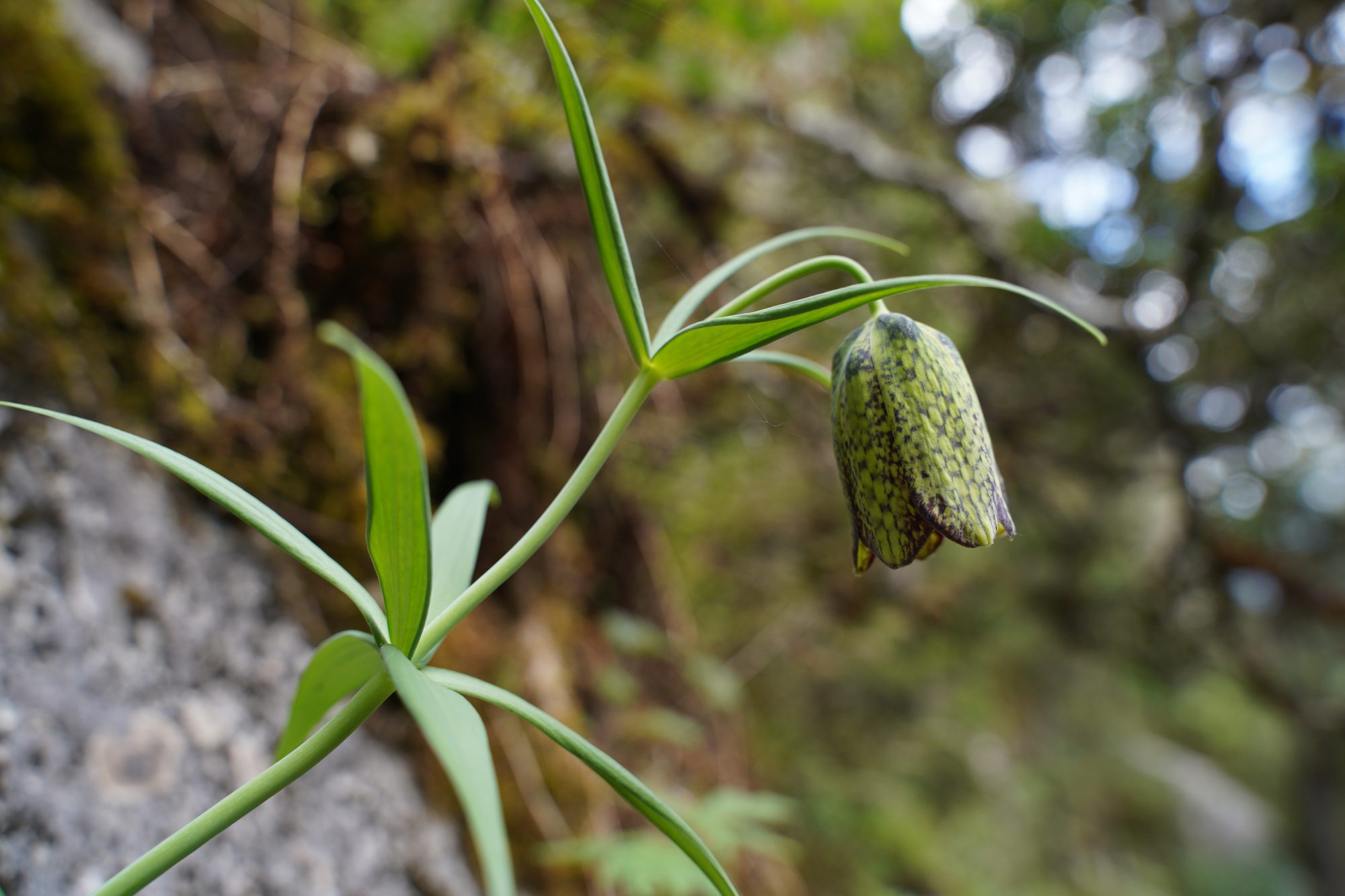 field record 37
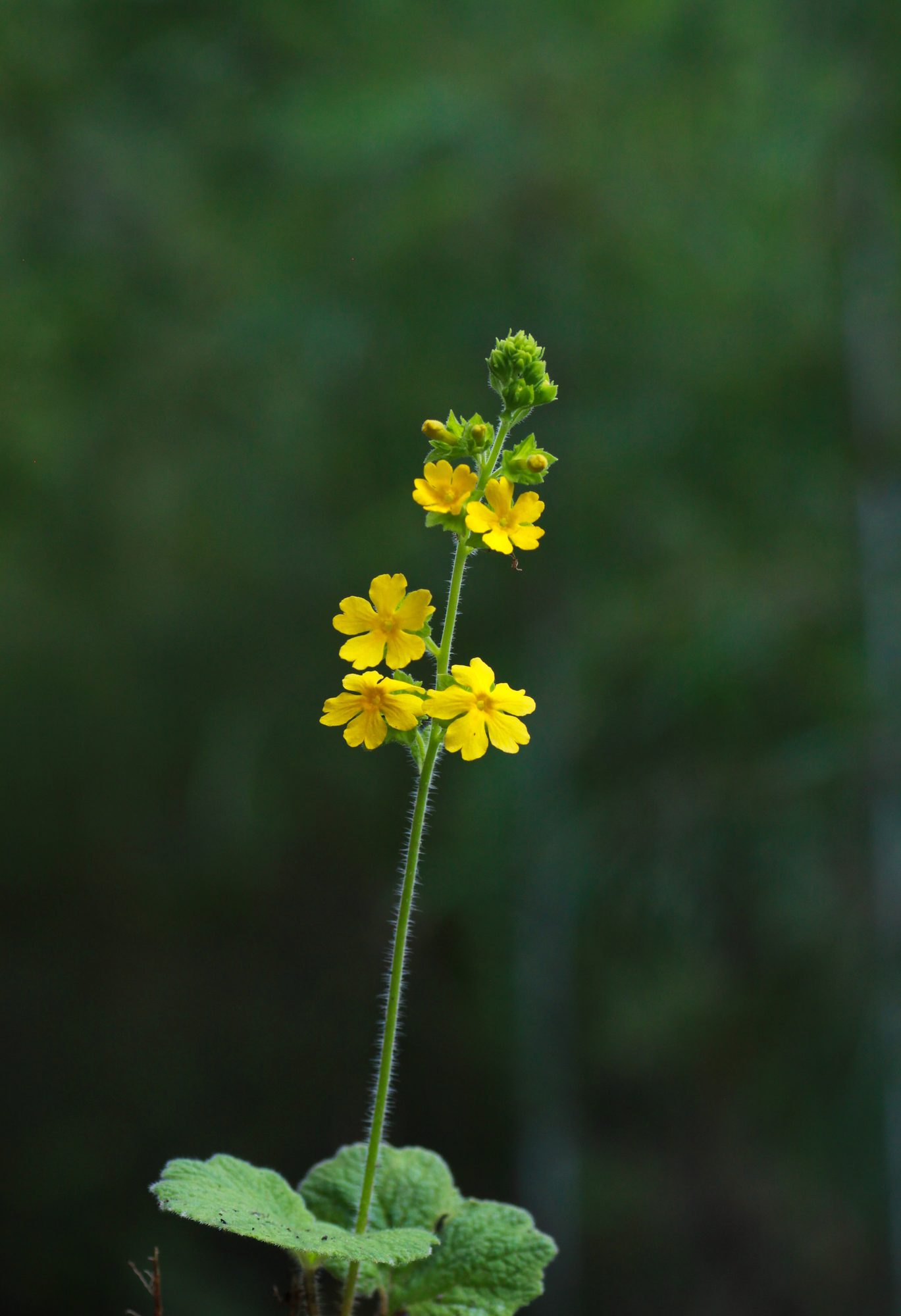 field record 38
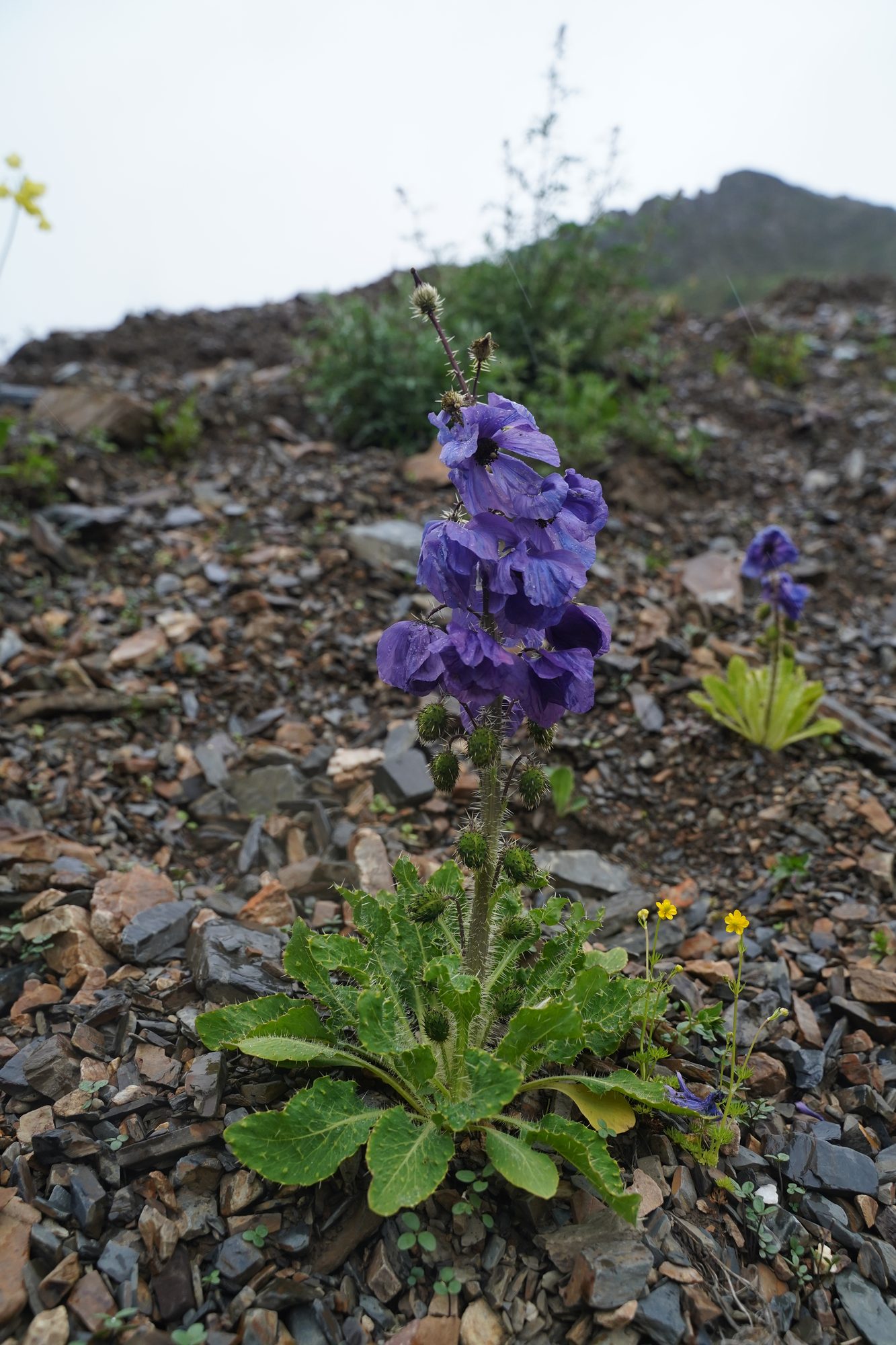 field record 39
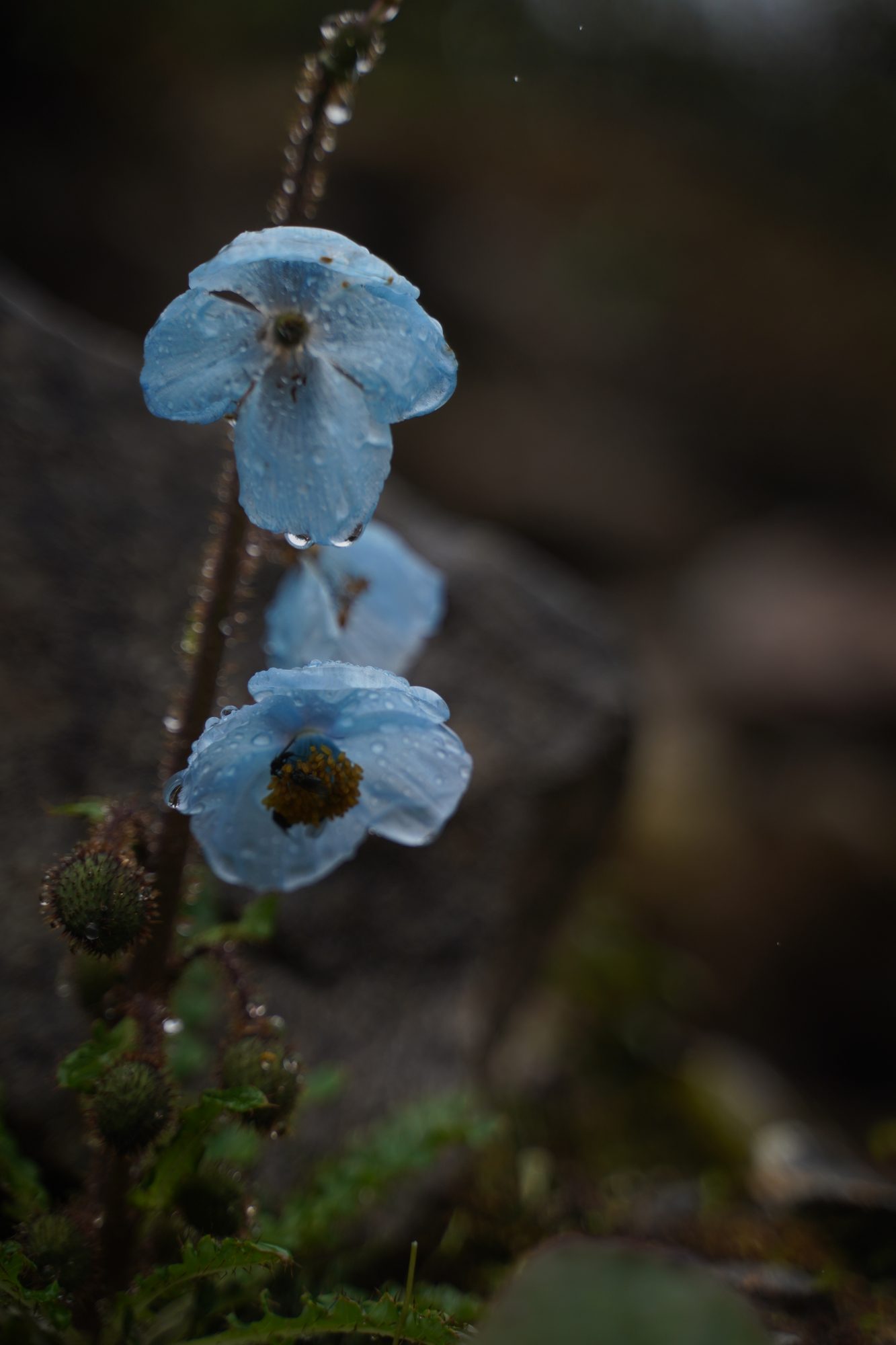 field record 40
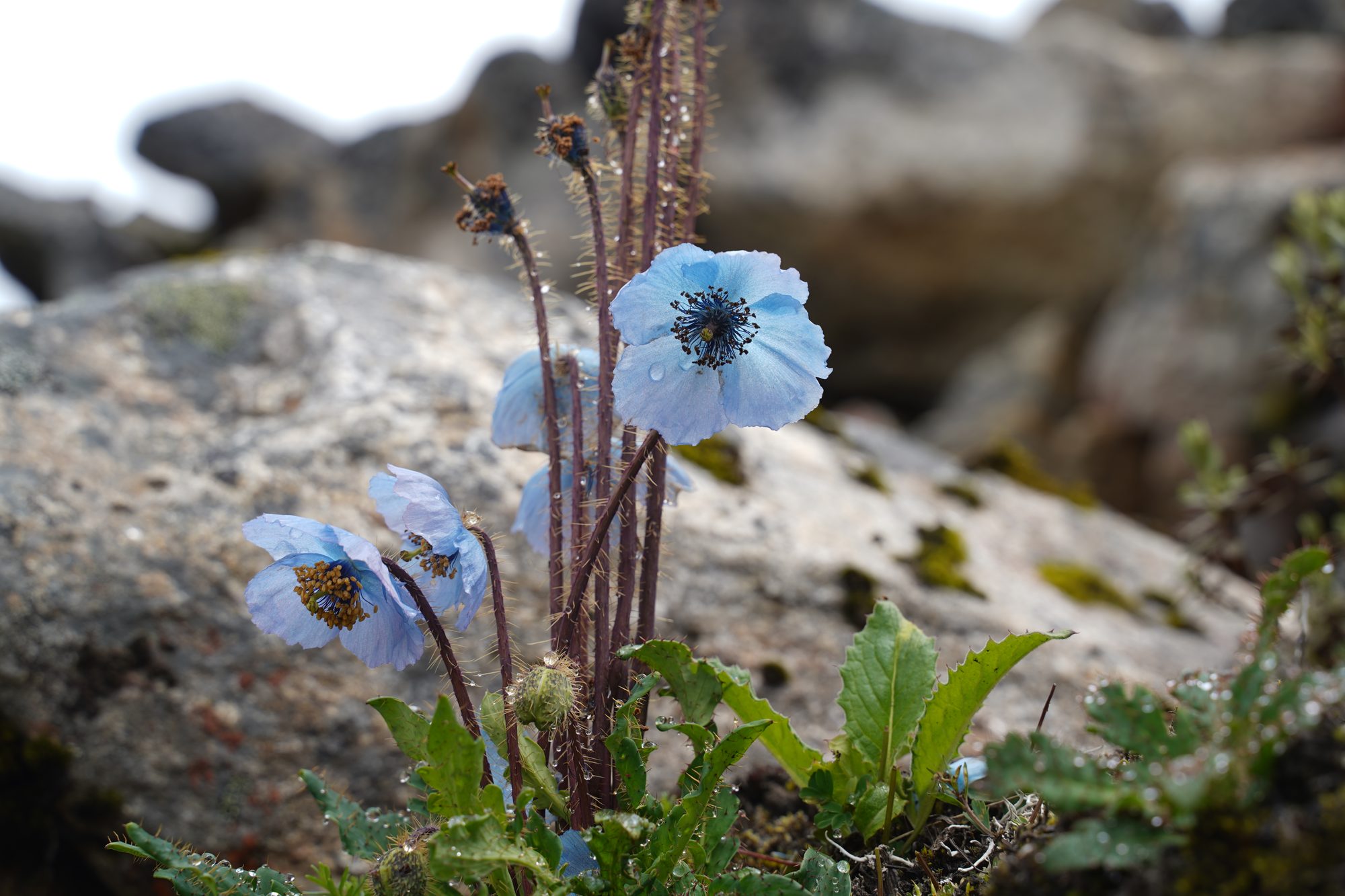 field record 41
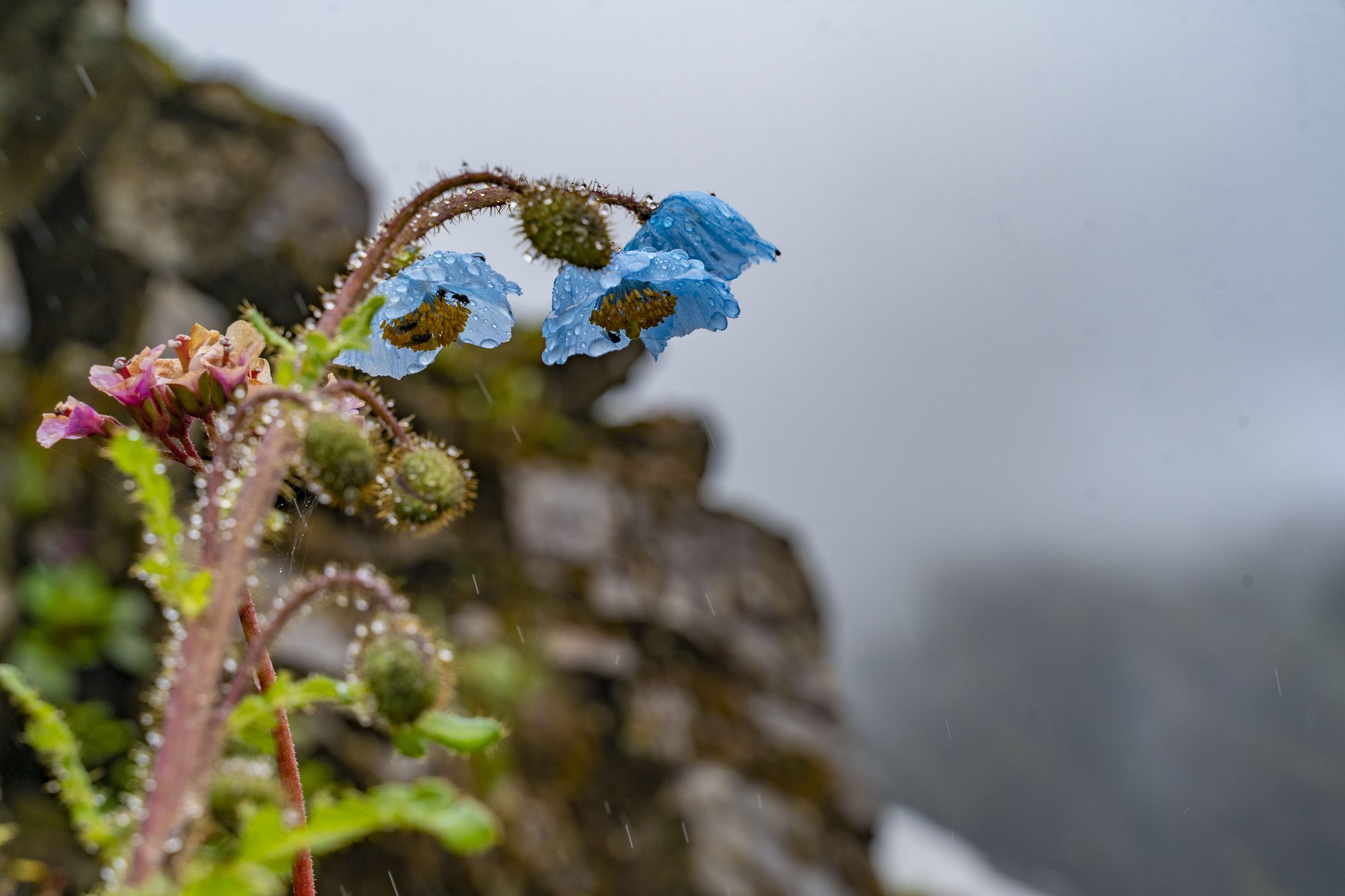 field record 42
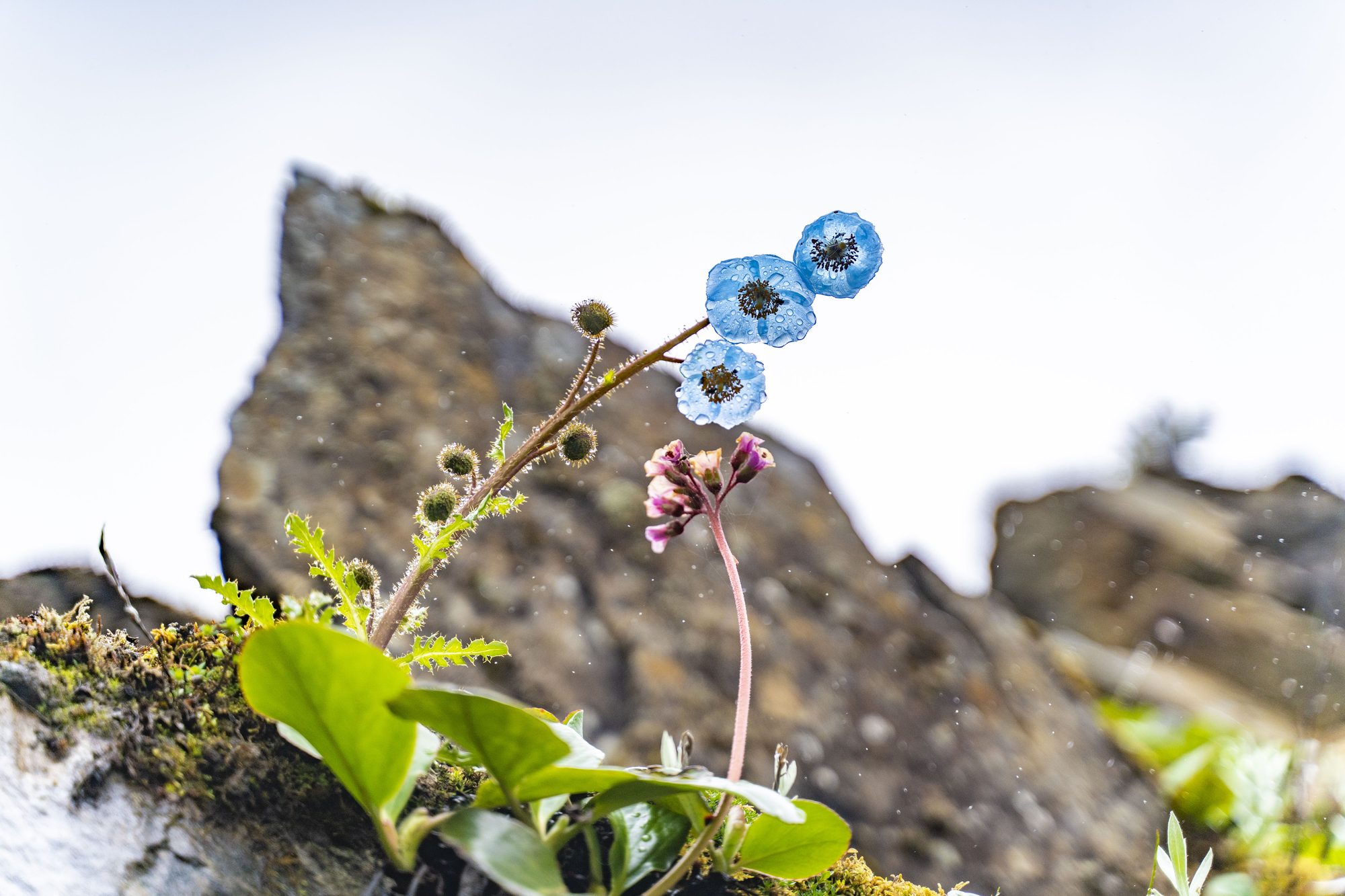 field record 43
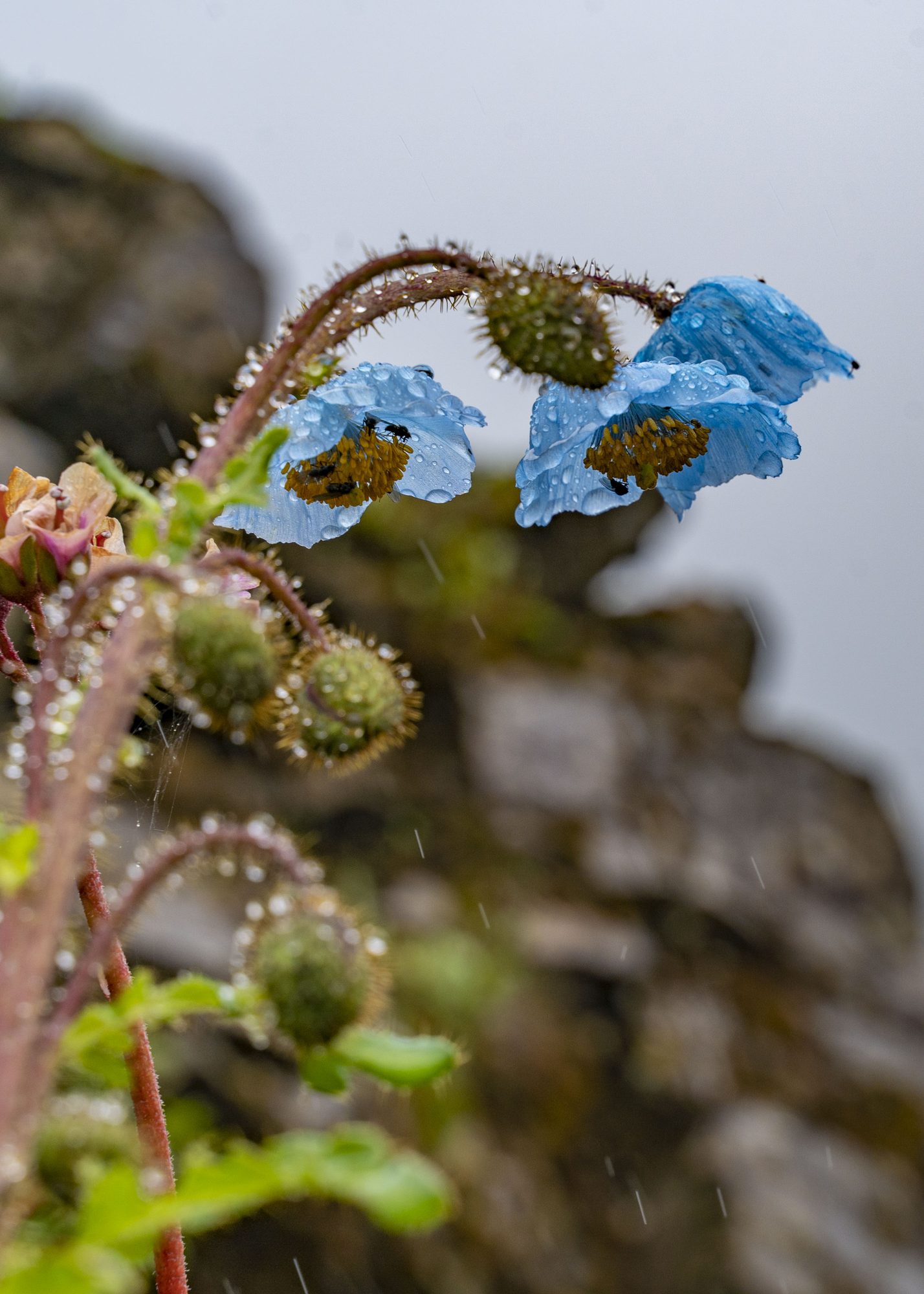 field record 44
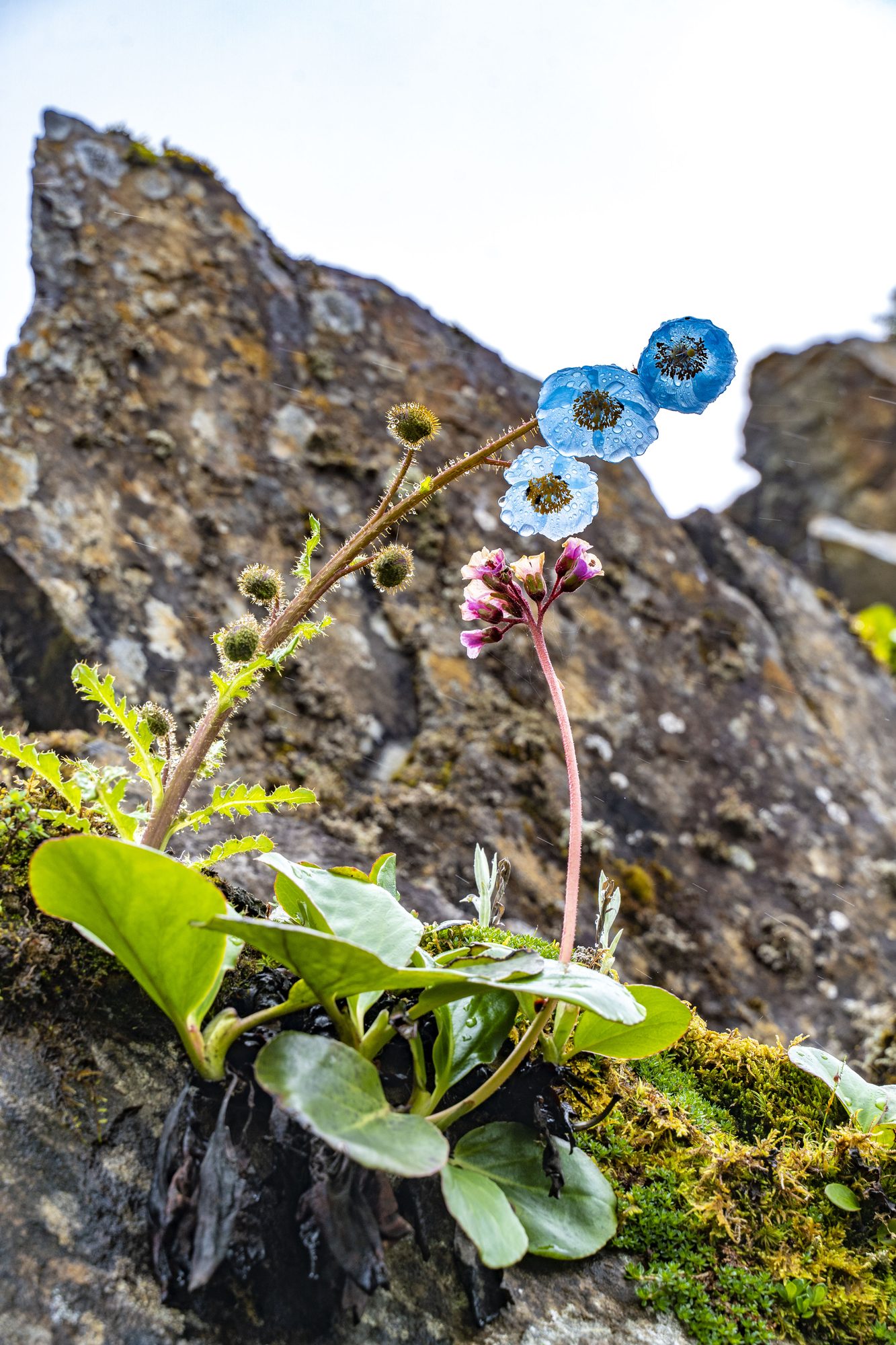 field record 45
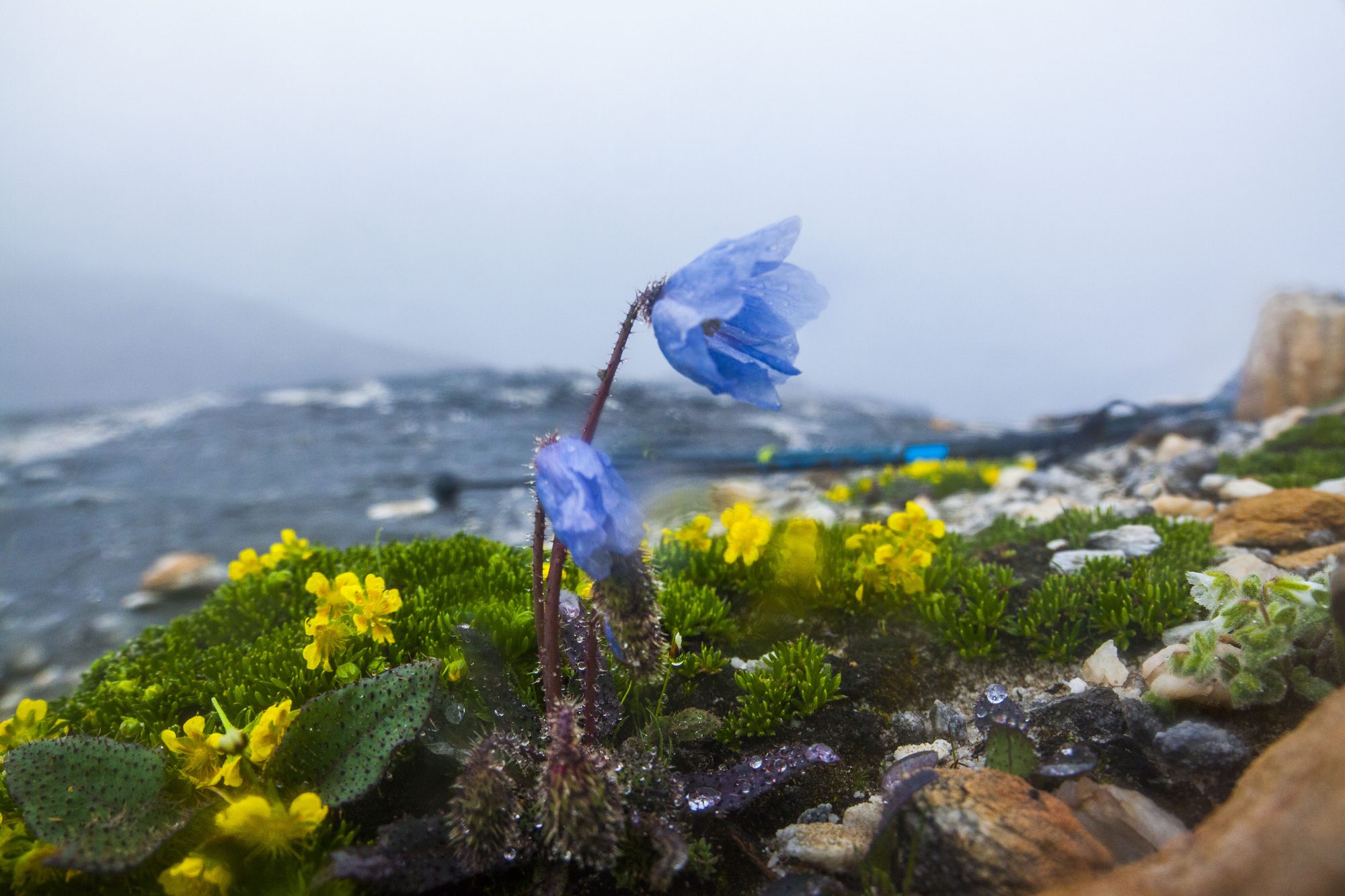 field record 46
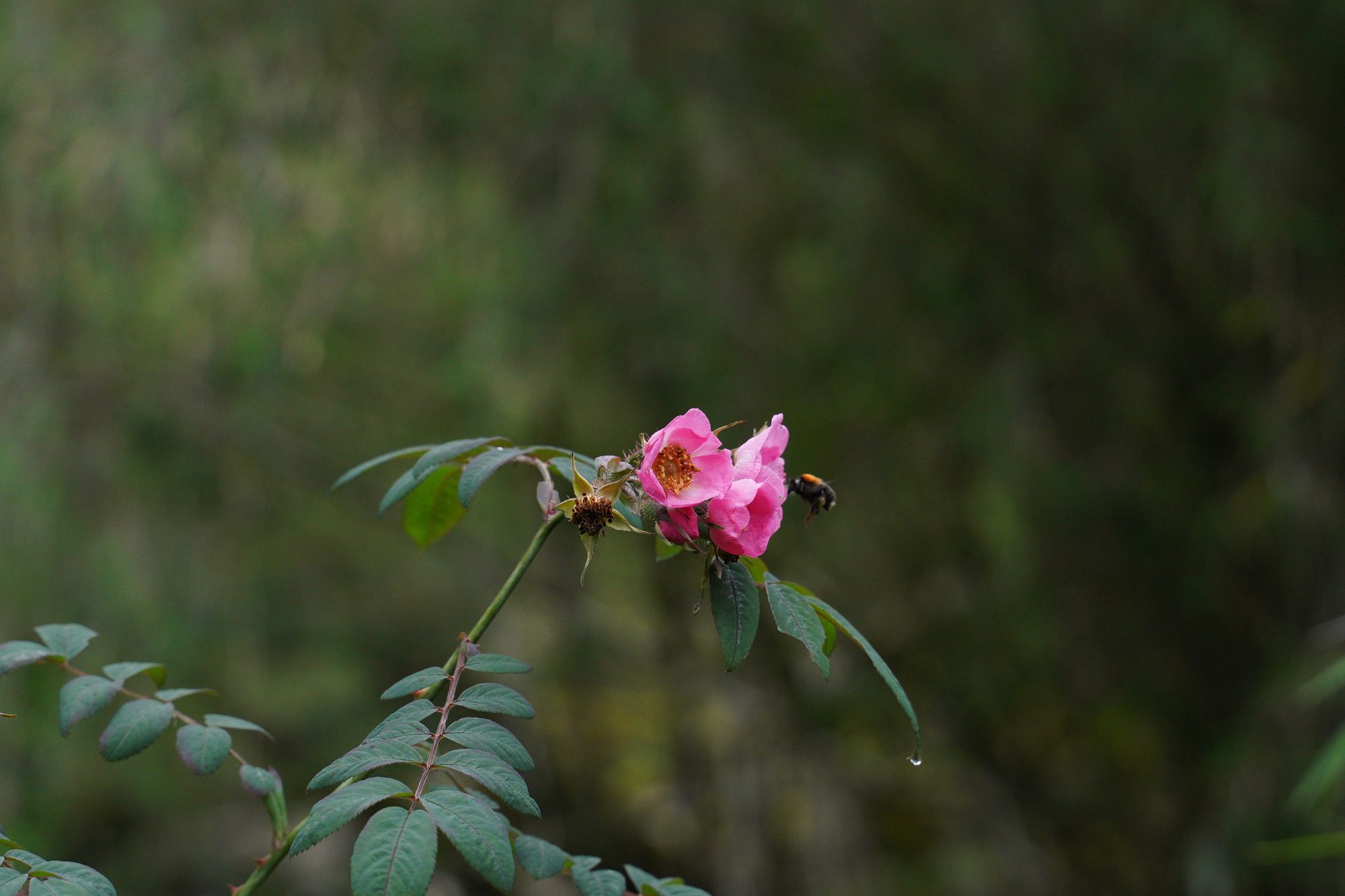 field record 47
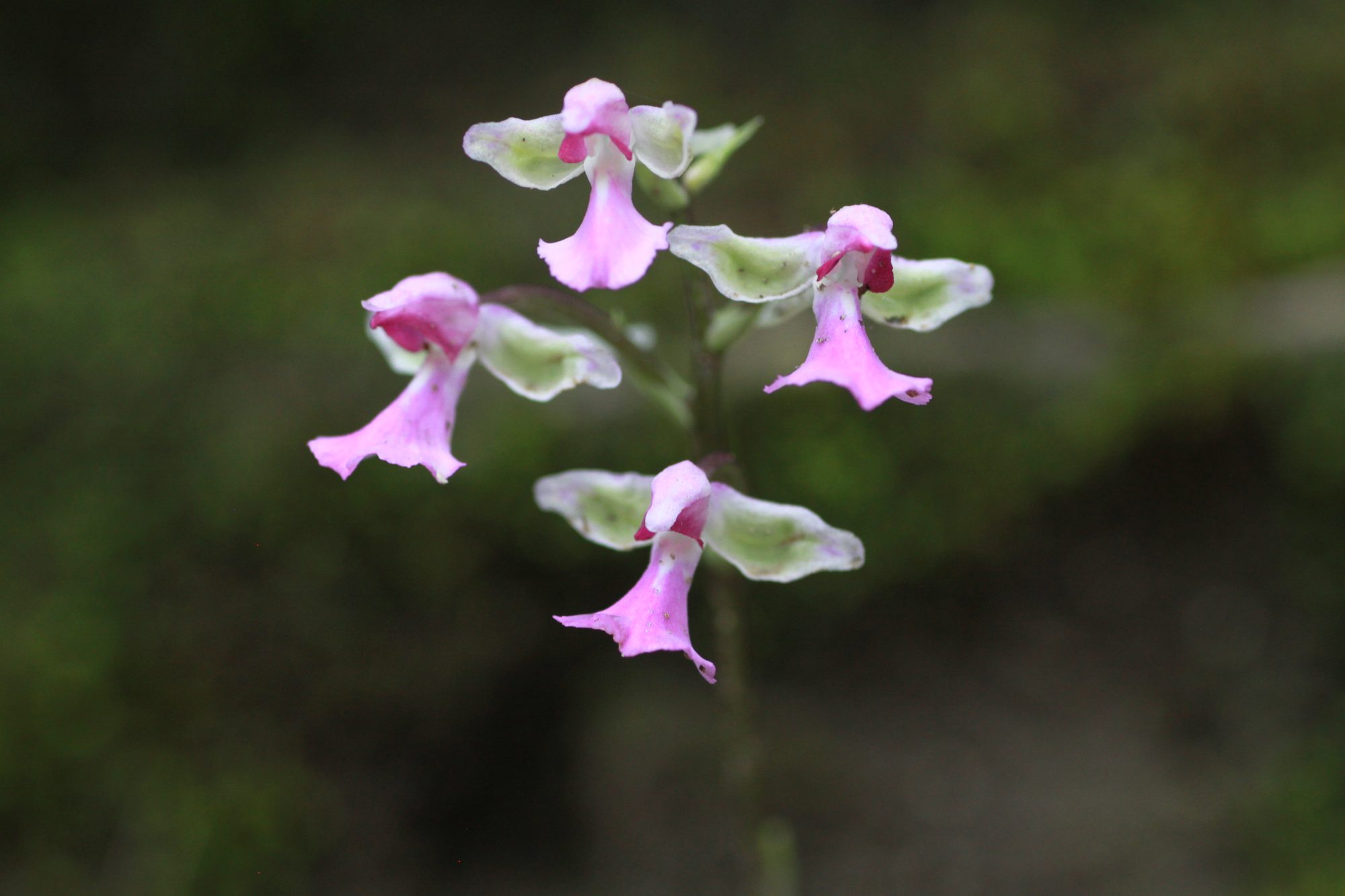 field record 48
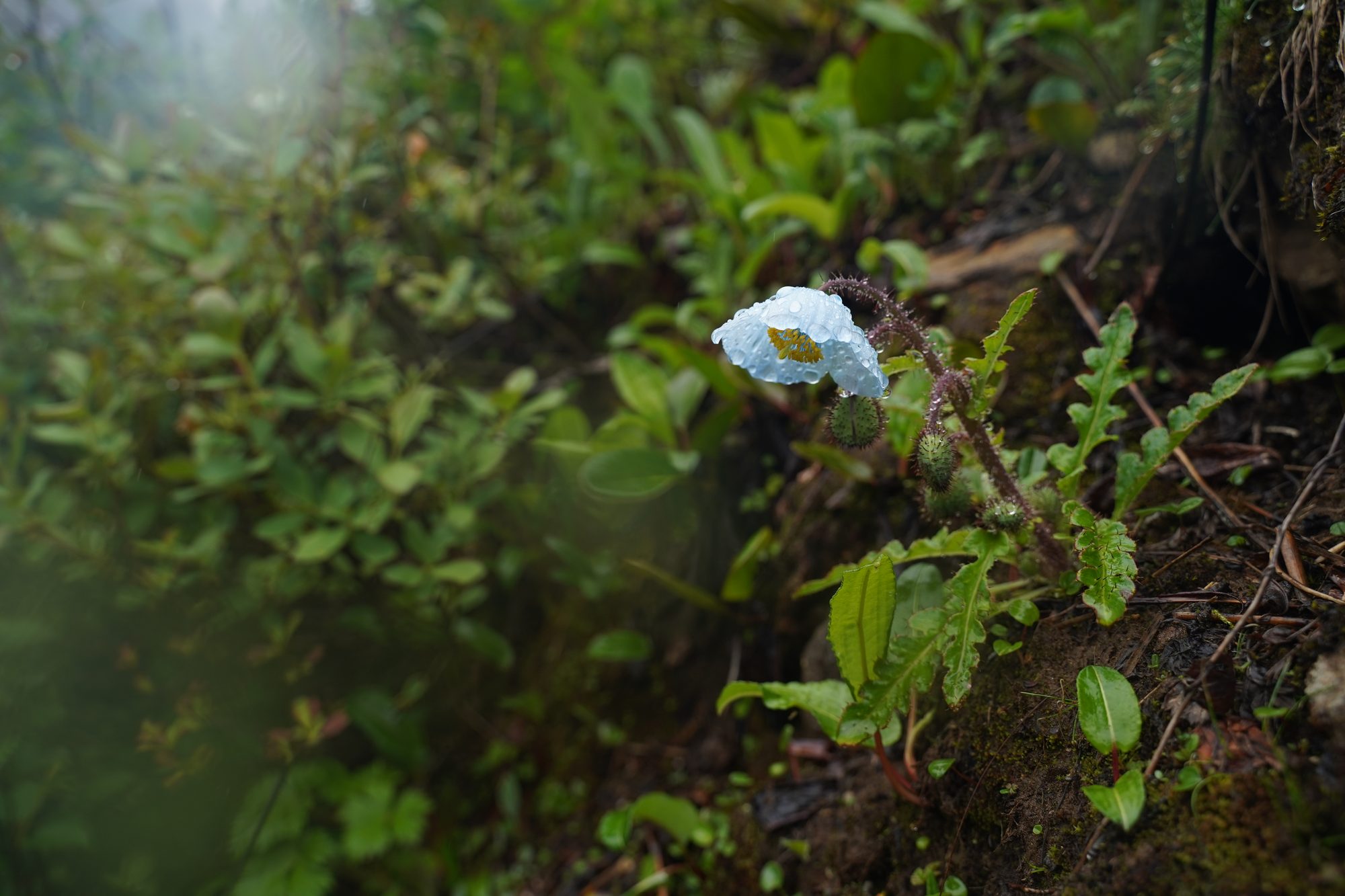 field record 49
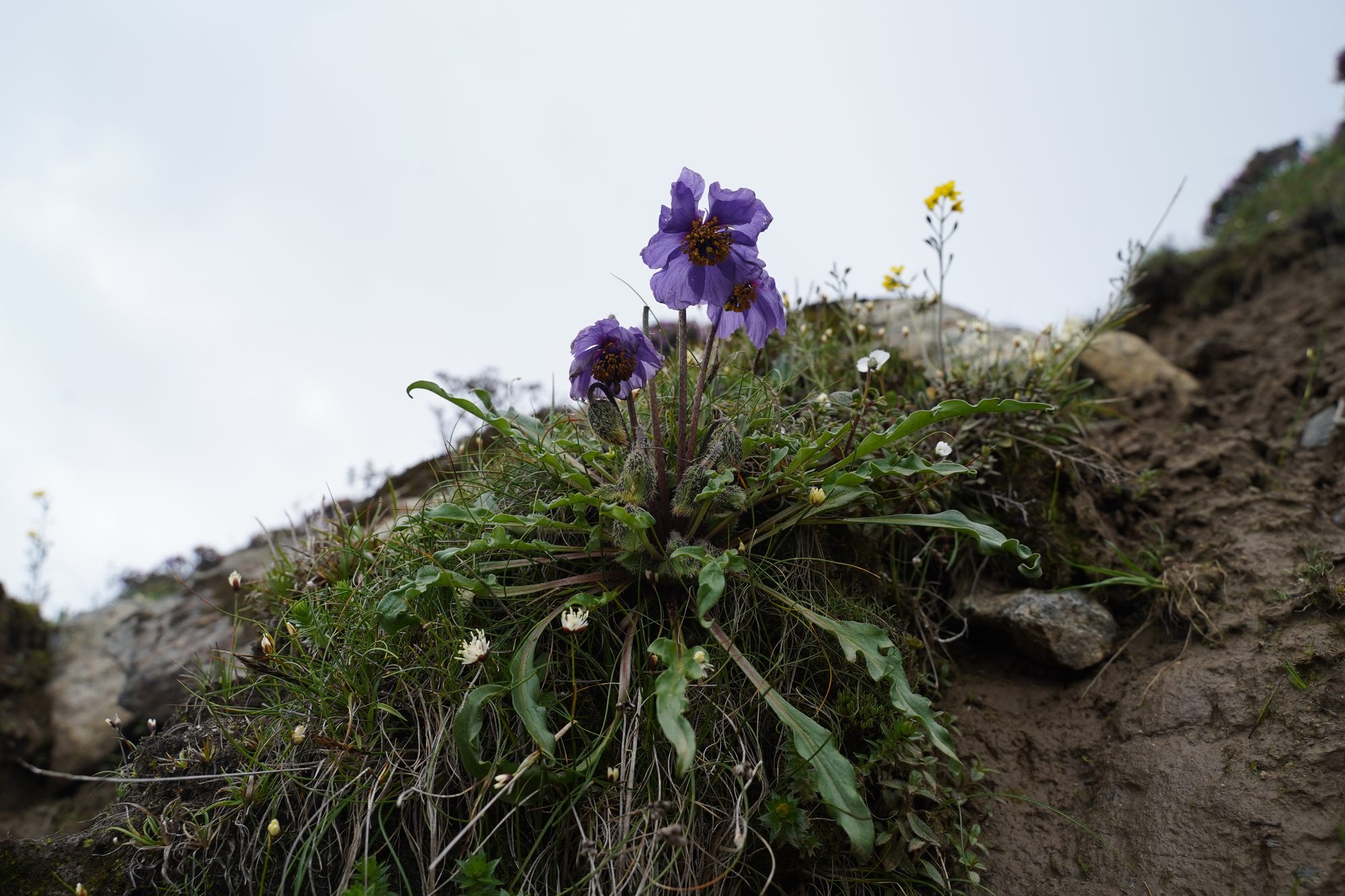 field record 50
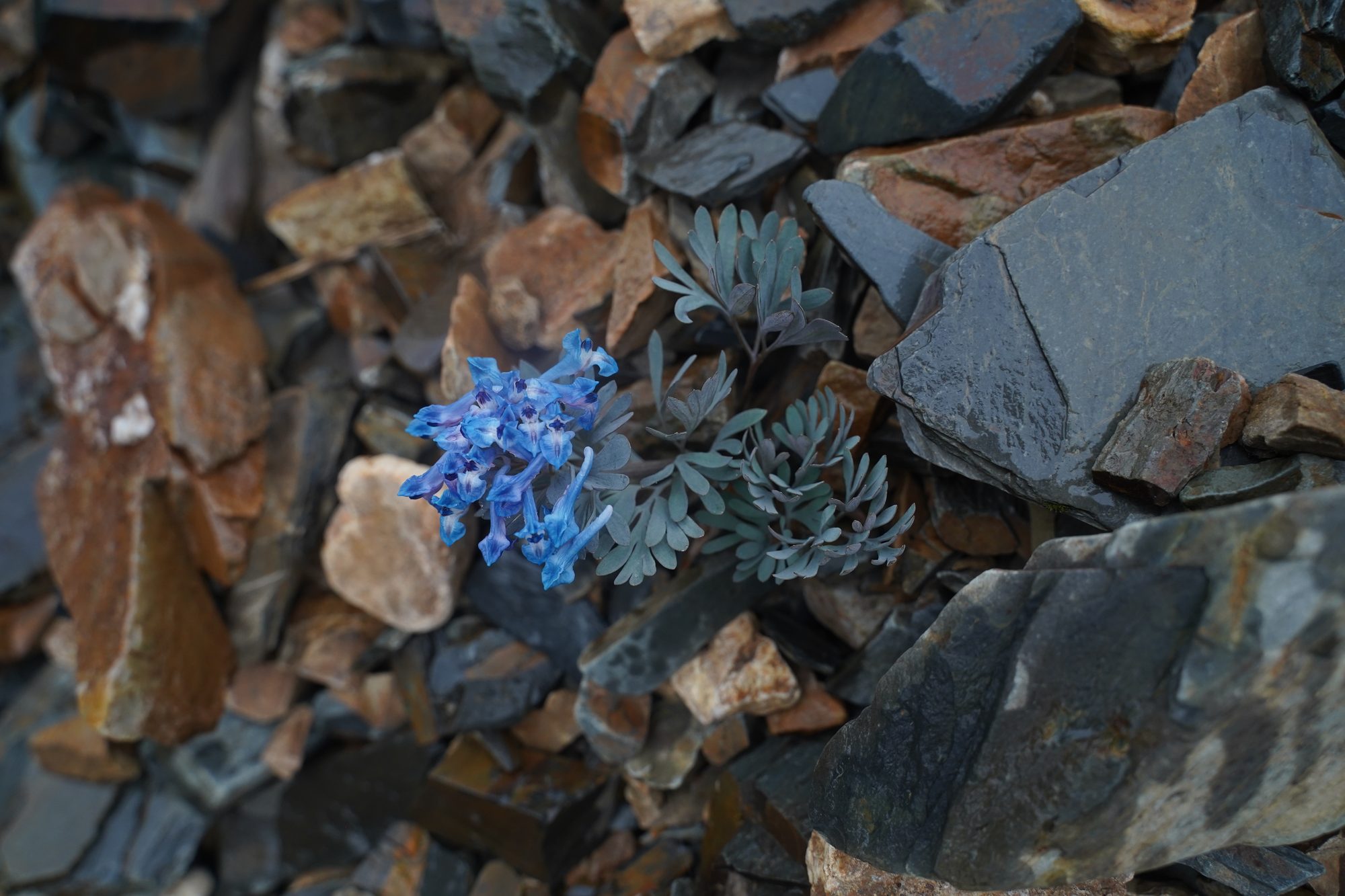 field record 51
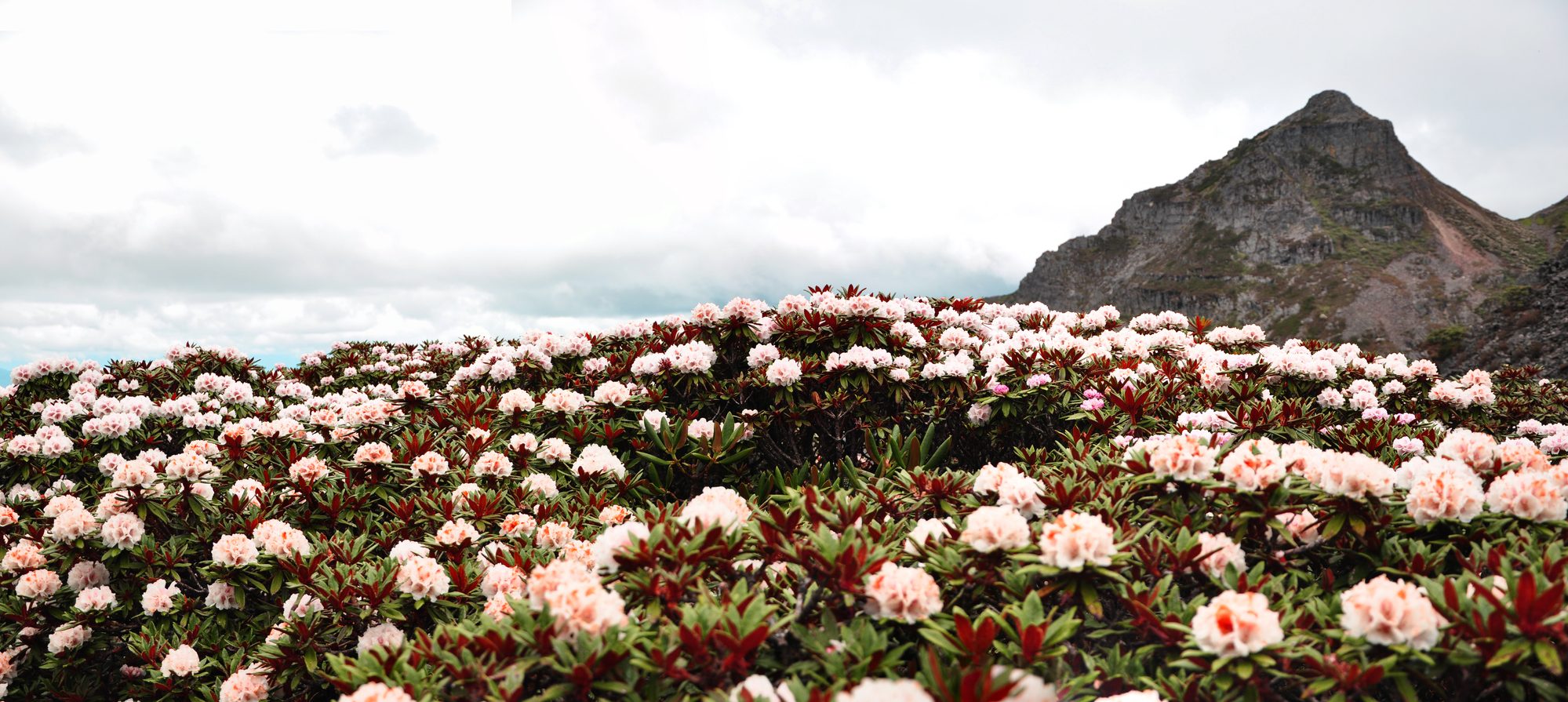 field record 52
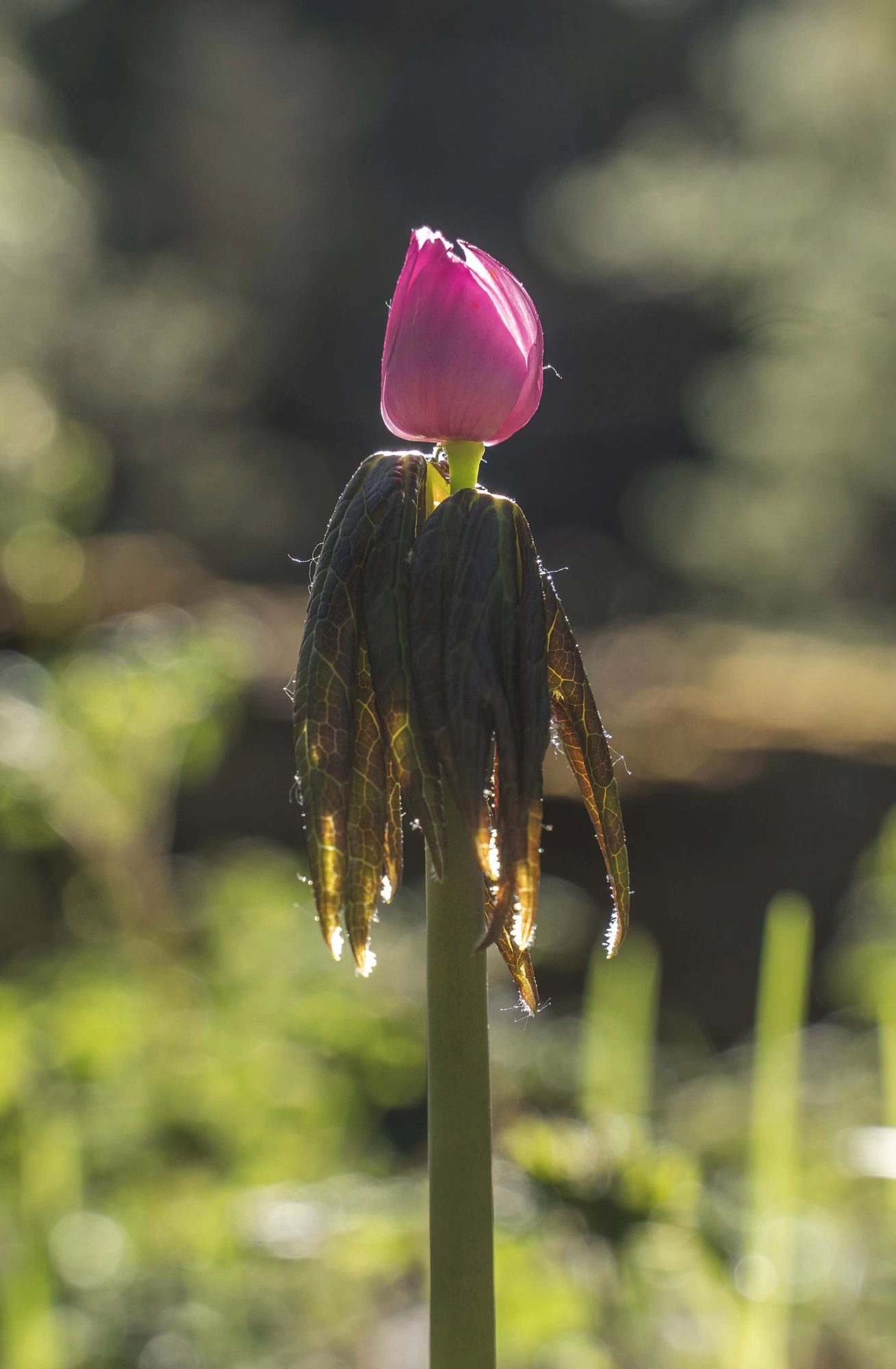 field record 53
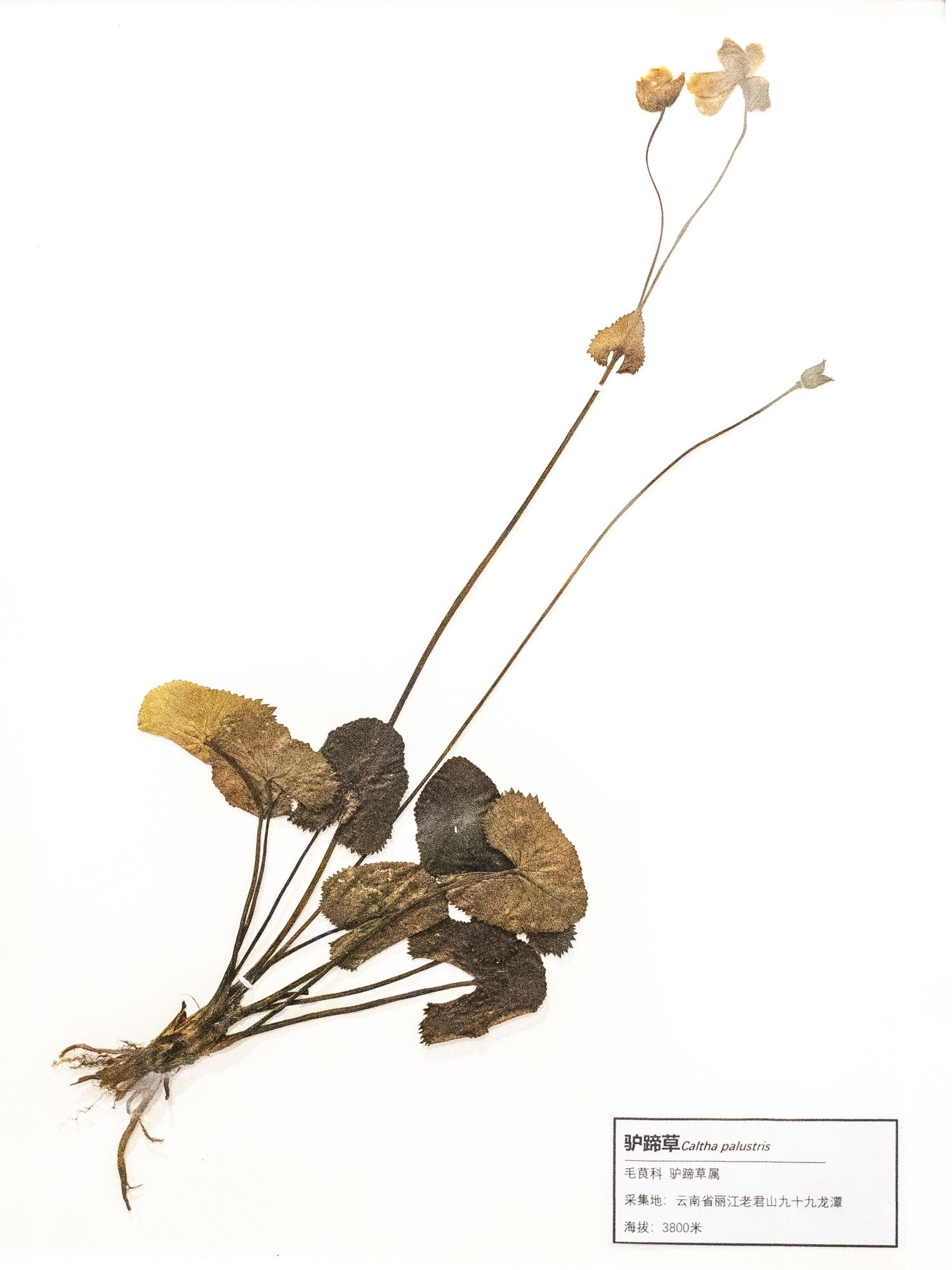 field record 54
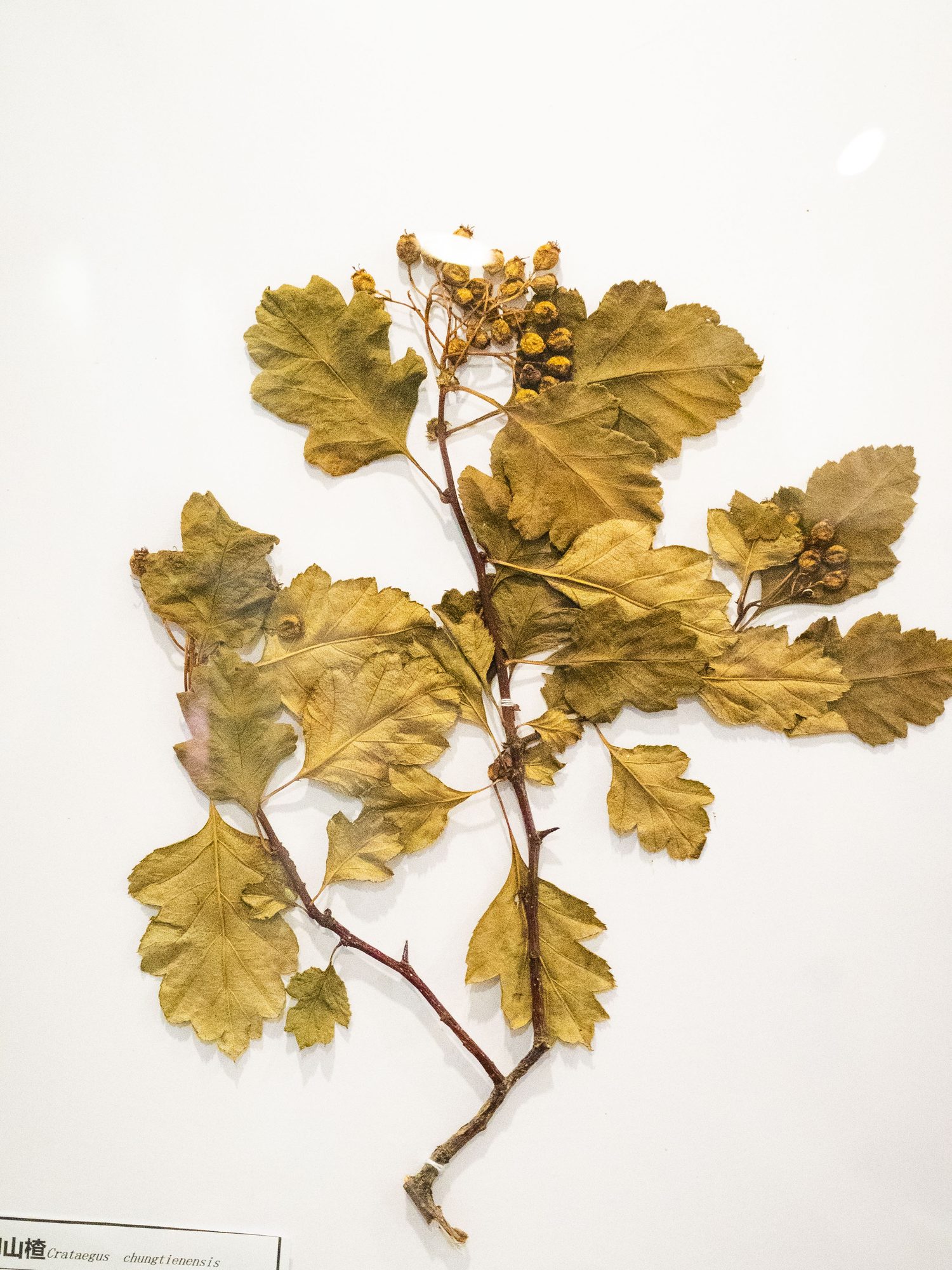 field record 55
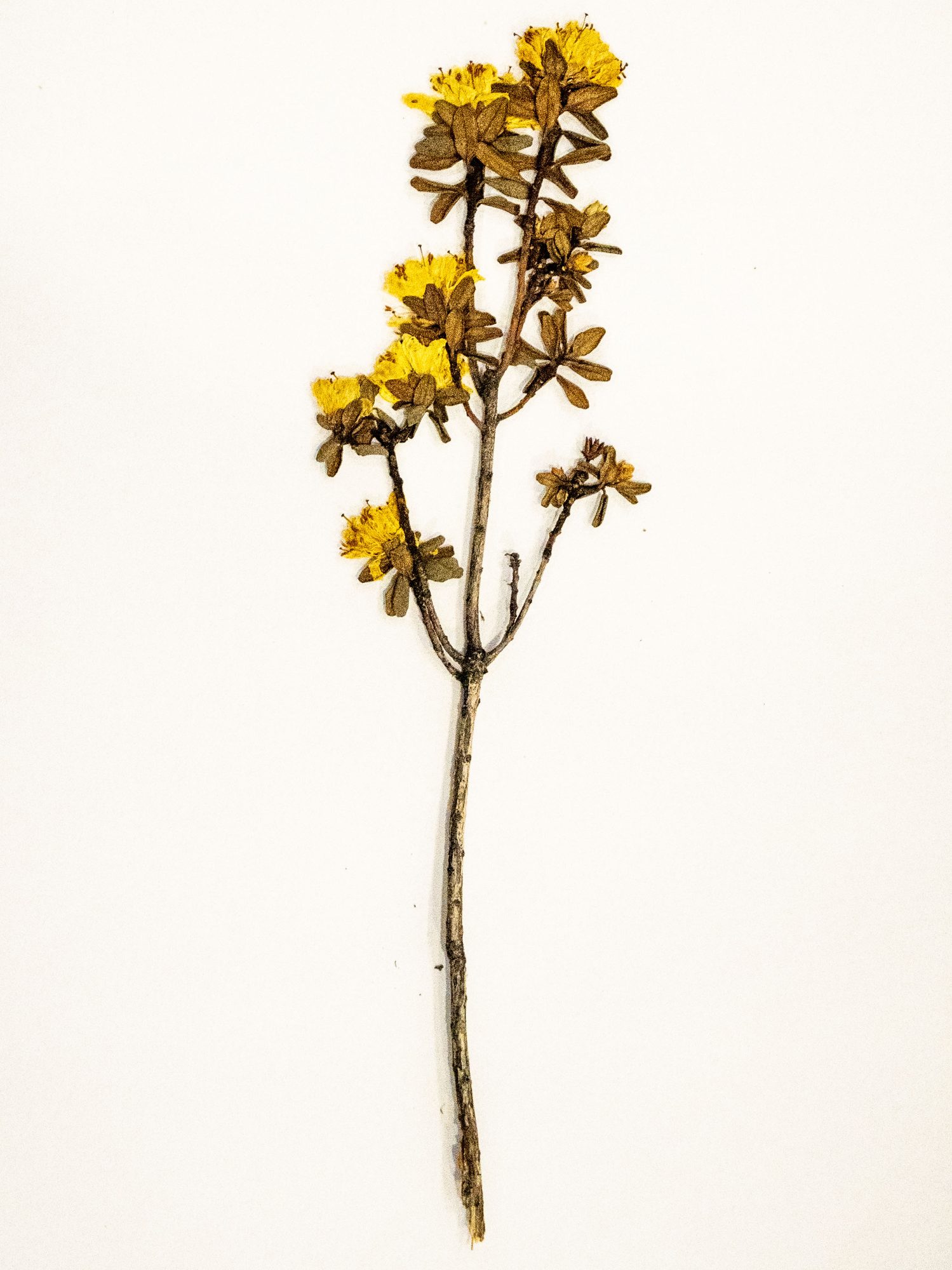 field record 56
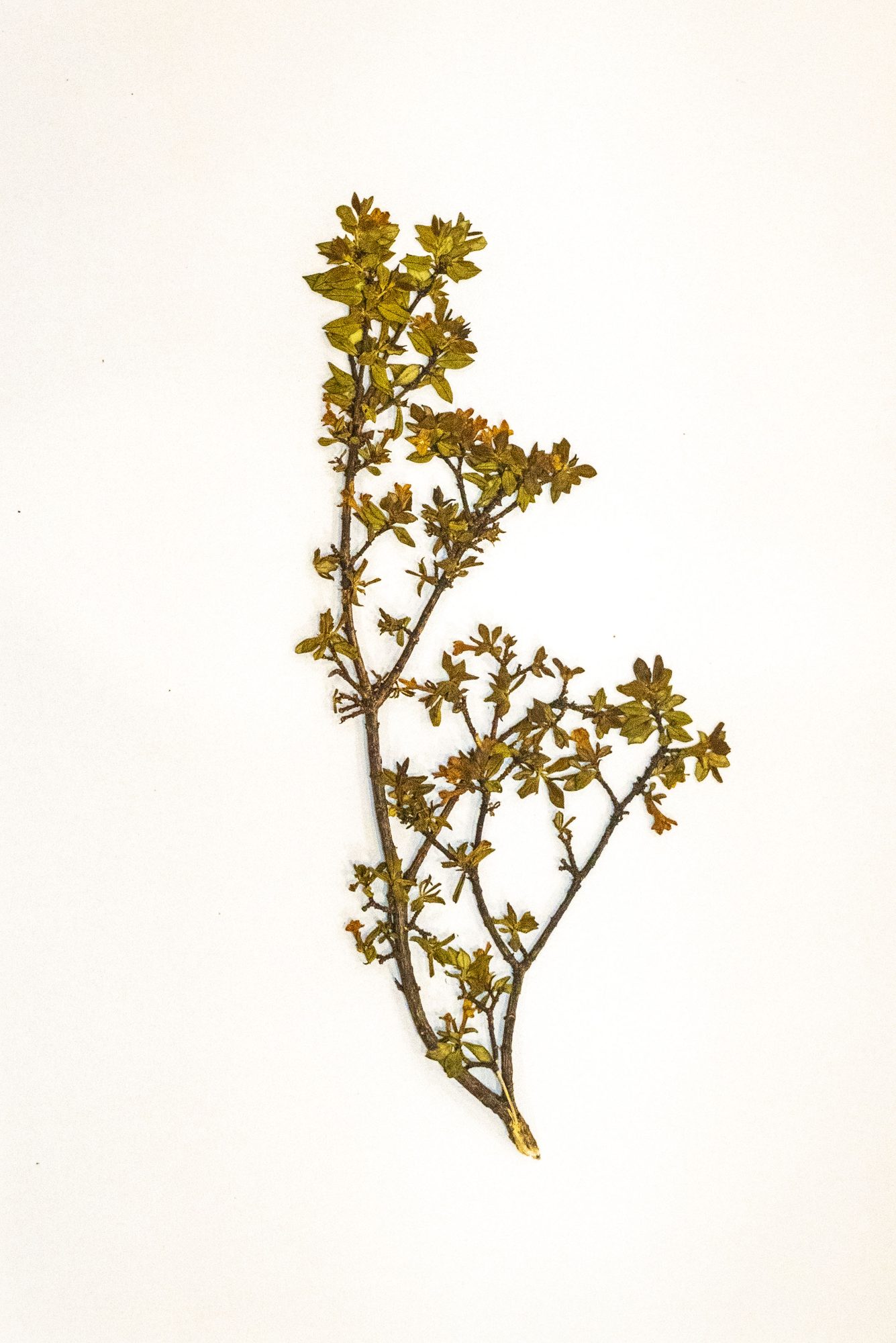 field record 57
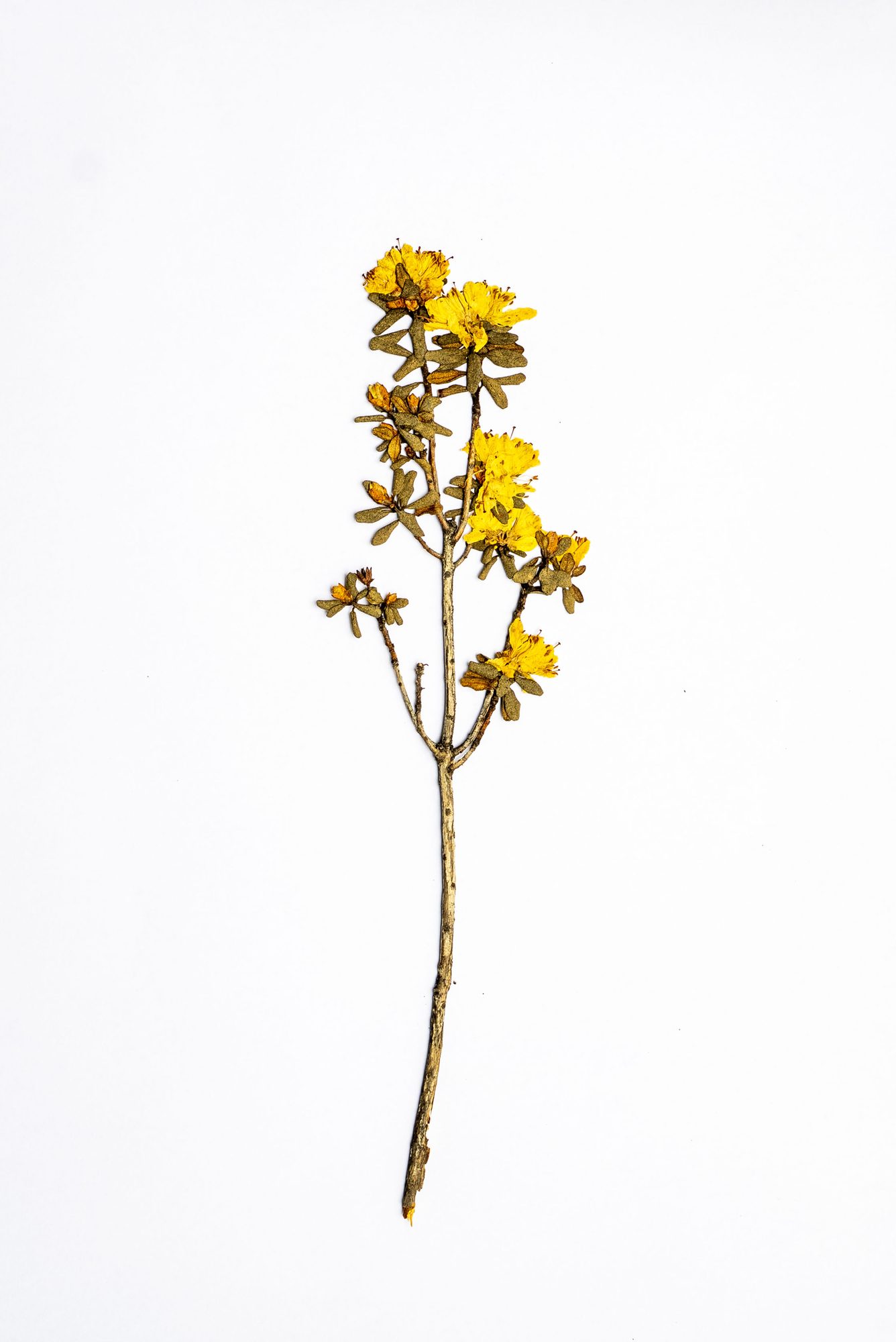 field record 58
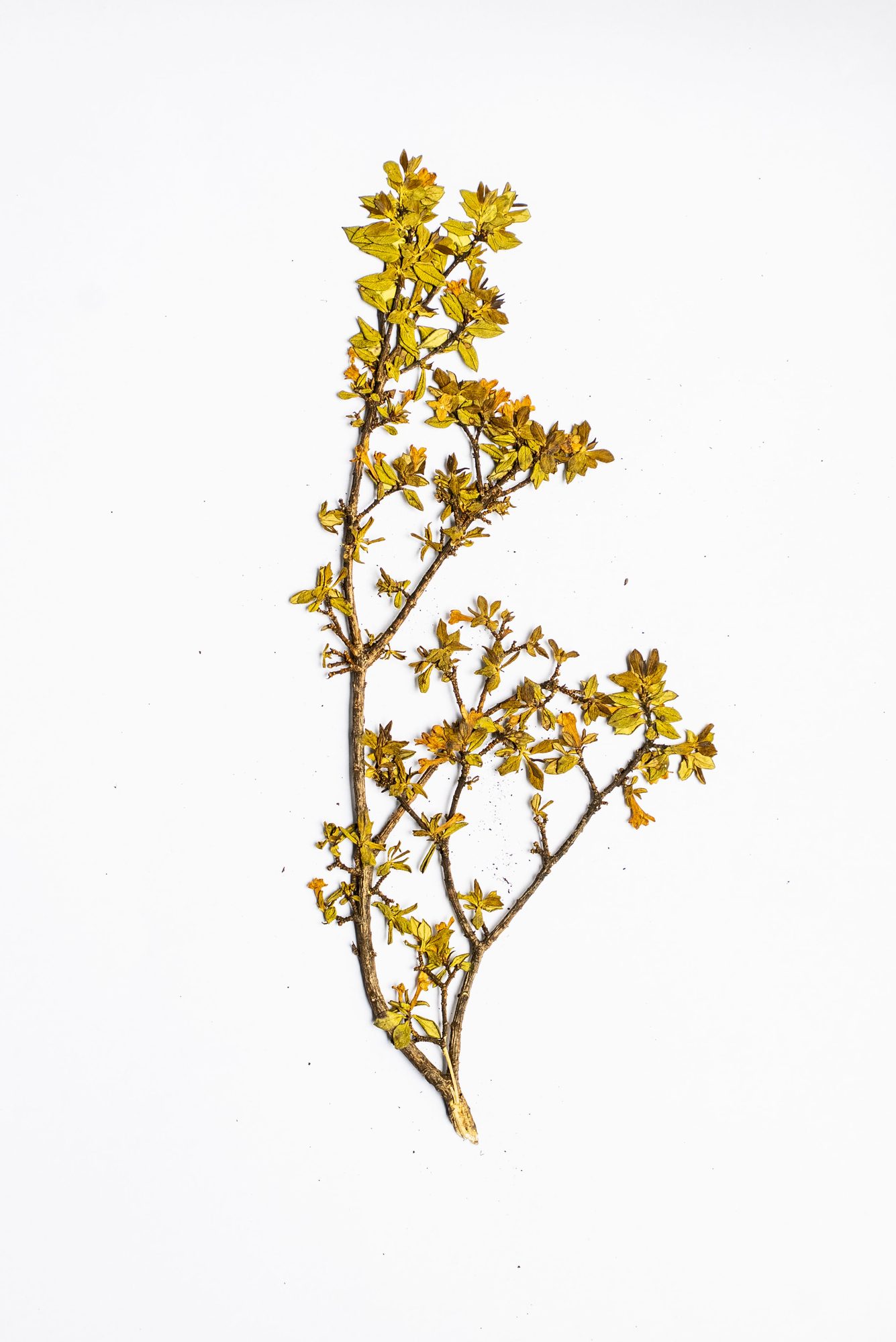 field record 59
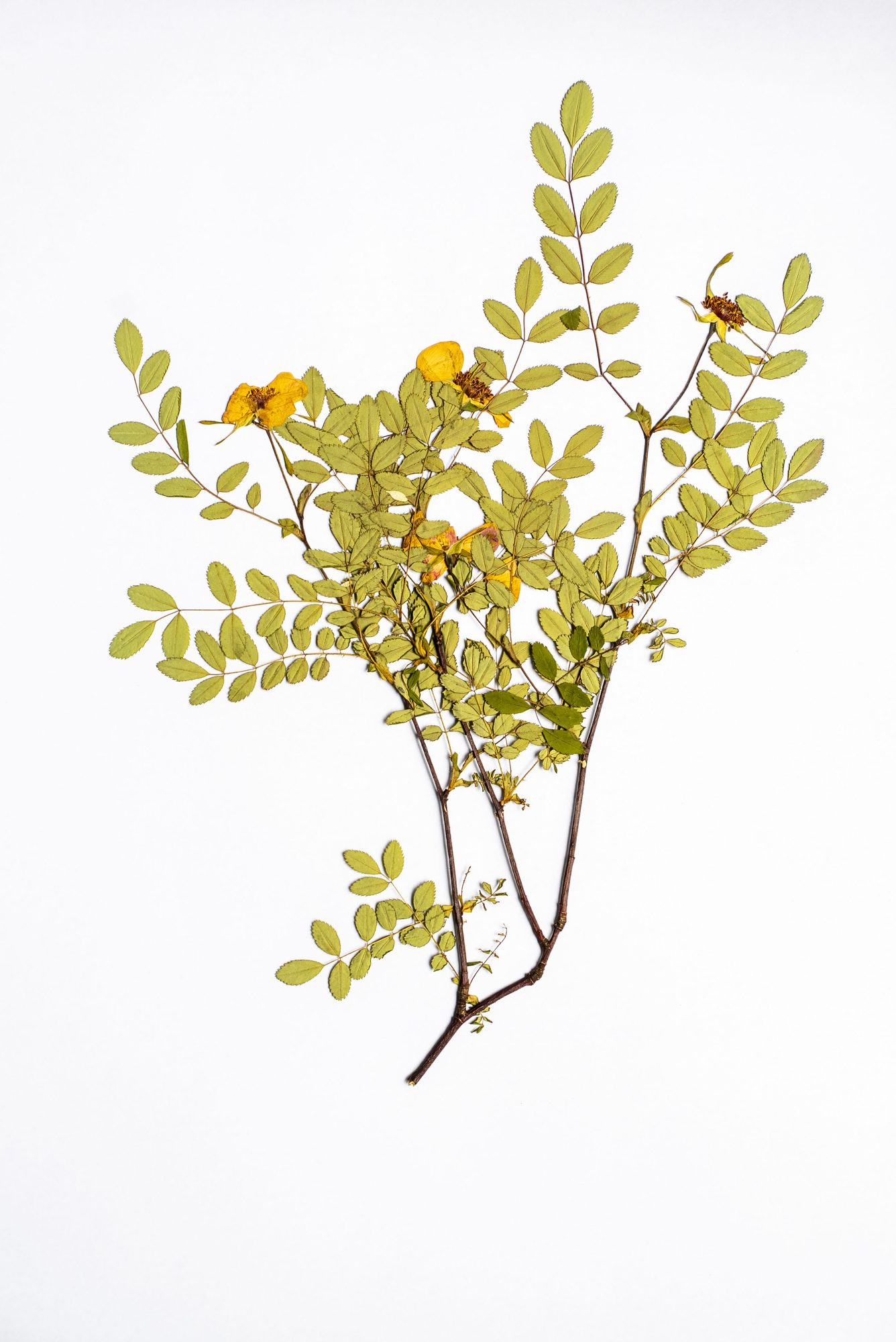 field record 60
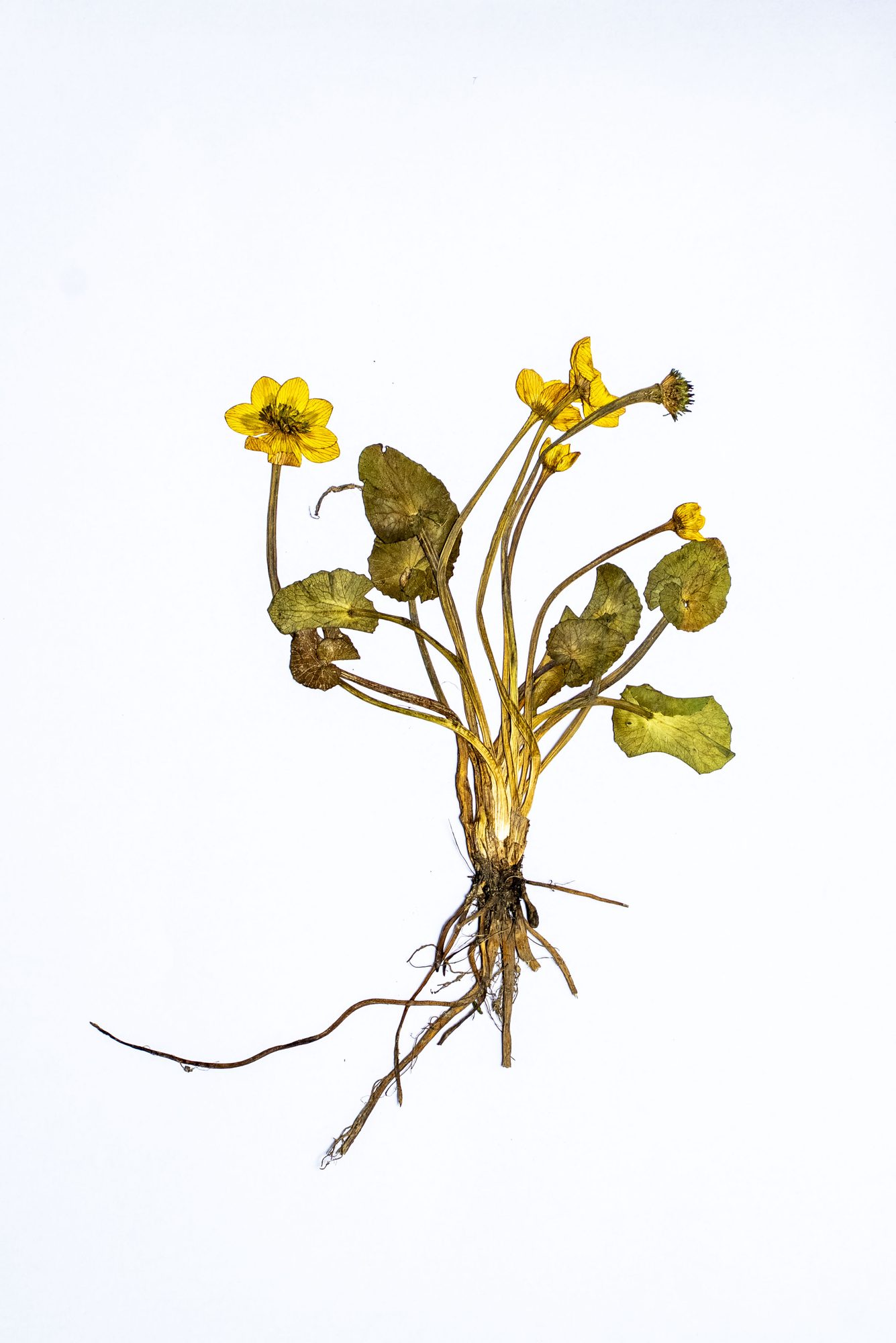 field record 61
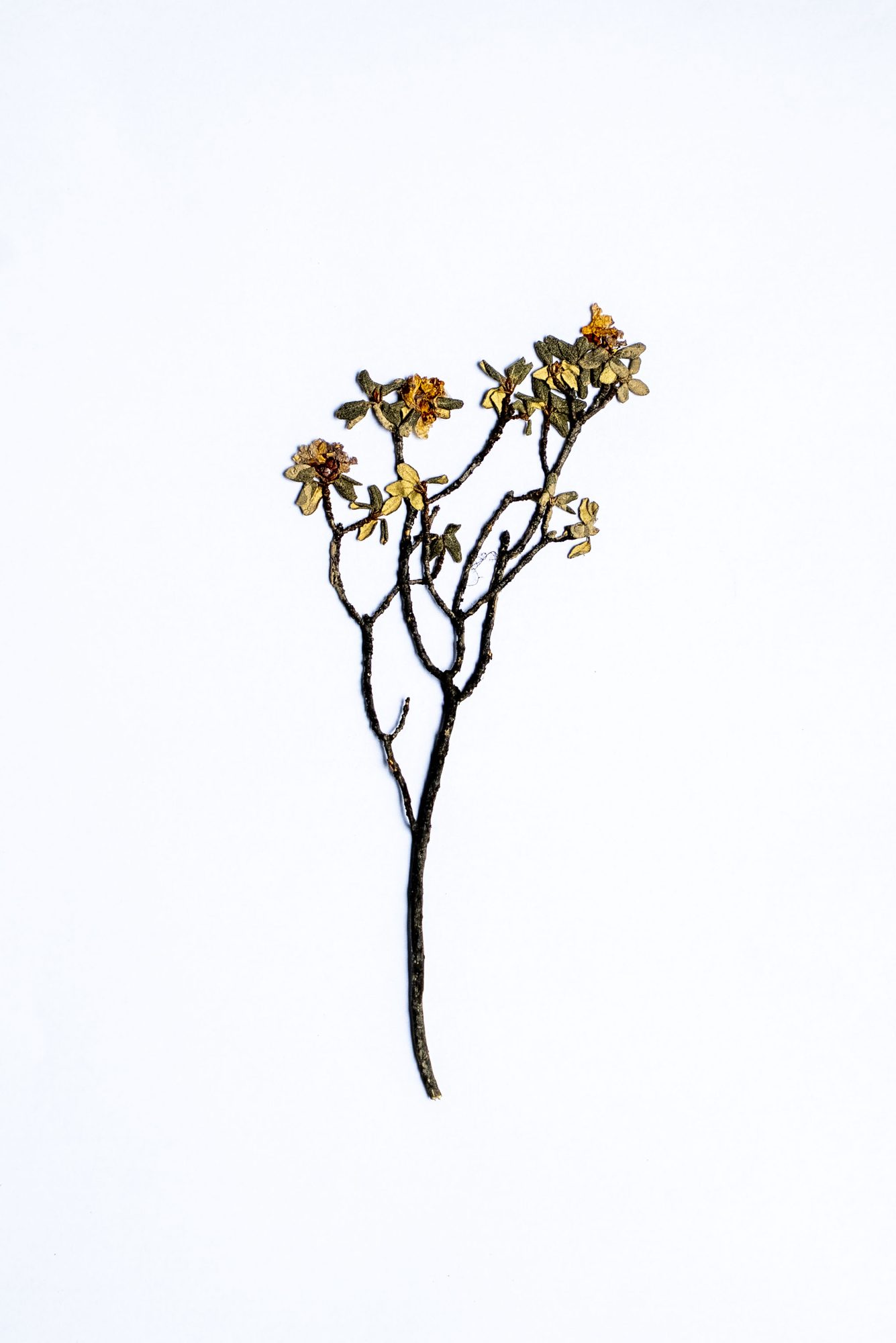 field record 62
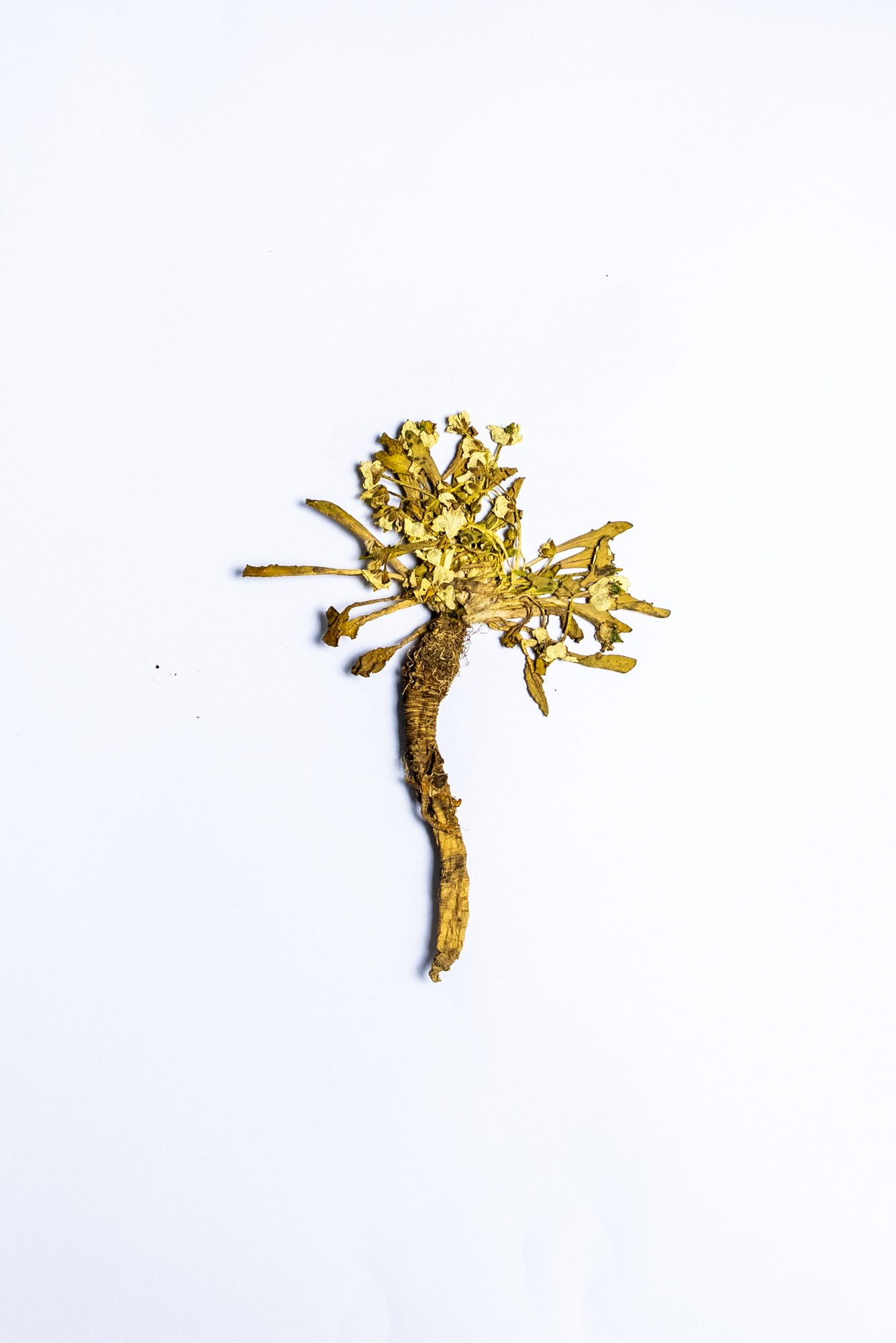 field record 63
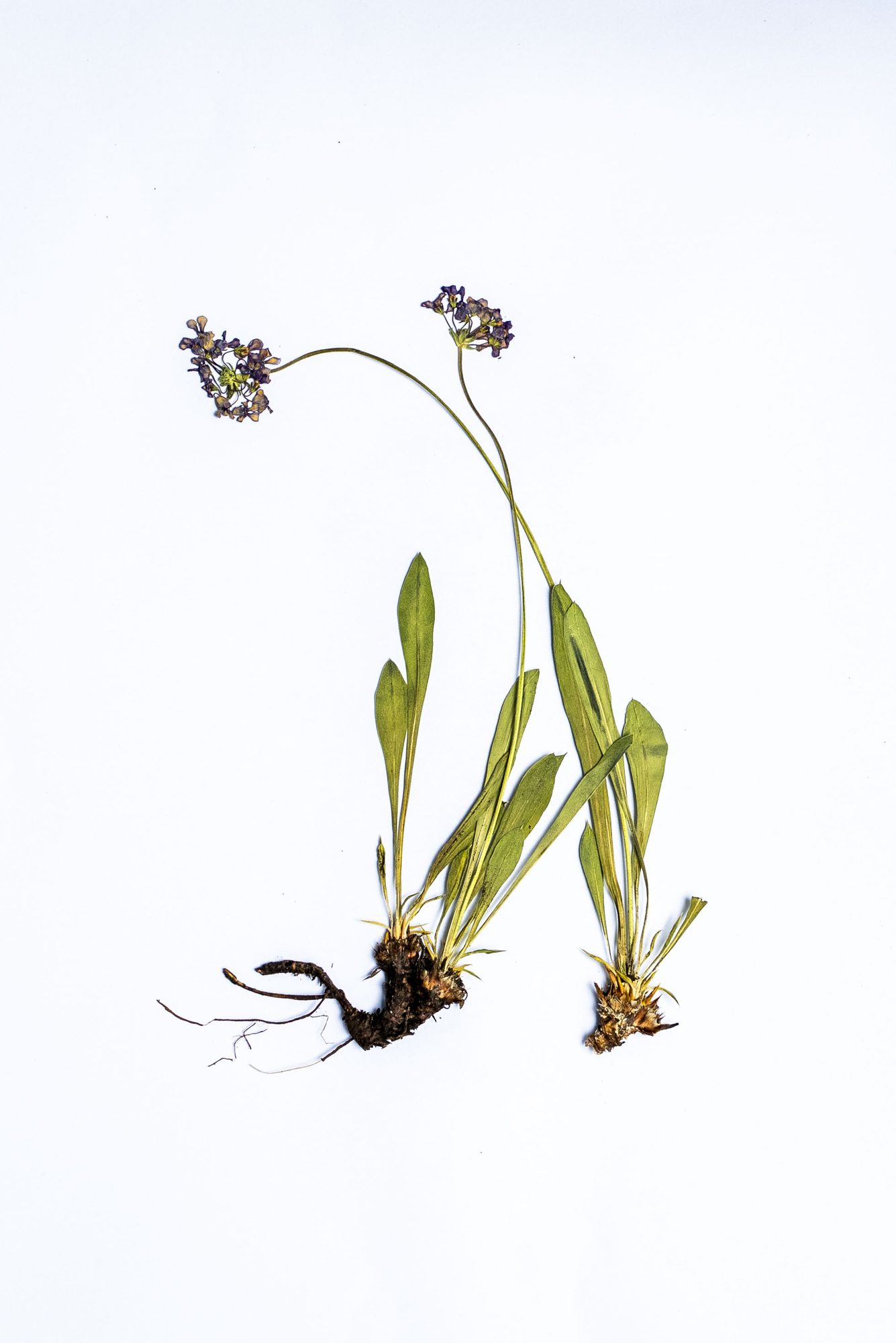 field record 64
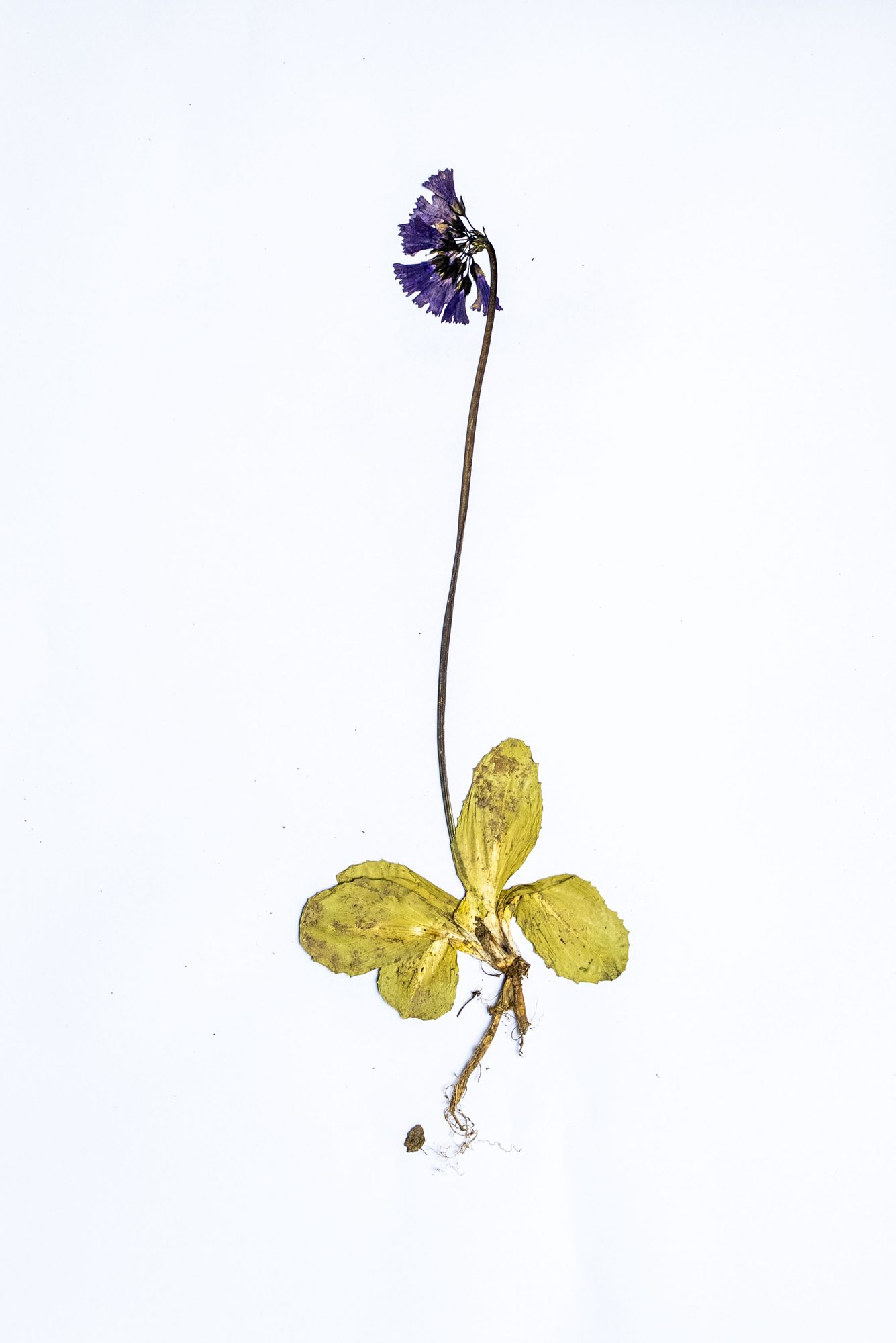 field record 65
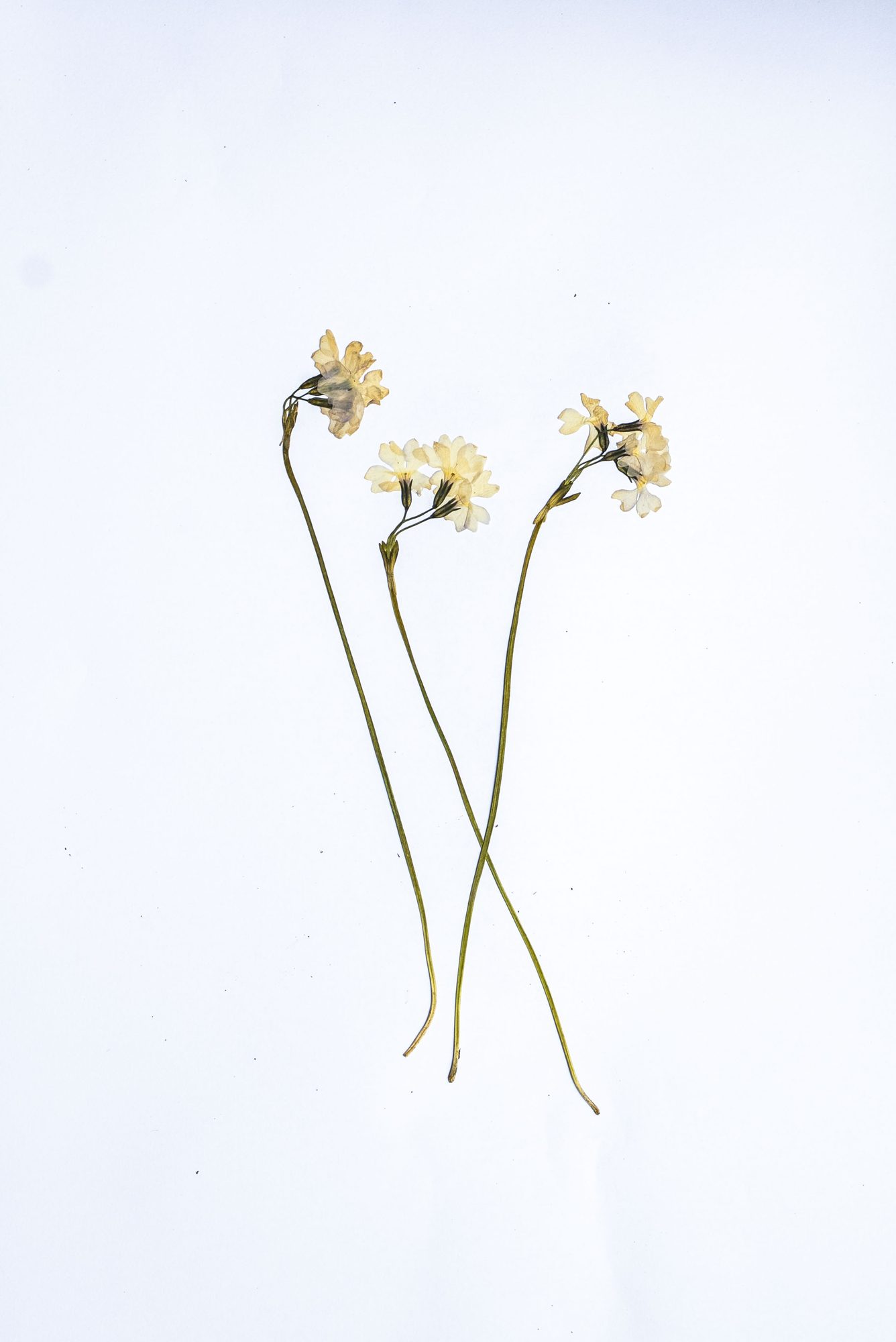 field record 66
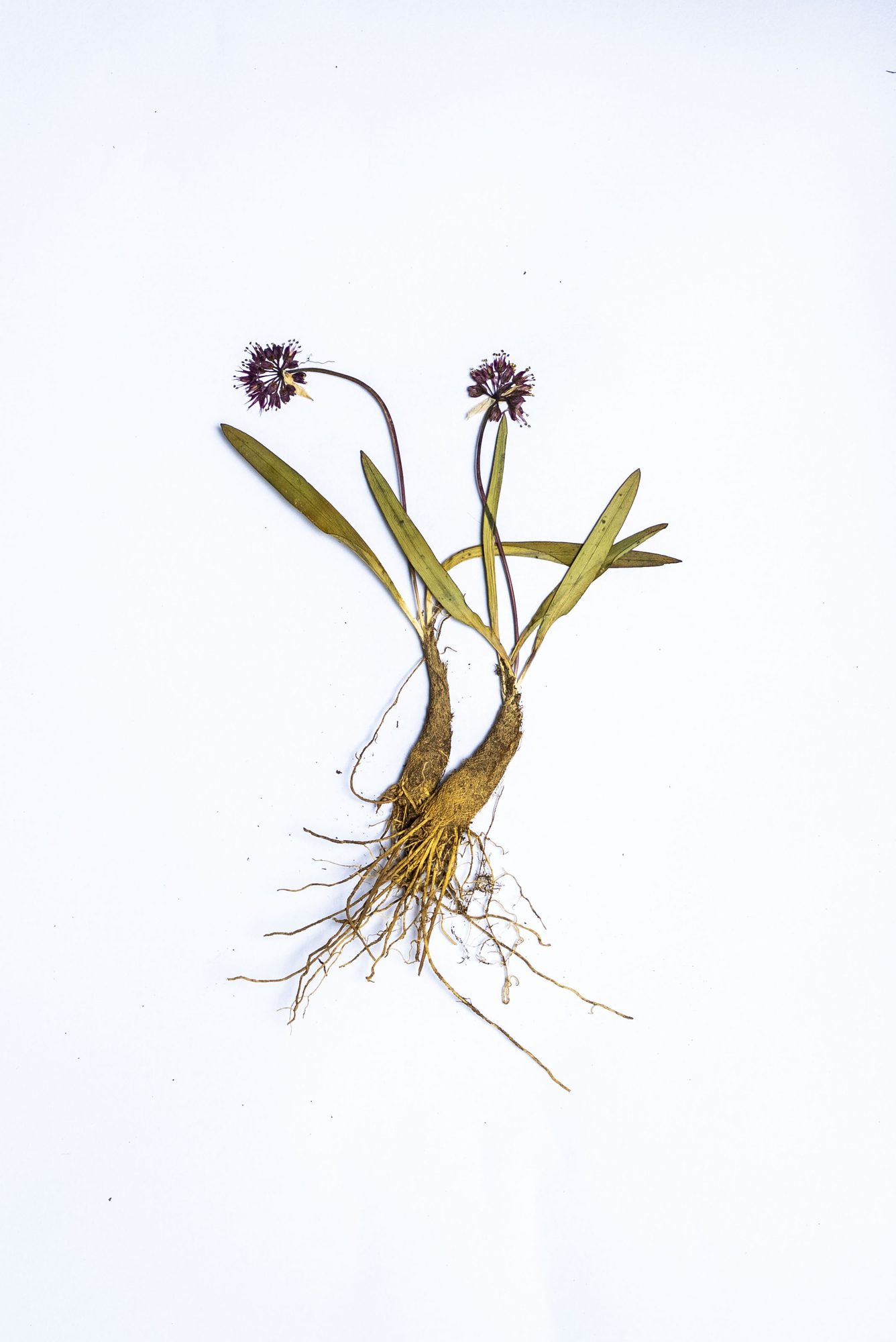 field record 67
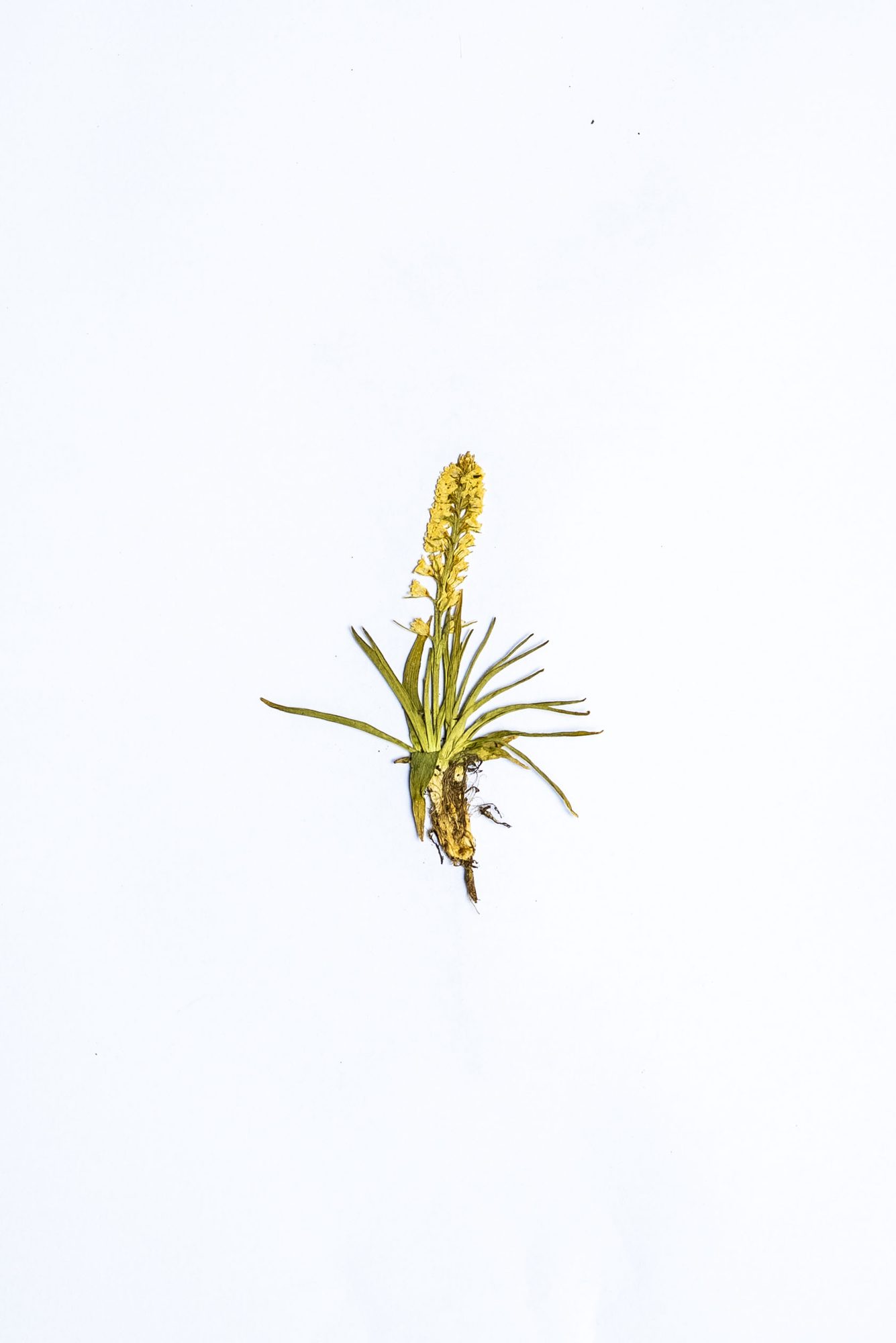 field record 68
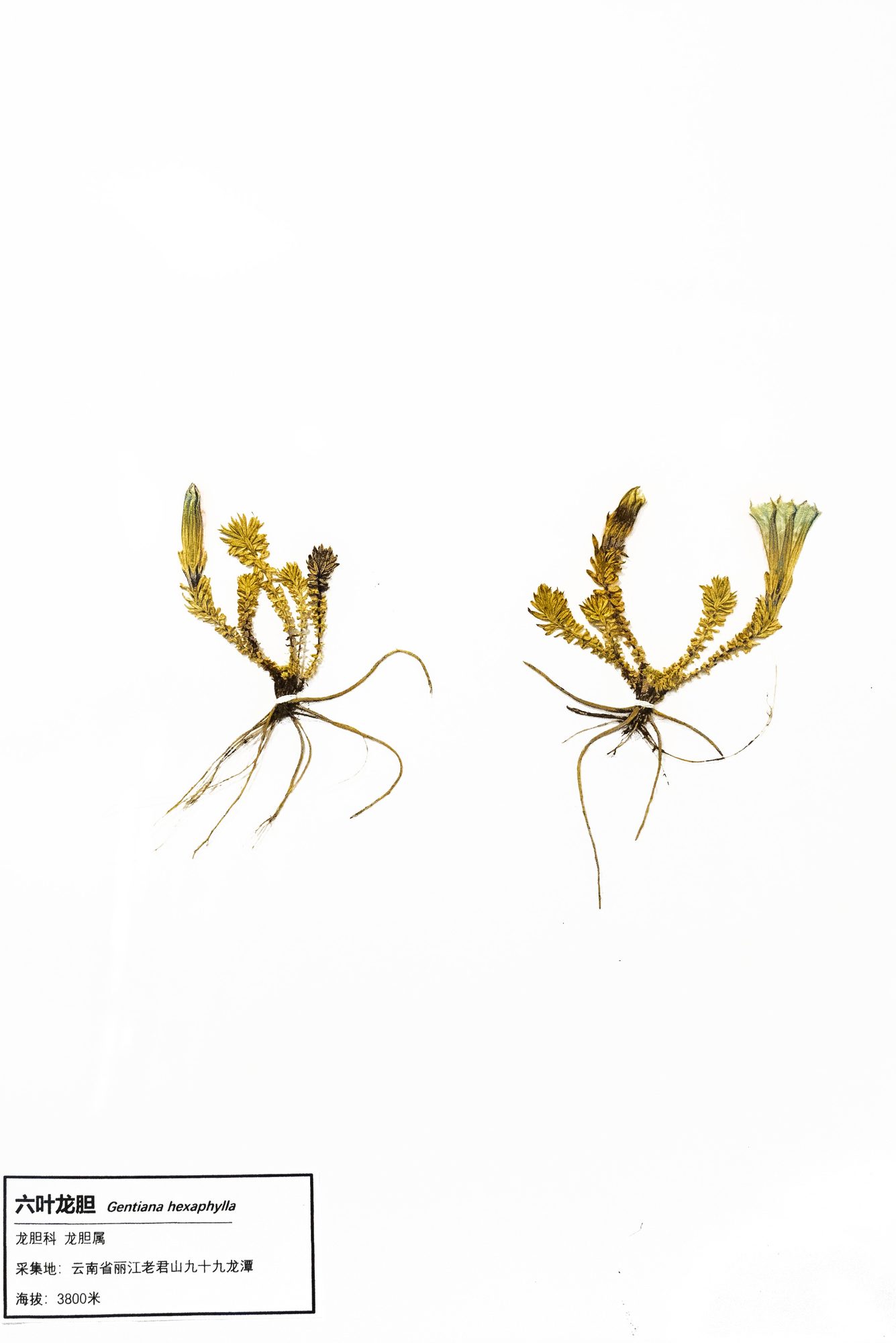 field record 69
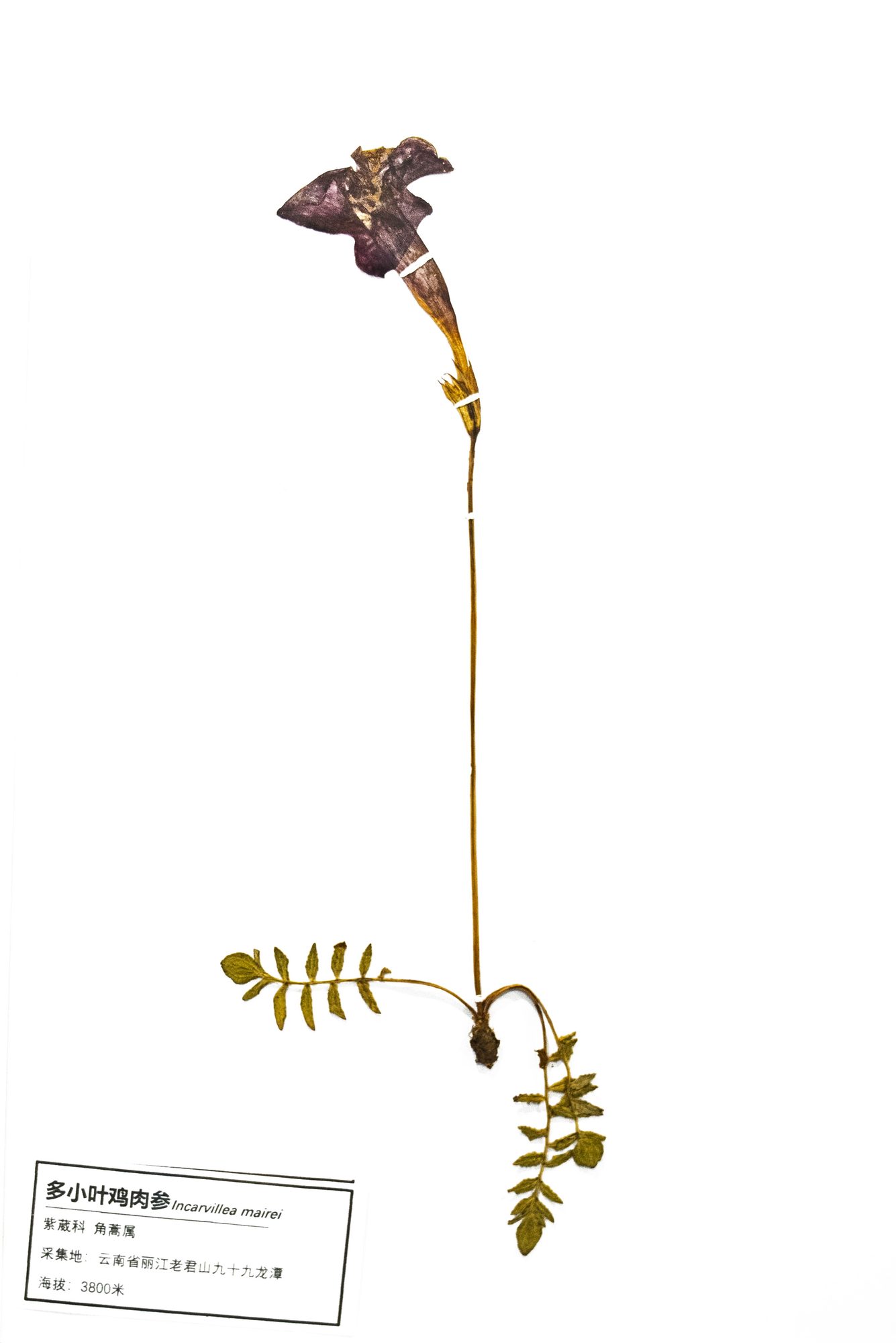 field record 70
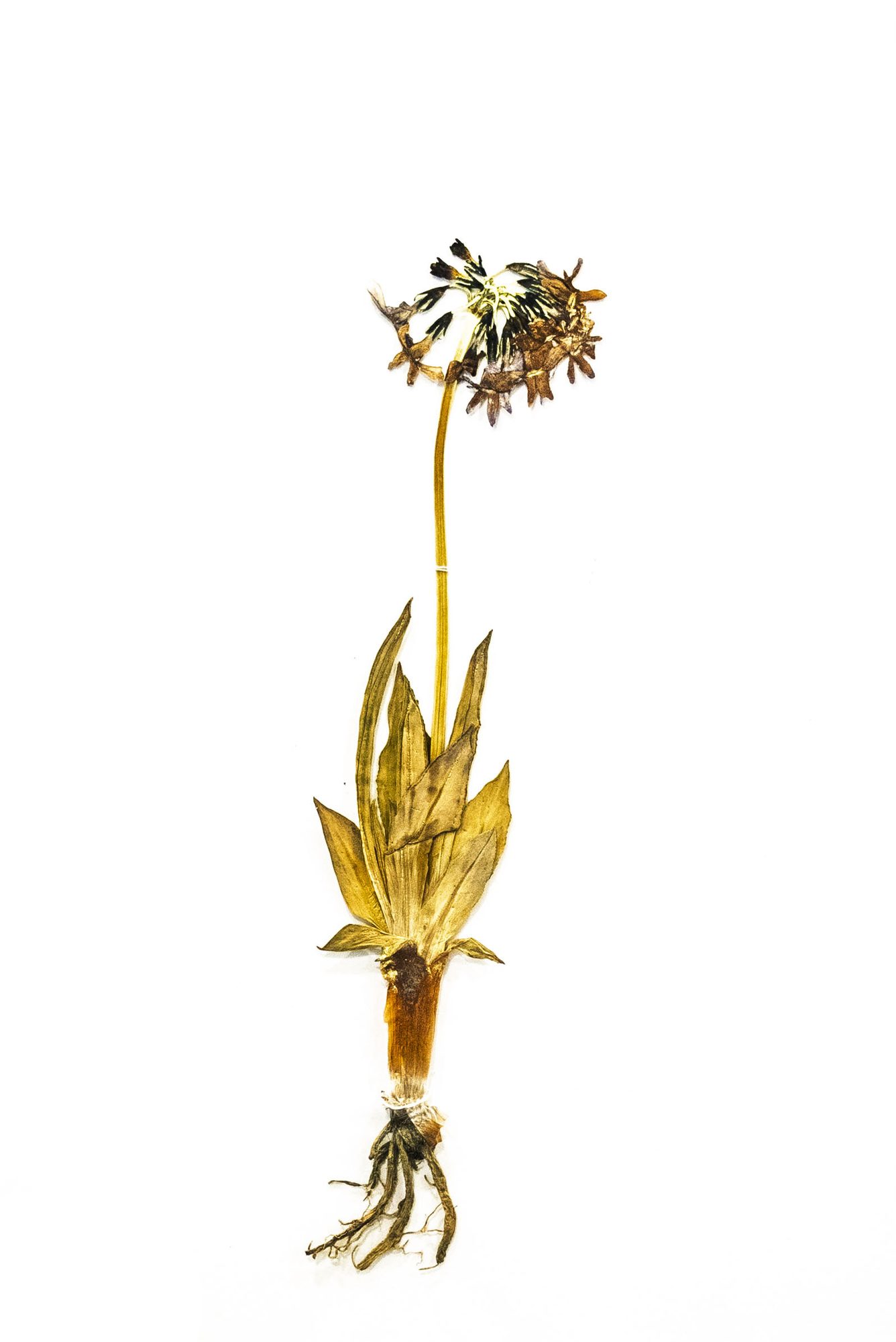 field record 71
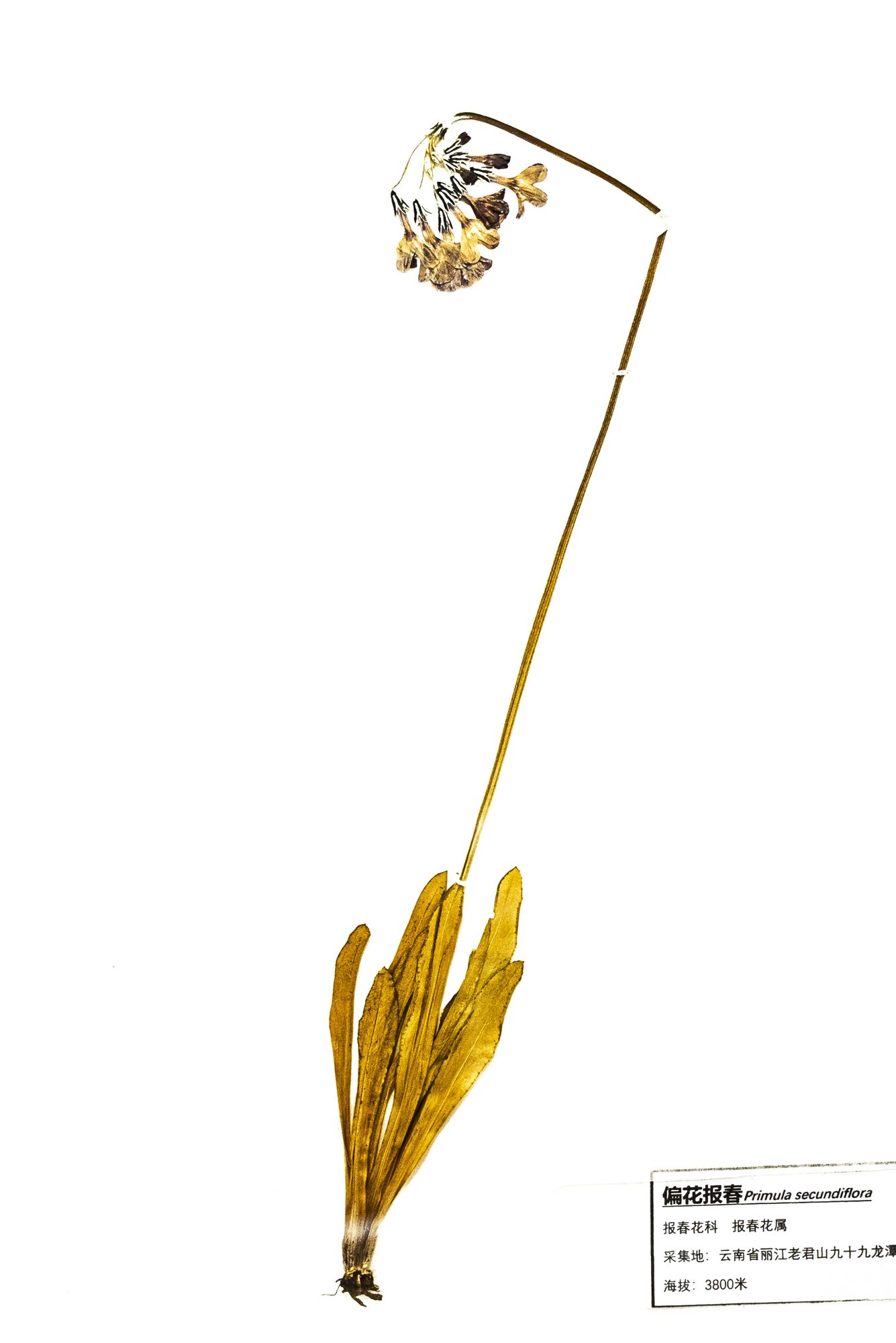 field record 72
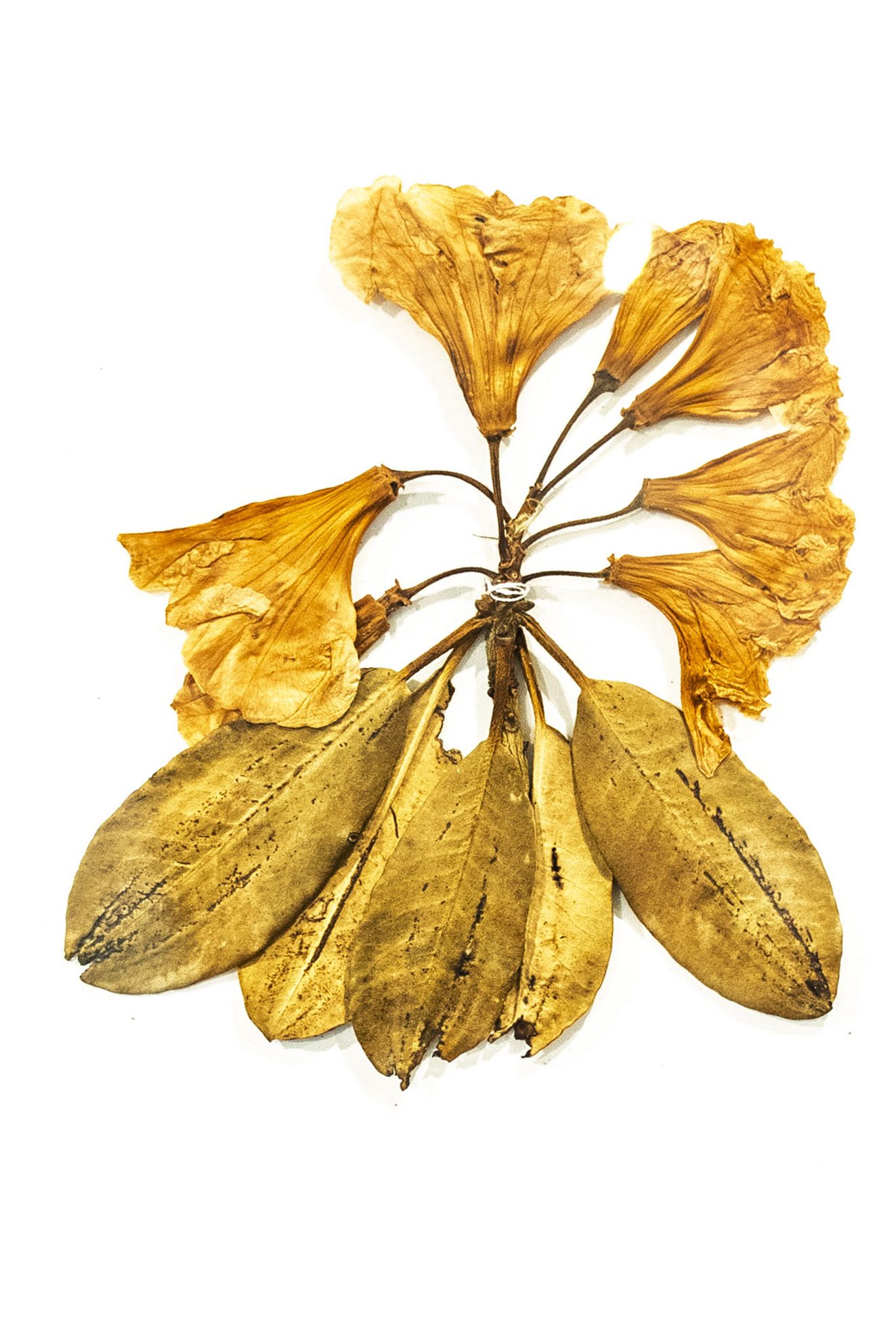 field record 73
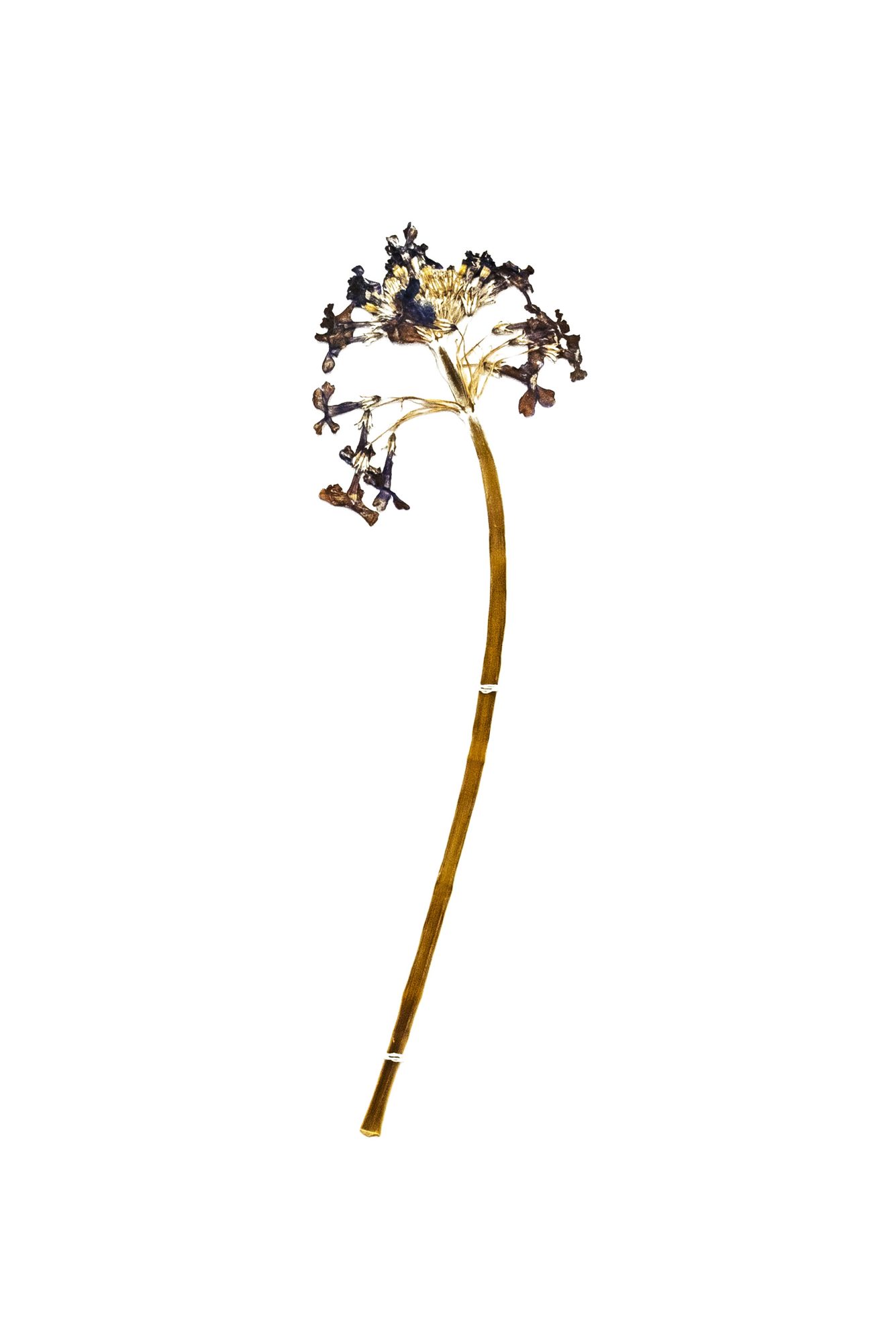 field record 74
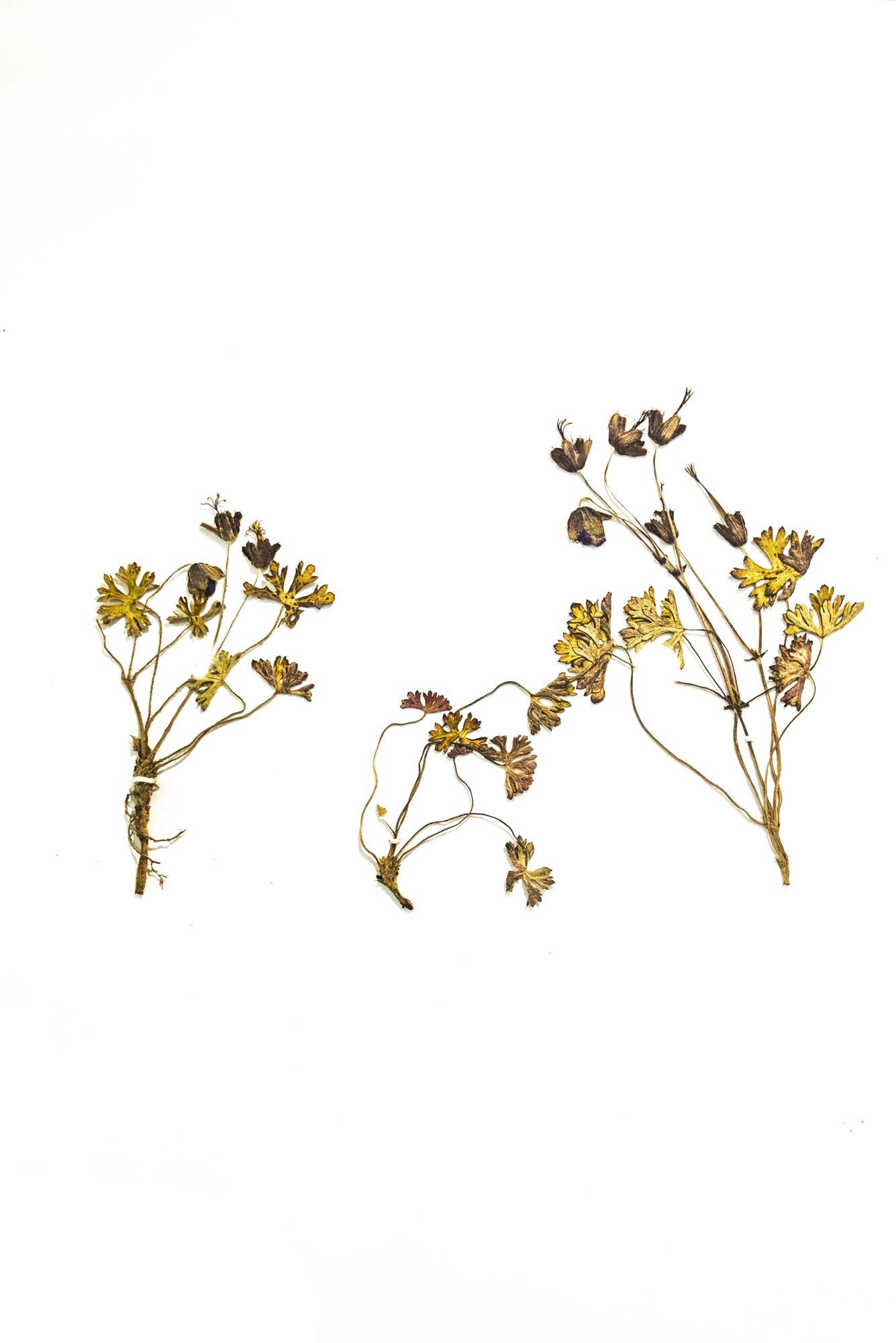 field record 75
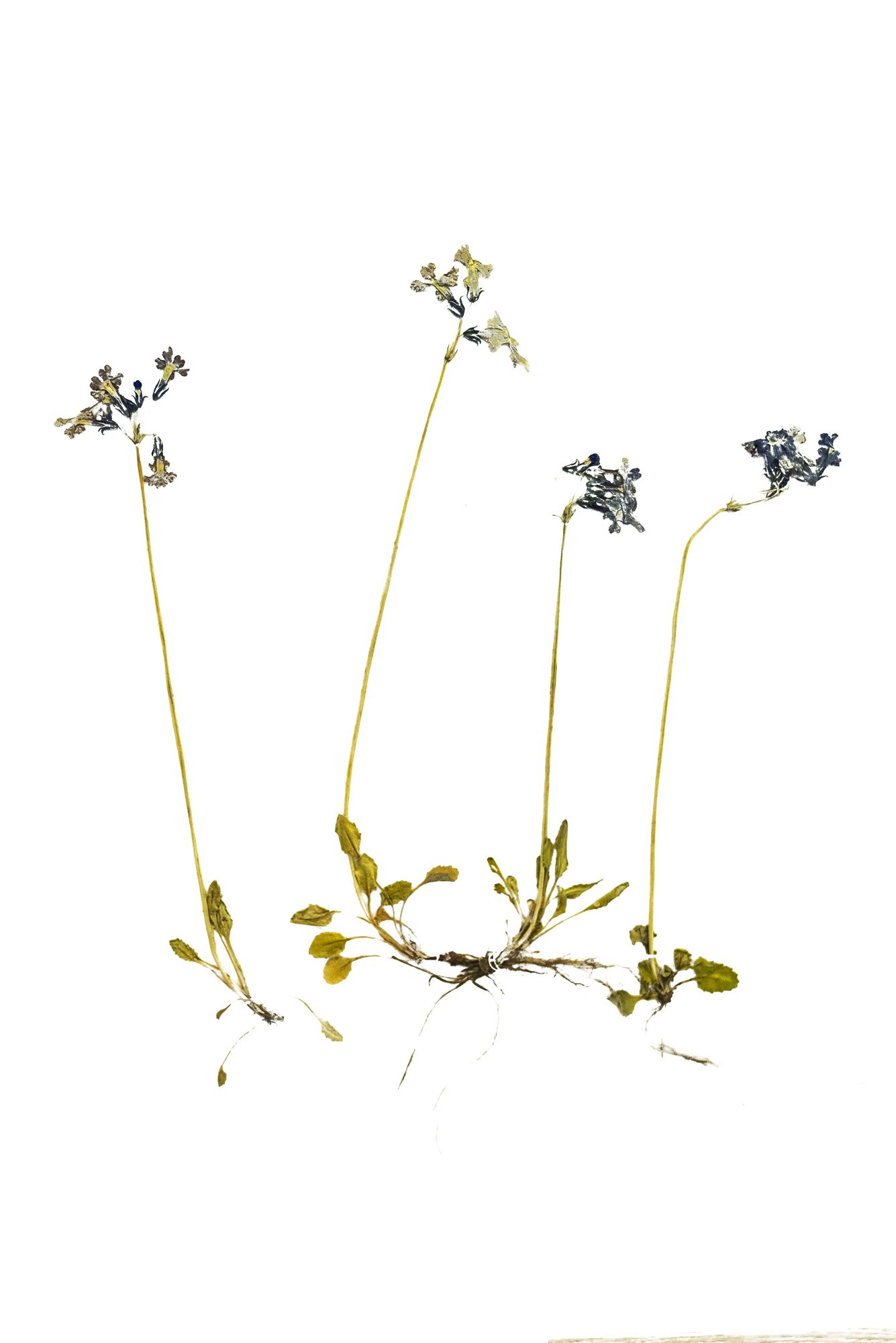 field record 76
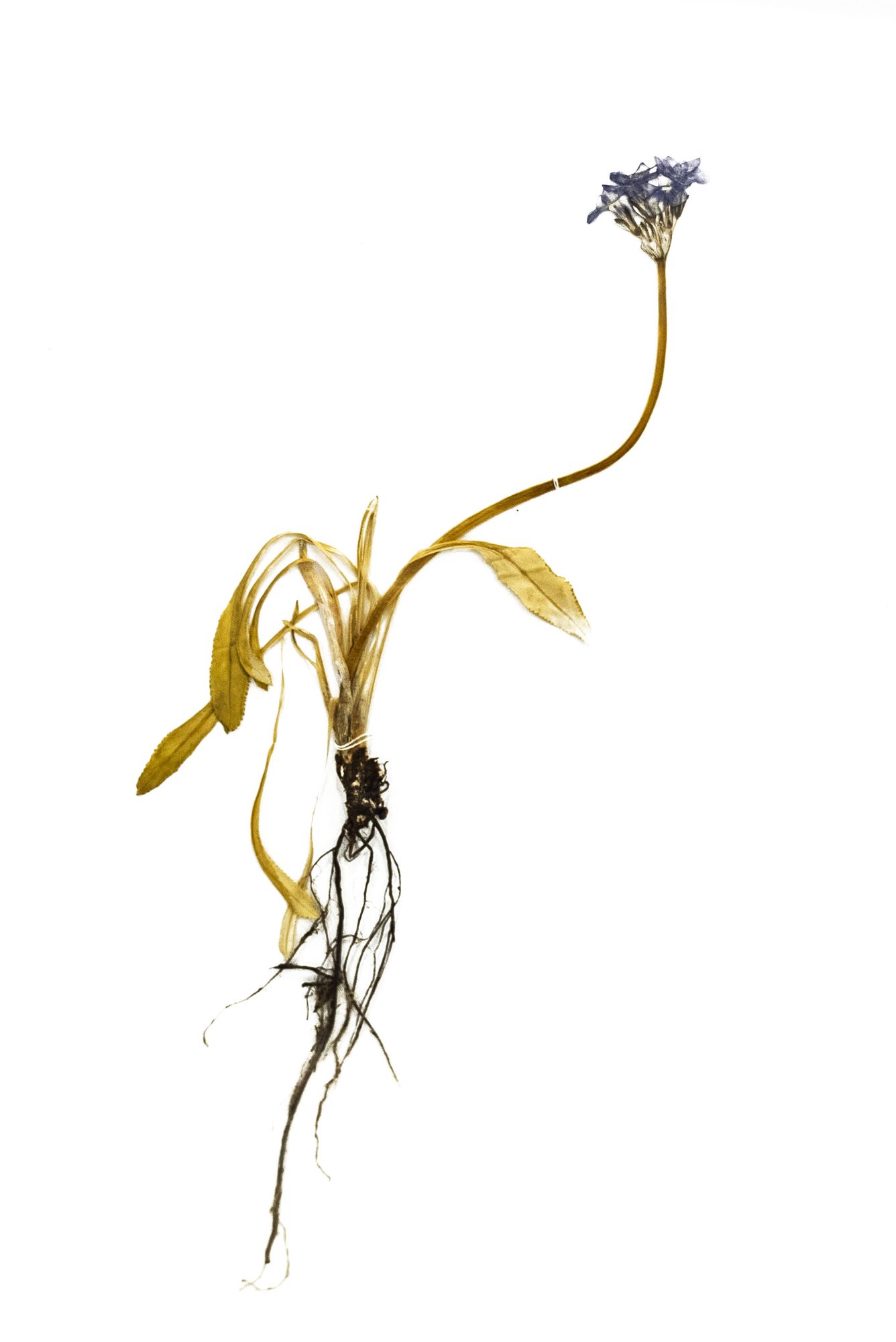 field record 77
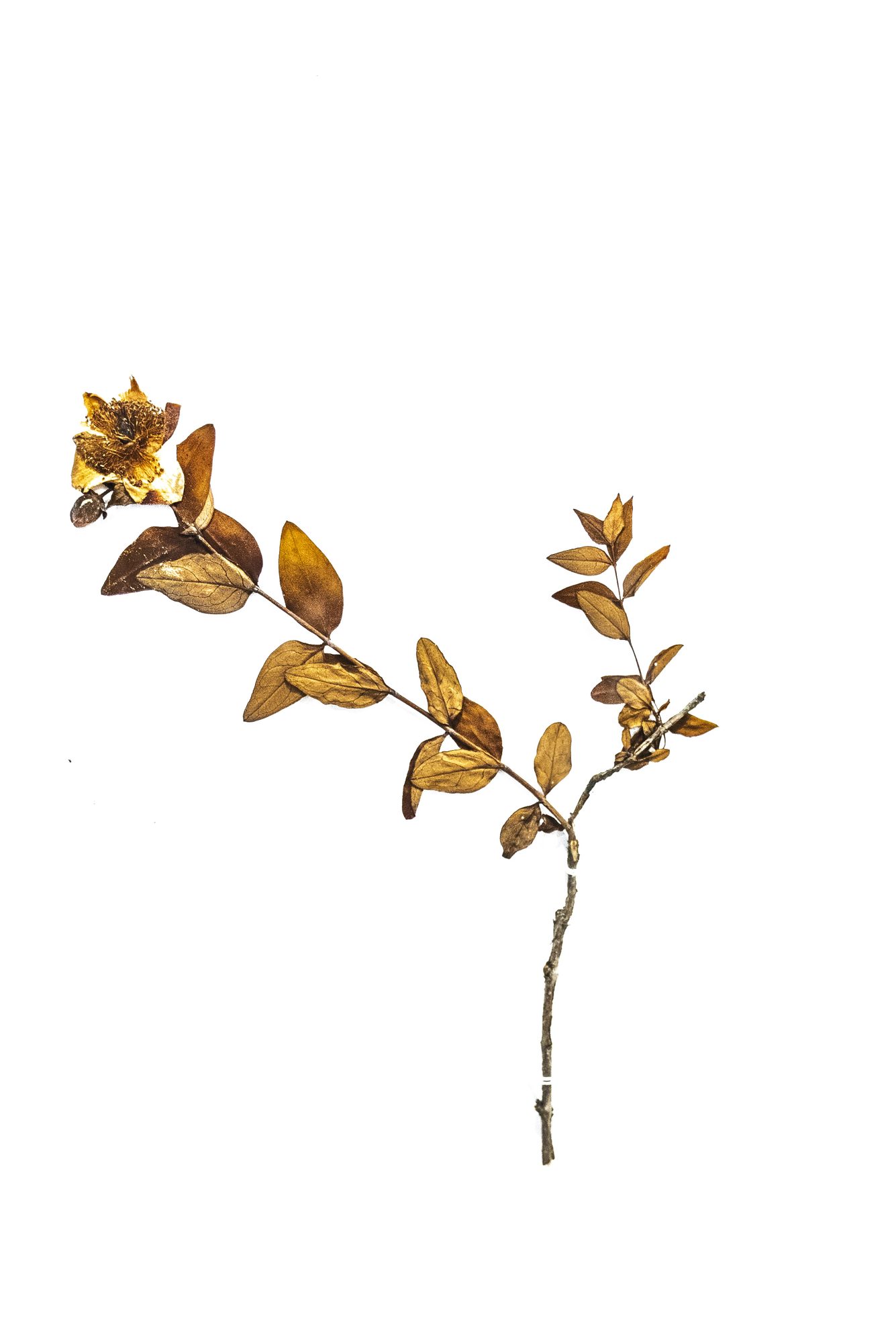 field record 78
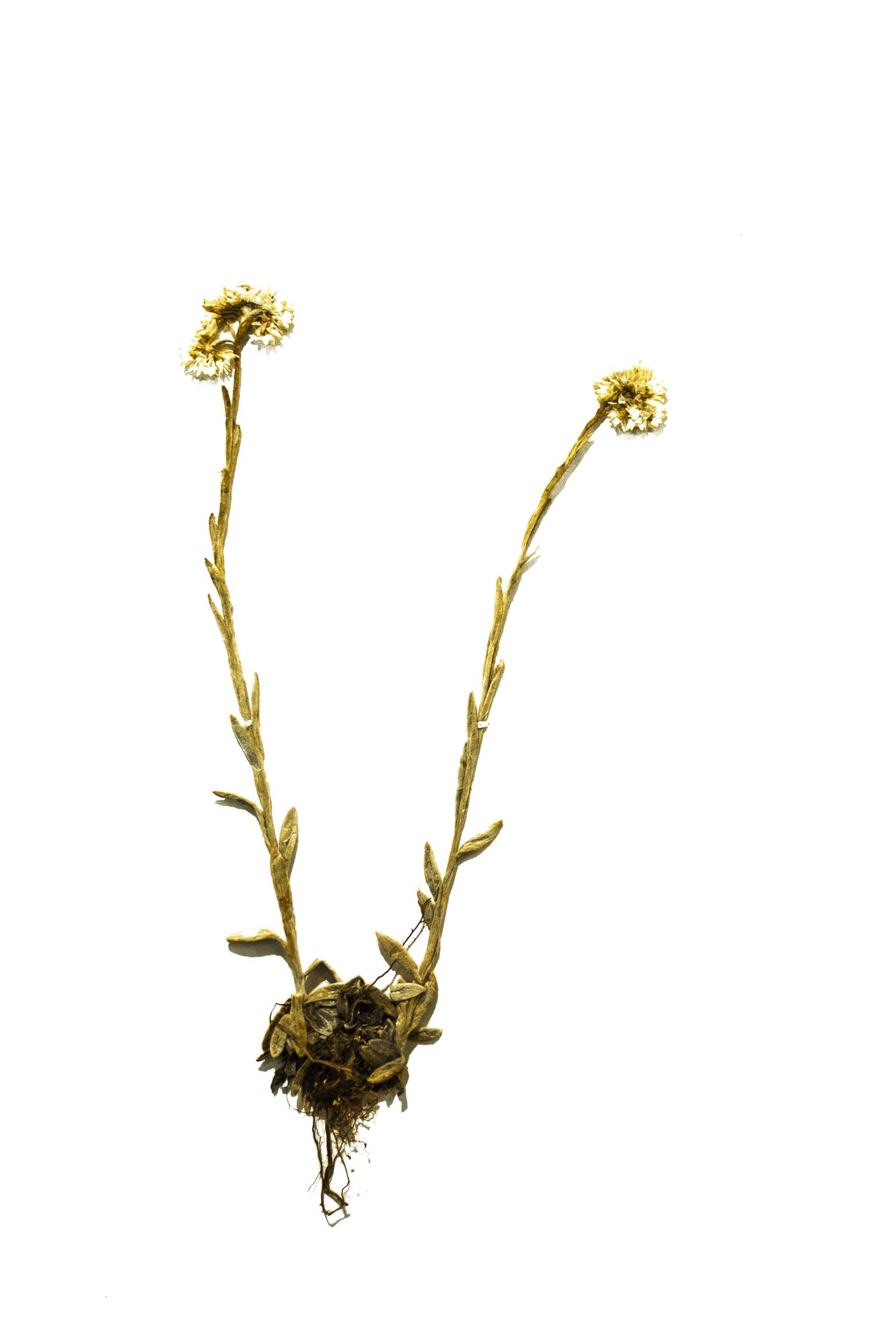 field record 79
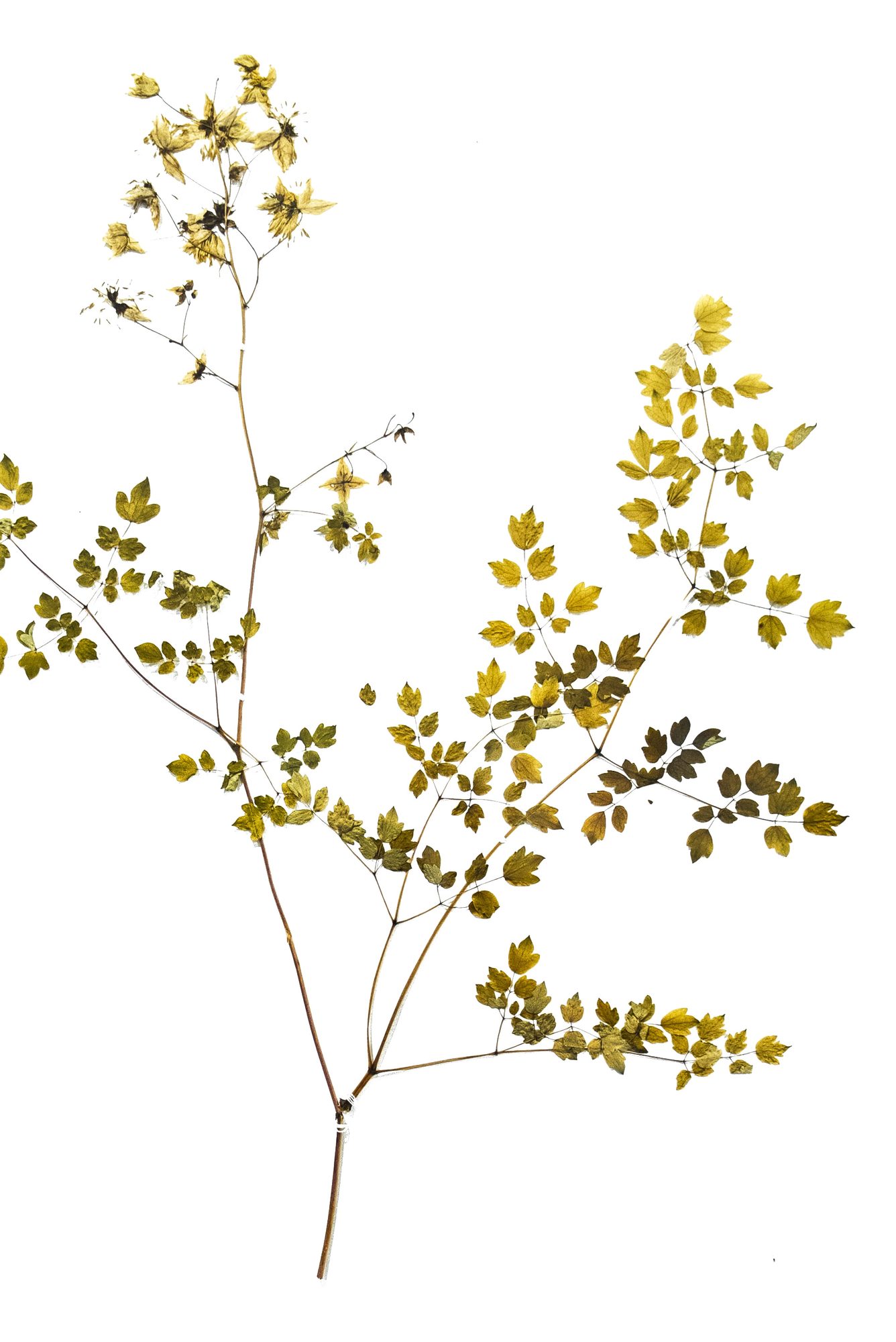 field record 80
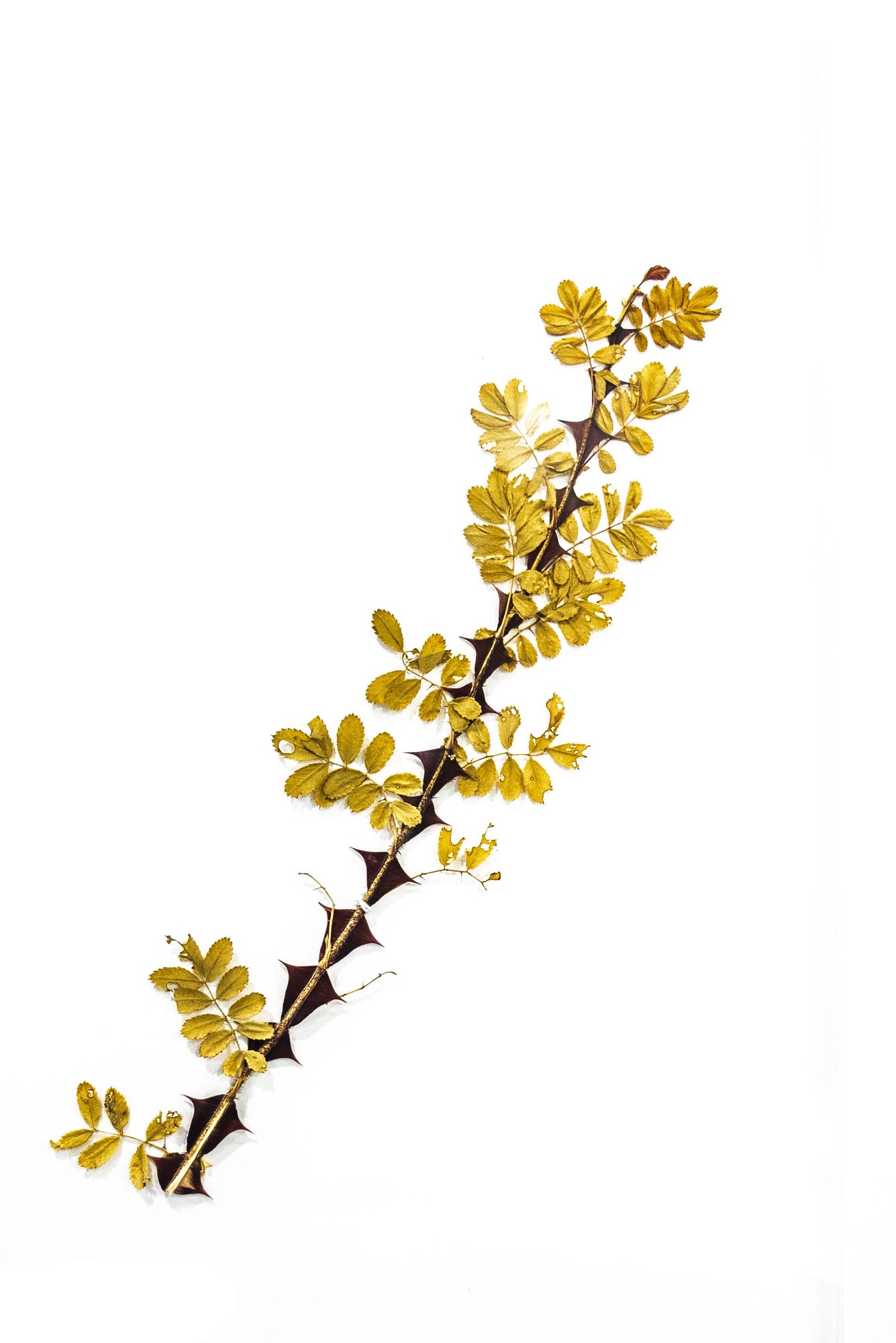 field record 81
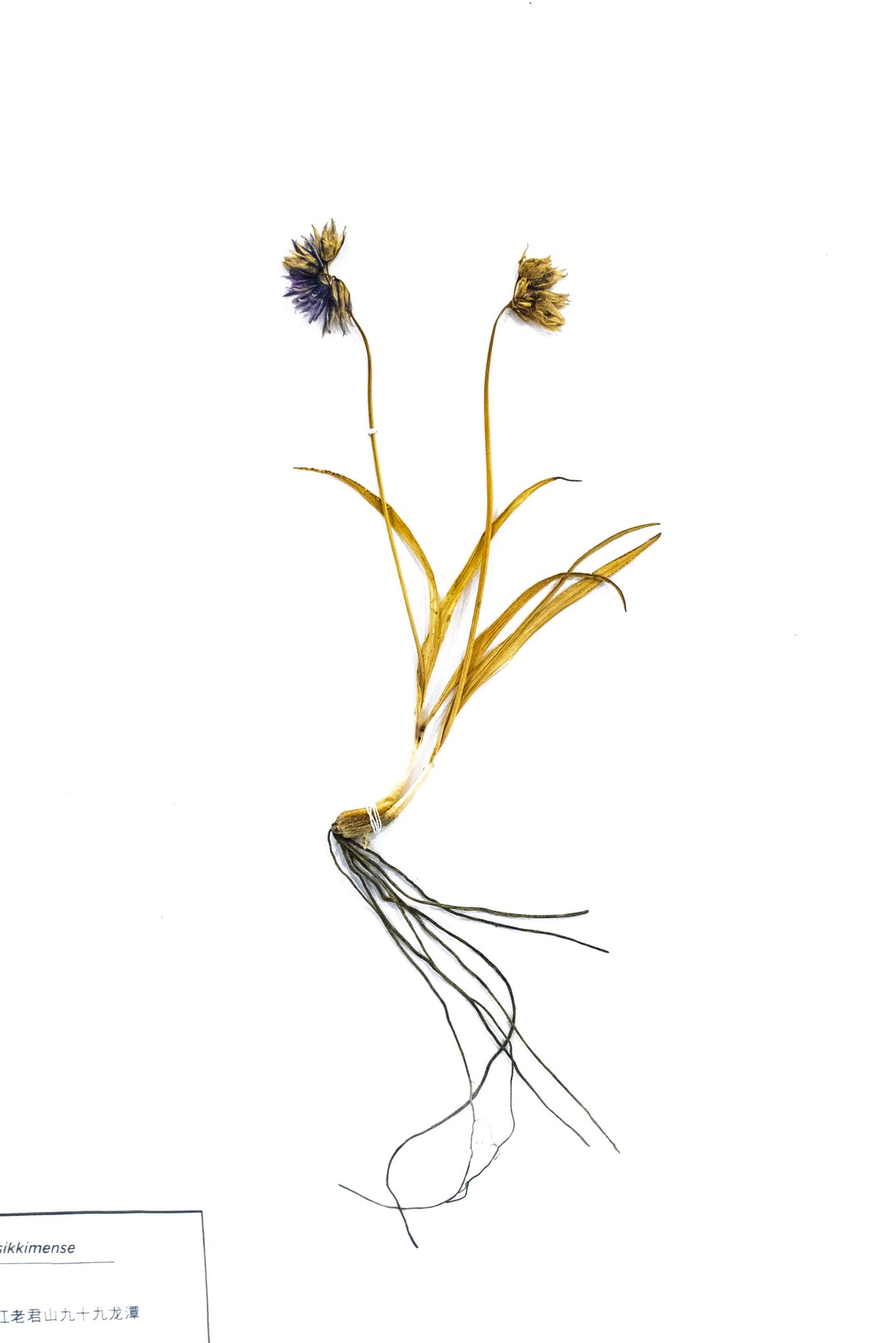 field record 82
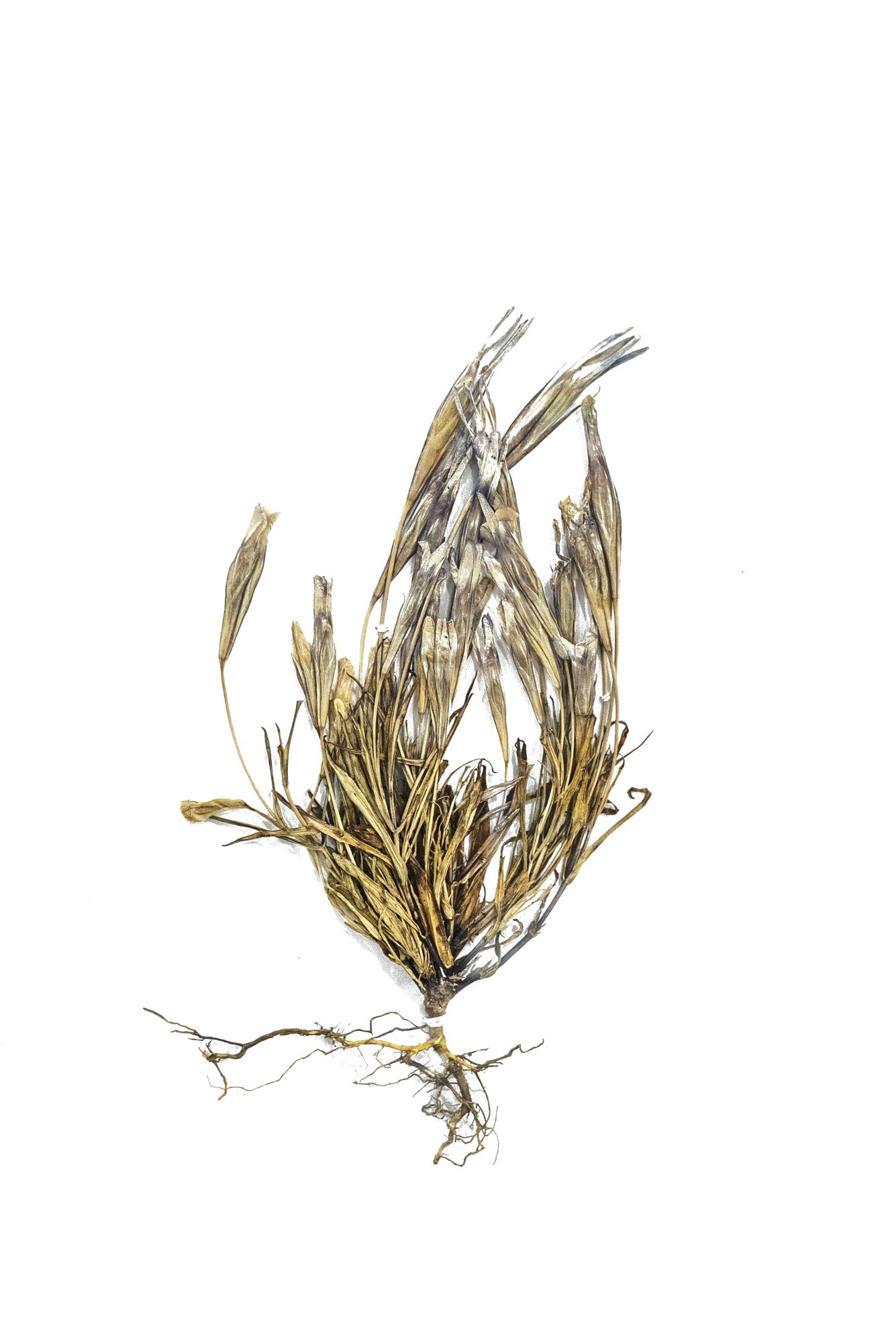 field record 83
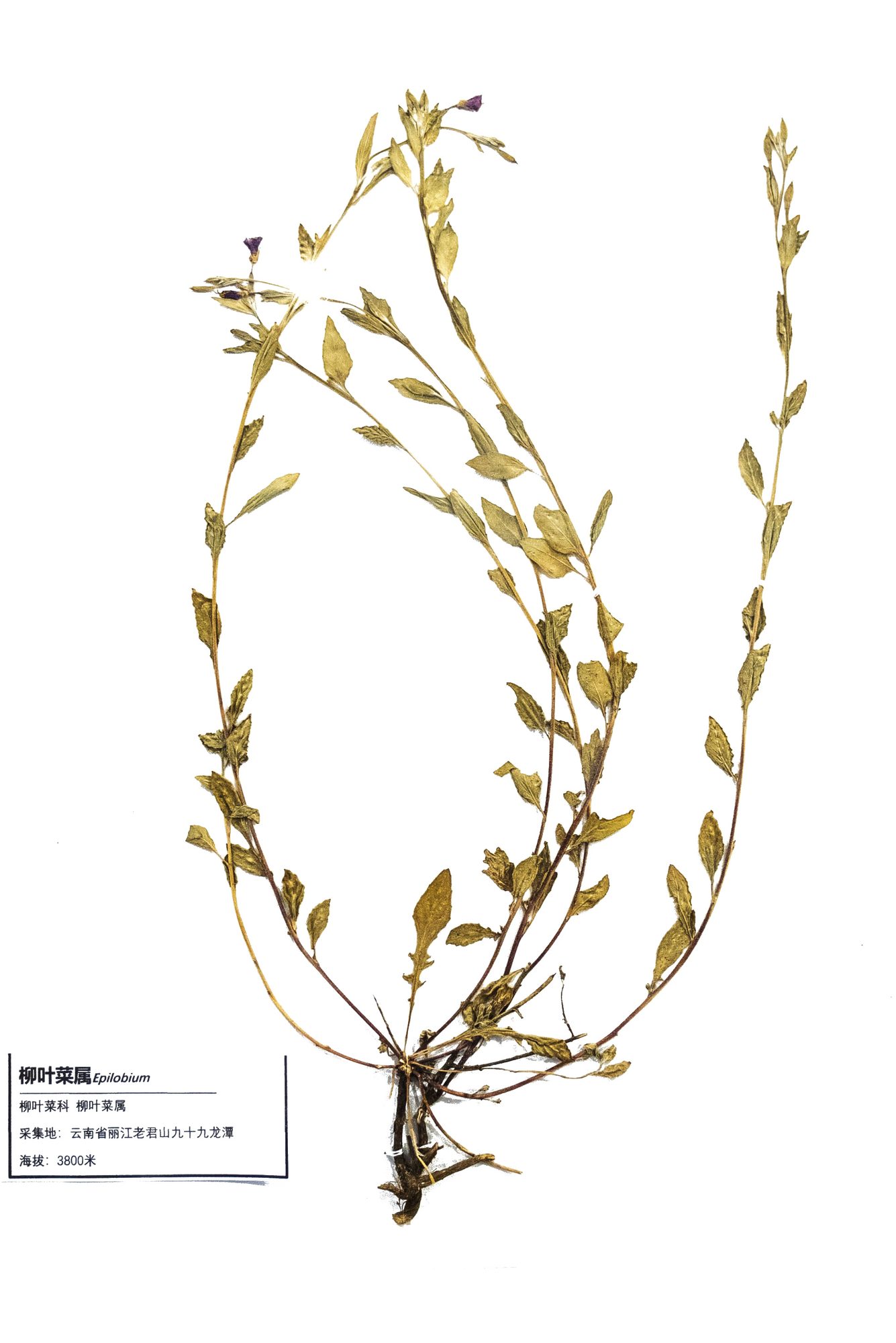 field record 84
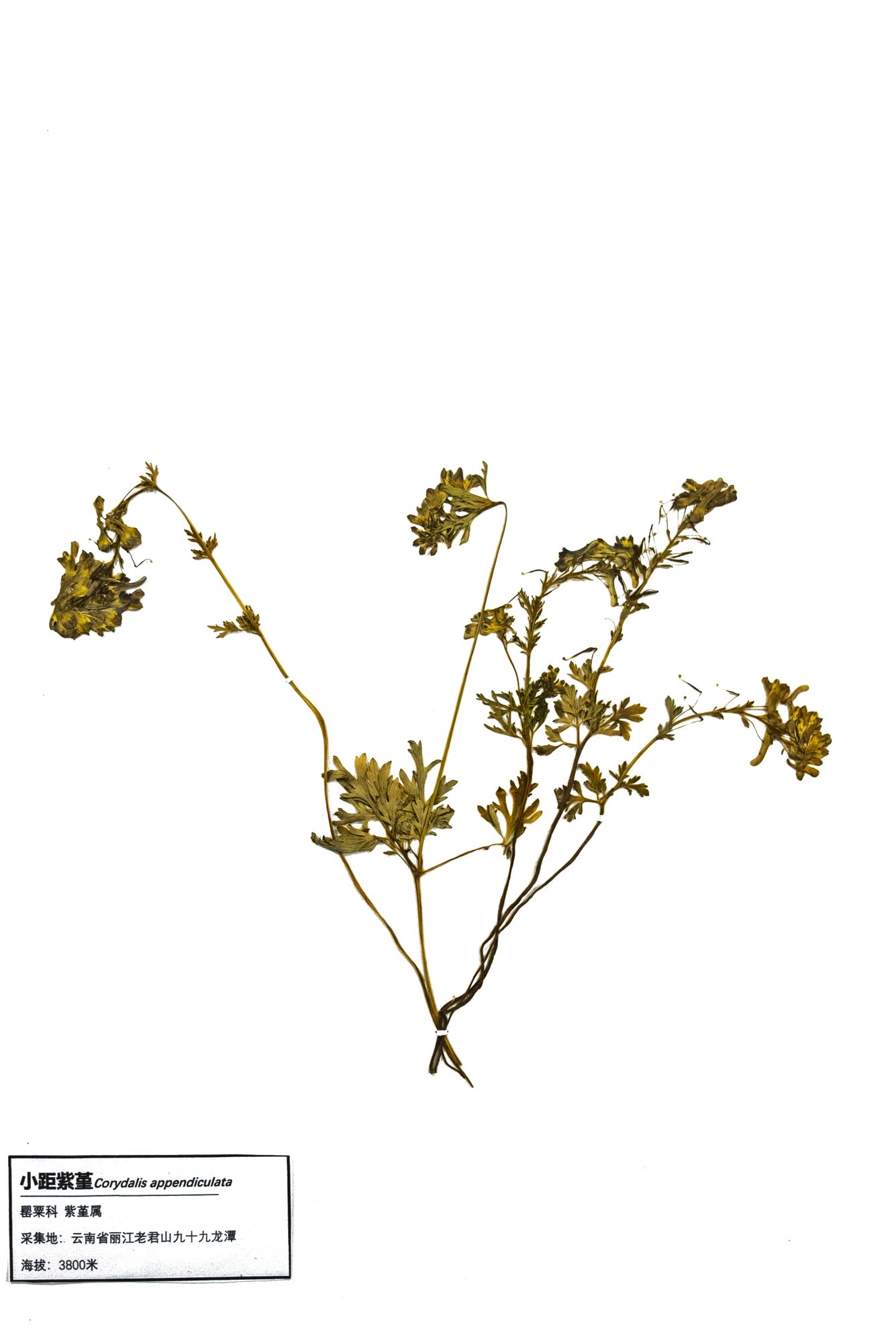 field record 85
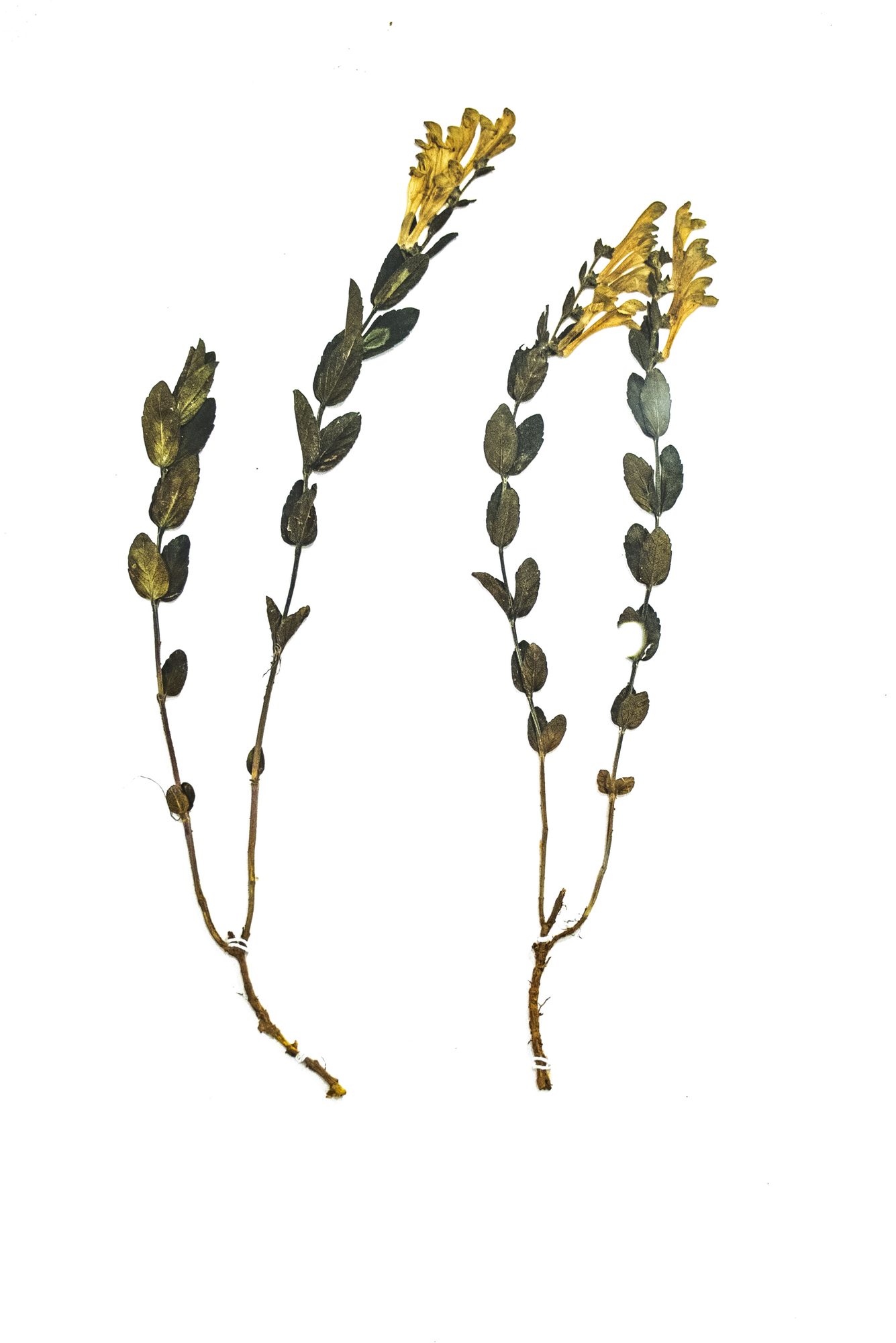 field record 86
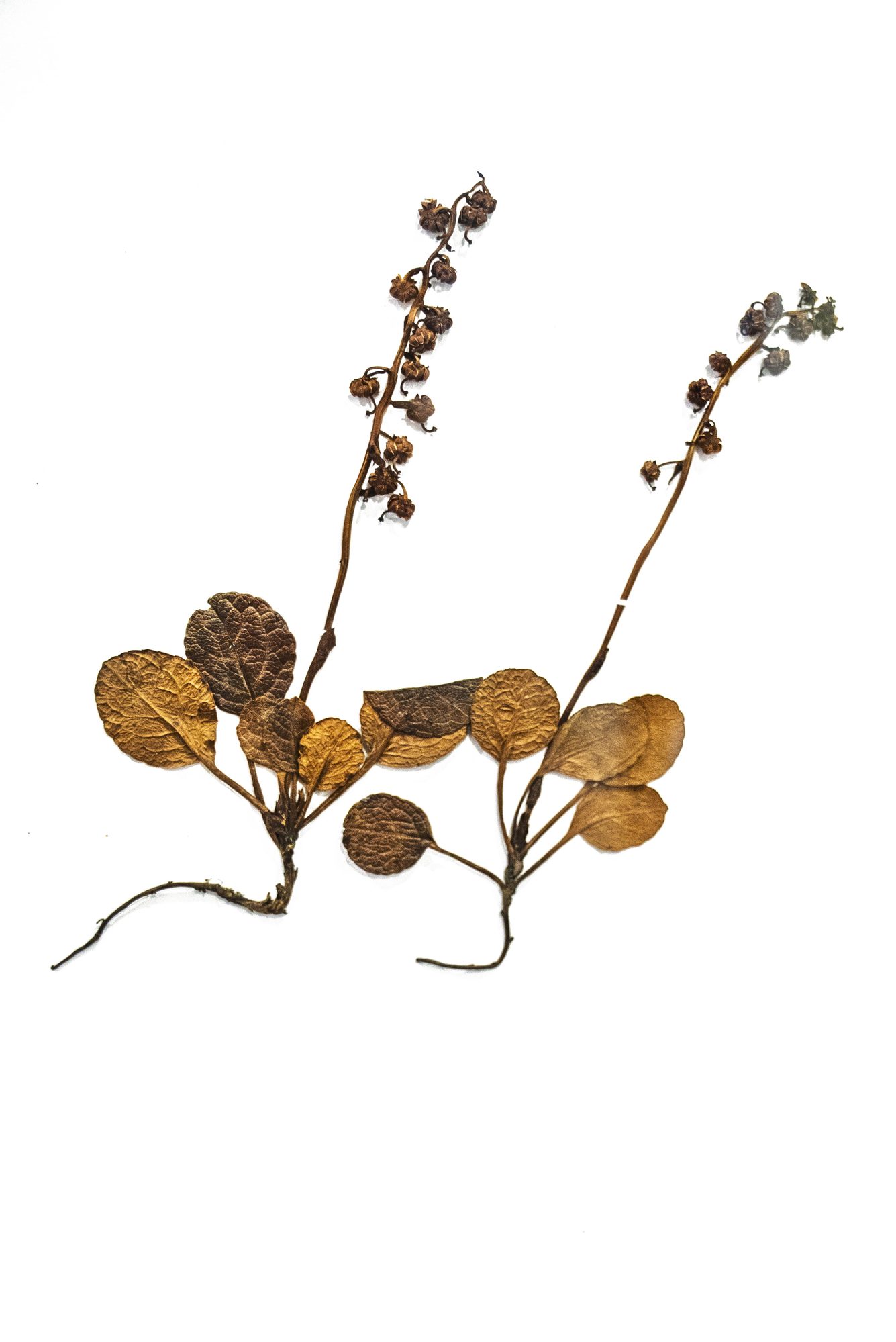 field record 87
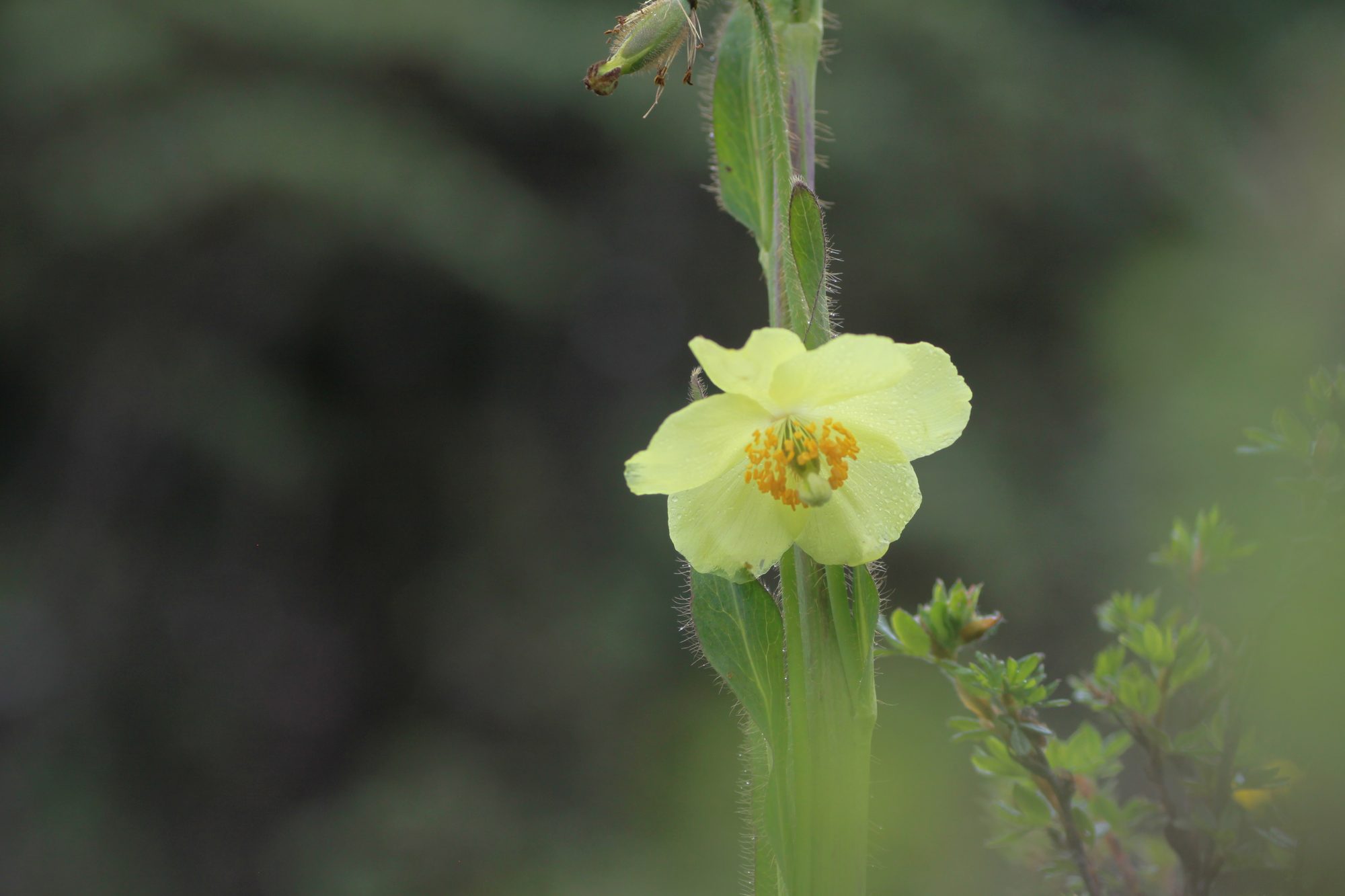 field record 88
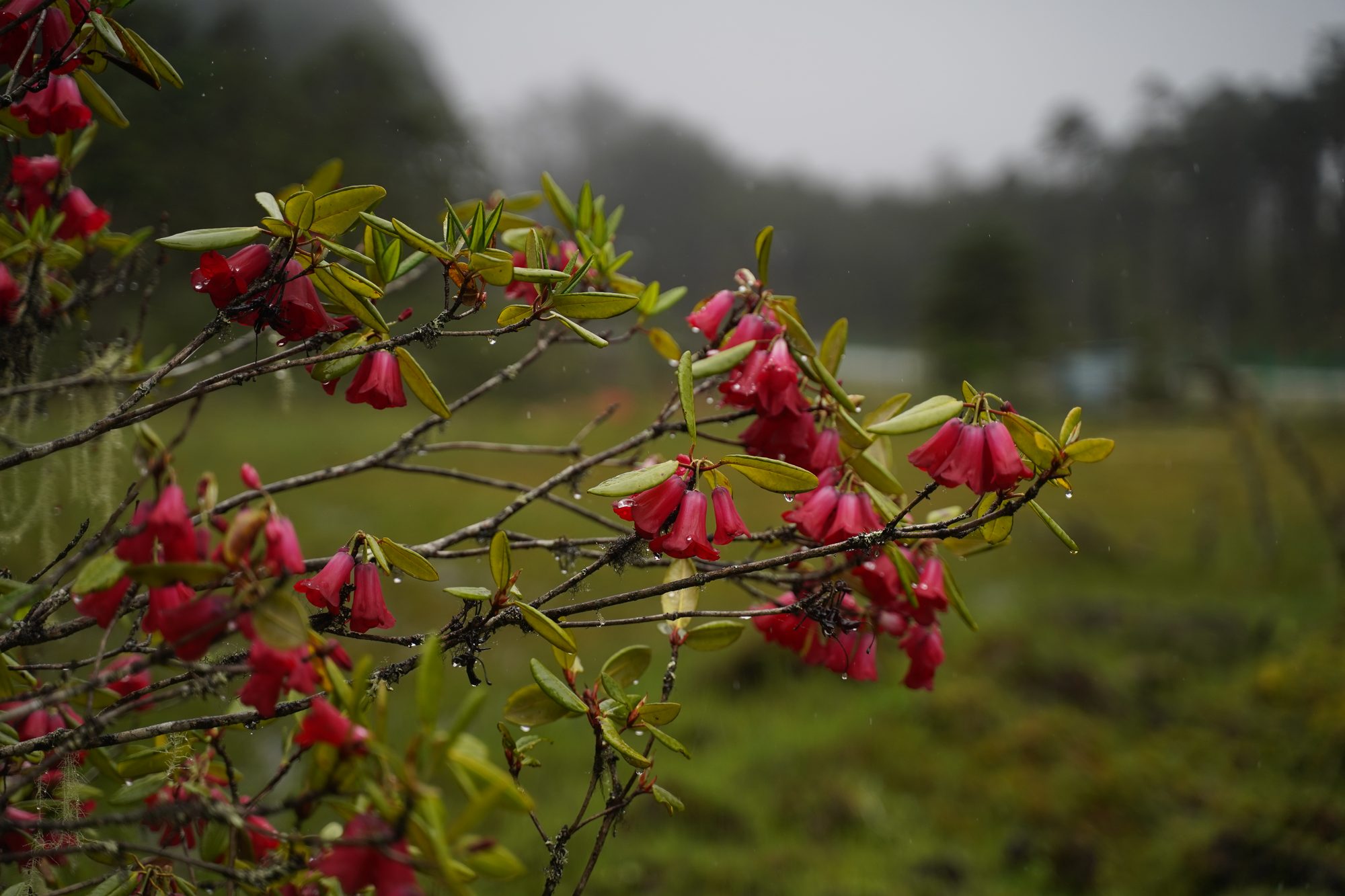 field record 89
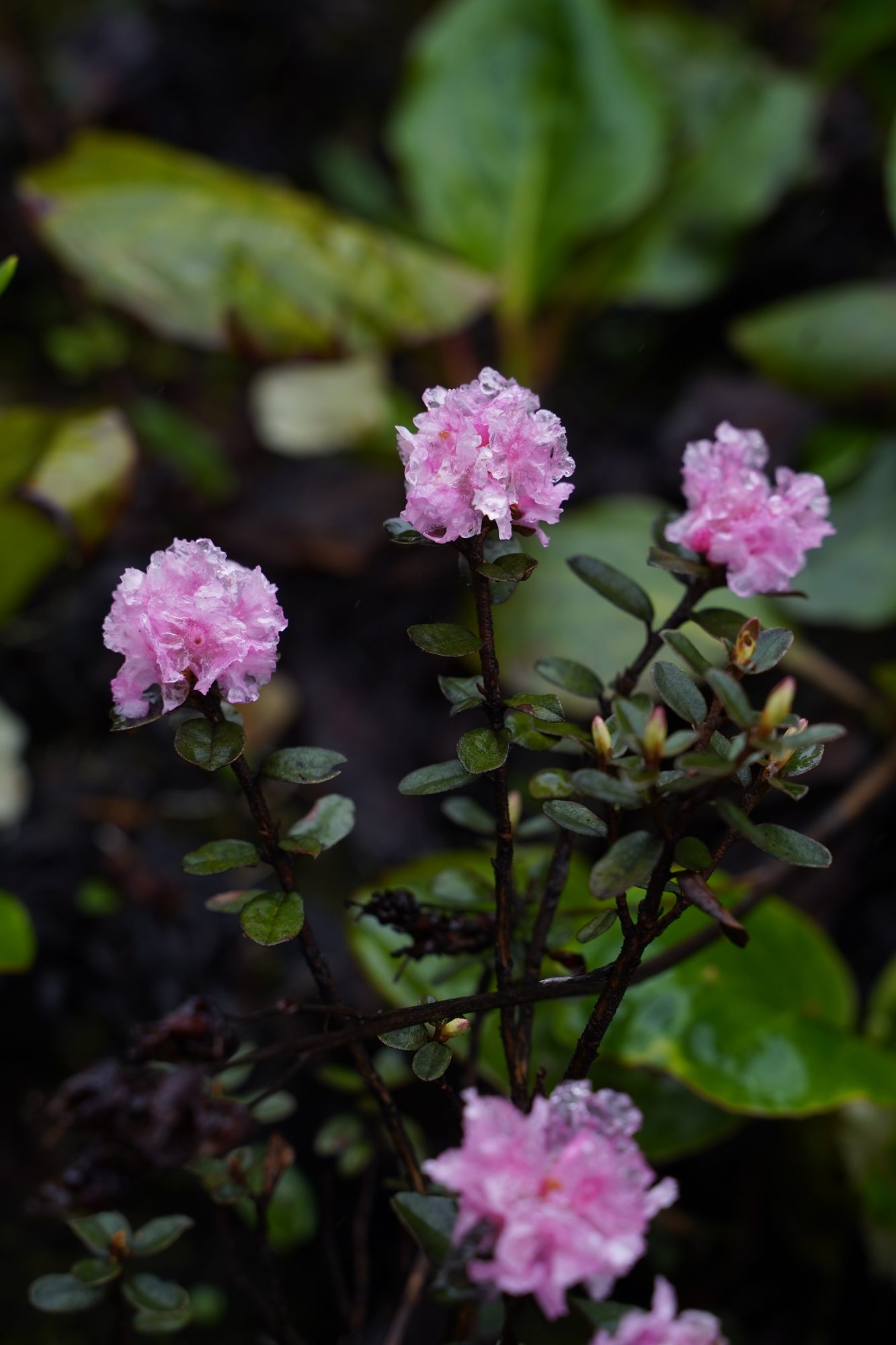 field record 90
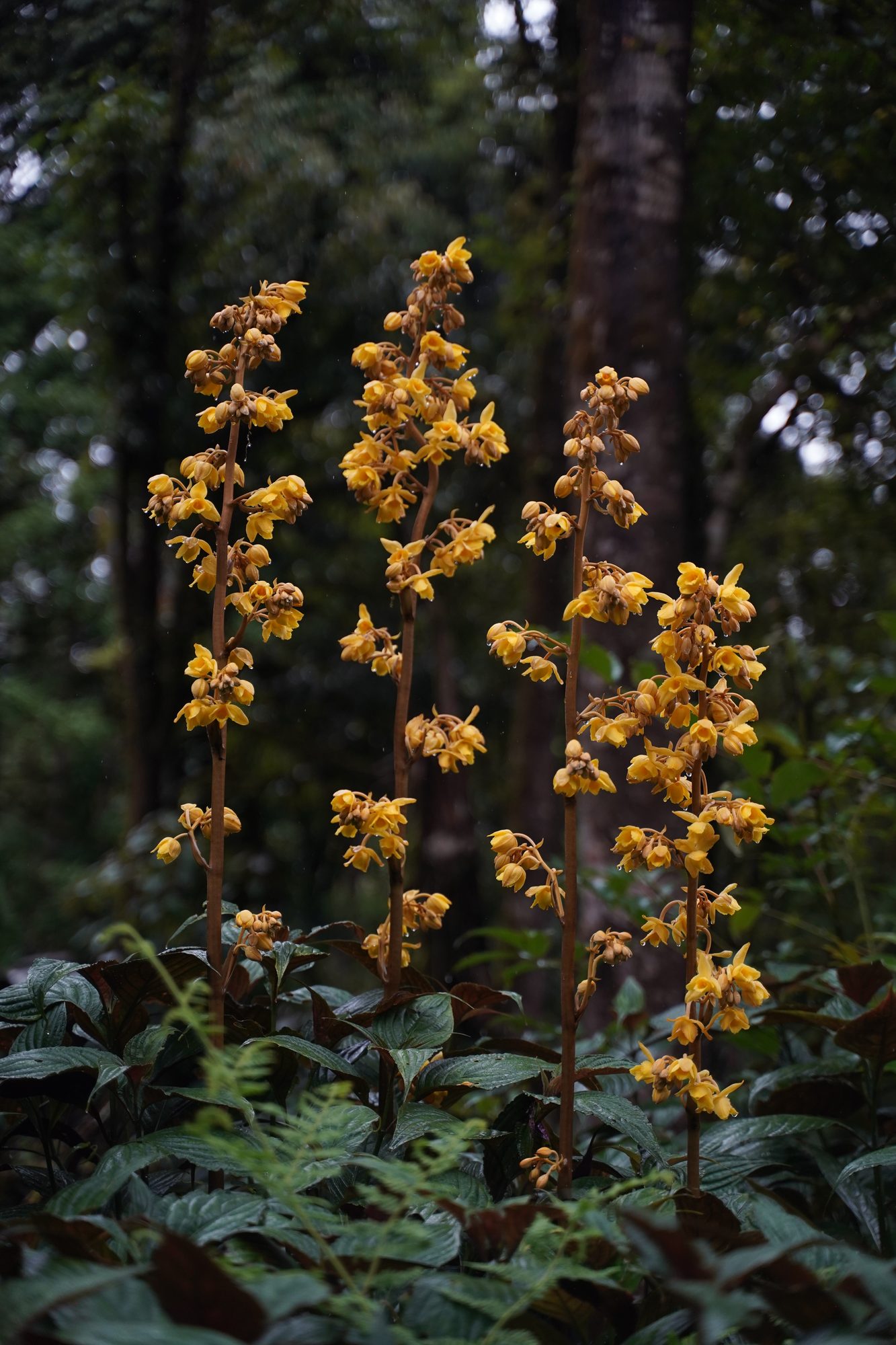 field record 91
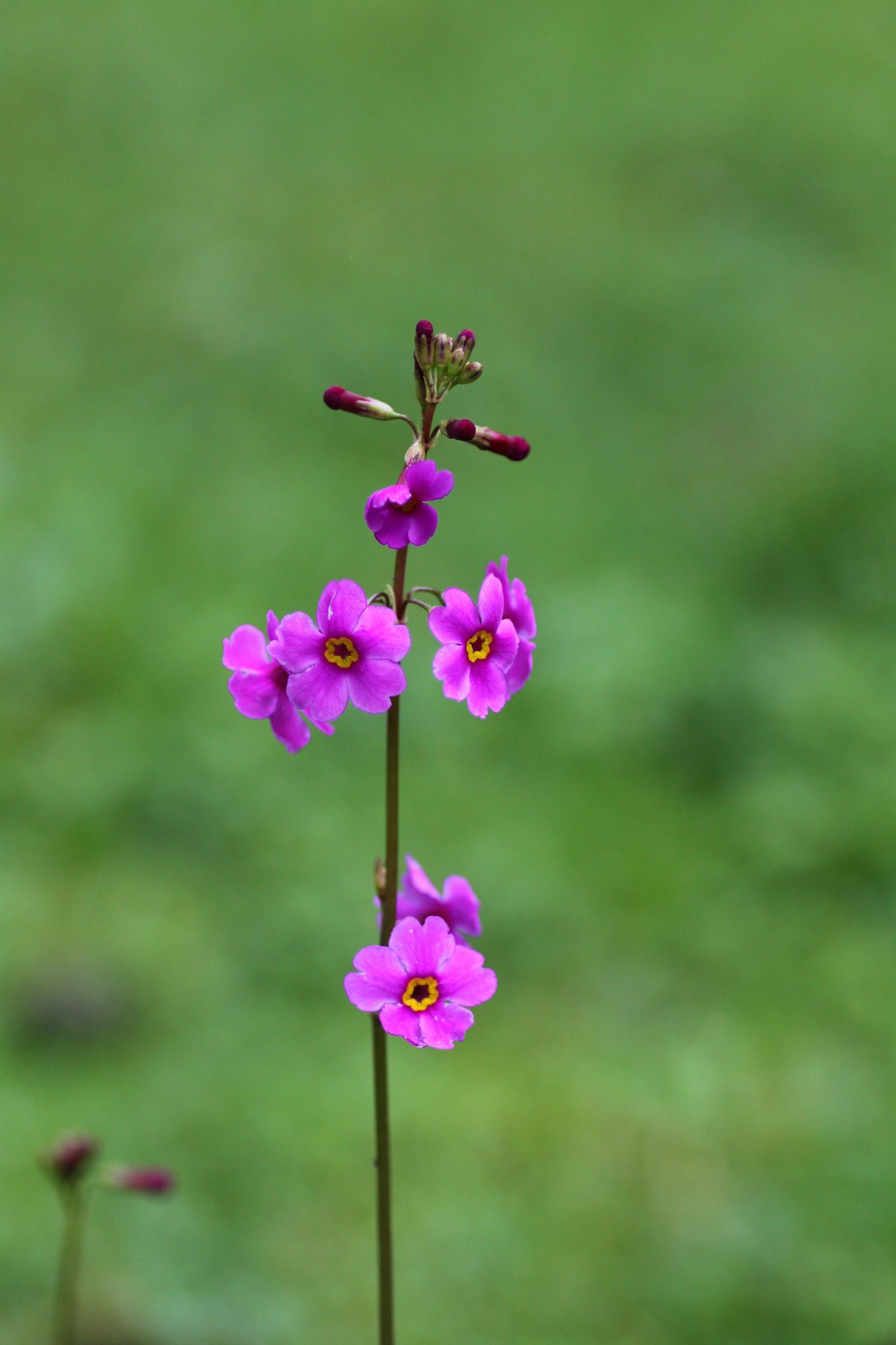 field record 92
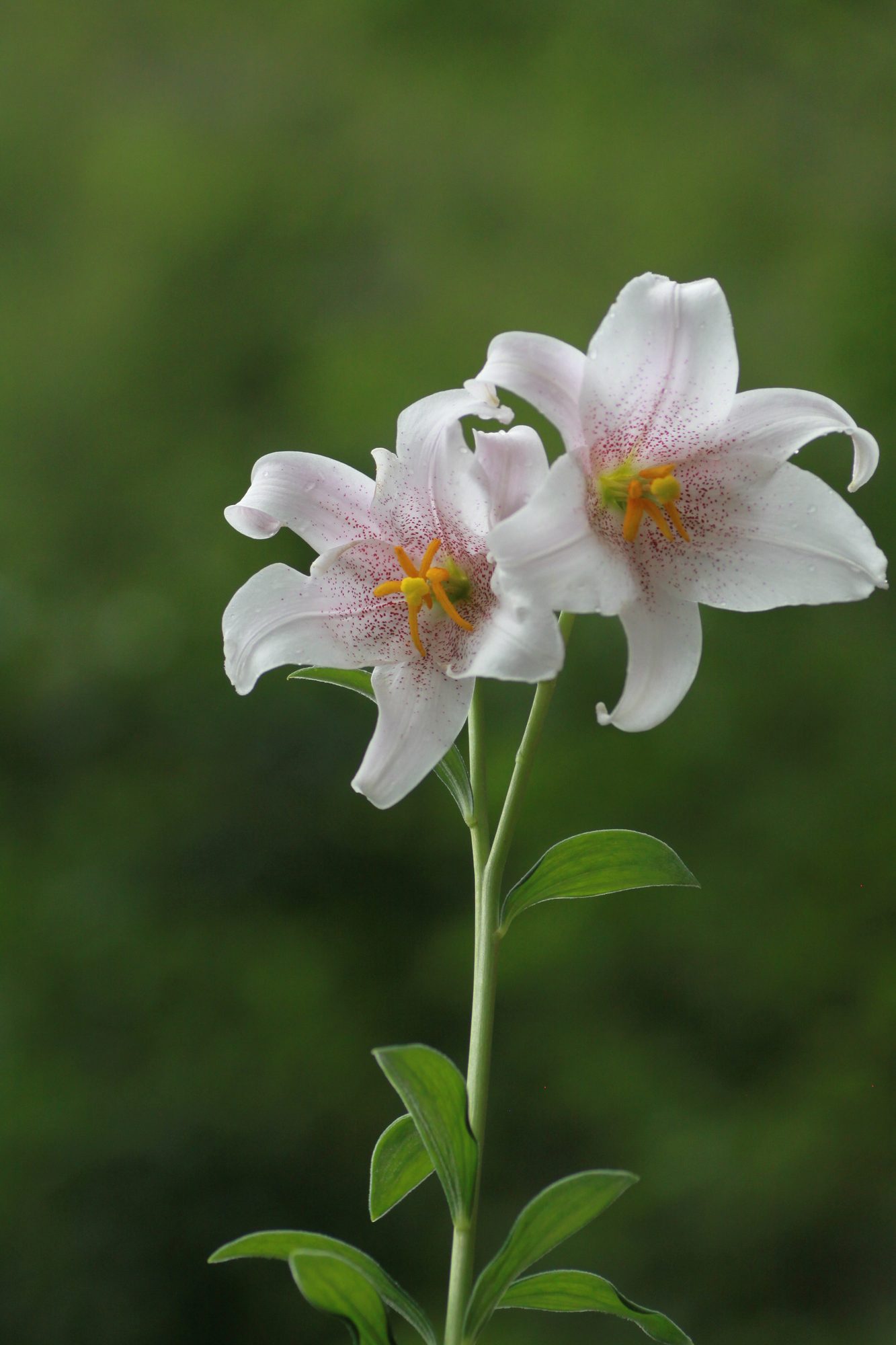 field record 93
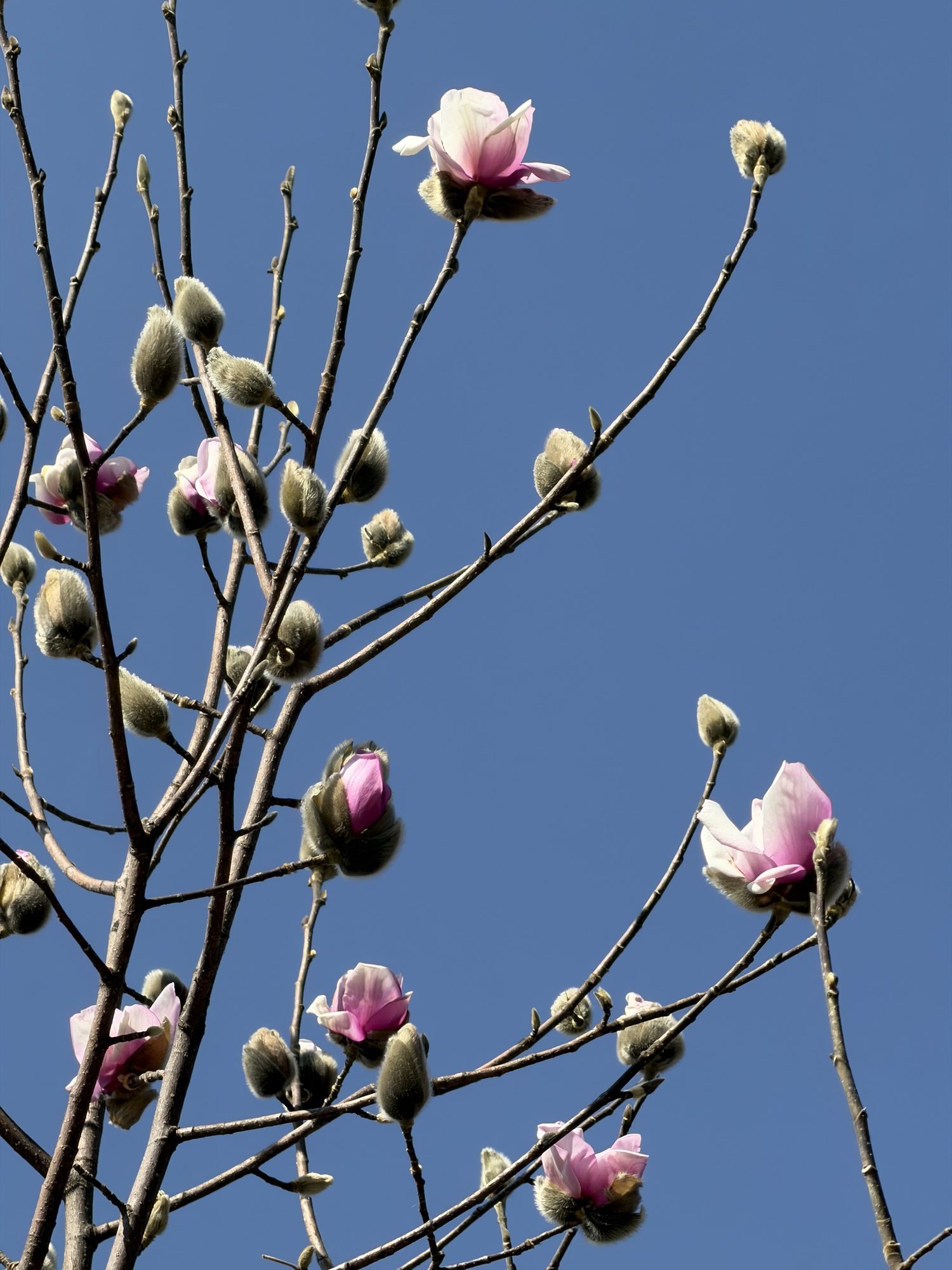 field record 94
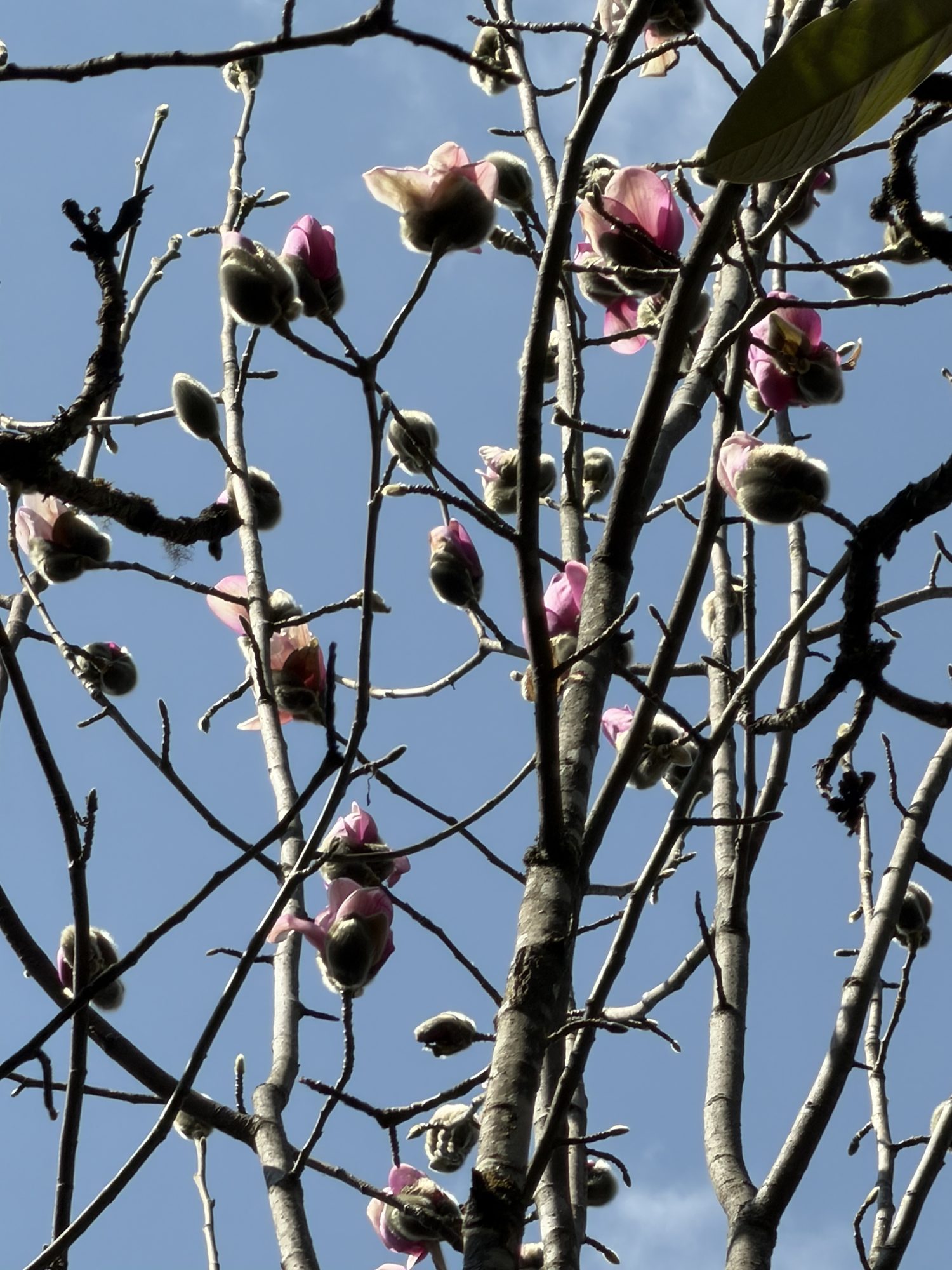 field record 95
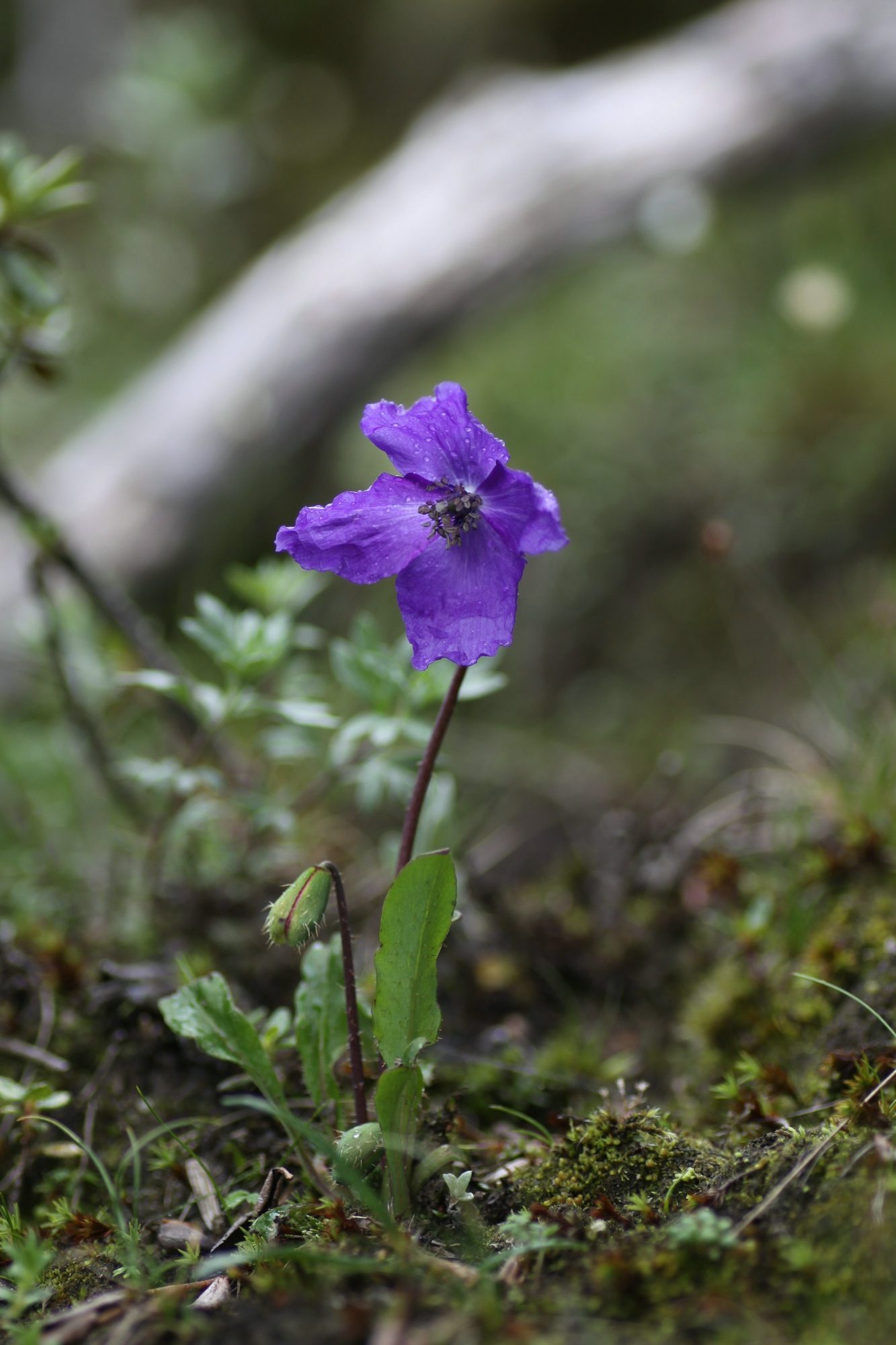 field record 96
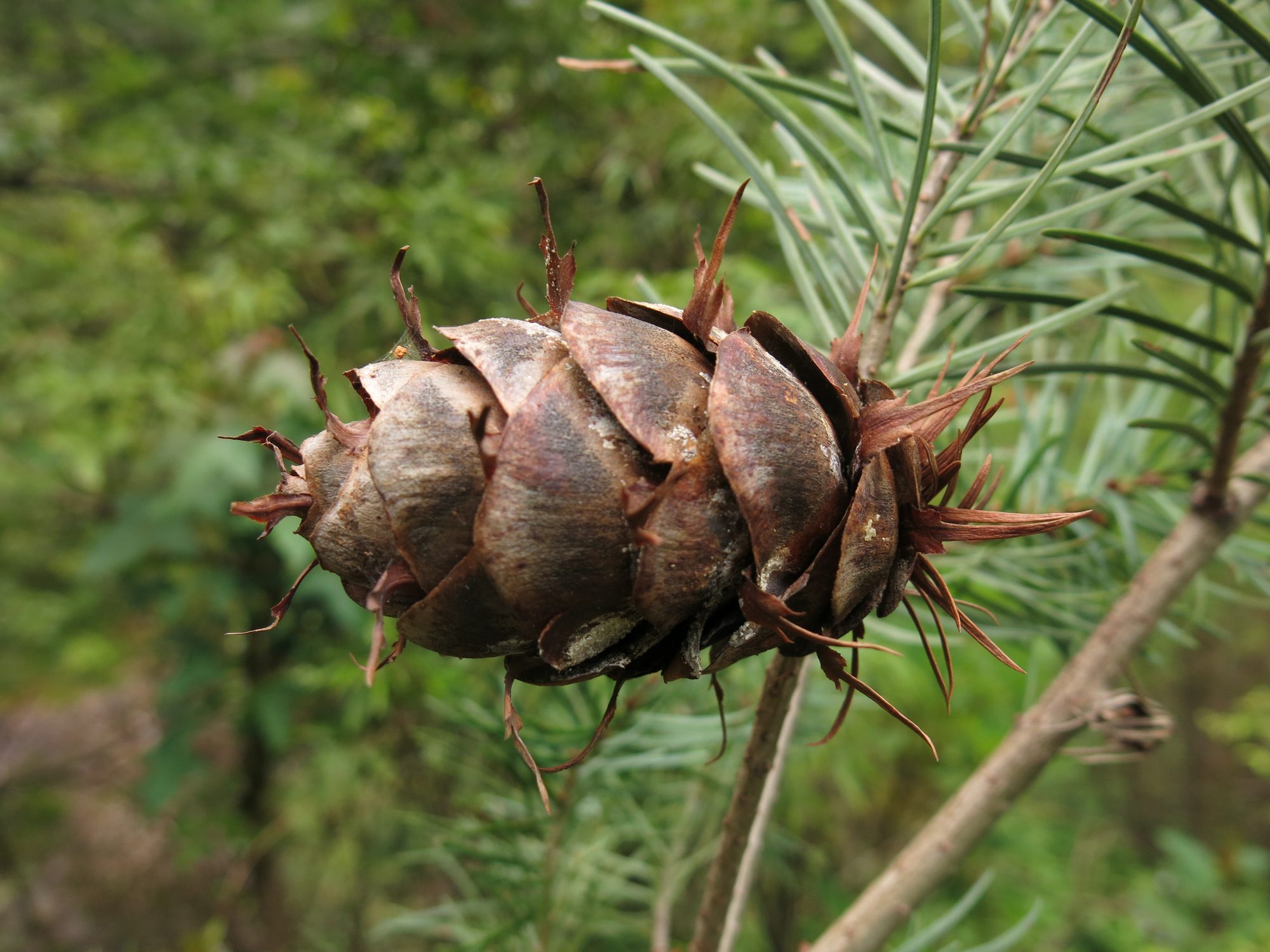 field record 97
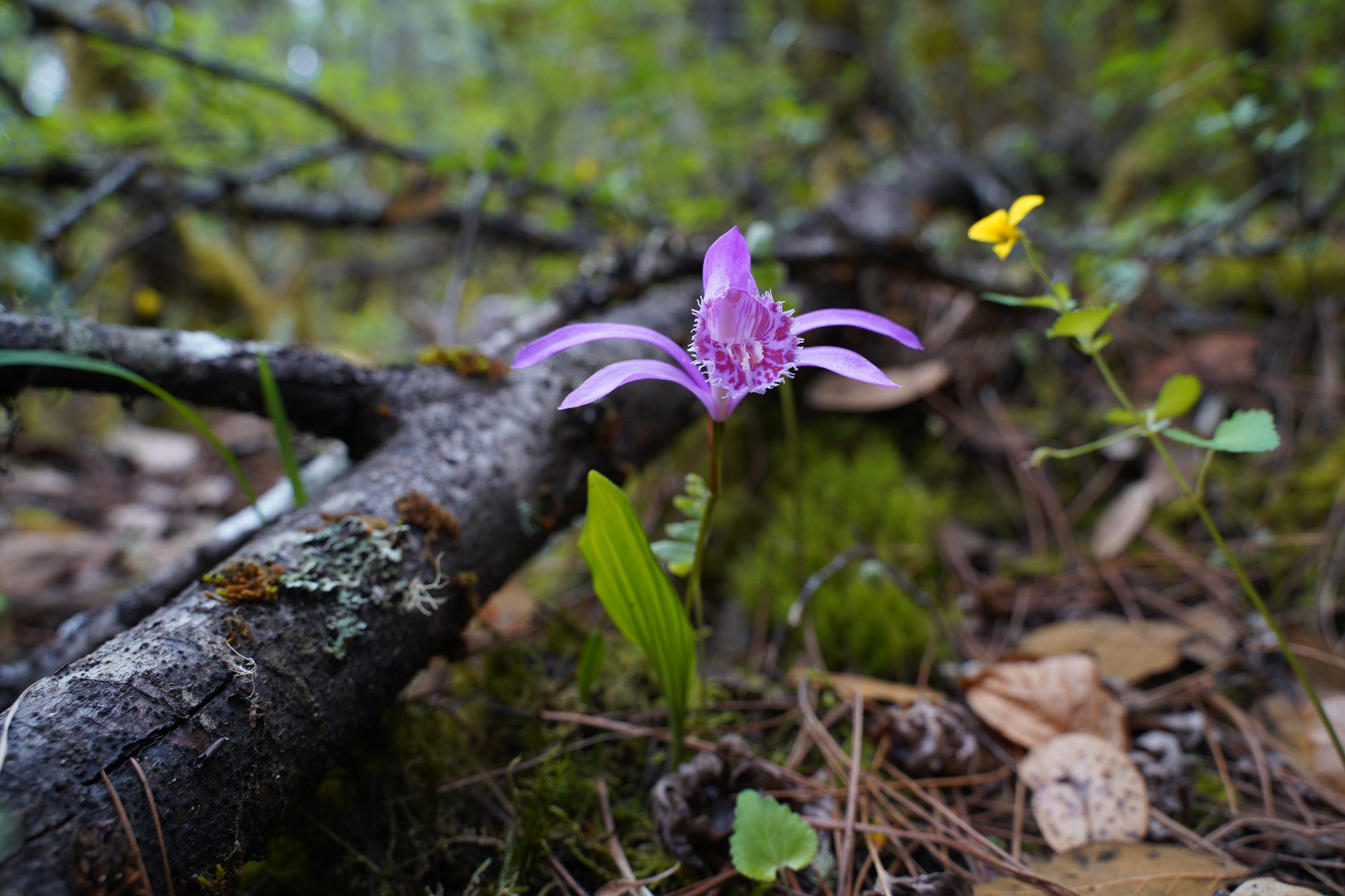 field record 98
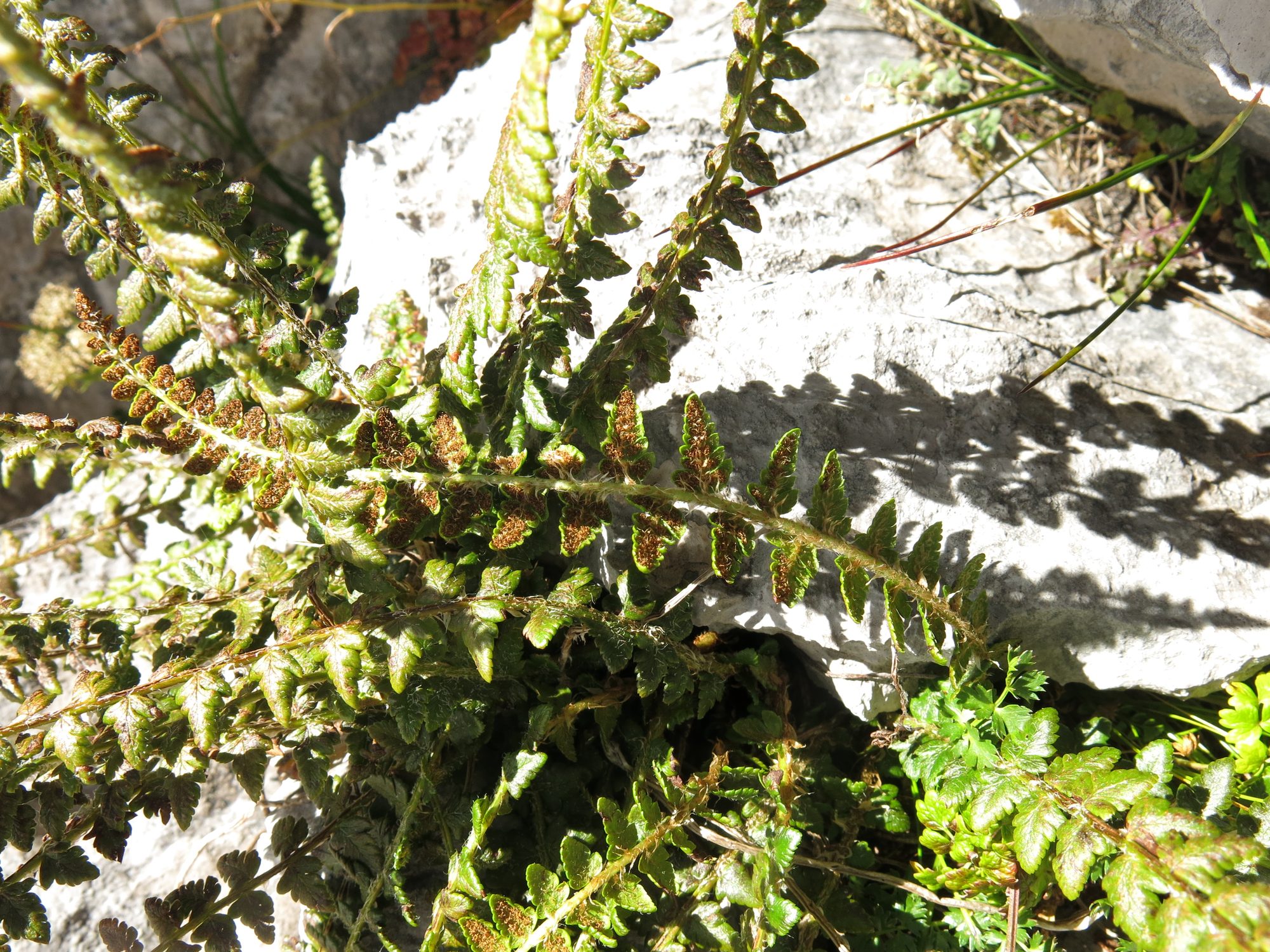 field record 99
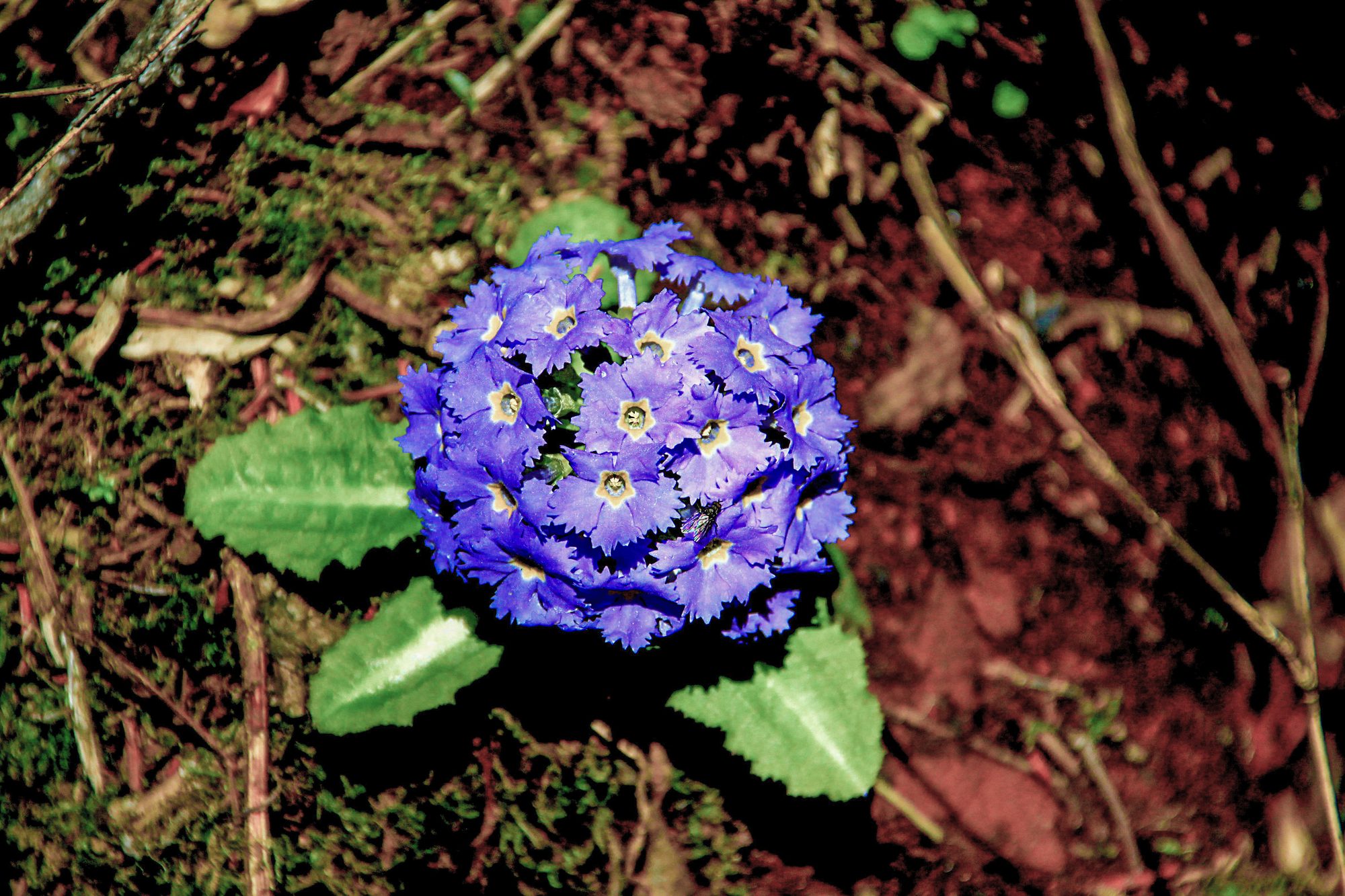 field record 100
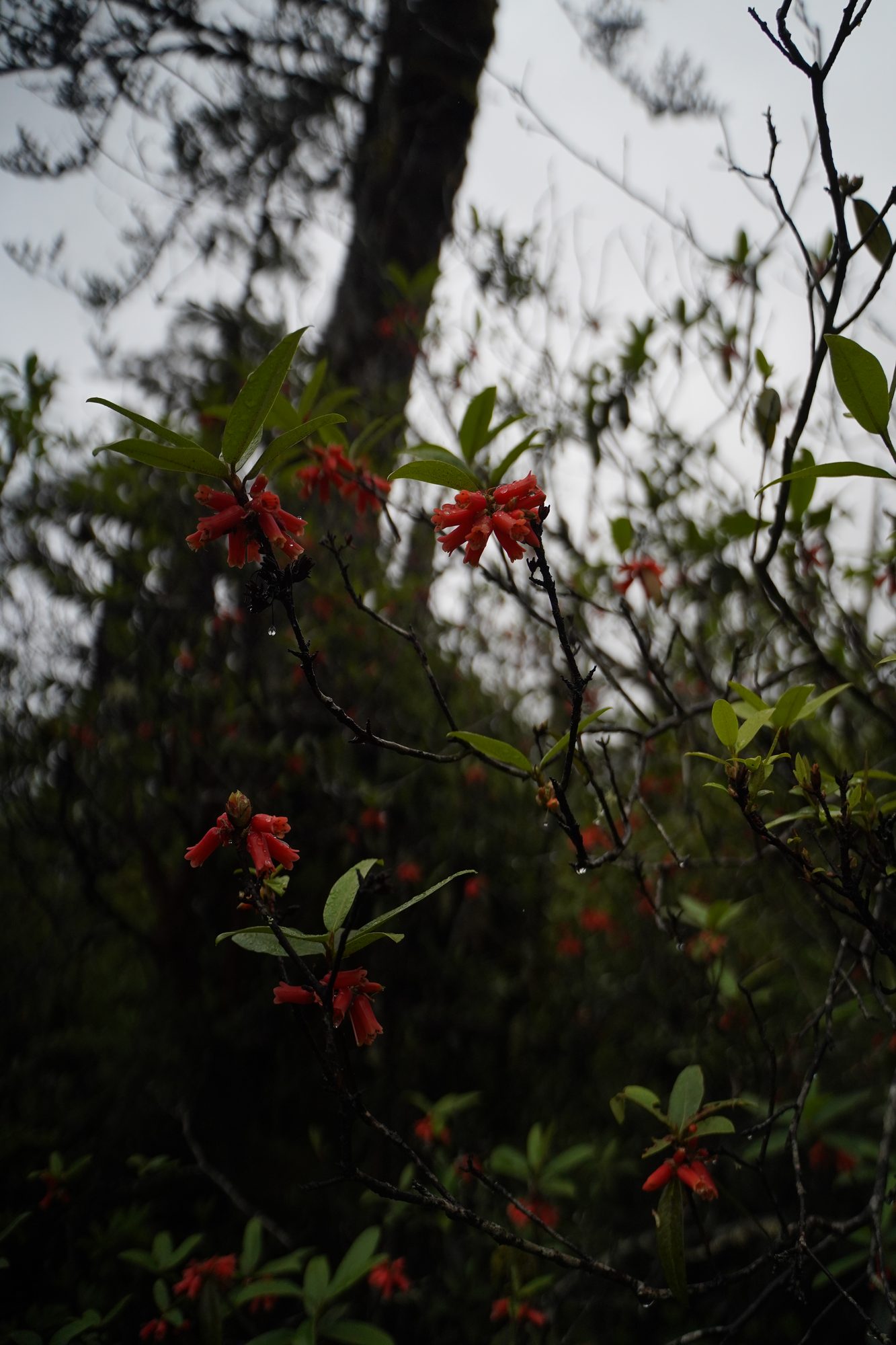 field record 101
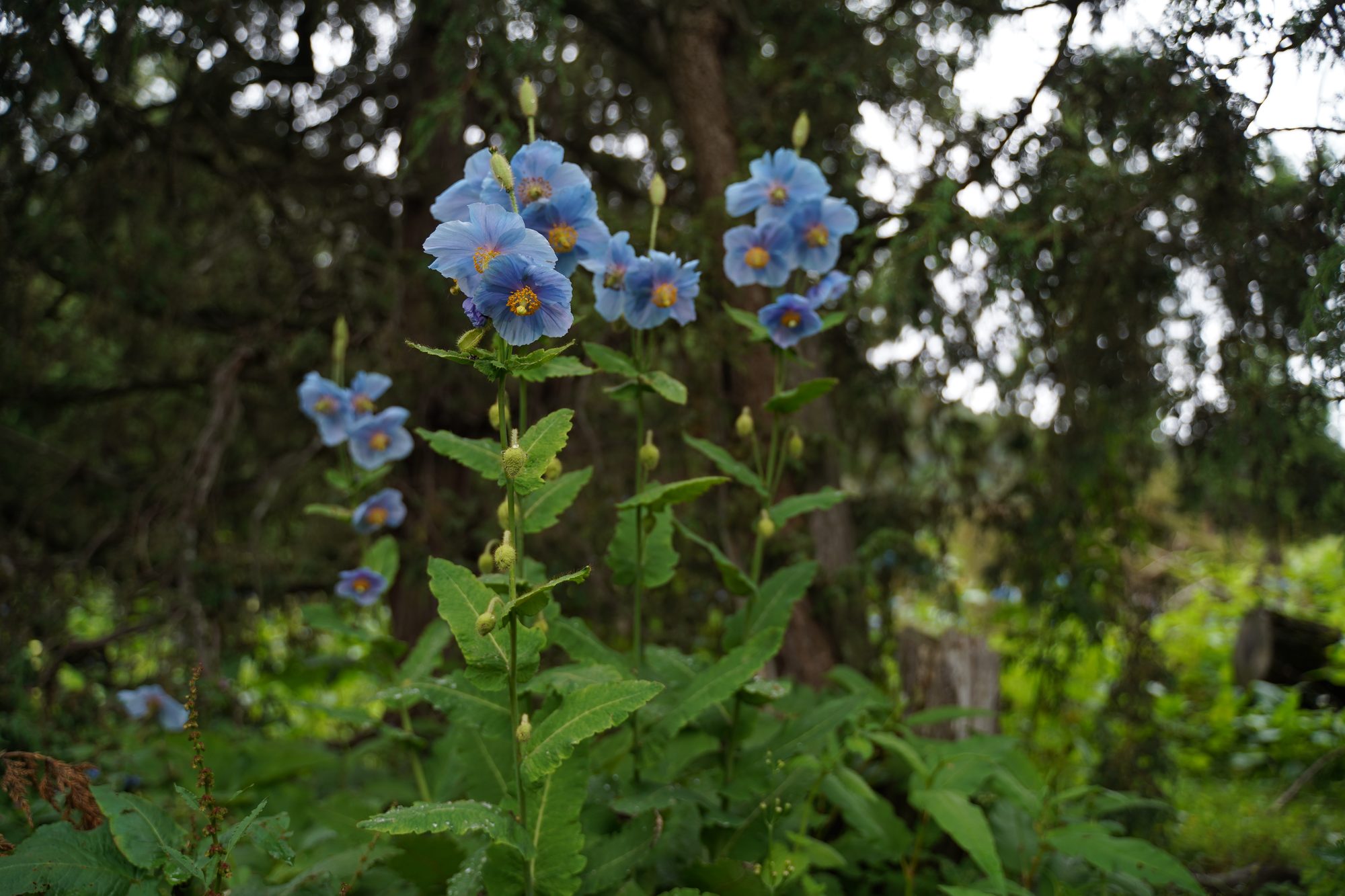 field record 102
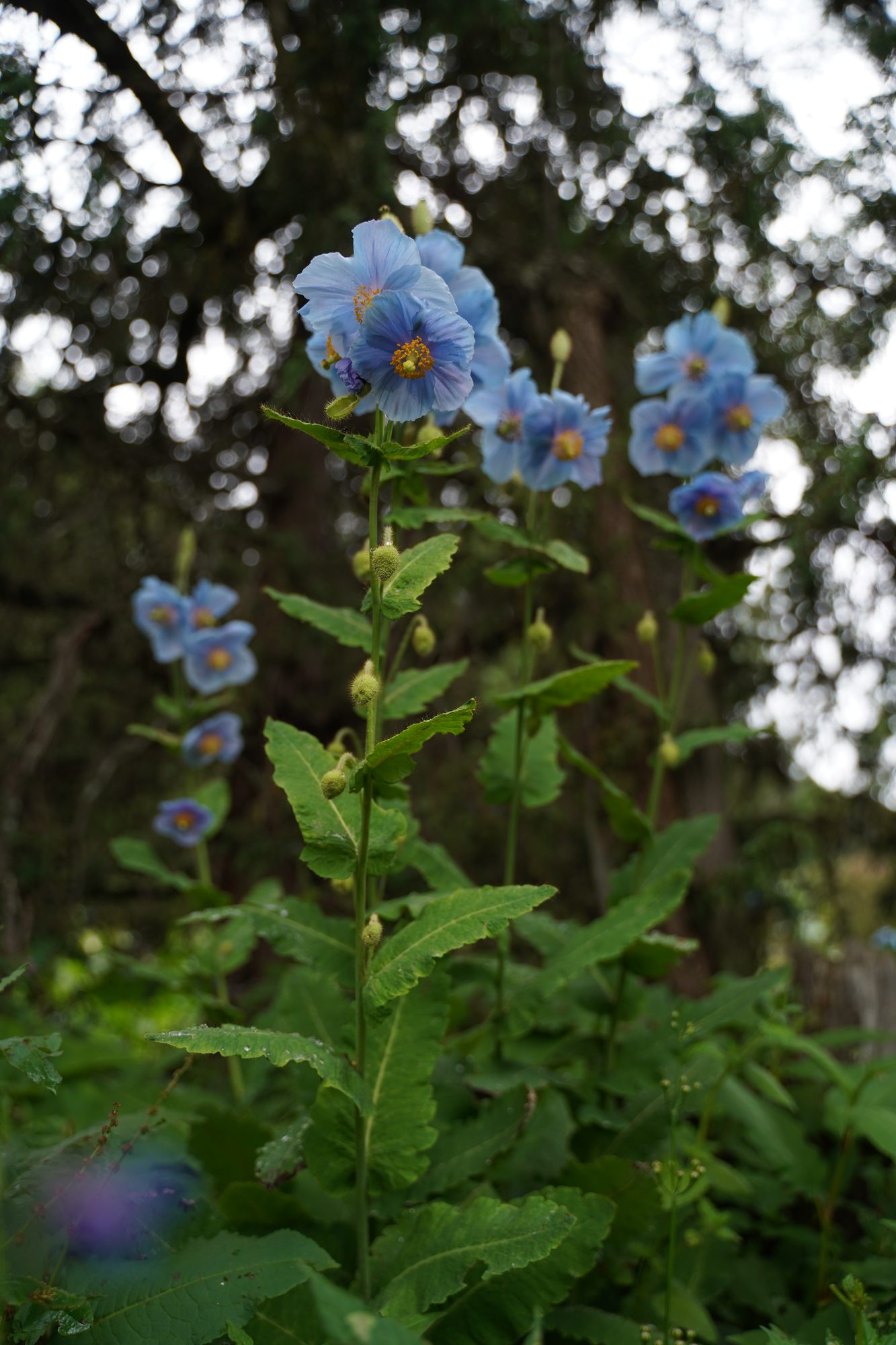 field record 103
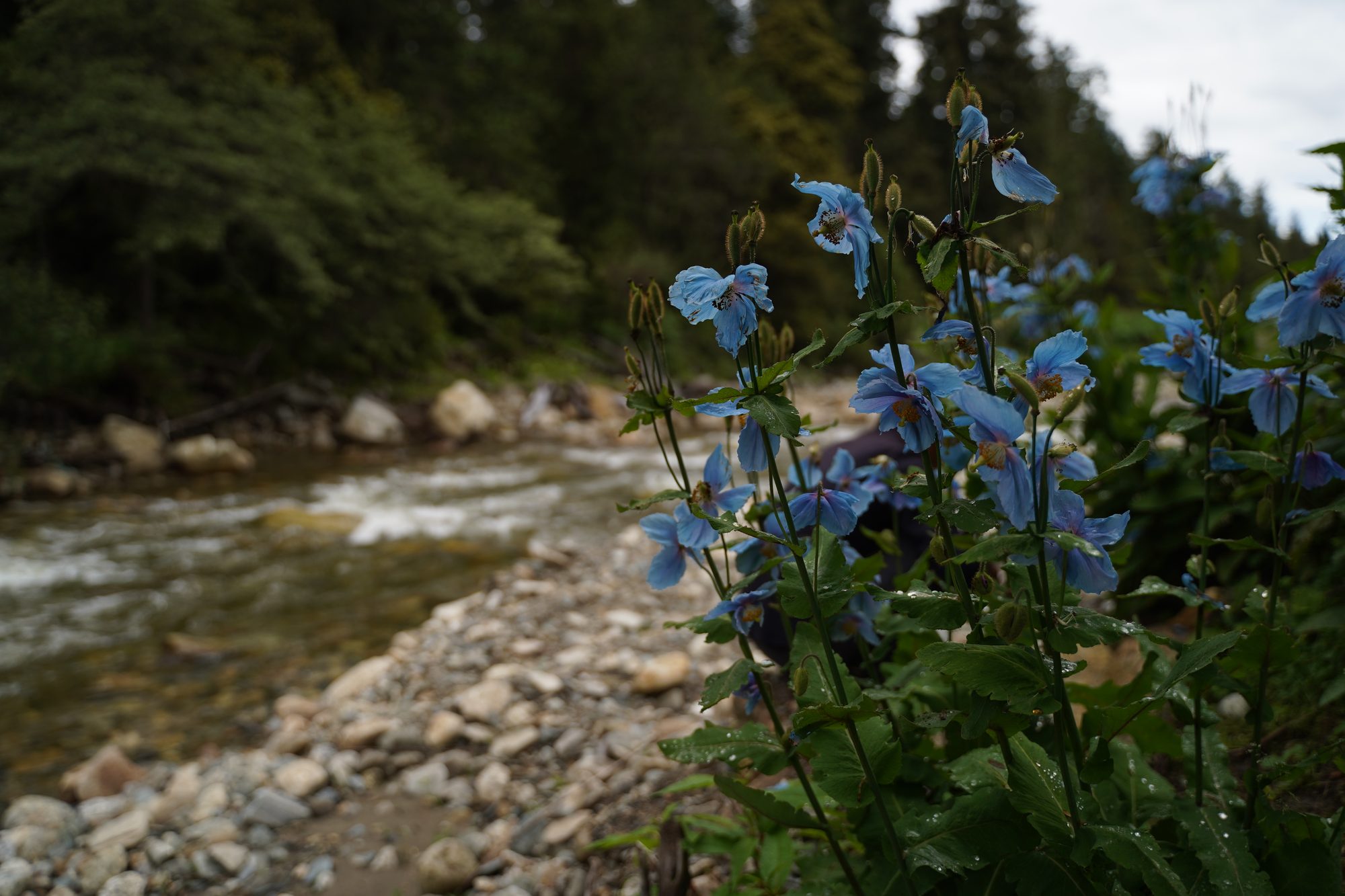 field record 104
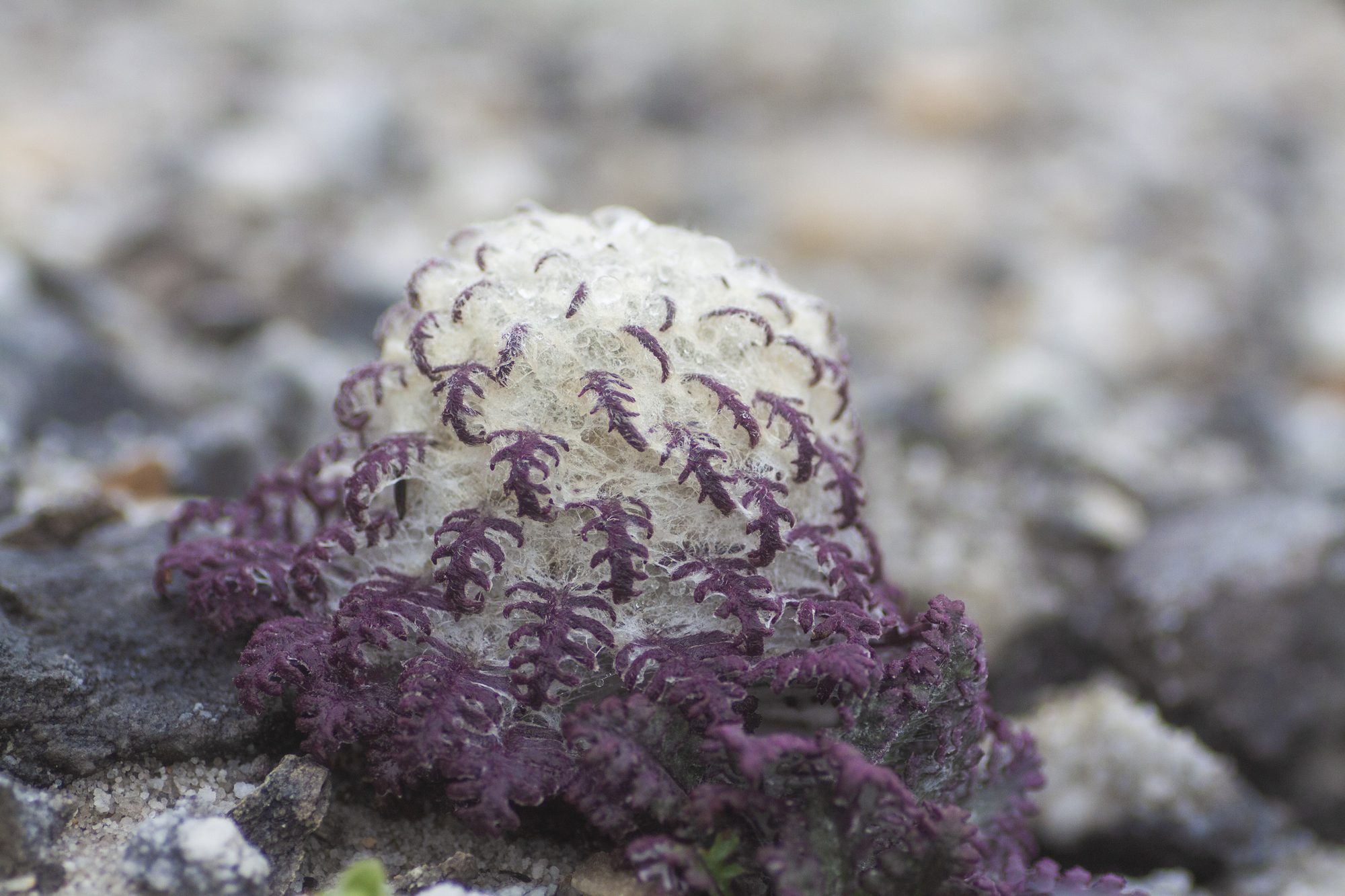 field record 105
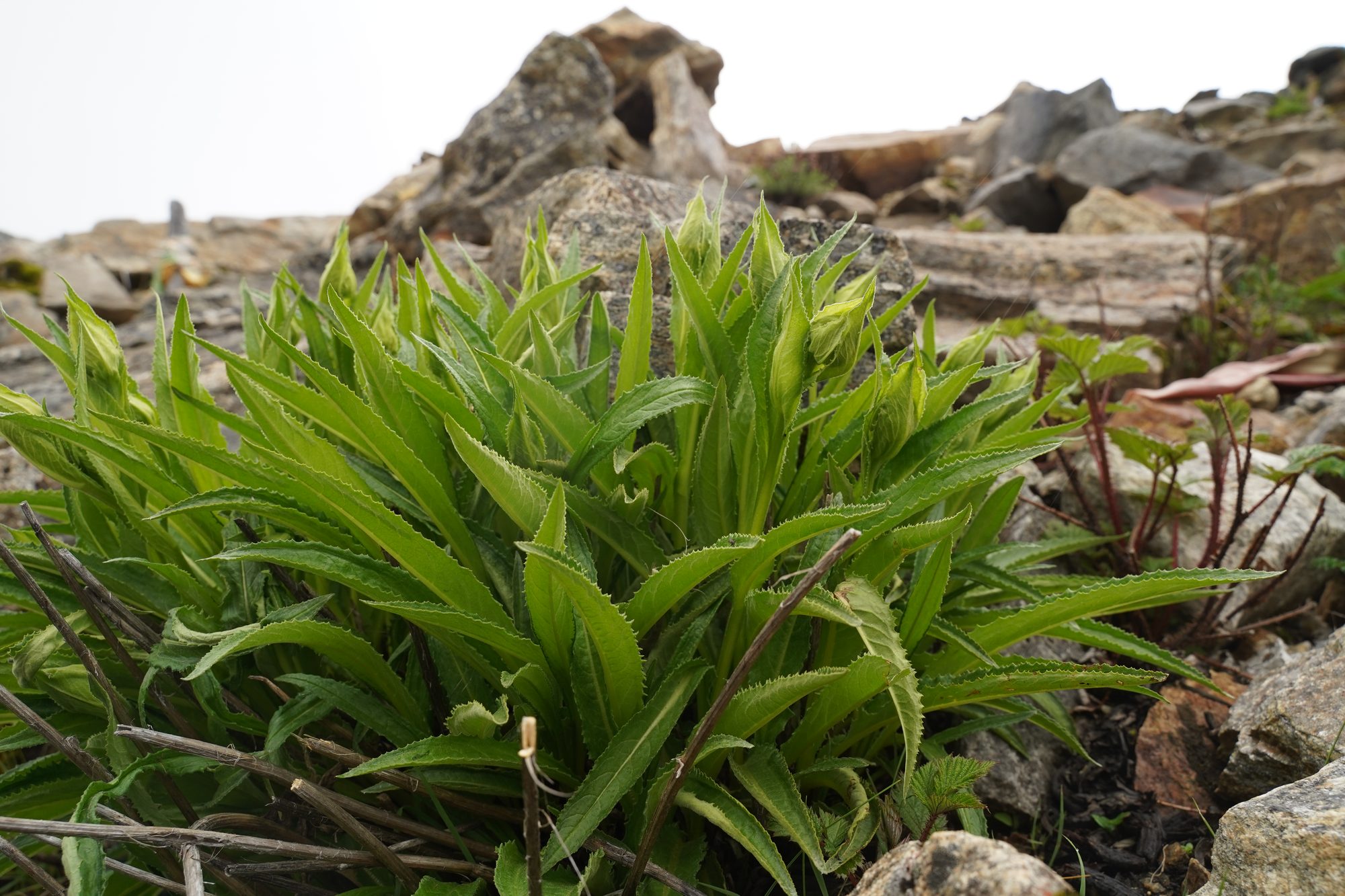 field record 106
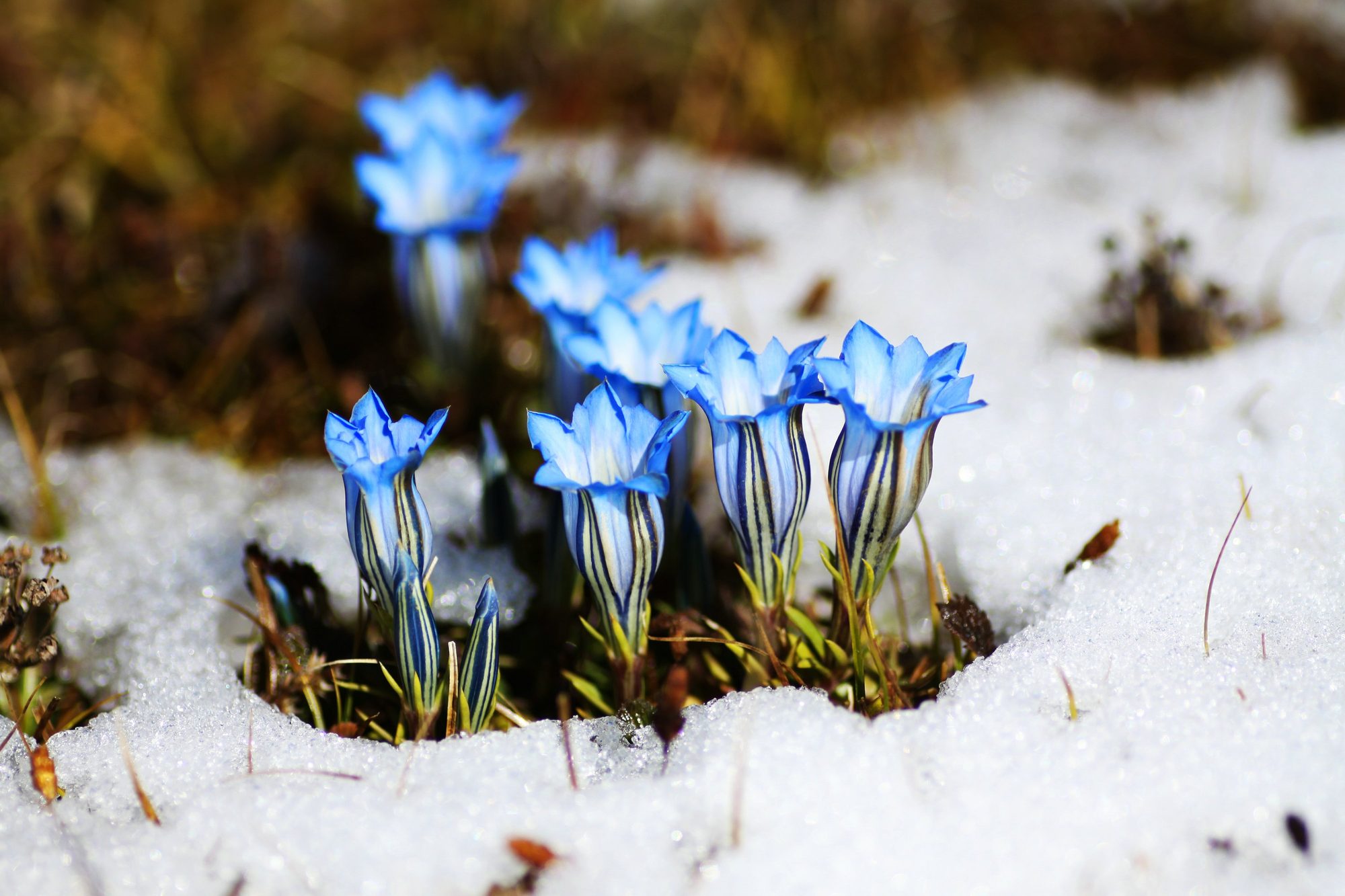 field record 107
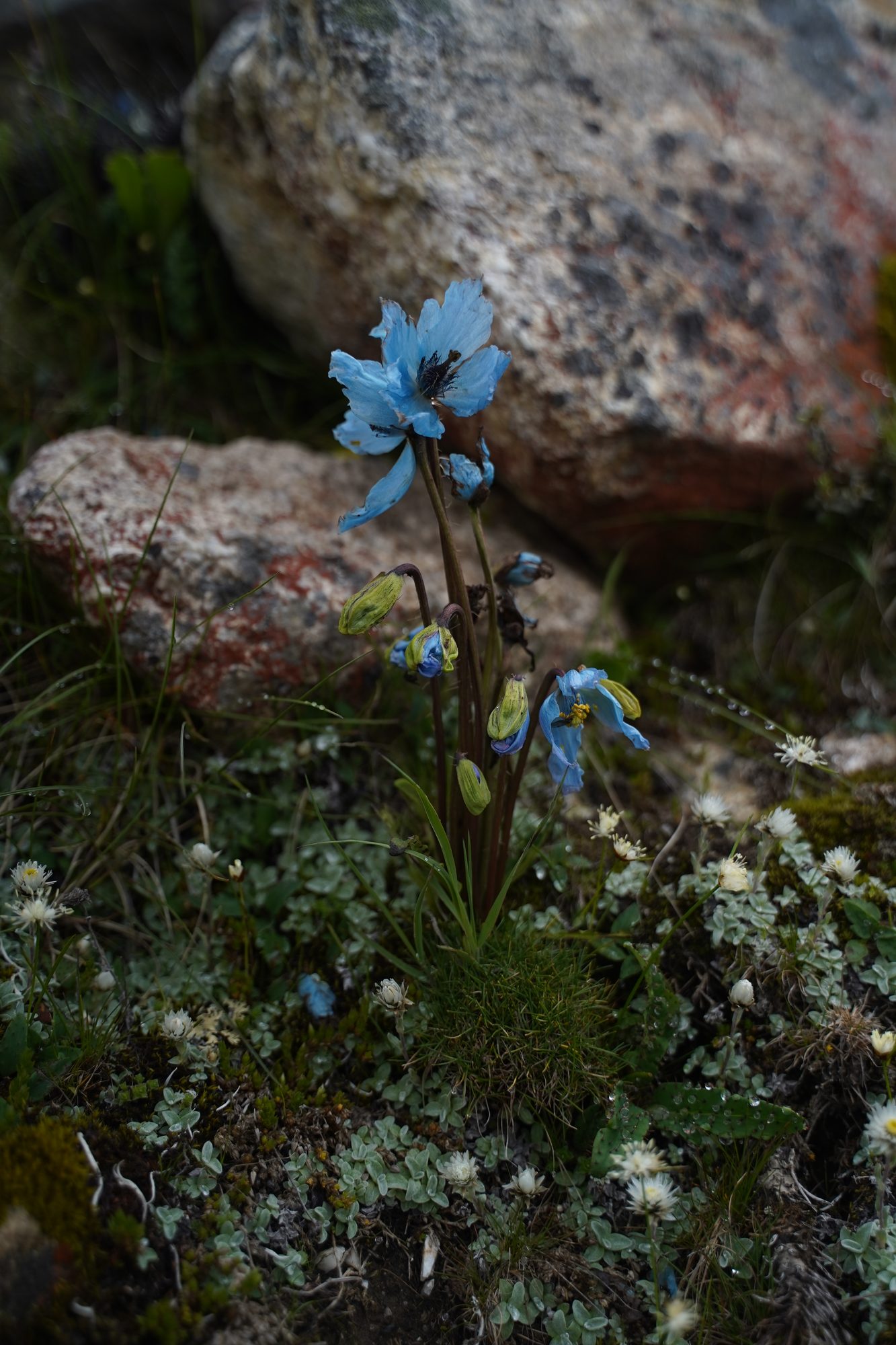 field record 108
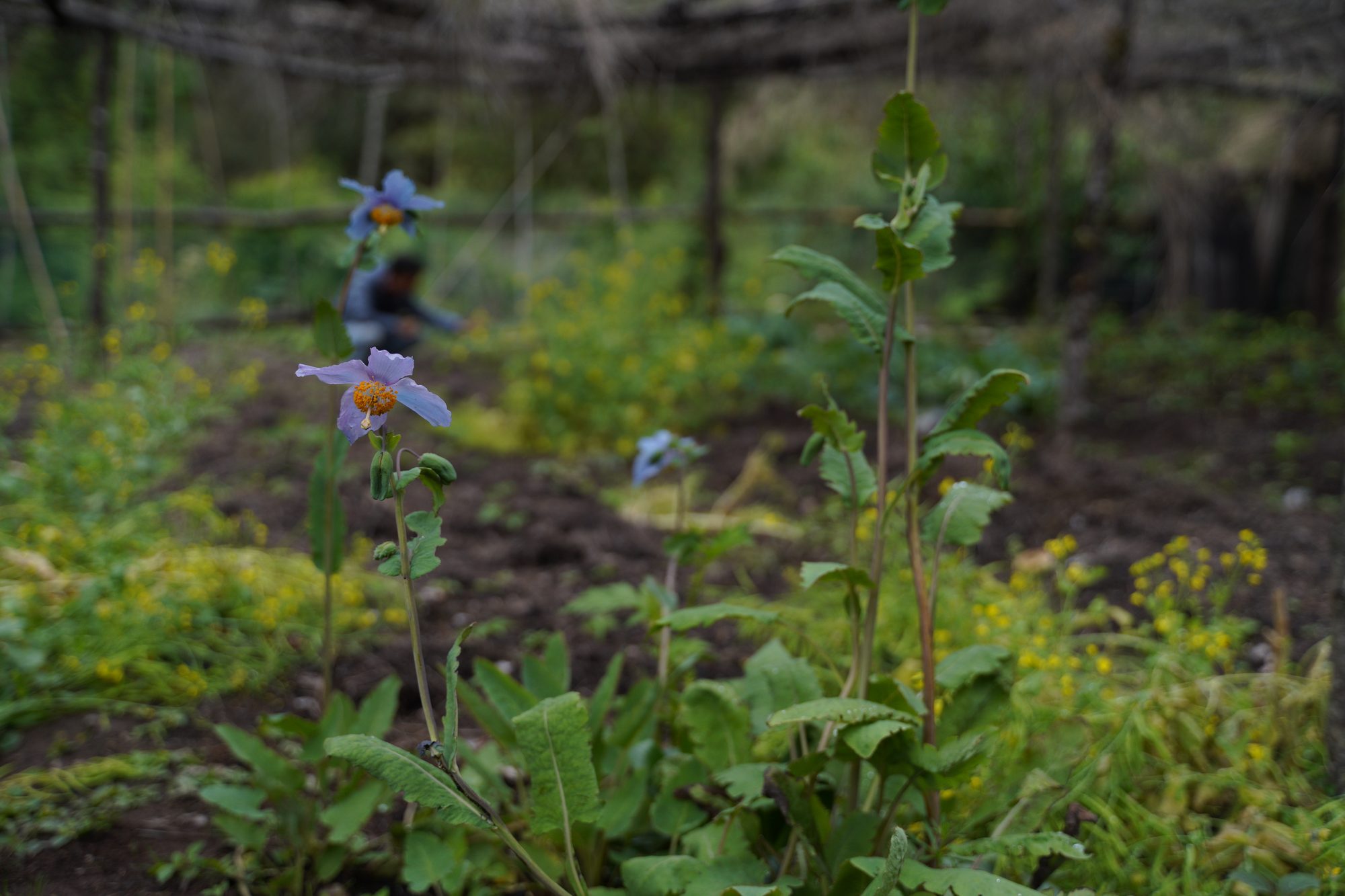 field record 109
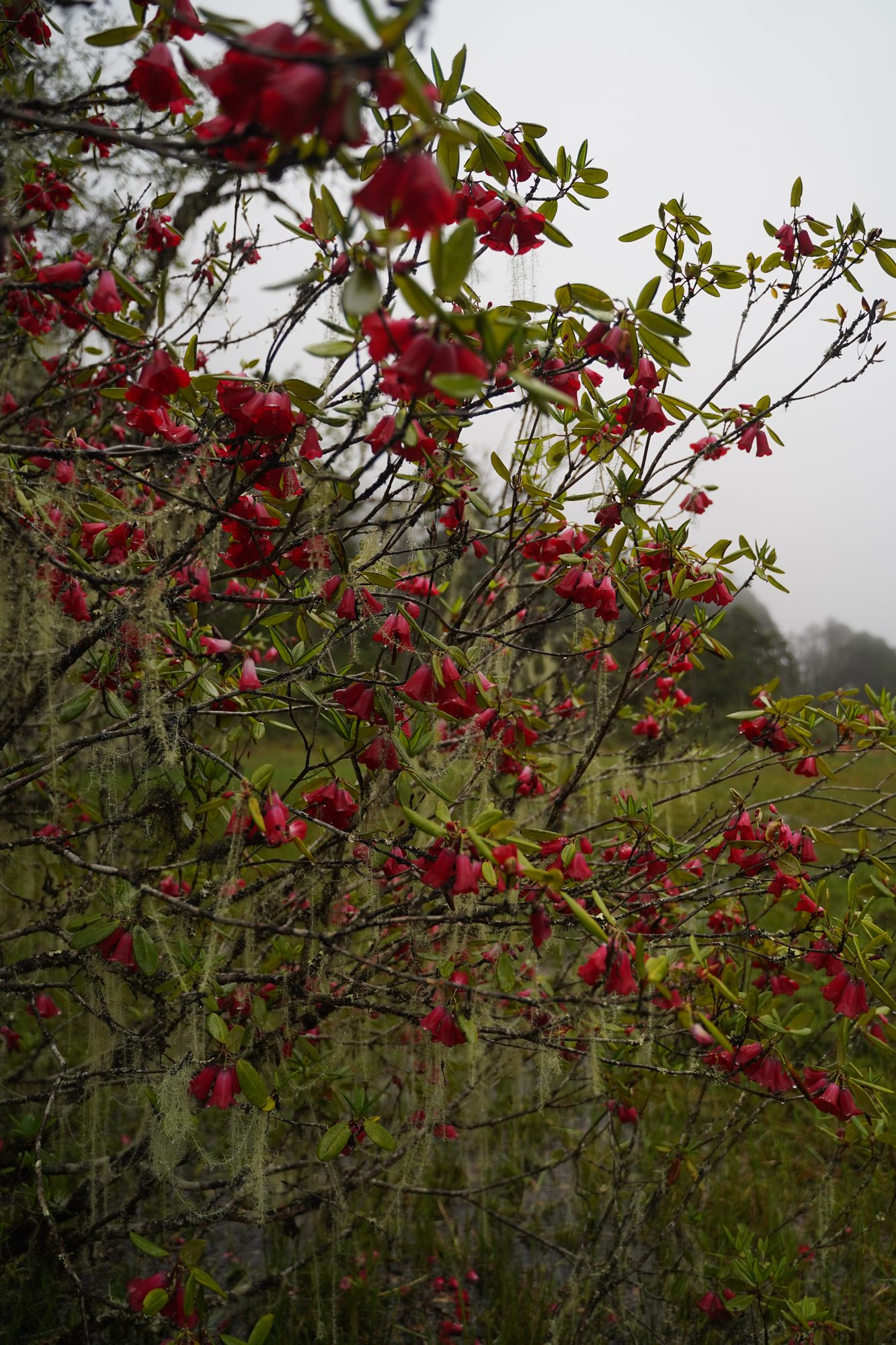 field record 110
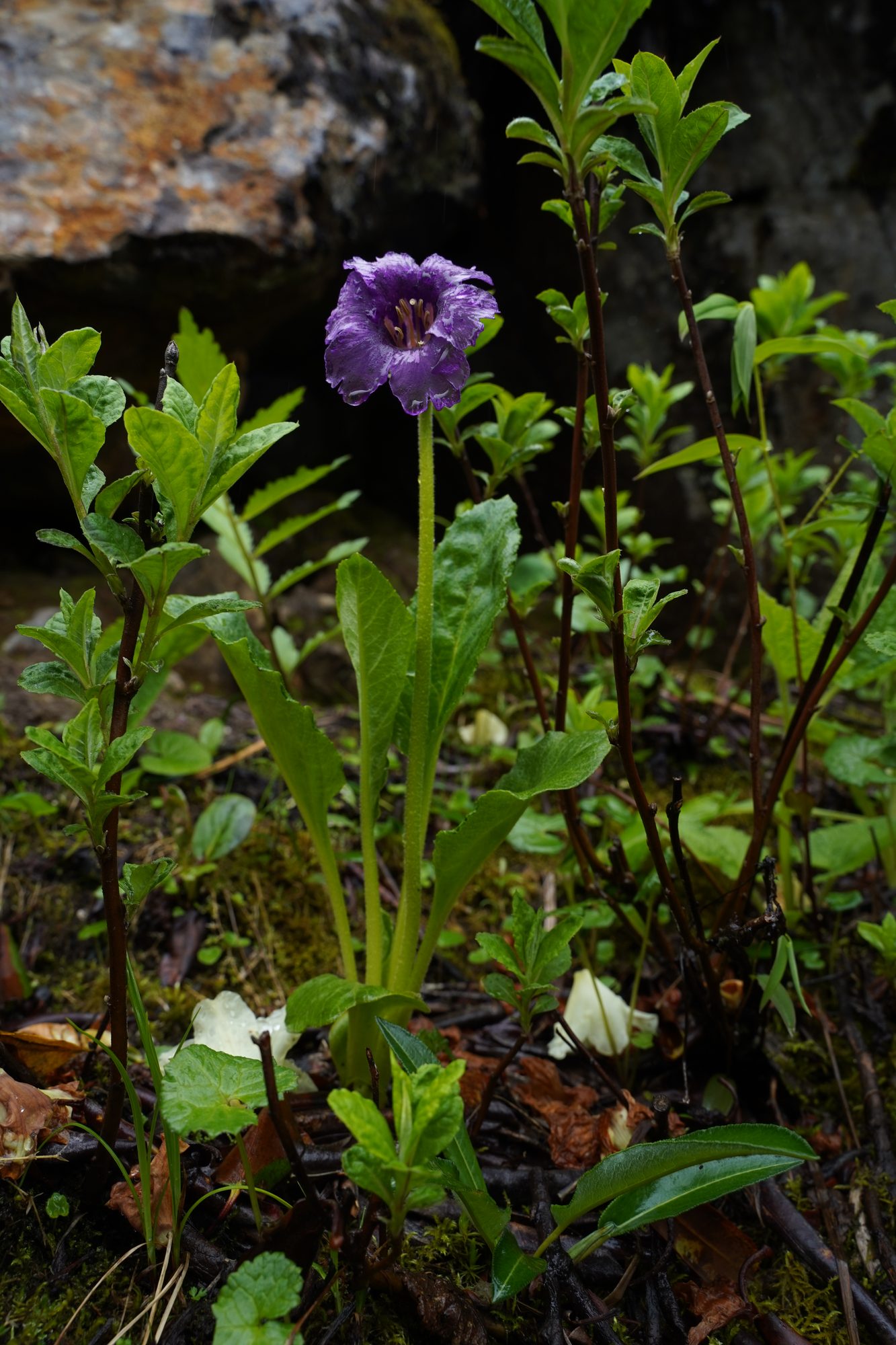 field record 111
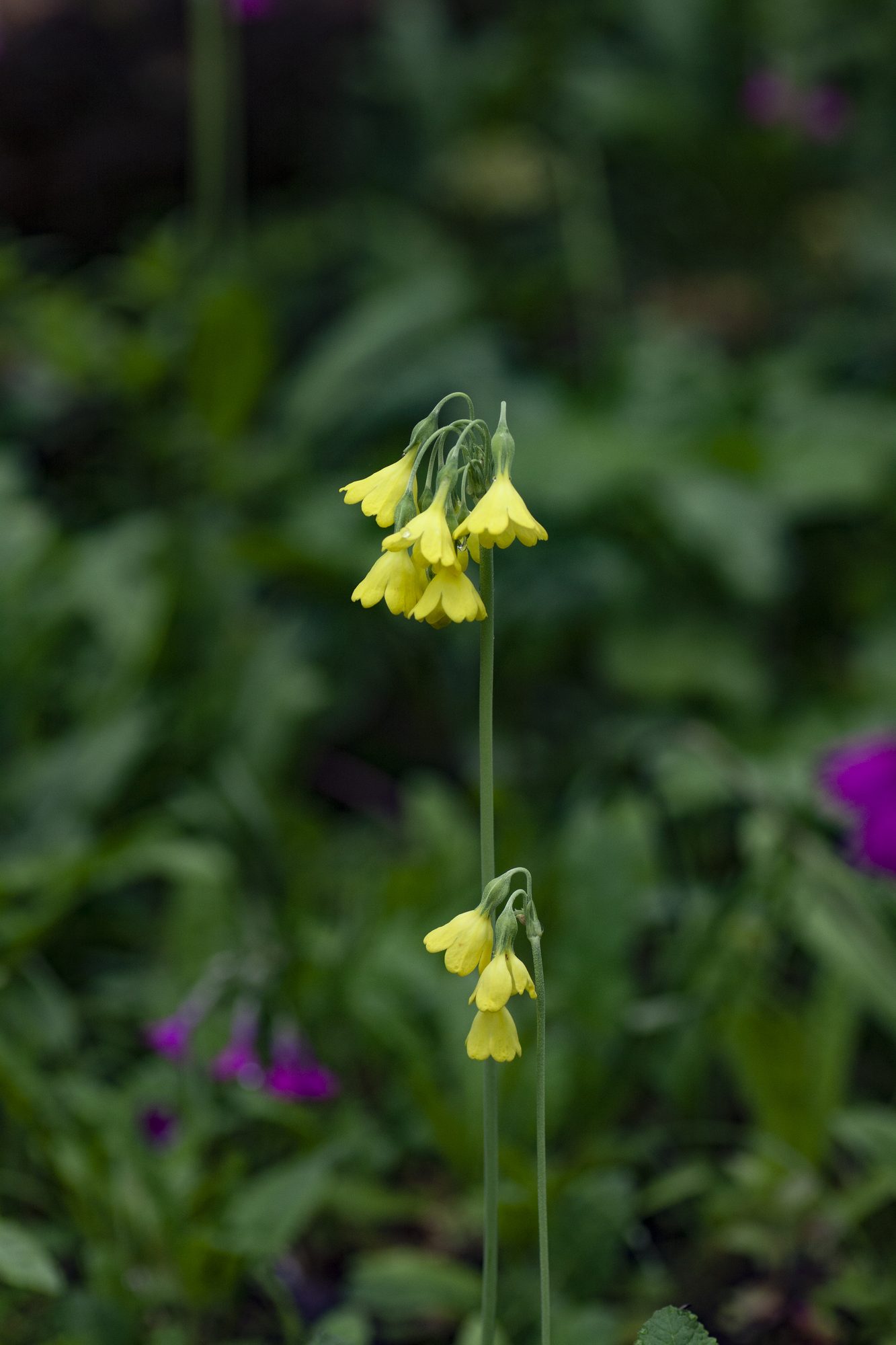 field record 112
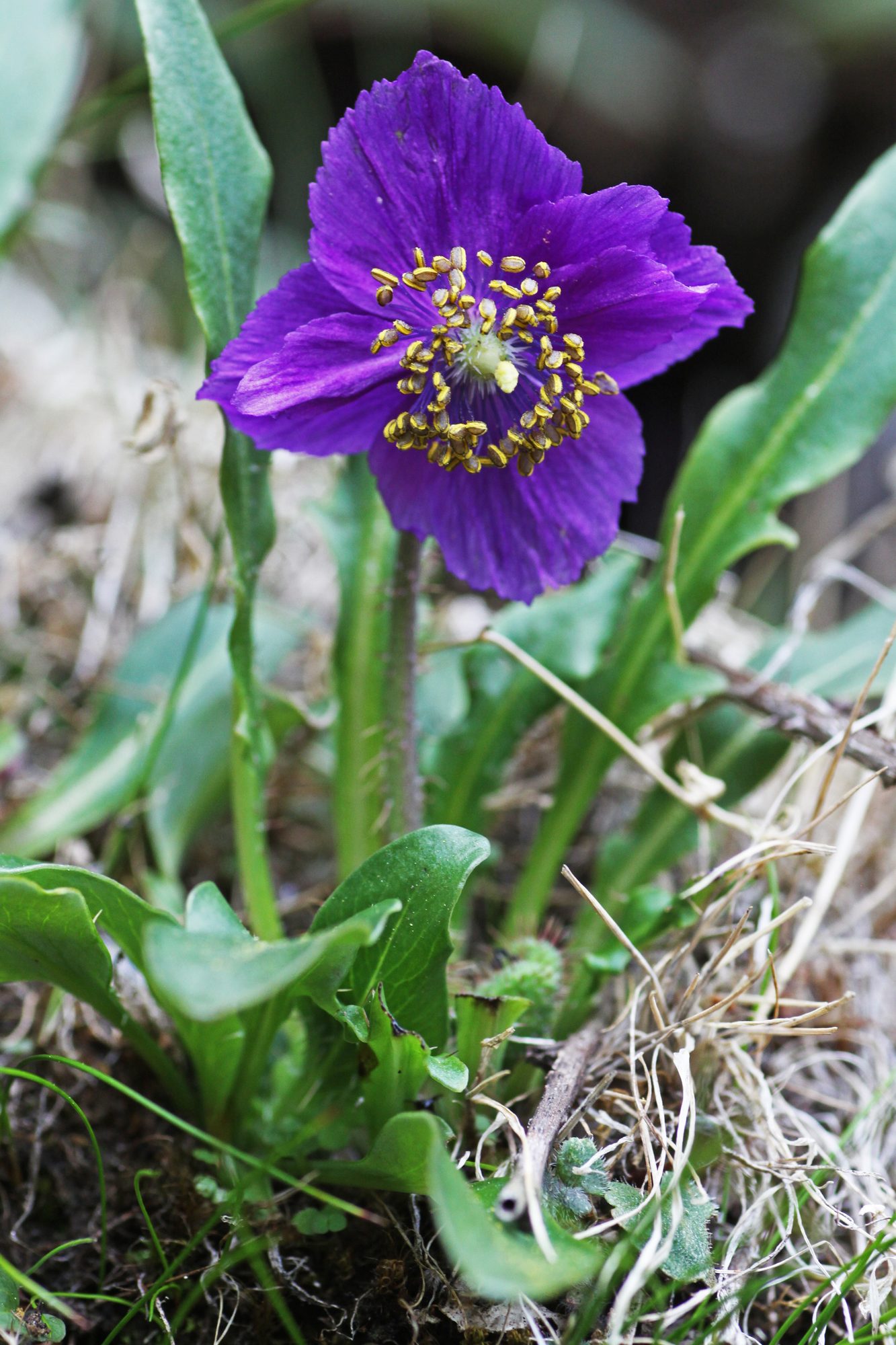 field record 113
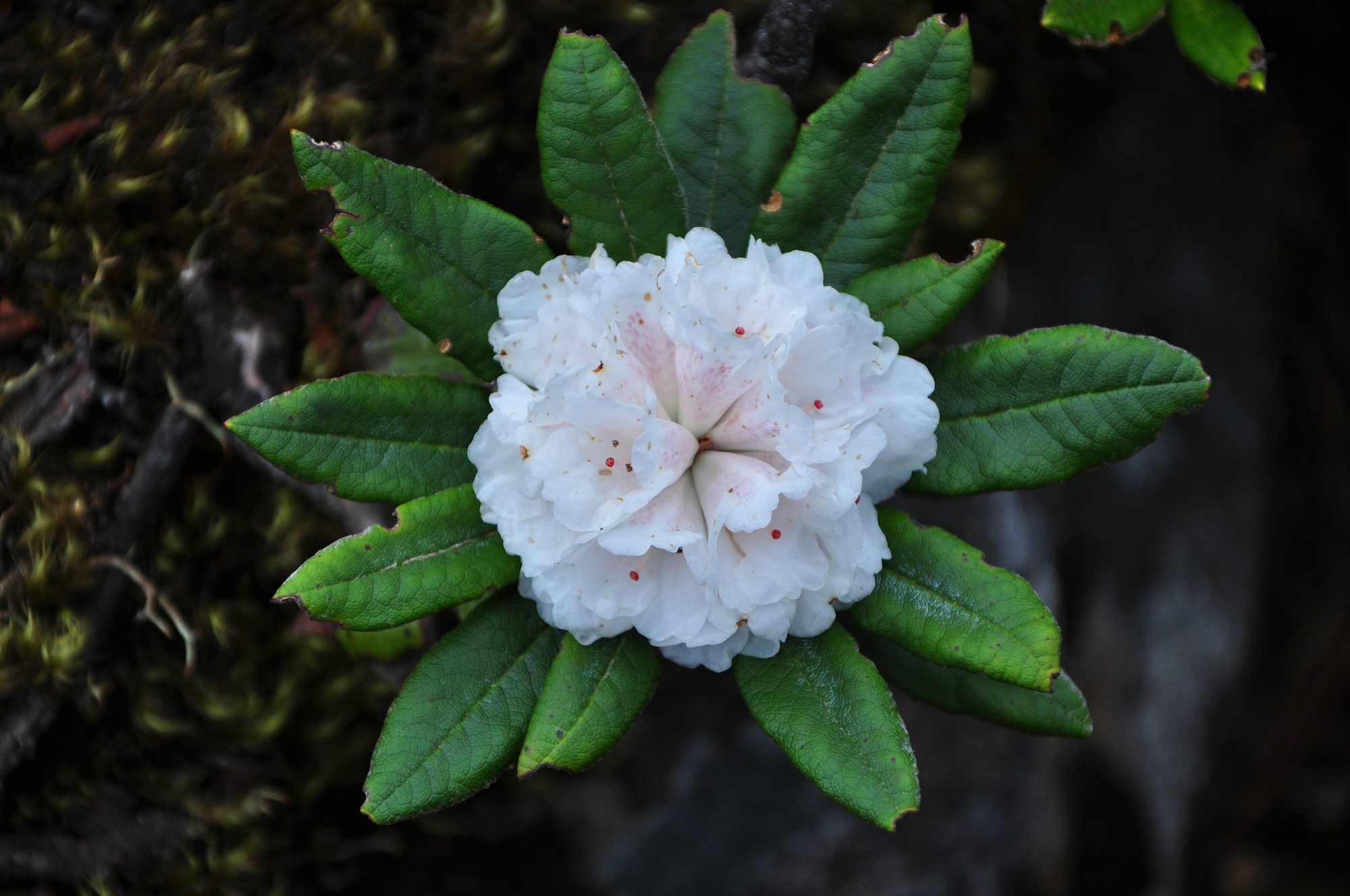 field record 114
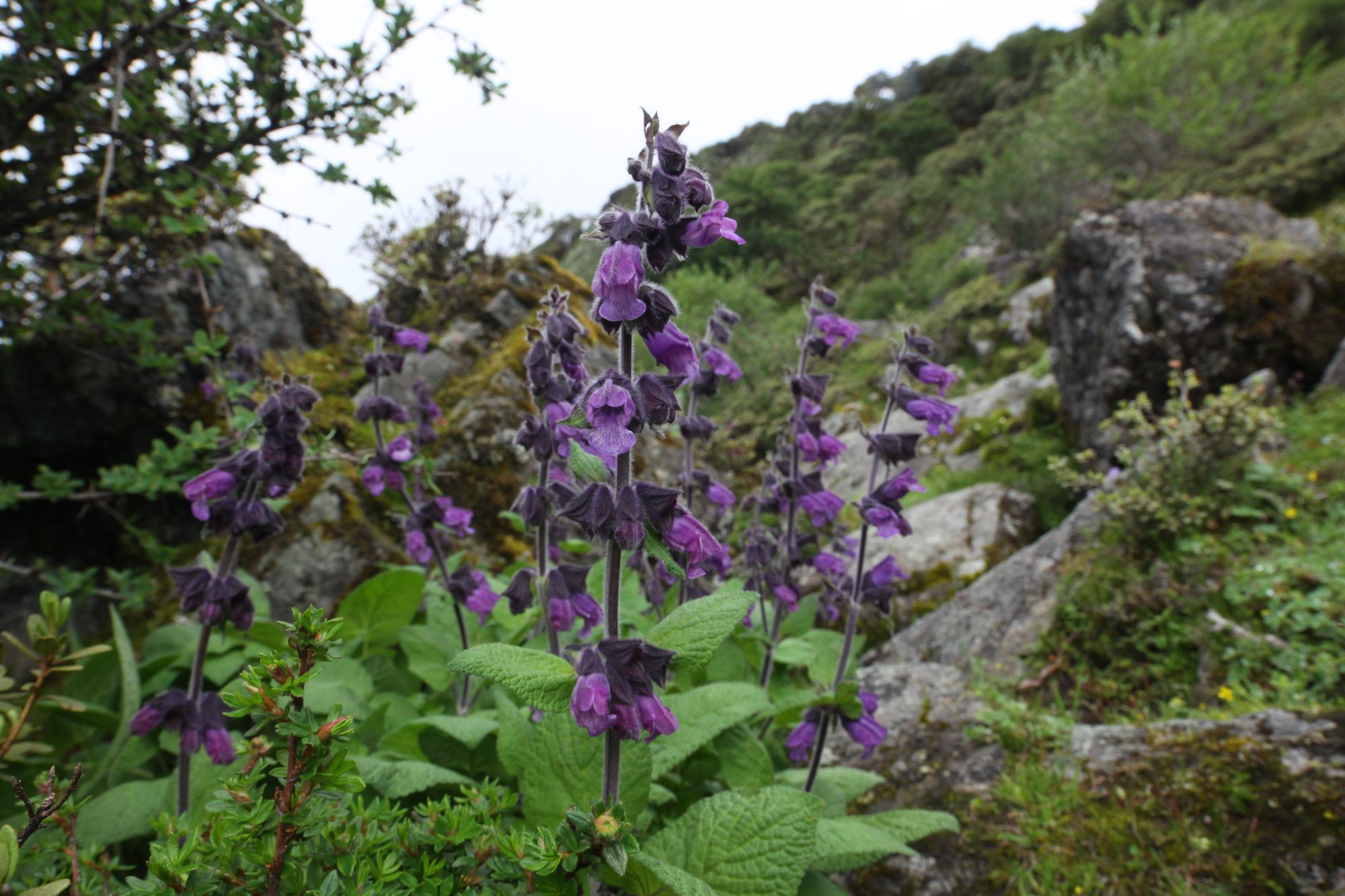 field record 115
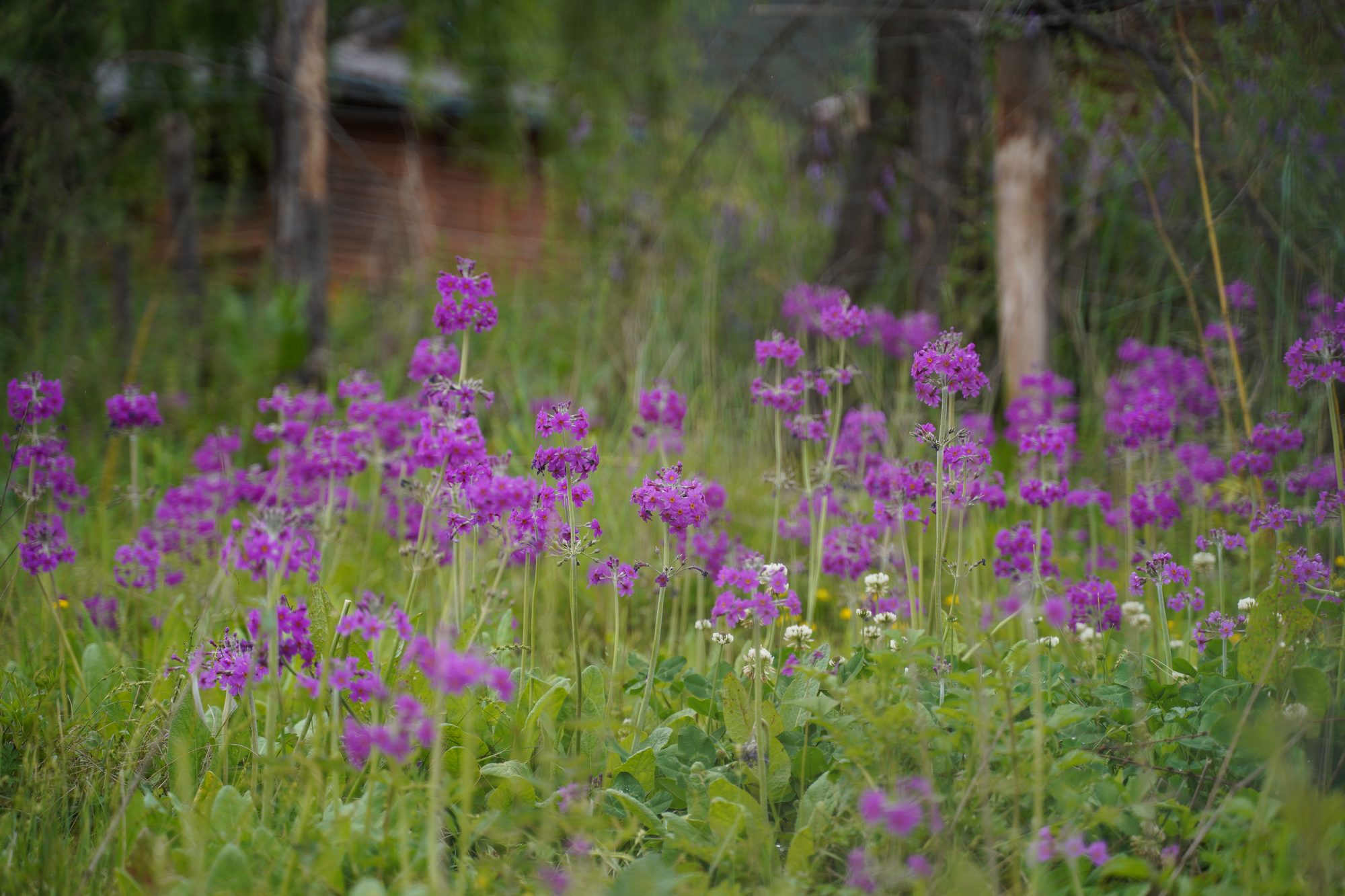 field record 116
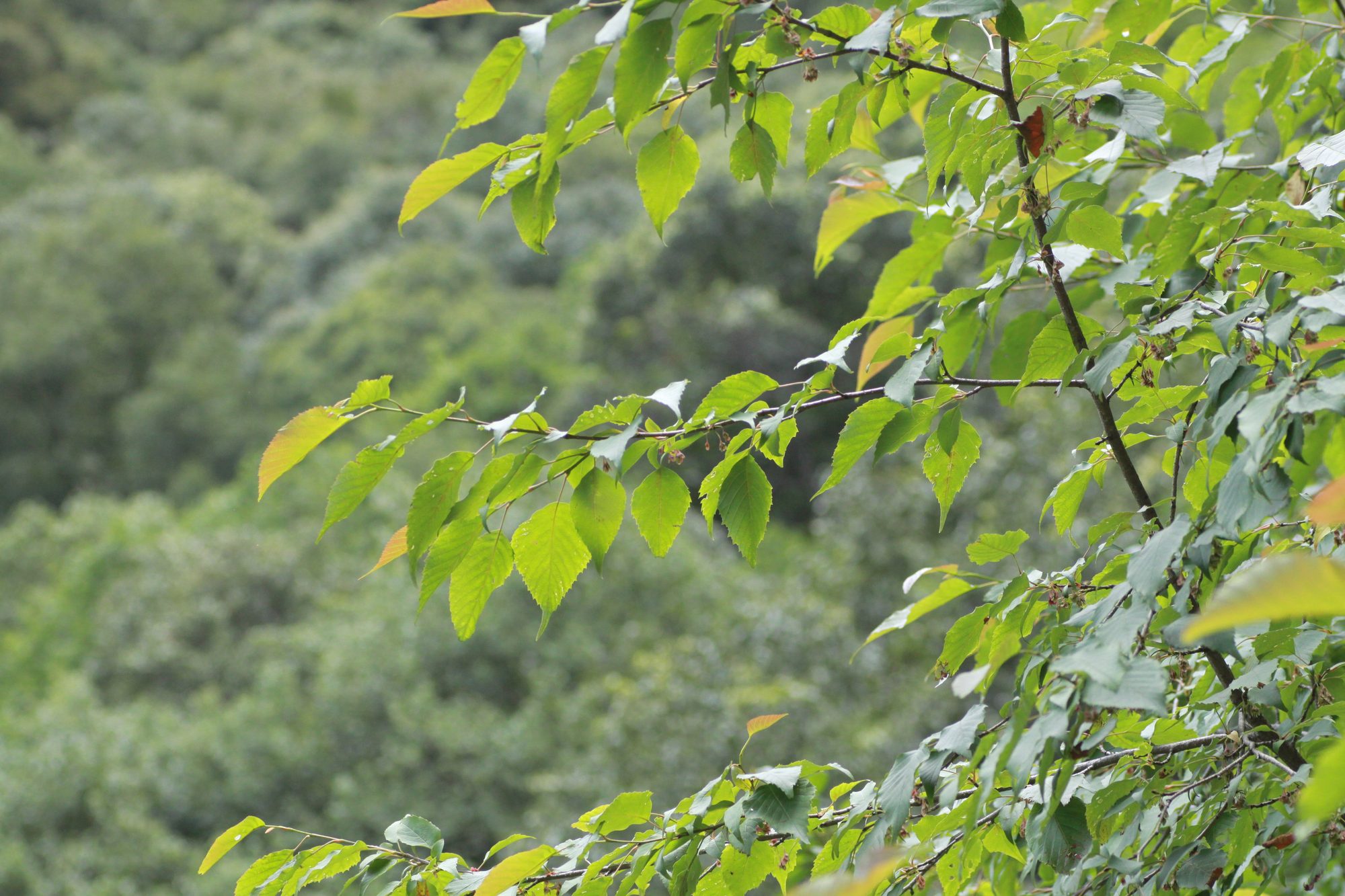 field record 117
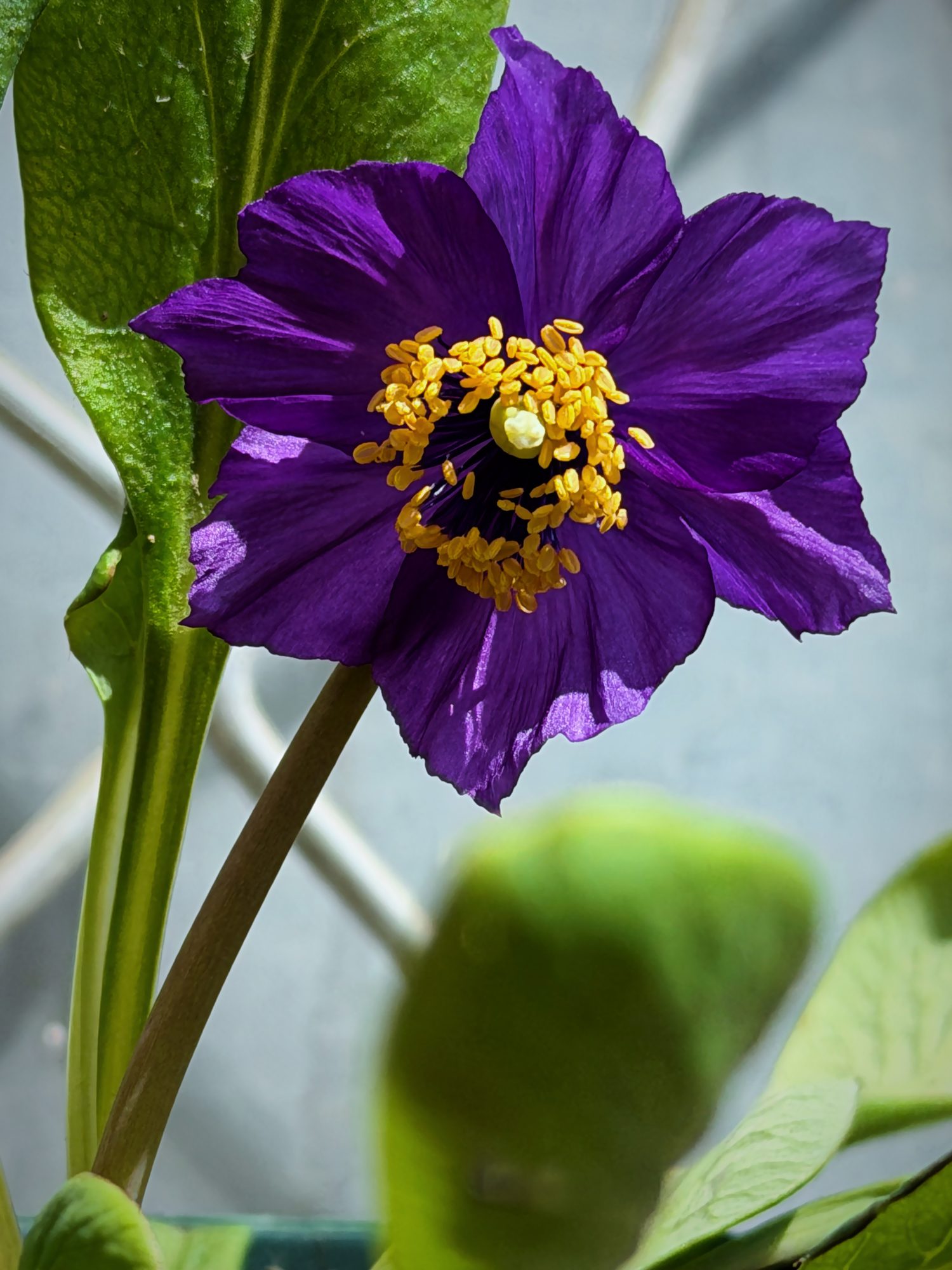 field record 118
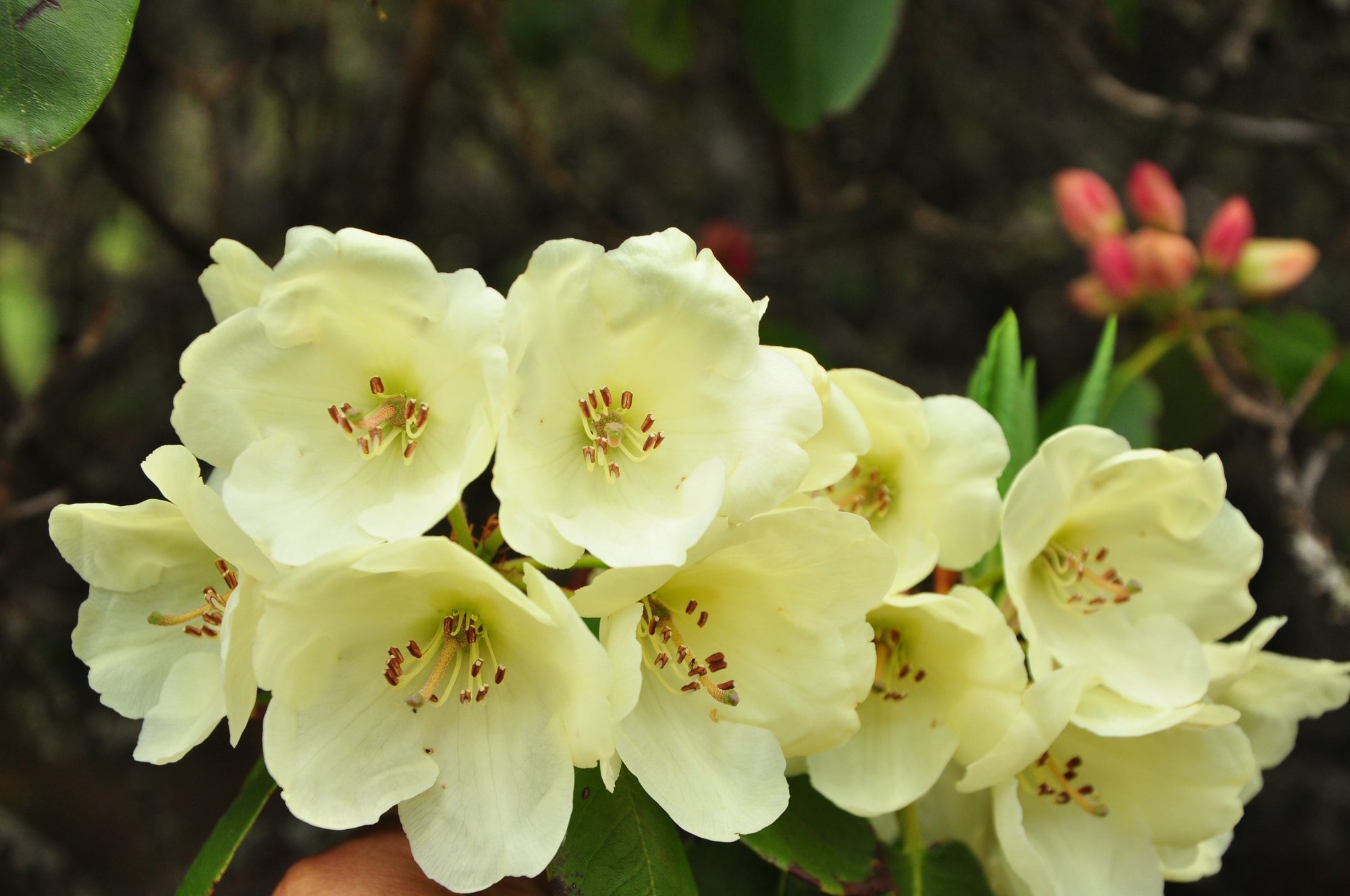 field record 119
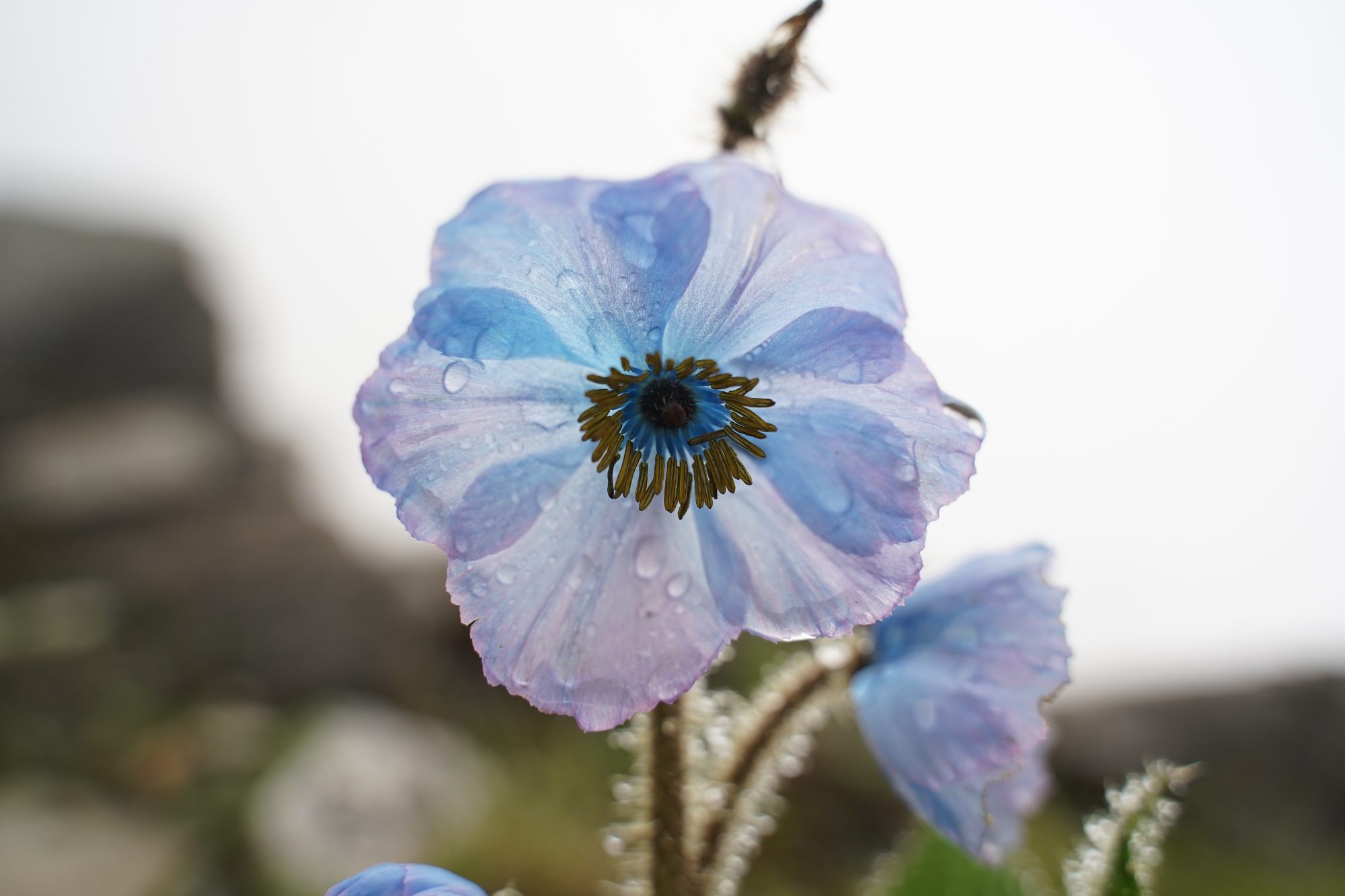 field record 120
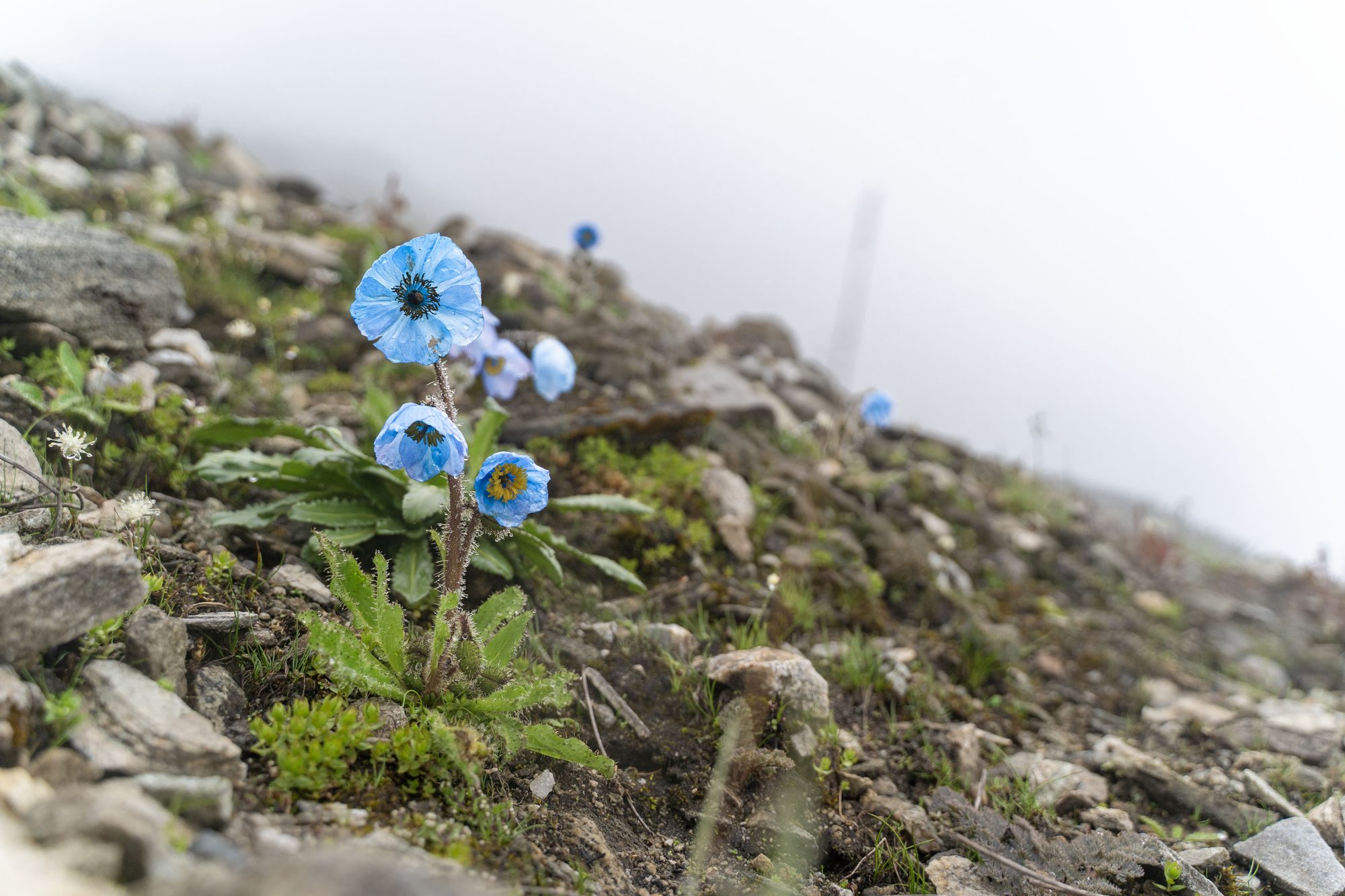 field record 121
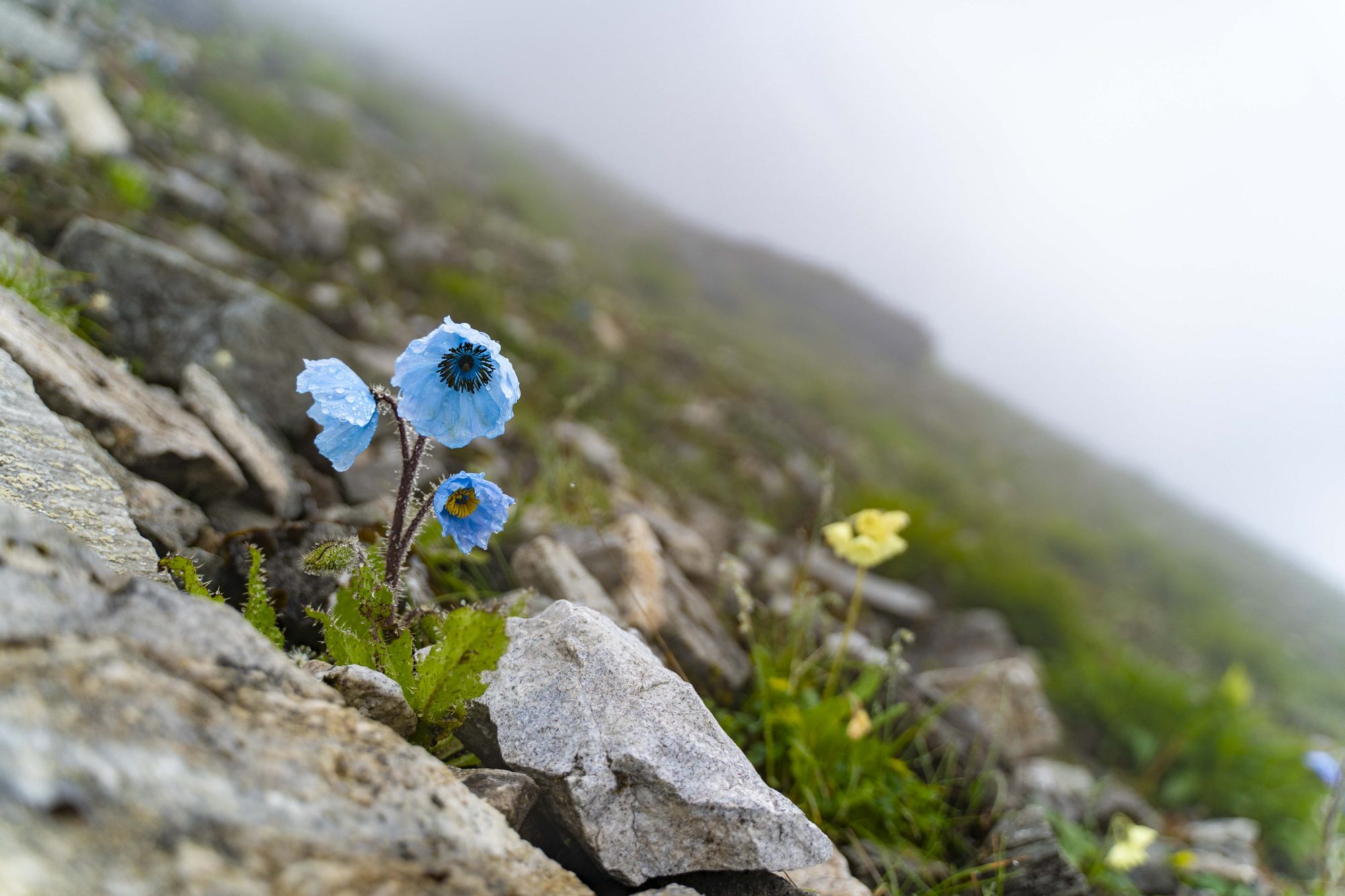 field record 122
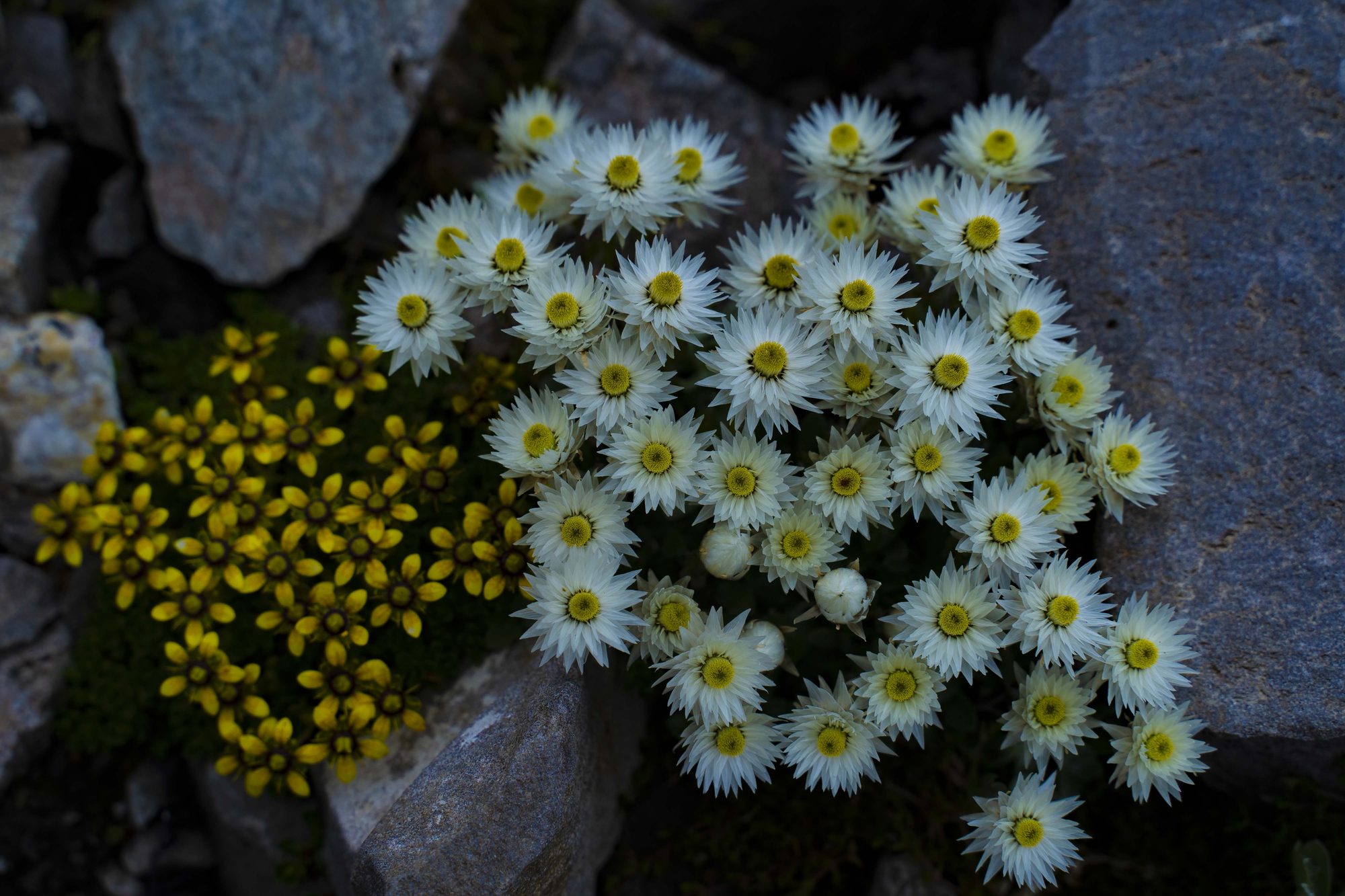 field record 123
 field record 124
 field record 125
 field record 126
 field record 127
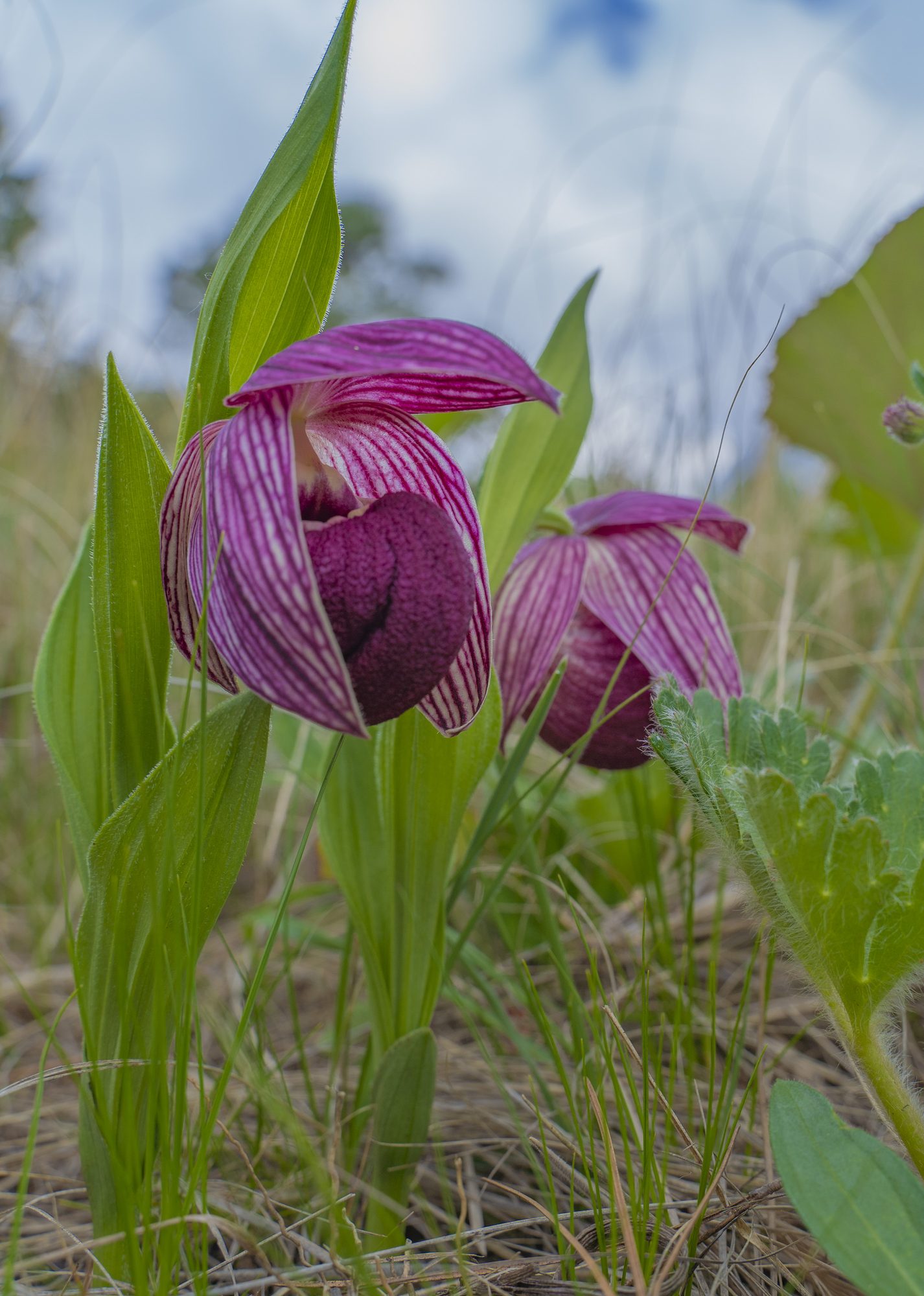 field record 128